

Skip to content

Orders after 3rd April ship Tuesday, 7th April due to Easter courier delays.

Silicone LED Neon Flex Cover Profile

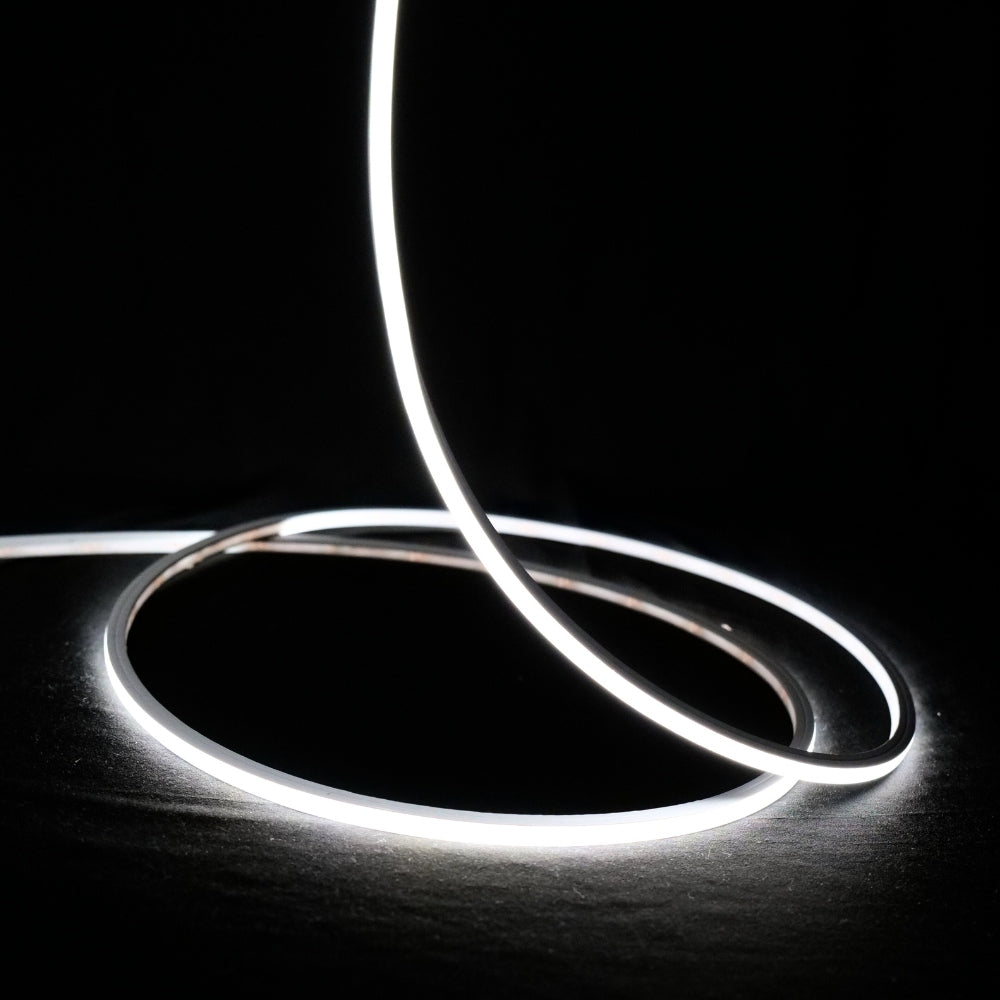
Rigid aluminium profiles handle straight runs. For everything else — curves, corners, long unjoined runs, outdoor installations that survive British winters — silicone diffuser profiles are the professional specification. They bend. They seal. They run 100 metres from a single roll without a single visible join. And when paired with COB LED strip, the result is output that is truly indistinguishable from glass neon at any viewing distance.

10mm–50mm wide  ·  IP67 / IP68 capable  ·  Up to 100m continuous  ·  -40°C to +80°C  ·  Free UK delivery  ·  Updated 2025


What is a silicone LED neon flex diffuser?

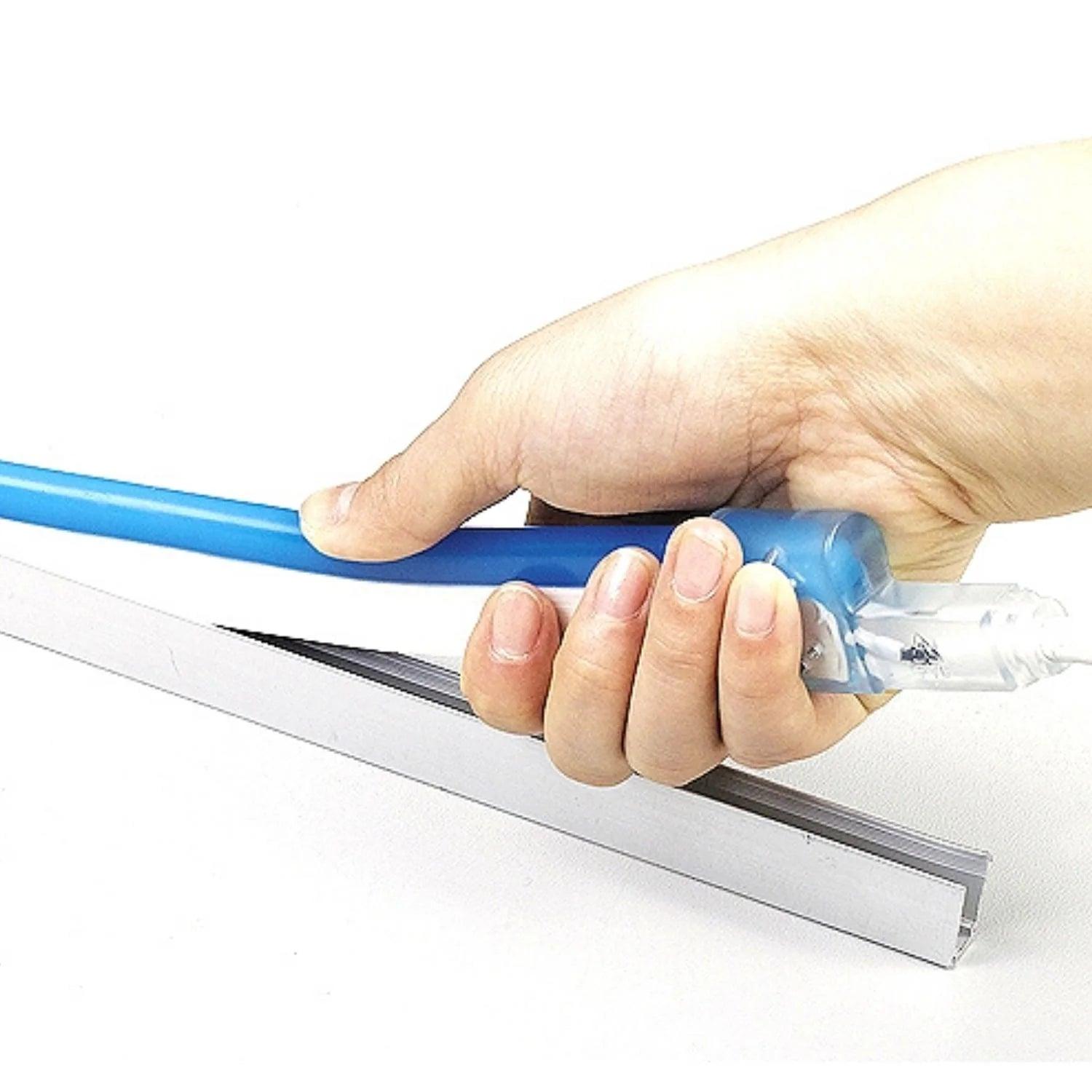
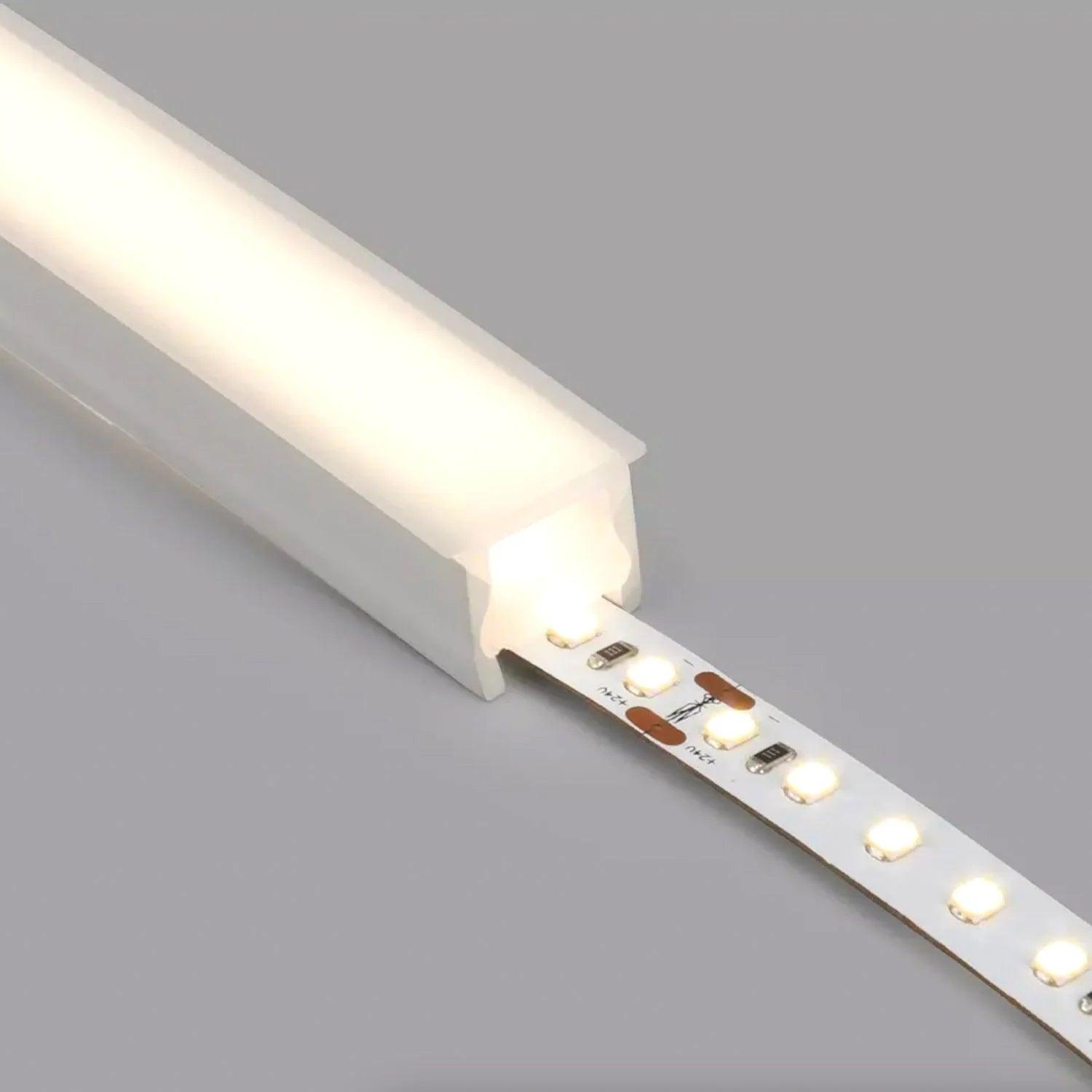
A silicone LED neon flex diffuser is an empty professional-grade silicone housing — sold without an LED strip — into which you insert any standard LED strip or COB strip on site. The opal silicone body eliminates individual LED chip dots and creates a smooth, continuous neon-effect light line. It bends freely in curves that aluminium profiles cannot follow, runs up to 100 metres with no joins, and the strip inside is fully replaceable in future without disturbing the installed channel.

Also sold as a silicone neon body, flexible LED diffuser tube, silicone LED sleeve, silicone strip channel or silicone neon cover profile — the housing is extruded from UV-stable premium silicone in continuous lengths. You choose the LED strip, feed it into the profile on site, and the opal body does the rest: light from each chip is scattered across the full diffusion face, eliminating dots and producing the soft, clean glow that glass neon achieves with gas. Same effect. Low voltage. None of the fragility.

  • What it is made from: High-specification silicone rated to the same standard used in medical devices and food processing environments. Non-toxic, odourless, UV-stable from -40°C to +80°C. Safe against every finished surface — timber, plaster, stone, ceramic, and powder-coated aluminium.
  • How it works: The profile has two zones. A light-shading surface on the sides and rear blocks light escaping sideways. An opal diffusion face on the front scatters and transmits light into a smooth, even output. The shape of that diffusion face — flat top, dome, round, side-facing — determines the beam angle and the visual character of the installed light.
  • What it is not: Pre-built neon flex has the strip factory-sealed inside at manufacture — it is a finished product. A silicone diffuser profile is an empty housing. The strip is selected and purchased separately, giving full control over colour temperature, wattage, voltage, IP rating and density. That distinction also means the strip inside is replaceable years later without touching the installed channel.
  • Why it outperforms aluminium on curves: Silicone follows curves and bends continuously in a single unbroken piece. No corner pieces. No mitre cuts. No visible seams where direction changes. Aluminium extrusions physically cannot do this — every change of direction requires a machined junction, and each junction is a visible seam, a potential moisture point, and a guaranteed alignment risk.

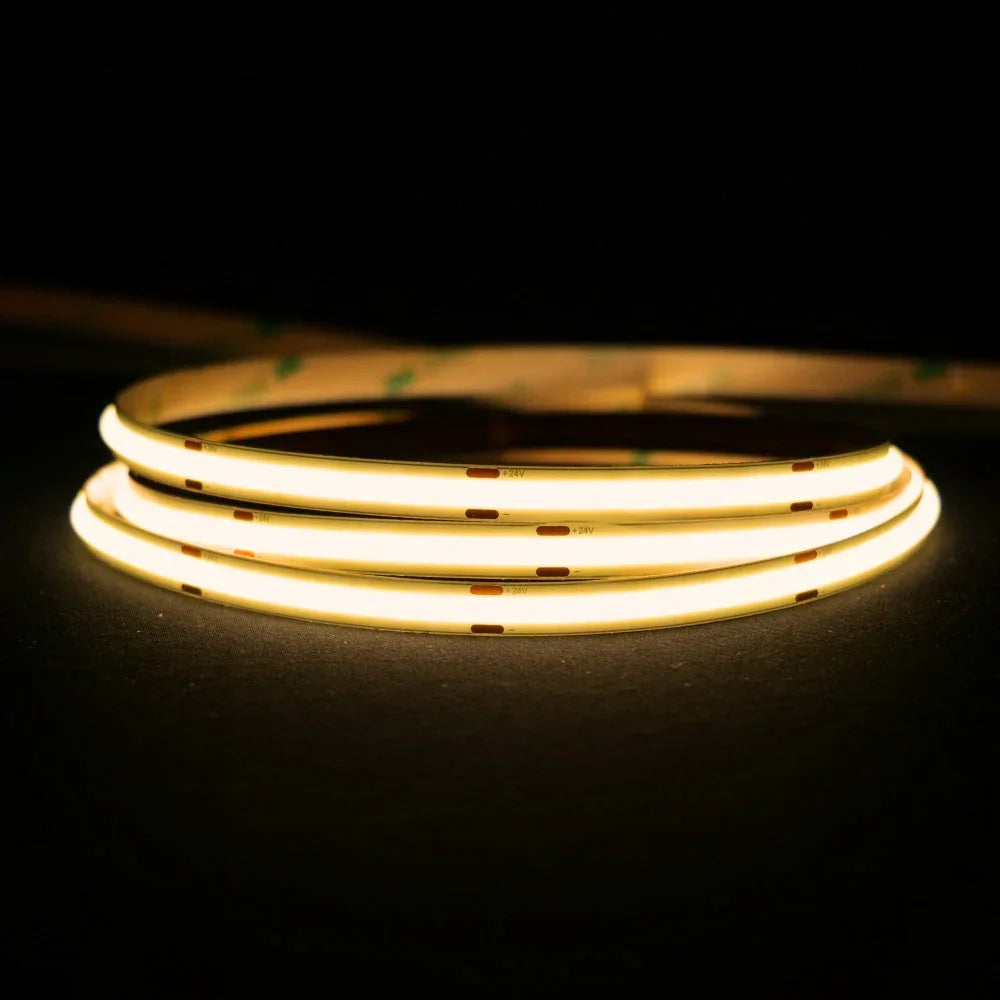
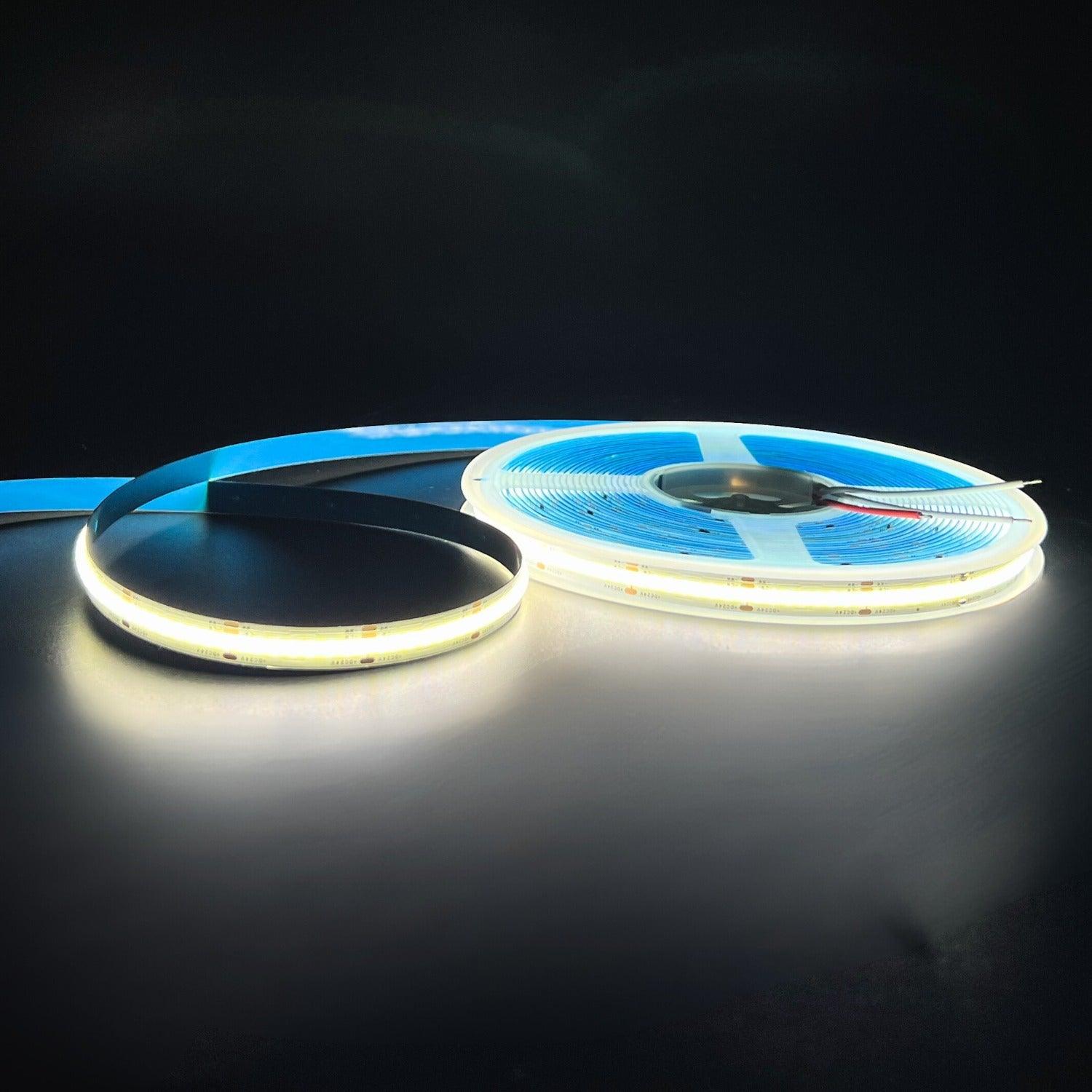
The 2025 specification note: The combination of COB LED strip inside an opal silicone profile is now the professional standard for architectural lighting in the UK. COB strip is dot-free at source due to its continuous phosphor layer. Inside opal silicone, the result at any viewing distance is output that cannot be distinguished from traditional glass neon — at a fraction of the running cost and with full weatherproofing capability.


Enclosed sleeve or open-bottom cover — which do you need?

The enclosed sleeve completely surrounds the LED strip on all four sides and achieves IP67 or IP68 when properly sealed — the correct choice for outdoor, bathroom, and any moisture-risk installation. The open-bottom cover has an open underside and presses directly over a strip that is already mounted in a groove — faster for interior joinery but not independently waterproof. Ordering the wrong type for your installation method is the single most common mistake with silicone diffuser profiles, and it is not obvious from most product images.

Enclosed silicone sleeve

  • What it is: The silicone body forms a complete tube around the LED strip on all sides. A braided traction cord is pre-installed at the factory specifically for threading the strip through — without it, feeds over 1 metre become very difficult.
  • IP performance: When both ends are sealed with matching end caps and neutral-cure silicone sealant, the assembly achieves the IP rating of the strip inside it. An IP67-rated strip inside a properly sealed enclosed sleeve gives a fully weatherproof IP67 outdoor installation. The profile itself does not determine the IP rating — the strip and the sealing do.
  • Use it for: Garden borders · Decking edges and step nosings · Pathway lighting · Bathroom mirror surrounds and wet rooms · Pool and water feature surrounds · LED neon sign lettering · Any installation with moisture exposure at any level.
  • Critical installation point: The strip must be fed through the tube before the profile is fixed to the surface. Once the profile is clipped or adhered in position, threading becomes extremely difficult on runs over 300mm. Feed first, fix second, always.

Open-bottom silicone cover

  • What it is: A continuous open channel runs along the underside. The cover presses down over a strip that is already glued into a routed groove or adhered to a surface. The strip is not enclosed — the underside remains open.
  • IP performance: Not independently waterproof. The open underside allows direct water access regardless of the strip's own IP rating. Do not use this type in outdoor or damp locations.
  • Use it for: Kitchen plinths and under-cabinet lighting · Shelf edge uplighting · Media wall inlays · Furniture accent lighting · Wardrobe interiors · Any interior joinery where the strip is already in a dry routed groove and you want to press the diffuser over the top.
  • Why it is faster: No traction cord. No threading. Press it over the mounted strip and it is done. On interior straight runs, the open-bottom cover is significantly faster to install than the enclosed sleeve — which is why it exists.

The 10-second rule: Any moisture risk at all — enclosed sleeve, waterproof strip, sealed end caps. Dry interior groove with strip already in it — open-bottom cover. If you are not certain, call 01952 370028 before ordering.


Beam angles and bend directions — what every installer needs to know

The emission direction of a silicone profile and the direction it physically bends are always perpendicular to each other — you cannot change one without changing the other. Top-emitting profiles emit light upward and bend horizontally. Side-emitting profiles emit light sideways and bend vertically. Dual-bend square profiles bend in both planes simultaneously. Forcing a profile to bend in the wrong direction is the most common cause of cracked solder joints and permanent dark sections in installed LED strip.

This relationship is fixed by physics. The LED strip PCB inside the channel sits with its bead face oriented toward the diffusion surface. The profile can only flex in the plane perpendicular to that face — which is the plane that does not compress the PCB. Rotate the profile 90° and you change which face is diffusing and which bend direction is safe. Understanding this before ordering prevents the most expensive type of installation mistake.

Profile Shape Beam Angle Safe Bend Direction Best Applications
Flat top / dome top 120°–180° upward Horizontal — left and right only Cove lighting, kitchen plinths, shelf underlighting, garden borders, reception counter edges, curved ceiling features
Side emitting 90°–120° sideways Vertical — up and down only Step nosings, stair risers, vertical wall features, column faces, pergola beam faces
Three-sided / wide-angle 180° Horizontal or vertical Under-counter edges, display plinths, entertainment area accents, open-sided architectural features
360° round 360° full perimeter Omnidirectional Rope light replacement, freestanding decorative columns, festive outdoor runs, installations visible from all sides
Dual-bend square (10×10mm / 16×16mm) 120° top or side Both planes simultaneously LED neon sign lettering, brand logos, complex shapes requiring direction changes in multiple planes simultaneously — the 2025 professional standard for custom neon signage

⚠ Never force a profile to bend in the wrong plane. The silicone body itself will flex — it is soft. But the LED strip PCB inside the channel will not. Forcing the wrong bend direction compresses the PCB at the inside of the curve, cracking copper traces and solder joints. The result is permanent dark sections that cannot be repaired without full strip replacement. The profile shape tells you the safe bend direction before you order.


Silicone diffuser vs aluminium LED profile — the honest comparison

Both products are legitimate. The decision is practical, not aesthetic: does the installation involve any curves, any long continuous runs without visible joins, any outdoor or damp exposure, or any requirement to replace the strip inside in future? If yes to any of these, silicone diffuser is the correct specification. If the installation is a high-power straight run indoors where heat dissipation above 12W/m matters most — aluminium profile is the better choice.

Factor Silicone Diffuser Profile Aluminium LED Profile
Curves and direction changes Follows curves continuously in one piece. No corner pieces, no mitres, no seams at direction changes Rigid. Every direction change needs a machined corner piece or mitre cut — each is a visible seam and a potential future moisture point
Run length Up to 100m from one roll with no visible joins 1–3m sections. A 20m perimeter installation requires 7+ sections with joins at every junction
Light diffusion quality 70–75% transmission through the opal face. Completely dot-free at any viewing distance. True neon appearance 85–90% transmission through clear PC diffuser. Brighter, but individual LED dots visible at low strip densities and close viewing distances
Heat management Adequate for strips up to 12W/m. Add aluminium backing above 12W/m Excellent at all power levels. Aluminium draws heat directly from the PCB — meaningful LED lifespan advantage above 12W/m
Outdoor performance UV-stable, frost-proof to -40°C, zero yellowing. No moisture ingress points when properly sealed. Survives British outdoor conditions indefinitely Aluminium body is UV-stable. The PC diffuser cover yellows outdoors within 12–18 months. Joins admit moisture gradually, causing oxidation beneath the cover
Future strip access The strip pulls out of a silicone sleeve at any future date. Replace or upgrade the strip without touching the installed channel Adhesive-set aluminium profile makes the strip effectively permanent. Access almost always destroys the channel and the surrounding surface finish
Electromagnetic interference None. Professional-grade silicone is a complete electrical insulator — no Faraday cage effect around the strip Aluminium creates a partial Faraday cage. Measurable EMF in recording studios, broadcast facilities, and medical imaging environments
Weight and structural load A fraction of aluminium per metre. Suitable for suspended ceilings, lightweight joinery, and thin-wall partitions that cannot carry linear aluminium loads Heavier per metre. Long runs in lightweight structures require additional structural consideration
Cost Lower per metre. No corner pieces, no end-cap machining, no structural fixings Higher per metre plus corner pieces, fixings, and mitre cutting time on site

Browse the full ATOM LED aluminium profile range for high-power straight-run applications where heat dissipation is the driving specification.


How to choose the right silicone diffuser size

Measure the bare PCB width of your LED strip — the printed circuit board itself, not the overall product width. The profile internal channel must be 1–2mm wider than that PCB measurement. Too tight and the strip cannot be fed through without damaging the copper traces. More than 4mm wider and the strip sits off-centre inside the channel, producing uneven light output through the opal face. The right fit takes two minutes to confirm before ordering and prevents the most common reason installers have to reorder.

Step 1 — Measure the bare PCB width

  • Common 2025 PCB widths: 4mm (ultra-slim), 5mm (narrow mini strip), 8mm (standard 12V and mini COB), 10mm (standard 24V COB and high-density SMD), 12mm (wide COB), 14mm (high-density wide-format COB).
  • If ordering an ATOM LED strip light or COB LED strip alongside the diffuser, confirm the PCB width from the product specification page before selecting the profile.

Step 2 — Match to the internal channel

  • The internal channel must be at minimum equal to the PCB width — ideally 1–2mm wider. Too tight: strip cannot feed through without copper trace damage. Too loose (4mm+): strip sits off-centre, creating uneven output.
  • Reliable 2025 pairings: 8mm PCB → 10×10mm or 10×20mm · 10mm PCB → 12×20mm or 16×16mm · 12mm PCB → 16×16mm or 20×20mm · Sign lettering, 6–8mm PCB → 10×10mm dual-bend

Step 3 — Check external dimensions against the routed channel

  • For recessed installations: the channel must match the profile external width within 0–0.5mm for compression fit without adhesive. Wider than 1mm and the profile needs neutral-cure silicone sealant in the channel to hold it in place.
  • For surface-mounted clip systems: clip width must match the profile external width within 0.5mm. Clips that are too wide allow the profile to rock; too narrow and they do not seat correctly.

Step 4 — Consider visual profile height

  • A taller external height creates a more prominent neon visual — closer to traditional glass neon sign proportions.
  • A shallower profile creates a subtle architectural light line — better for recessed plinth and cove lighting where only the glow is visible.
  • Dual-bend square profiles (10×10mm, 16×16mm) have equal height and width — giving the balanced proportional appearance expected in professional neon signage.

Have a strip model number? Call 01952 370028 and we confirm the correct profile size before you order — at no charge, no obligation. This takes approximately two minutes. Ordering the wrong size and discovering it after cutting costs significantly more.


How to install a silicone LED neon flex diffuser profile

For the enclosed sleeve: lay both parts completely flat, tie the traction cord to the strip lead wire (never to the PCB board), confirm the LED bead face points toward the opal diffusion surface before threading, feed through in short controlled pulls, power on and test before sealing anything, seal end caps with neutral-cure sealant and allow 24 hours to cure, then fix into the channel or mount on clips. For the open-bottom cover: adhere the strip first, then press the cover over it. The most common installation failure is sealing before testing.

Enclosed sleeve — step by step

  1. Lay both the profile and the strip completely flat before starting anything. Never attempt to thread a strip through a coiled or kinked silicone tube. A single bend creates a friction pinch point the strip cannot pass through under traction cord tension. Lay the full length flat on the floor, a long workbench, or a driveway.
  2. Tie the factory traction cord to the strip lead wire — not to the PCB board. The braided cotton or nylon traction cord is pre-installed in every enclosed sleeve. Tie it securely to the lead wire end of the LED strip. Tying to the PCB board causes damage under pulling tension. Use a knot that will not slip under load.
  3. Confirm strip orientation before the strip enters the tube. The LED bead face must point toward the opal diffusion surface of the sleeve. Threading it reversed means the shading surface blocks all the light output — and this cannot be corrected without removing the strip entirely and starting again.
  4. Feed through in short, controlled pulls. One person pulls the traction cord from the far end; a second person guides the strip into the entry point. Short controlled pulls only. If resistance is felt at any point, stop, check the tube and strip are both still fully flat, and continue. Long fast pulls risk the traction cord detaching.
  5. Power on and test before sealing, cutting, or fixing anything. Connect to the driver and confirm every LED illuminates with no dark sections before committing to anything. This is the stage where orientation errors and solder joint issues are fixable. After sealing, they are not.
  6. Seal end caps with neutral-cure silicone sealant. Press end caps firmly into each end. Apply a continuous bead of neutral-cure clear sealant around each cap perimeter, covering the PCB entry point completely. Do not use acetone-cure (standard bathroom) sealant — it attacks the silicone profile body chemically over time. Allow 24 hours cure before any moisture exposure.
  7. Fix into the channel or mount on clips. Compression fit holds the profile in a correctly routed channel (0–0.5mm tolerance) without adhesive. For surface mounting, fix clips at 300–500mm on straight runs and 50–80mm on curved sections.

Open-bottom cover — step by step

  1. Mount and adhere the LED strip in the groove first. Press the strip into the routed groove using its 3M adhesive, centring it precisely — an off-centre strip creates uneven light output through the opal face. Apply firm pressure along the full length.
  2. Confirm LED chip height fits the internal clearance. High-density COB strip has a raised phosphor layer taller than standard SMD strip. Confirm the profile's internal channel height accommodates the strip's full height before pressing the cover down — a profile bottoming out on the LED chips creates localised hotspots.
  3. Press the cover firmly along its full length. Align above the strip with the opal face pointing outward. Press down steadily. The open bottom should contact the surface flush on both sides with no gap.
  4. Test before completing any surrounding surface work. Power on and confirm the result before any grouting, painting, or finish carpentry. The cover is designed to be removable — lift it, adjust the strip position, refit, and test again before making the surrounding surface permanent.

Cutting on site: Silicone cuts cleanly with sharp scissors or a craft knife at exactly 90°. Angled cuts prevent end caps seating correctly. Most enclosed sleeve profiles have a translucent viewing window running along one side face — this shows the LED strip cut marks through the silicone body, so you can align your cut to a strip cut point from outside without removing the strip.


Long runs — including the air gun method

For runs under 1m: feed by hand. For 1–5m: use the factory traction cord. For 5–30m: use the compressed air gun method — tie the traction cord to the strip lead wire, feed 15–20cm of strip into the profile mouth to create a positive air seal, and use a compressed air gun at the entry point to push the strip through the full length of the tube with pressurised air. Both parts must be completely flat and straight throughout. Above 30m: thread in 20–25m sections on flat ground, join strips inside the profile, then install.

Every UK LED supplier covers threading a strip into a 1m sleeve. None of them explain what to do when you have a 15m curved garden run, a 30m reception desk installation, or a 50m landscape project. This is what professionals actually do in 2025.

Under 1 metre

  • Feed directly by hand. No traction cord needed. Lay both parts flat and push steadily.
  • If any resistance is felt: check the PCB width against the internal channel dimension. A 1mm mismatch at this scale causes significant friction.

1–5 metres

  • Use the factory traction cord. Tie securely to the strip lead wire and pull from the far end while a second person guides the strip at the entry. Keep everything flat throughout — one person at each end is essential on runs over 2m.
  • If the strip stops mid-run: do not force it. Pull back to the entry point, confirm everything is flat and straight again, and continue. A compressed section of silicone body at a bend point creates a pinch the strip cannot pass through under cord tension.

5–30 metres — the air gun method

  • Above 5m, friction between the strip PCB and the internal silicone wall becomes significant enough that the traction cord alone struggles — particularly on profiles with an internal PC anti-break plate, which creates a tighter, smoother internal surface.
  • The method in full: Tie the traction cord to the strip lead wire. Feed approximately 15–20cm of the strip into the profile entry point to create a positive seal. Place a compressed air gun or compressor nozzle at the entry and activate. The pressurised air travels the full tube length, carrying the strip (and cord) forward with consistent force. One operator at the entry maintains the air supply and monitors the strip entering cleanly. A second operator at the far end collects the strip as it emerges.
  • This works reliably up to 30 metres. Both the profile and the strip must be completely flat and straight throughout the operation — even a shallow bend creates turbulence that stops the strip progressing.
  • Practical tip: Lay the full run along a flat floor, driveway, or similar surface before starting. Thread the strip inside the profile first, then install the loaded profile into the channel. Never try to thread in a profile that is already clipped or fixed to the wall.

Above 30 metres

  • Thread in 20–25m sections on flat ground. Join the strips inside the profile with solder or snap connectors. Then install the fully loaded profile into the channel as a single piece.
  • For commercial landscape runs of 50–100m: contact the ATOM LED team on 01952 370028 before ordering to plan feeding strategy, power injection points, and voltage selection. Browse the LED driver and transformer range for long-run power planning — 48V systems reduce voltage drop significantly over 24V on runs above 20m.

Heat management — what power ratings silicone can handle

Premium silicone is a thermal insulator. Up to 7W/m: no heat management needed. Between 7–12W/m: acceptable for most installations but add aluminium backing in fully enclosed spaces without airflow. Above 12W/m: an aluminium heat spreader behind the LED strip PCB is strongly recommended. Outer surface temperature at 10W/m is approximately 35–45°C in a normal ambient — warm to the touch but well within safe limits. The profile body itself is rated to 80°C continuous.

  • Up to 7W/m: No thermal concerns. Silicone diffuser is the correct specification with no additional heat management. LED junction temperature stays within normal lifespan range for 12V and 24V strip at this power level.
  • 7–12W/m: Acceptable for most installations. For enclosed in-wall runs without natural air movement, or south-facing UK outdoor installations that see sustained summer heat, bond a thin aluminium backing strip to the rear of the LED strip PCB before threading into the sleeve. This draws heat through the back of the PCB and into the mounting substrate.
  • Above 12W/m: Aluminium heat spreader behind the PCB is strongly recommended. At these power levels inside a sealed sleeve, LED junction temperature can exceed the manufacturer's specification for continuous operation — which measurably shortens the lifespan of the installed strip.
  • COB strip at 700–900 lm/m — the most widely specified architectural option in 2025 — runs at approximately 8–10W/m. Within the acceptable range for long-term operation inside a silicone sleeve, provided the profile is not fully embedded in insulating material without any airflow around it.
  • Outer surface temperature reference: At 10W/m in a 20°C ambient environment, a silicone profile reaches approximately 35–45°C on its outer face. Warm to the touch, not uncomfortable. The profile body is rated to 80°C continuous — it is never the thermal limiting factor. The LED strip's junction temperature is what drives lifespan decisions, not the silicone housing around it.

Quick test before final installation: Power the strip inside the profile for 30 minutes in a test setup. If the outer face of the profile is uncomfortable to hold for more than a few seconds (above approximately 60°C), add aluminium backing before proceeding. If it is warm but comfortable, the system is operating within normal parameters.


Dimmer, driver and smart home compatibility

A silicone diffuser profile has no electrical characteristics whatsoever — it is a passive optical component. Every dimming and control compatibility question is answered by the LED strip inside the profile and the driver being used, not by the diffuser itself. PWM, 0–10V, DALI, trailing-edge, Zigbee, Z-Wave, Lutron, KNX, Alexa and Google Home are all fully compatible when the correct driver and controller are specified. The opal silicone body does not affect any electrical signal in any way.

  • PWM dimming: Compatible with all strip types. The opal body softens the optical output but has no effect on the PWM electrical signal passing through the strip.
  • 0–10V and DALI: Both protocols are fully compatible. These operate at the driver level and do not interact with the silicone profile in any way.
  • Trailing-edge mains dimmers: Compatible with a dimmable LED driver rated for mains dimmer use. Browse the ATOM LED driver range for dimmer-compatible options across 12V, 24V, and 48V.
  • RGB and RGBW strip: Opal silicone diffuses all colour channels equally, producing clean colour mixing. This specifically eliminates the colour separation issue — visible separate red, green, and blue dots — that occurs in clear-PC aluminium profiles with RGB strip at close viewing distances. For any RGB installation viewed within 1m, silicone diffuser is the better specification.
  • Addressable and RGBIC strip (2025): Fully compatible — silicone does not affect the data signal to individual pixel LEDs. The opal diffusion softens pixel edge transitions slightly, which is desirable in most architectural applications. For installations where sharp, crisp pixel edges at under 500mm viewing distance are important, a clear silicone body provides sharper pixel definition.
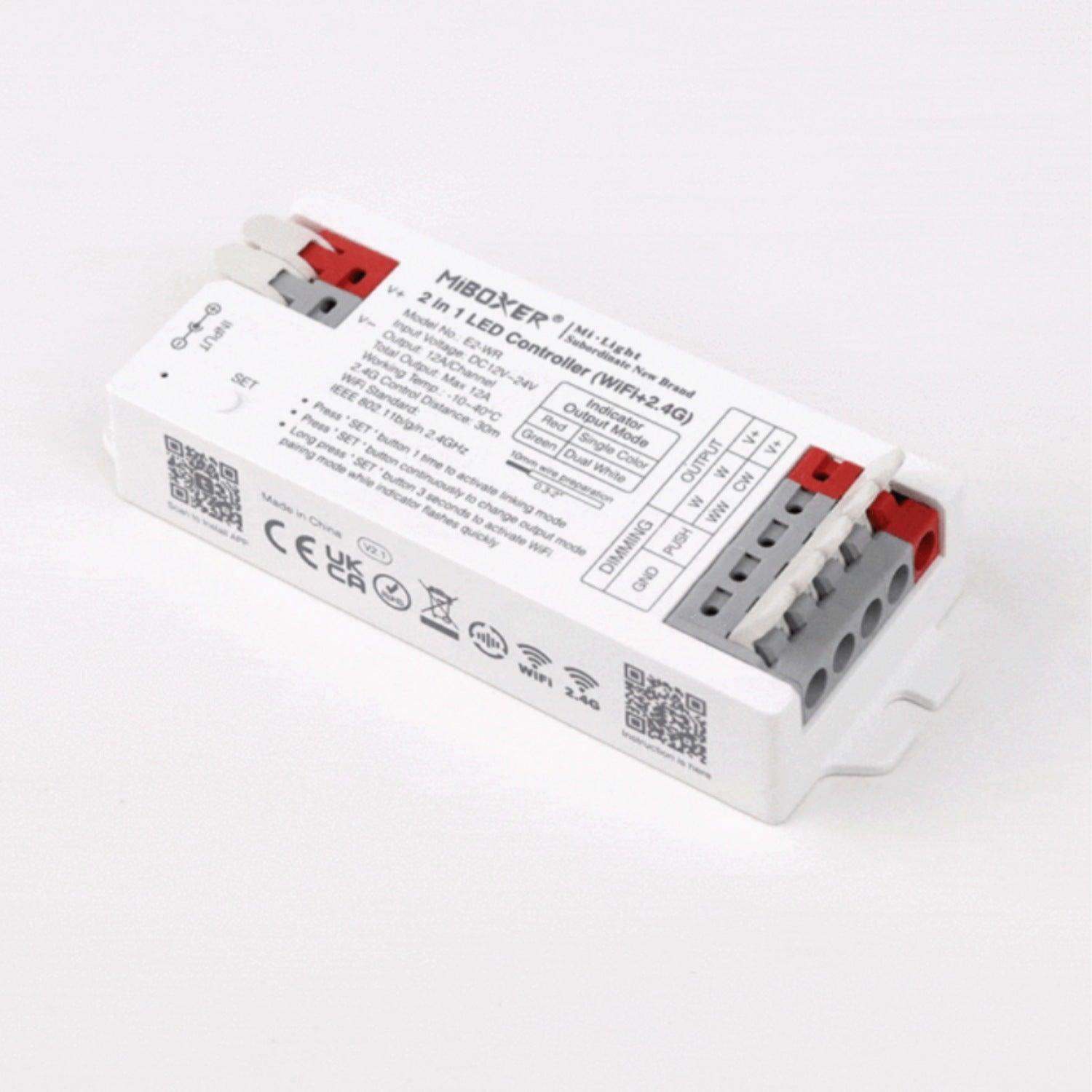
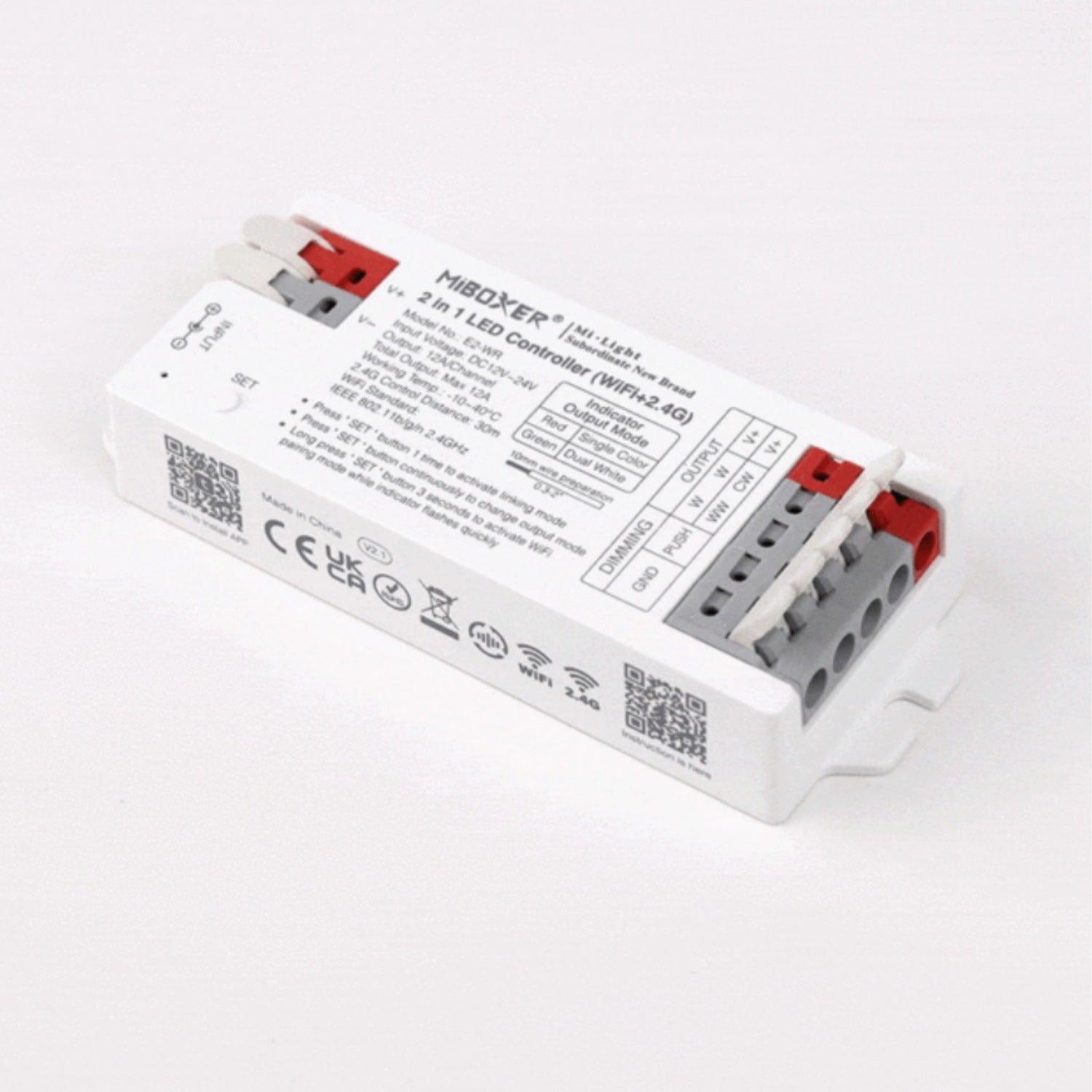
  • Smart home integration: Fully compatible with Alexa, Google Home, Apple HomeKit, Zigbee, Z-Wave, KNX, DALI, and Lutron — compatibility is determined entirely by the driver and controller, not the diffuser profile. Browse the ATOM LED controller range and the Miboxer smart controller collection for compatible options.

Where silicone LED neon flex diffuser profiles are used

Silicone LED neon flex diffusers are the correct specification for any installation involving curves, long continuous runs, outdoor exposure, damp environments, or a flush recessed finish. In 2025 they are the professional standard for kitchen plinth and under-cabinet lighting, bathroom mirror surrounds and wet rooms, staircase string lighting, media wall inlays, reception desk counter edges, restaurant and bar curved ceiling coves, LED neon sign lettering, garden borders, decking edges, pool surrounds, and driveway perimeter definition.

Interior residential

  • Kitchen plinths and under-cabinet lighting — open-bottom cover presses over strip in a routed groove. Invisible from below, clean from the side. The most popular residential silicone diffuser application in the UK.
  • Bathroom mirror surrounds and wet rooms — enclosed sleeve with IP67 COB strip inside, sealed end caps. The lighted mirror aesthetic without specialist mirror costs.
  • Staircase string and riser lighting — enclosed sleeve follows the diagonal stringer line in one continuous piece with no joins at landings and no visible seams where the angle changes.
  • Media walls and TV recess lighting — silicone follows curved shelves, irregular recesses, and non-standard geometry that aluminium profile would require custom machining to navigate.
  • Wardrobe interiors and shelf edges — open-bottom cover press-fits into routed shelf edges. Strip remains accessible and replaceable without removing shelving.
  • Home offices and reading spaces — opal silicone reduces peak LED chip luminance by approximately 95%, eliminating point-source glare at eye level. A practical wellbeing improvement for any space used for extended concentrated work.

Commercial and hospitality

  • Reception desk counter edges — 30–50m continuous unbroken light lines from a single roll, zero visible joins. The standard UK commercial specification for hotel and corporate reception lighting in 2025.
  • Restaurant and bar curved ceiling coves — follows the architect's radius without aluminium seams or mitre cuts at every direction change.
  • Hotel corridor perimeter lighting — long unjoined runs from a single roll for maximum installation efficiency on lengthy architectural lighting runs.
  • Gym and spa accent lighting — no metallic edges in contact areas, moisture-resistant, suitable for high-humidity environments.
  • Retail display plinths and product shelving — replaceable strip without disturbing the installed channel during trading hours.

LED neon signage

  • Custom LED neon letters and logos — the 10×10mm dual-bend profile is the 2025 professional standard for LED neon sign making in the UK. Bends in both horizontal and vertical planes simultaneously for letterform curves.
  • Minimum character height for the 10×10mm dual-bend is approximately 60–80mm. For smaller lettering see the mini neon flex range.
  • Outdoor building signage — enclosed sleeve with IP67 COB strip. UV-stable silicone that does not yellow after years of outdoor sun exposure.

Garden and outdoor

  • Garden border and pathway lighting — enclosed sleeve follows natural planting bed curves without joins. A single 50m roll traces a full garden perimeter from one power supply and one controller.
  • Decking edges and step nosings — enclosed sleeve with IP67 outdoor-rated strip for weatherproof ground-level neon effect.
  • Driveway edge definition — 50–100m single-roll run from a single power supply. No joins to fail over winter.
  • Pool and water feature surroundsIP68-rated strip inside a sealed enclosed sleeve for a submersible-capable neon-effect light line at pool edges, without specialist underwater luminaire costs.

Frequently asked questions

What is the difference between a silicone diffuser profile and pre-built LED neon flex?

  • Pre-built LED neon flex has the strip factory-sealed inside the silicone body at manufacture. It is a finished product — connect and install. A silicone diffuser profile is an empty housing. You choose the LED strip separately, insert it on site, and the strip is replaceable in future without disturbing the installed channel.
  • Use pre-built neon flex for outdoor, signage, and garden applications where installation speed is the priority. Use silicone diffuser profiles where a specific strip specification, custom run length, future strip access, or architectural integration is required.

How do I know which silicone diffuser width to order for my LED strip?

  • Measure the bare PCB width of your LED strip. The profile internal channel must be 1–2mm wider than that measurement. Too tight and the strip cannot feed through without copper trace damage. More than 4mm wider and the strip sits off-centre creating uneven output.
  • Call 01952 370028 with your strip model number and the ATOM LED team will confirm the correct profile size before you order. This takes two minutes and costs nothing.

Is a silicone diffuser profile waterproof for outdoor use?

  • The enclosed sleeve type, sealed at both ends with end caps and neutral-cure sealant, achieves the IP rating of the strip inside it. An IP67 strip inside a properly sealed enclosed sleeve gives a fully weatherproof IP67 outdoor installation.
  • The open-bottom cover type is not waterproof — the open underside allows direct water entry regardless of the strip's own IP rating. Indoor and fully sheltered use only.
  • All ATOM LED silicone profiles are UV-stable and frost-proof to -40°C. They will not yellow or crack in British outdoor conditions. A silicone profile that yellows outdoors is PVC, not genuine silicone.

What is the minimum bend radius for a silicone diffuser profile?

  • 10×10mm dual-bend: Approximately 30mm minimum radius — sufficient for letter curves in neon sign work at character heights above 60mm.
  • 16×16mm dual-bend: Approximately 50mm minimum radius — suitable for most architectural curves and larger signage work.
  • 20mm and wider profiles: Approximately 80–100mm minimum radius — for gentle garden border sweeps and broad architectural coves, not tight sign lettering.
  • Forcing a profile beyond its minimum radius compresses the LED strip PCB and permanently damages solder joints, creating dark sections that cannot be repaired without replacing the strip.

Can I use a silicone diffuser with COB LED strip?

  • Yes — and this is the definitive combination for 2025. COB strip is already dot-free at source due to its continuous phosphor layer. Inside an opal silicone body, COB produces output completely indistinguishable from glass neon at any viewing distance — the smoothest possible light output from any LED source.
  • COB strip at 10mm PCB width is compatible with 10×10mm, 12×20mm, and 16×16mm profiles. Browse the full ATOM LED COB strip range for IP67 and IP68 options for outdoor enclosed sleeve installations.

Will I see individual LED dots through the opal silicone face?

  • No visible dots at any viewing distance with COB strip inside — COB is already dot-free at source. Standard 60 LED/m SMD strip can show faint dot patterns through wider profiles at very close viewing distances under 300mm. Resolved immediately by upgrading to COB strip or 120+ LED/m SMD strip.
  • For any installation viewed at arm's length or closer, COB strip inside opal silicone is the only specification that guarantees completely dot-free output at any distance.

Can I use coloured silicone profiles with a white LED strip?

  • The silicone body acts as a colour filter — a white strip inside a pink body produces pink light, not white. For saturated colour neon effects: use a matching-colour LED strip inside a matching-colour silicone body. Red strip inside red silicone produces the most vibrant possible red neon output.
  • For white light output: white opal or natural white silicone only. RGB or RGBW strip inside white opal silicone produces clean full-spectrum colour output across all channels.

How much brightness does opal silicone lose compared to a clear PC diffuser?

  • Opal silicone transmits approximately 70–75% of incident light. Clear PC diffusers in aluminium profiles transmit 85–90%. The 15% difference is the optical cost of the neon effect — opal silicone scatters the output into a completely smooth, dot-free result that clear PC diffusers cannot match at close viewing distances.
  • To compensate: specify a brighter strip. COB strip at 700–900 lm/m through opal silicone produces comparable lux levels to standard 60 LED/m SMD strip in a clear PC aluminium channel, with significantly higher visual quality at any viewing distance.

Can I retrofit a silicone cover over LED strip that is already installed on a wall?

  • Open-bottom cover type: yes — it presses directly over an already-mounted strip in a groove or adhered to a surface. No strip removal needed.
  • Enclosed sleeve type: generally not practical on already-fixed strip. The sleeve must be threaded onto the strip before mounting. On very short accessible runs (such as a 500mm cabinet shelf that can be de-adhered), feasible. On longer fixed runs, the open-bottom cover is the practical solution.

What power supply do I need for a silicone diffuser installation?

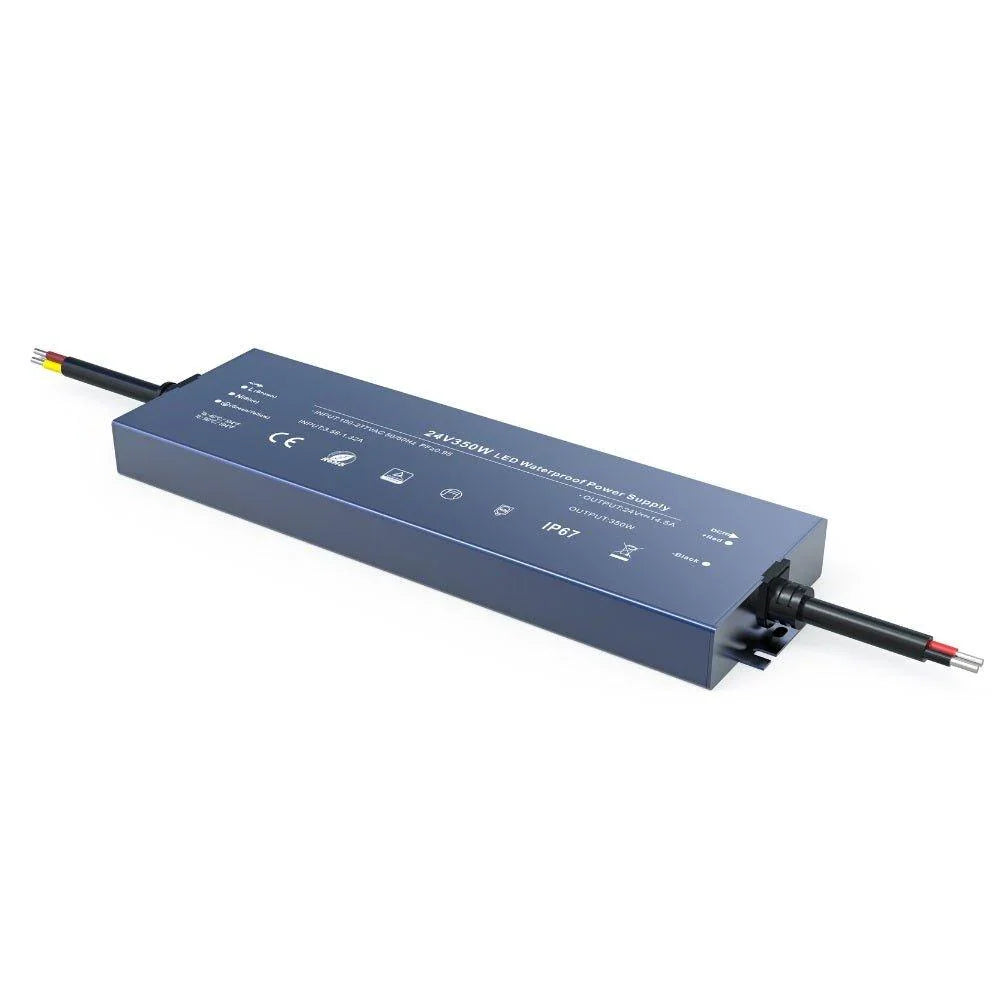
  • The silicone profile has no electrical characteristics — power requirements are determined entirely by the LED strip inside. Calculate total wattage (W/m × total run length in metres) and select a driver rated at 20–25% above that figure for headroom. Match driver output voltage exactly to strip voltage: 12V for 12V strip, 24V for 24V, 48V for 48V.
  • For runs over 20m, 24V or 48V systems significantly reduce voltage drop. Browse the full LED driver and transformer range for all wattages, voltages, and IP ratings including IP67-rated outdoor drivers.

The LED strip got stuck halfway through the silicone tube — what do I do?

  • Do not pull backwards forcefully. Check the entire length of the tube is flat and straight — a single bend creates a friction pinch point. Lay everything flat again and retry, or use the compressed air gun method to blow through the blockage.
  • If PCB width is very close to the internal channel dimension, a thin smear of talcum powder (not any oil-based lubricant) at the tube entry point reduces friction enough to make threading manageable without affecting the seal.

There are dark sections in the strip after installation — what happened?

  • Dark sections after threading almost always mean the strip PCB was bent beyond the minimum bend radius inside the tube at some point during feeding, cracking a solder joint. Pull the strip back out, inspect the PCB for hairline fractures around LED pads, and re-solder if accessible.
  • The key long-term advantage of the enclosed sleeve type: the old strip can be pulled out and a new one fed in without touching the installed channel, the mounting surface, or any surrounding finish work.

The profile has turned yellow after outdoor use — why?

  • UV-stable silicone does not yellow under outdoor sun exposure — this is a confirmed material property, not a marketing claim. If a profile is yellowing outdoors, it is PVC or a PVC-silicone blend, not genuine silicone.
  • All ATOM LED silicone diffuser profiles are UV-stable silicone throughout — no PVC, no rubber blends, no compromise. If you have a profile that is yellowing, contact operations@atomled.co.uk and we will advise on replacement.

Is silicone LED diffuser fire-rated for commercial use?

  • Professional-grade silicone has a high ignition temperature, is classified as flame-retardant under standard conditions, chars rather than burns, and self-extinguishes when a flame source is removed. It does not propagate flame.
  • For commercial and public building installations where a specific Euroclass reaction-to-fire rating is required by building regulations or fire engineering specification, confirm in writing with the ATOM LED team at the specification stage before installation proceeds.

What lengths can I order, and are bulk rolls available?

  • Cut lengths from 1 metre to 50 metres, supplied fresh from continuous factory rolls. Full 100-metre commercial rolls available for landscape, commercial terrace, and large-scale architectural projects.
  • Call 01952 370028 or email operations@atomled.co.uk for bulk roll pricing and lead times. Cut-to-length orders are non-returnable once cut — allow 5–10% extra for waste and test sections.

Do silicone LED diffuser profiles reduce eye strain compared to bare LED strip?

  • Significantly. Bare LED strip produces intense point-source light from each individual chip face. Opal silicone reduces peak luminance at each chip face by approximately 95%, spreading the same total lumen output across the full diffusion surface area. Total light output barely changes. The quality and comfort of the light changes substantially.
  • For any installation in a home office, kitchen, children's bedroom, reading area, or anywhere LED strip falls within a person's line of sight — a silicone diffuser is a genuine wellbeing improvement, not just an aesthetic choice.

Why choose ATOM LED?

  • The broadest silicone diffuser range in the UK in 2025. 10mm to 50mm wide, horizontal bend, vertical bend, and dual-bend profiles all stocked in the most-used sizes — no special order lead times, no waiting for a vertical or dual-bend profile when a project calls for one.
  • UV-stable, commercial-grade premium silicone throughout. Frost-proof to -40°C, rated to +80°C continuous, zero yellowing over time, no PVC, no rubber blends, no compromise. The same material specification used in medical devices and industrial processing environments. Not a marketing claim — a material standard.
  • Anti-break PC plate as standard on every enclosed sleeve profile. This is the internal plastic backing sheet that protects the LED strip PCB during bending, reduces feeding friction on long runs, and distributes flex stress at curve points rather than concentrating it on individual solder joints. Most suppliers do not include it. Every ATOM LED enclosed sleeve profile does.
  • White opal, natural white, and black silicone body options. White opal for standard installations. Natural white for the warmest output character. Black silicone body with white opal diffusion face for dark-scheme contemporary interiors and high-contrast commercial work — the specification choice for premium minimalist design in 2025.
  • Compatible with the full ATOM LED strip range — confirmed before dispatch. Every profile size is tested against COB strip, single colour strip, and RGB strip. If there is a sizing concern with your specific order, we tell you before it ships — not after.
  • Up to 100m commercial rolls for large projects. Garden landscapes, commercial terraces, hotel corridors — no joins, no interruptions, one roll, one power supply. Call for bulk pricing.
  • UK-based technical team in Telford, Shropshire. Available Monday to Friday on 01952 370028. Not a chatbot, not an overseas call centre. Lighting specialists who size profiles against LED strip models for real installations every day — at no charge, with no obligation to buy. The call costs nothing. Ordering the wrong size costs significantly more.
  • Free delivery to mainland UK on every order. No minimum order value. No threshold. One metre or one hundred metres — the delivery cost is the same.

Not sure which profile, which bend direction, or which strip combination is right for your project? Tell us the application, the substrate material, the strip model if known, and whether it is indoor or outdoor. We will specify the correct profile size, bend type, and strip pairing before you order anything. Call 01952 370028 (Monday to Friday, 9am–5pm) or email operations@atomled.co.uk.

Browse the complete ATOM LED system: COB LED Strip · LED Strip Lights · Pre-Built Neon Flex · Outdoor Neon Flex · IP68 Neon Flex · Aluminium Profiles · LED Drivers · Controllers · Neon Sign Making · LED Accessories


Related Collections

Last reviewed: March 2025 — ATOM LED technical team, Telford, Shropshire. All product specifications current as of 2025.

🏭 UK LED specialist, Telford, Shropshire  ·  📏 Broadest UK range: 10mm–50mm  ·  🌡️ Commercial-grade premium silicone rated -40°C to +80°C  ·  ☎️ 01952 370028  ·  🚚 Free UK delivery on all orders

30 products

Silicone Neon Flex Cover Diffuser Flexible Bendable for LED Strip 10x10mm - ATOM LED
Silicone Neon Flex Cover Diffuser Flexible Bendable for LED Strip 10x10mm

Regular price From £7.08
Sale price From £7.08 Regular price
View Product
LED Strip Silicone Neon Flex Profile Cover Body Flexible Bendable 12x12mm
LED Strip Silicone Neon Flex Profile Cover Body Flexible Bendable 12x12mm

Regular price From £7.86
Sale price From £7.86 Regular price
View Product
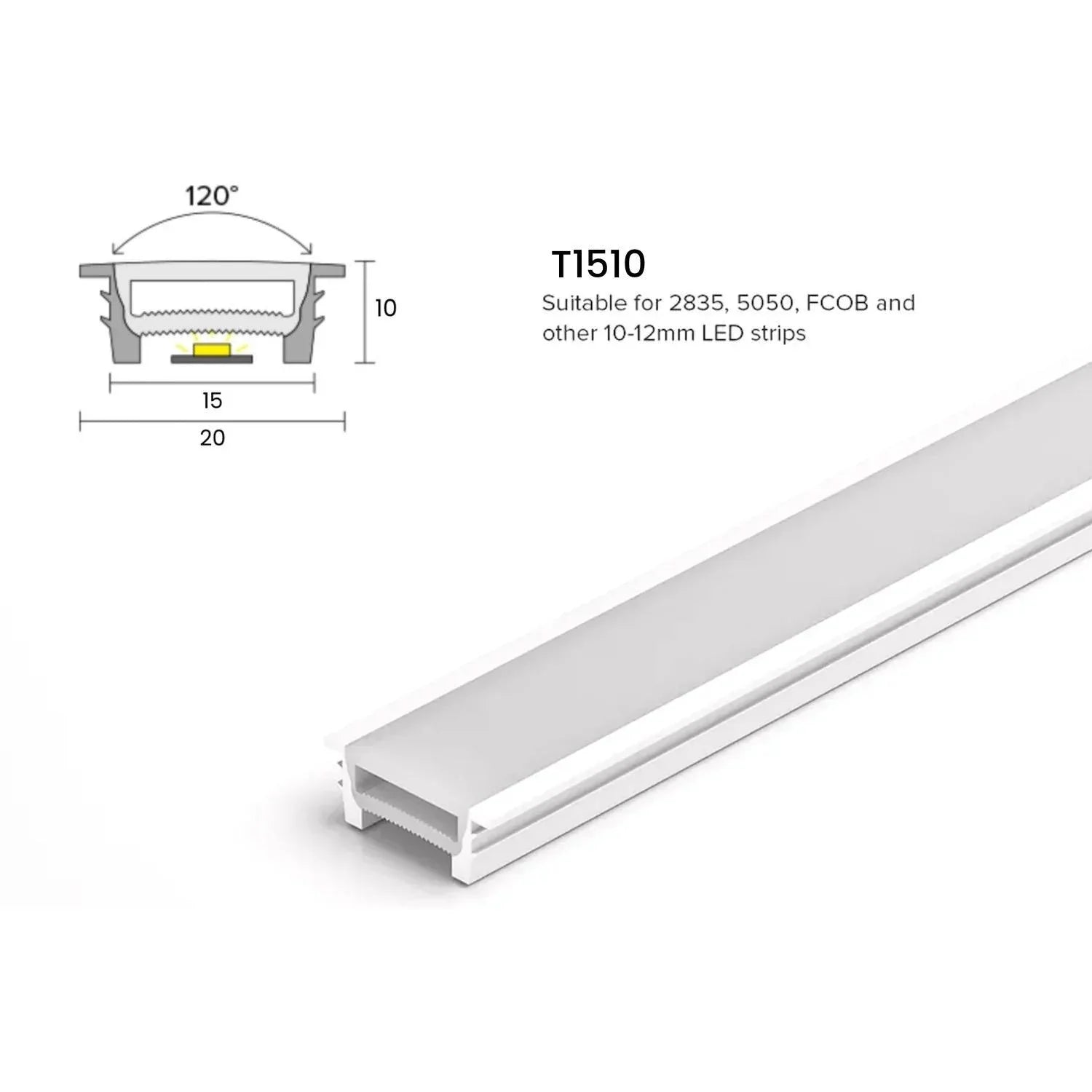
LED Strip Silicone Neon Flex Profile Cover Body Flexible Bendable 15x10mm
LED Strip Silicone Neon Flex Profile Cover Body Flexible Bendable 15x10mm

Regular price From £7.86
Sale price From £7.86 Regular price
View Product
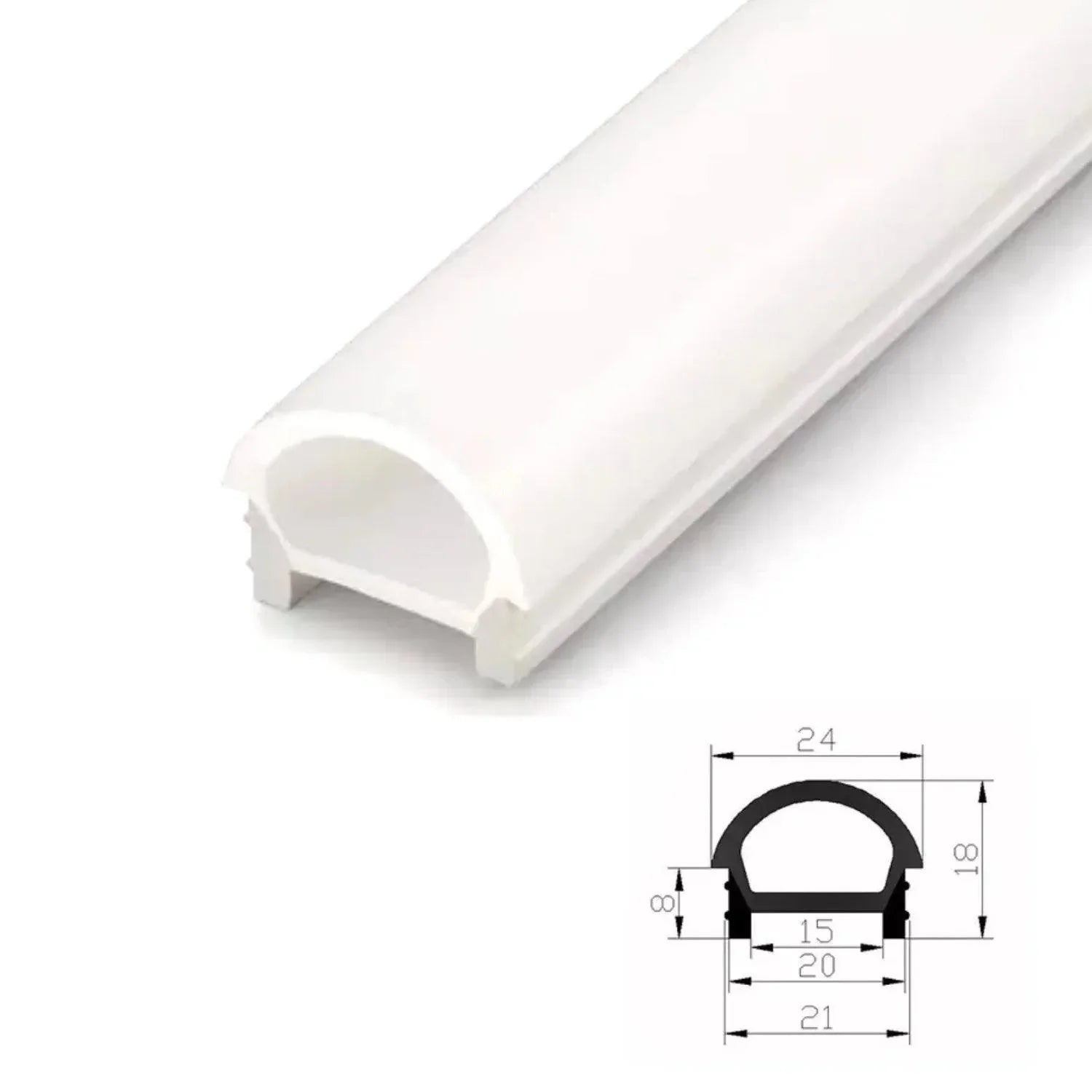
LED Neon Flex & LED Strip Silicone Cover Curve Body Flexible Bendable 15x20mm - ATOM LED
LED Neon Flex & LED Strip Silicone Cover Curve Body Flexible Bendable 15x20mm

Regular price From £7.86
Sale price From £7.86 Regular price
View Product
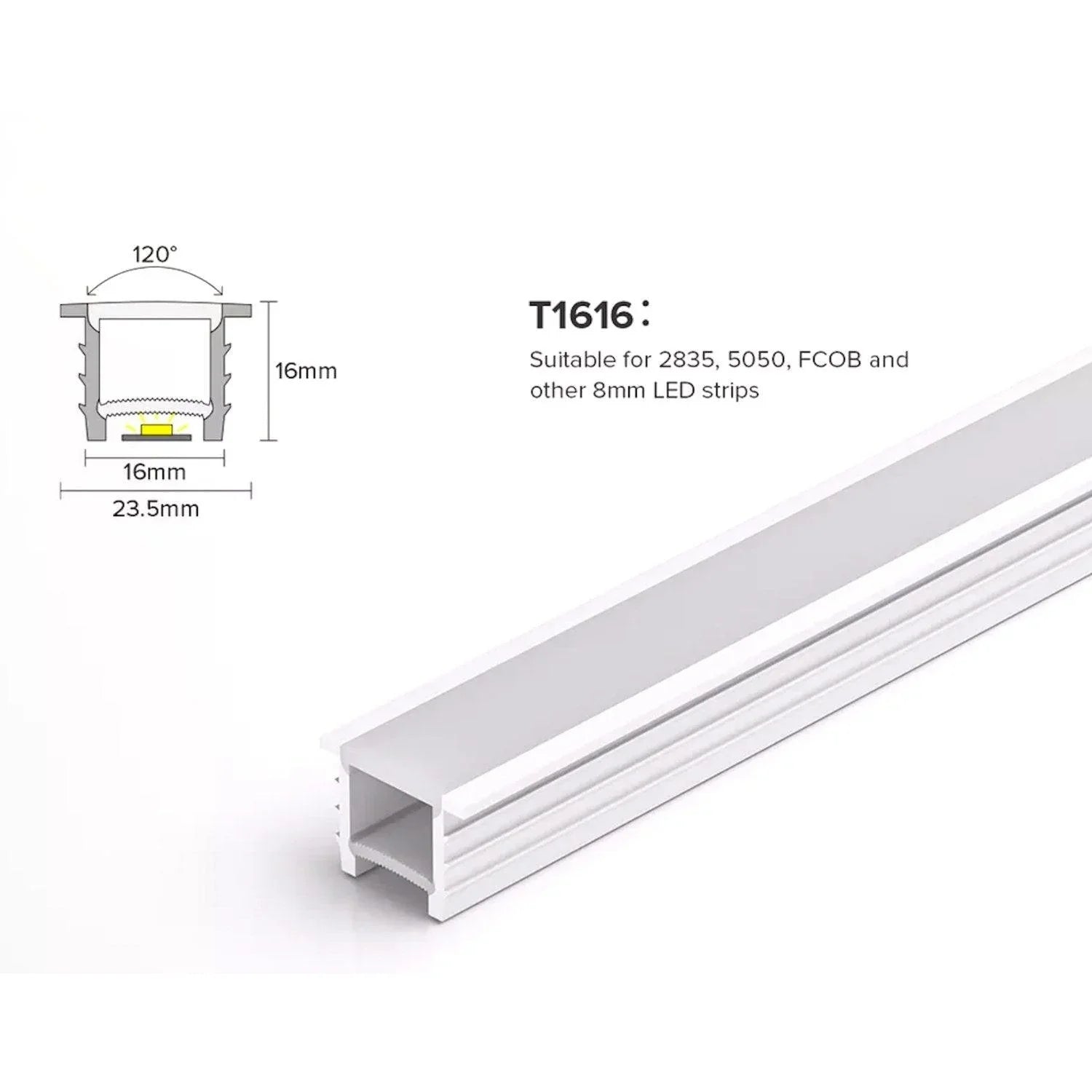
LED Neon Flex & LED Strip Silicone Cover Flexible Bendable 16x16mm - ATOM LED

LED Strip Silicone Neon Flex Profile Cover Body Flexible Bendable 16x16mm
Regular price From £7.86
Sale price From £7.86 Regular price
View Product
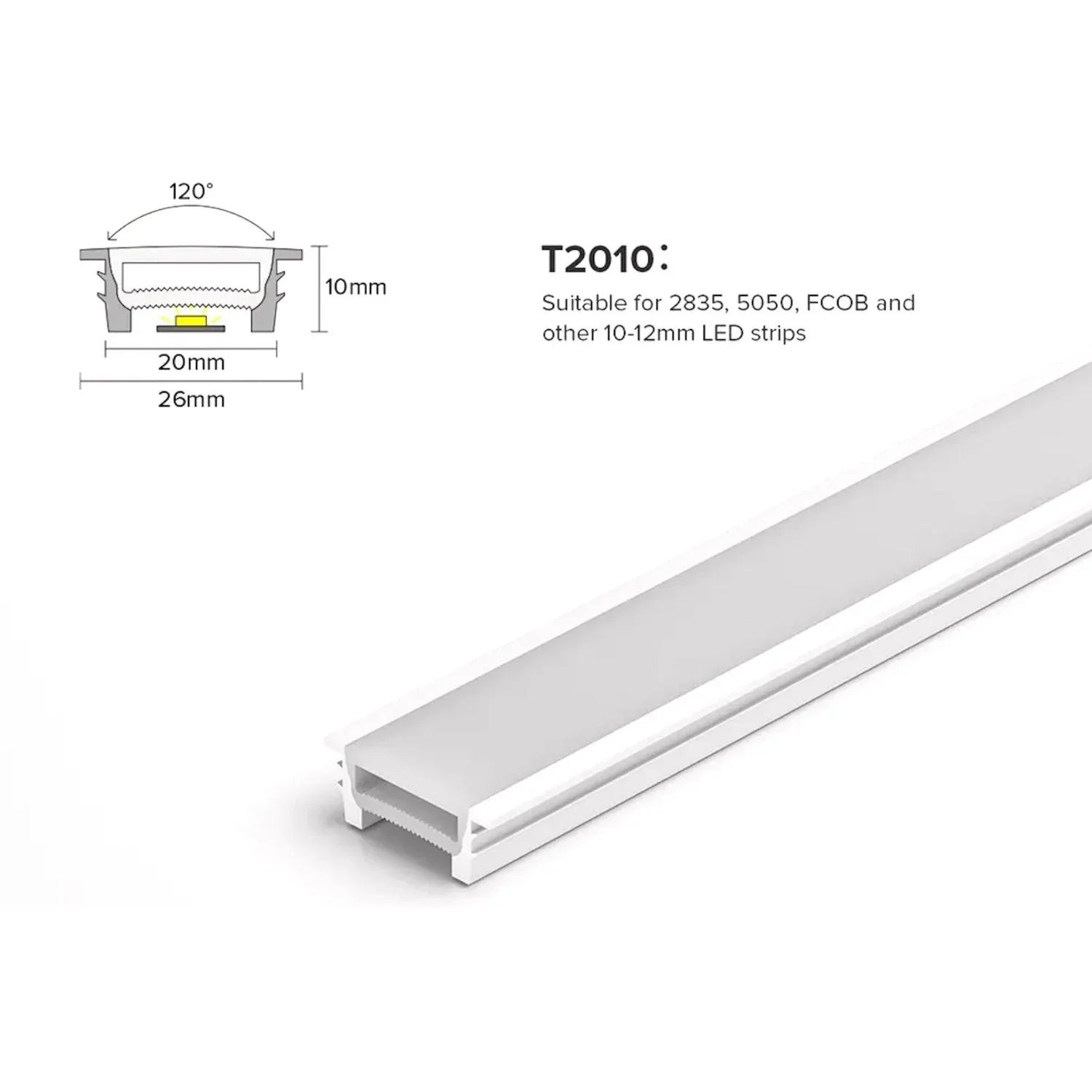
LED Neon Flex & LED Strip Silicone Cover Body Flexible Bendable 20x10mm - ATOM LED

LED Strip Silicone Neon Flex Profile Cover Body Flexible Bendable 20x10mm
Regular price From £7.86
Sale price From £7.86 Regular price
View Product
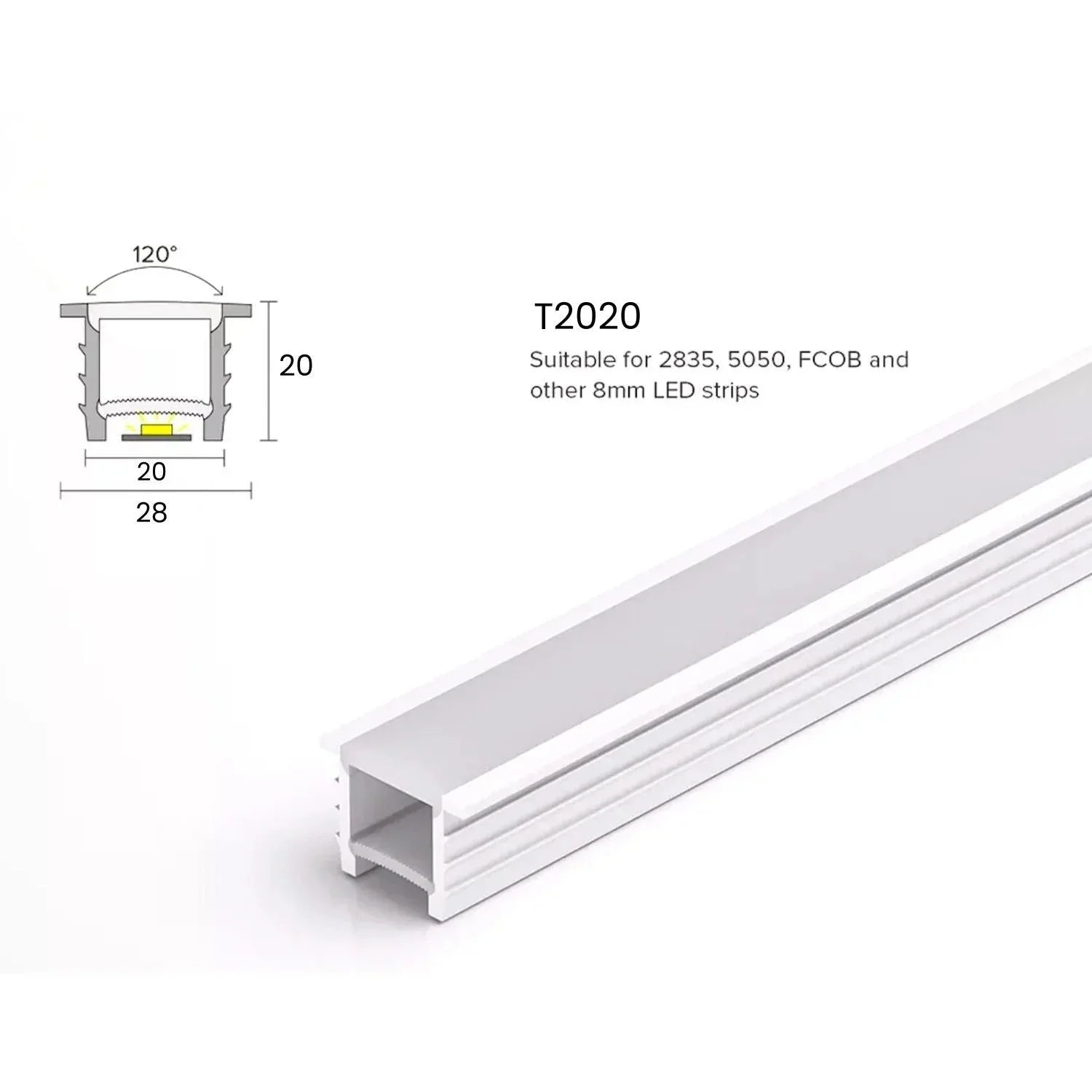
LED Strip Silicone Neon Flex Profile Cover Body Flexible Bendable 20x20mm.jpg

LED Strip Silicone Neon Flex Profile Cover Body Flexible Bendable 20x20mm
Regular price From £7.86
Sale price From £7.86 Regular price
View Product
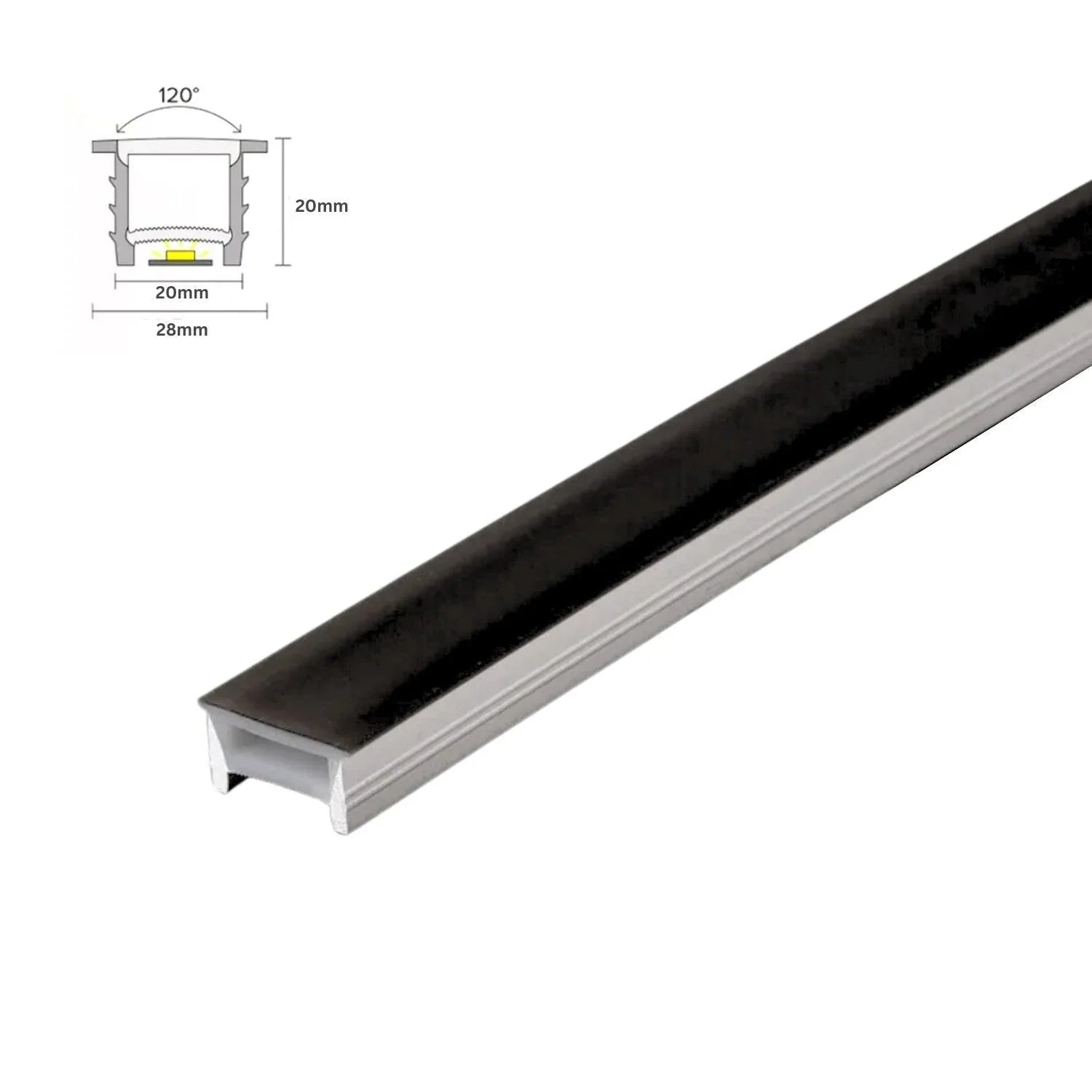
LED Strip Black Silicone Neon Flex Profile Cover Body Flexible Bendable 20x20mm

LED Strip Black Silicone Neon Flex Profile Cover Body Flexible Bendable 20x20mm
Regular price From £7.86
Sale price From £7.86 Regular price
View Product
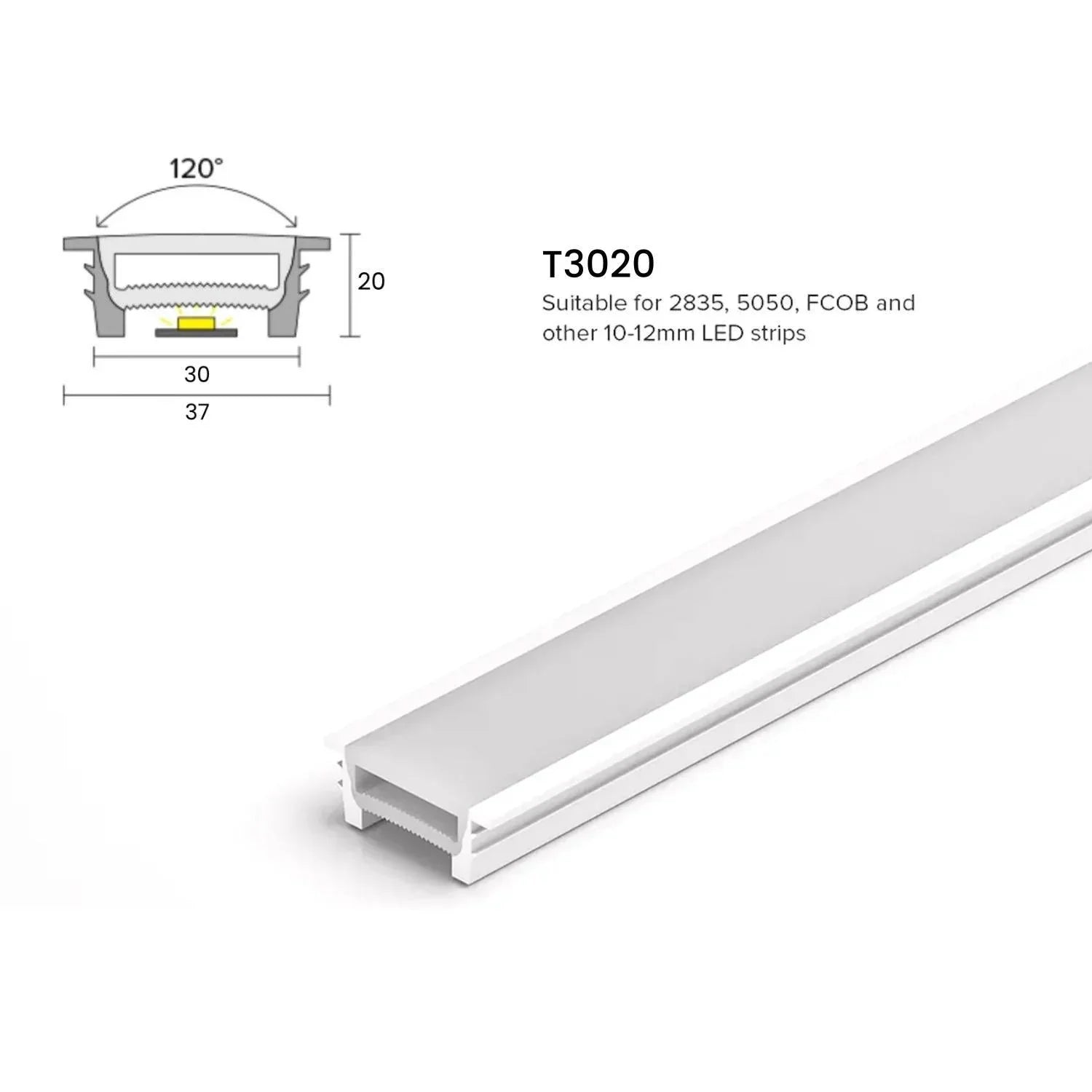
LED Strip Silicone Neon Flex Profile Cover Body Flexible Bendable

LED Neon Flex & LED Strip Silicone Cover Body Flexible Bendable 30x20mm
Regular price From £8.65
Sale price From £8.65 Regular price
View Product
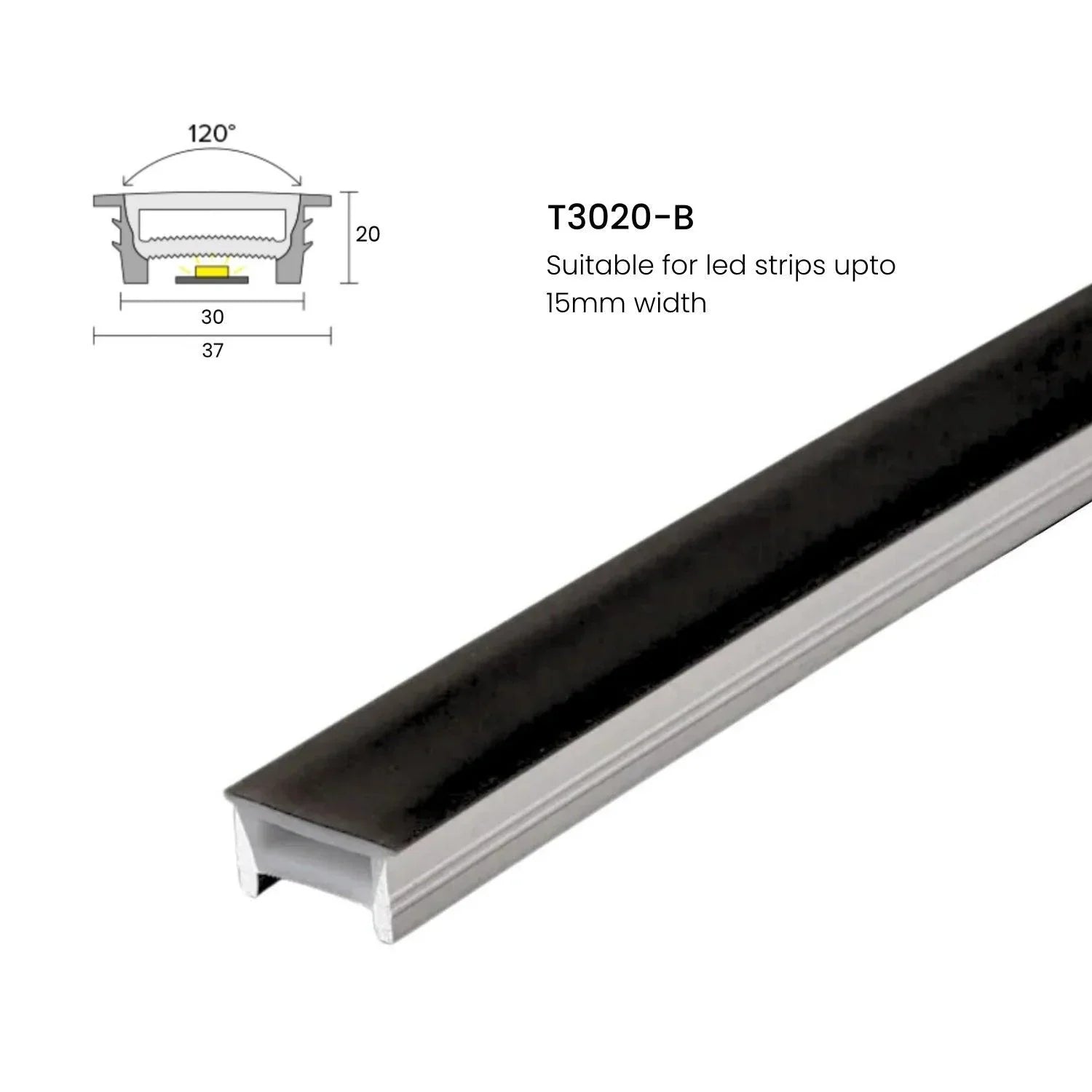
LED Strip Black Silicone Neon Flex Profile Cover Body Flexible Bendable

LED Strip Black Silicone Neon Flex Profile Cover Body Flexible Bendable 30x20mm
Regular price From £8.65
Sale price From £8.65 Regular price
View Product
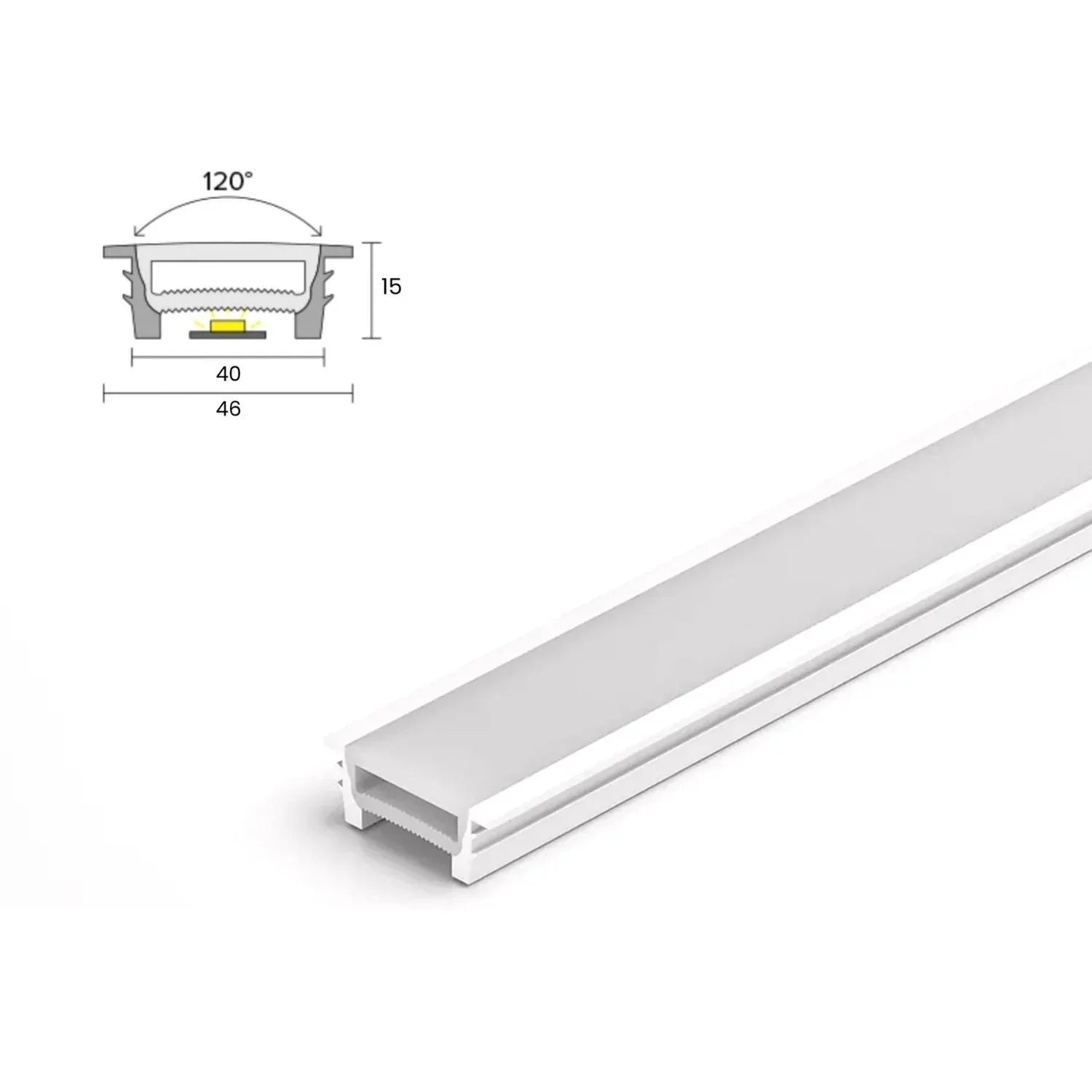
LED Strip Silicone Neon Flex Profile Cover Body Flexible Bendable 40x15mm
LED Strip Silicone Neon Flex Profile Cover Body Flexible Bendable 40x15mm

Regular price From £9.04
Sale price From £9.04 Regular price
View Product
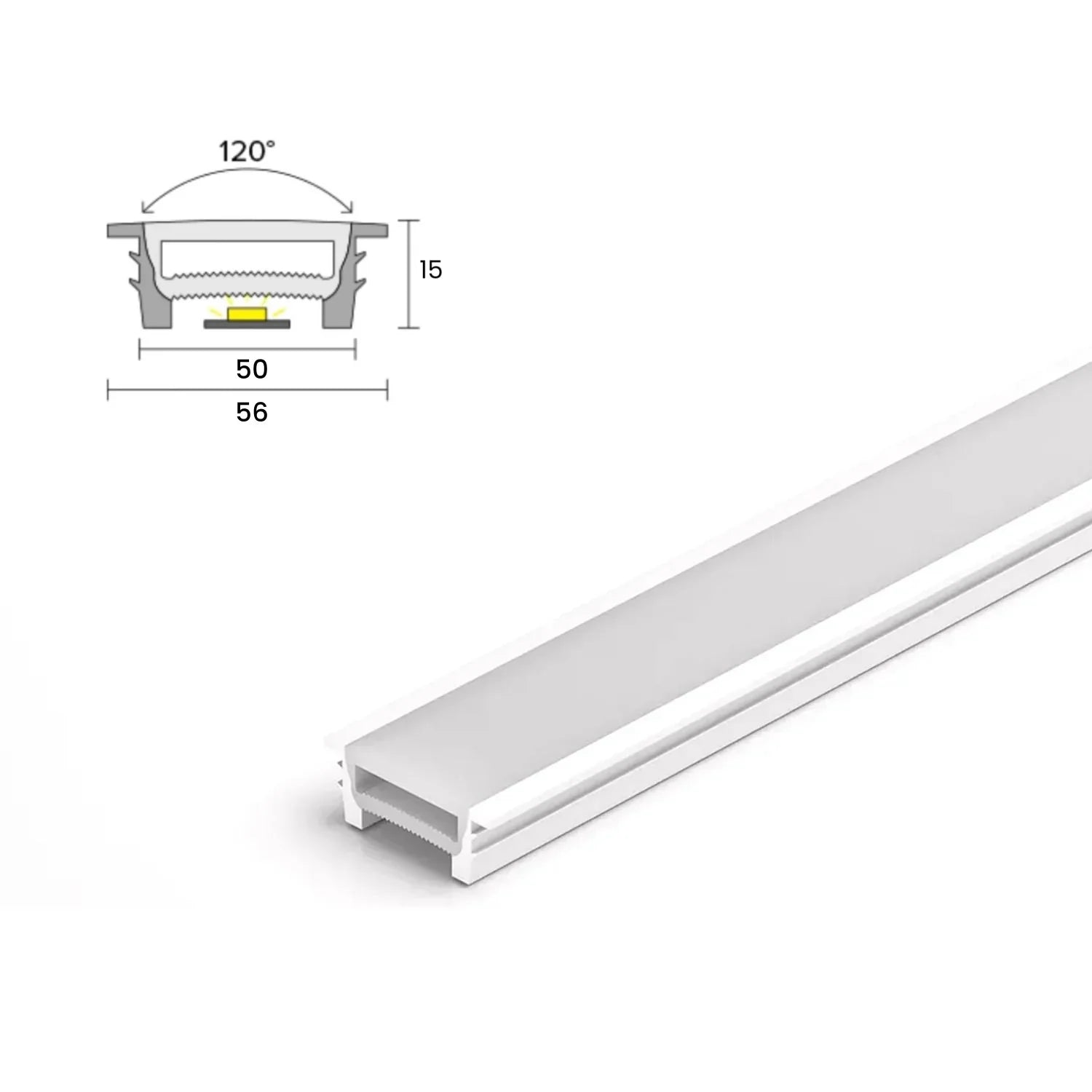
LED Strip Silicone Neon Flex Profile Cover Body Flexible Bendable 50x15mm
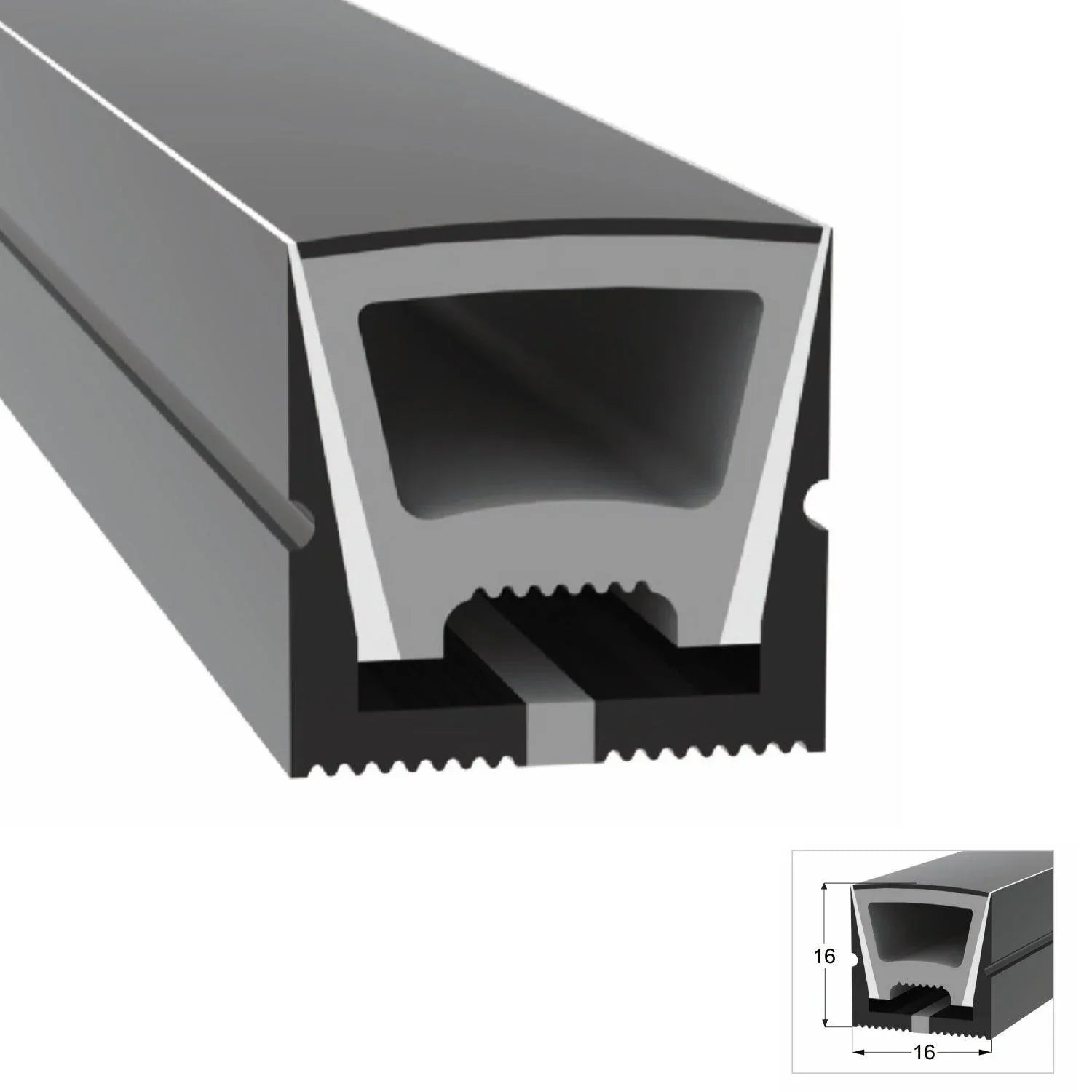
LED Strip Silicone Neon Flex Profile Cover Body Flexible Bendable 50x15mm

  • Silicone Cover
  • (W)50mm x (D)15mm
  • Full Width 56mm
  • LED Strip 20mm
  • Surface & Recessed
  • 3 Year Warranty
Regular price From £9.40
Sale price From £9.40 Regular price
View Product
Black Silicone LED Neon Flex Tube Diffuser Body for LED Strip Light 16x16mm - ATOM LED
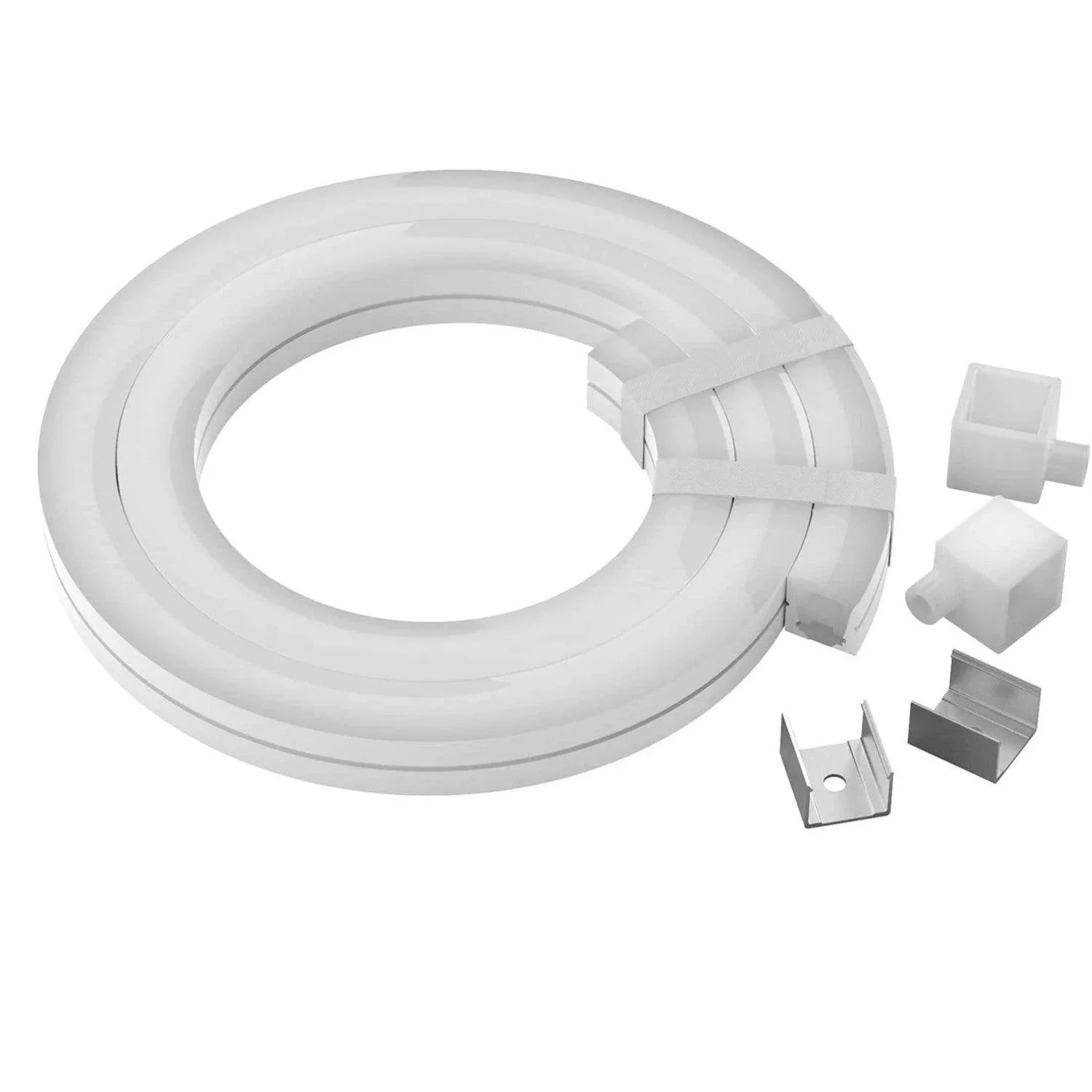
Black Silicone LED Neon Flex Tube Diffuser Body for LED Strip Light 16x16mm

Regular price From £9.95
Sale price From £9.95 Regular price
View Product
Silicone LED Neon Flex Diffuser Body for LED Strip 16x16mm - ATOM LED
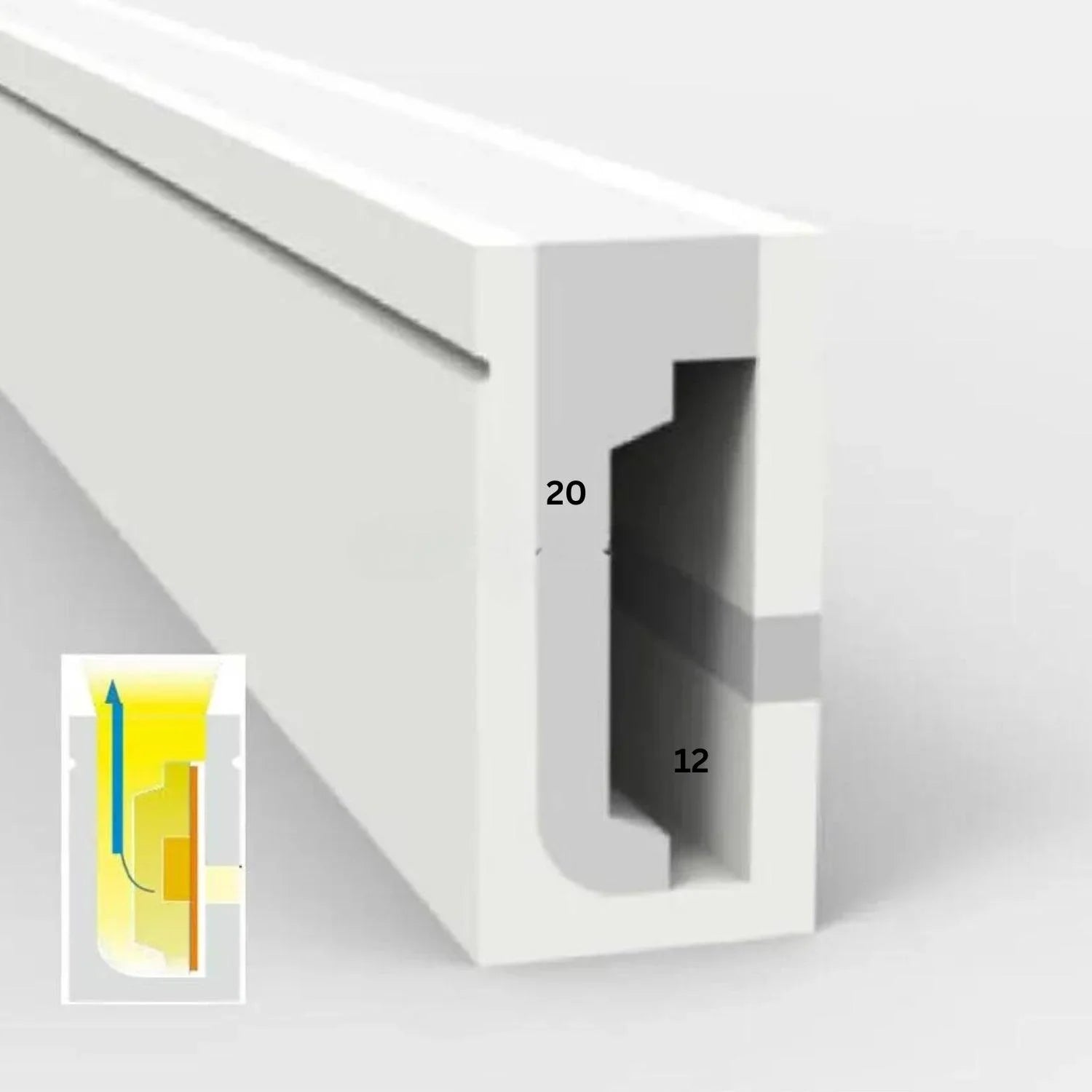
Silicone LED Neon Flex Diffuser Body for LED Strip 16x16mm

  • Silicone Body Cover
  • 16x16mm
  • Flat Shape
  • Indoor & Outdoor Use
  • Strip needed (10mm max)
  • No Strip
Regular price From £9.35
Sale price From £9.35 Regular price £9.95
View Product
Silicone LED Neon Flex Diffuser Body for LED Strip 12x20mm - ATOM LED
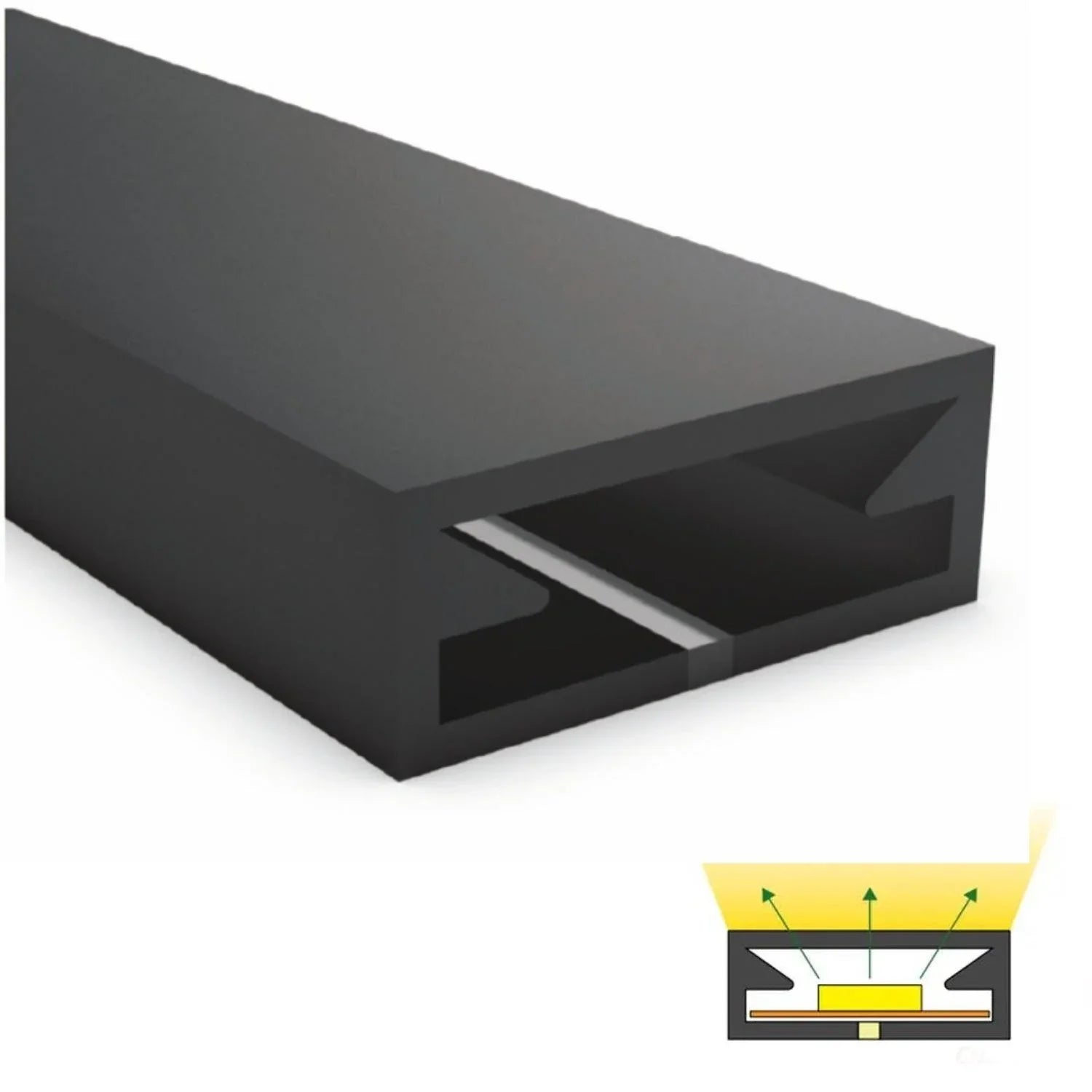
Silicone LED Neon Flex Diffuser Body for LED Strip 12x20mm

Regular price From £9.35
Sale price From £9.35 Regular price £9.95
View Product
Black Silicone LED Neon Flex Tube Diffuser Body for LED Strip Light 5x13mm - ATOM LED
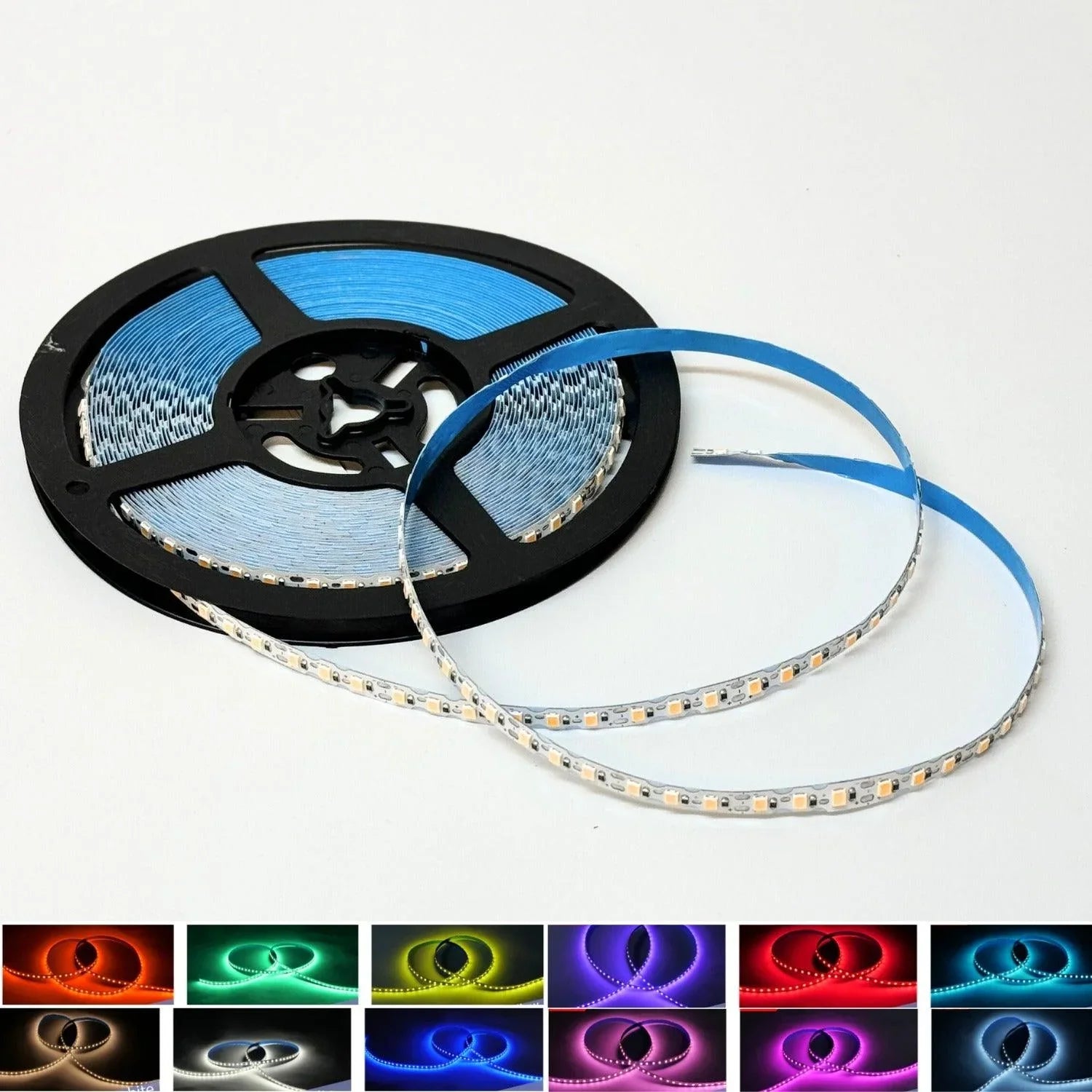
Black Silicone LED Neon Flex Tube Diffuser Body for LED Strip Light 5x13mm

Regular price From £8.86
Sale price From £8.86 Regular price £9.95
View Product
Led Strips 12V SMD2835 S Shape Bendable 120 Leds/m 6mm 5 Metre
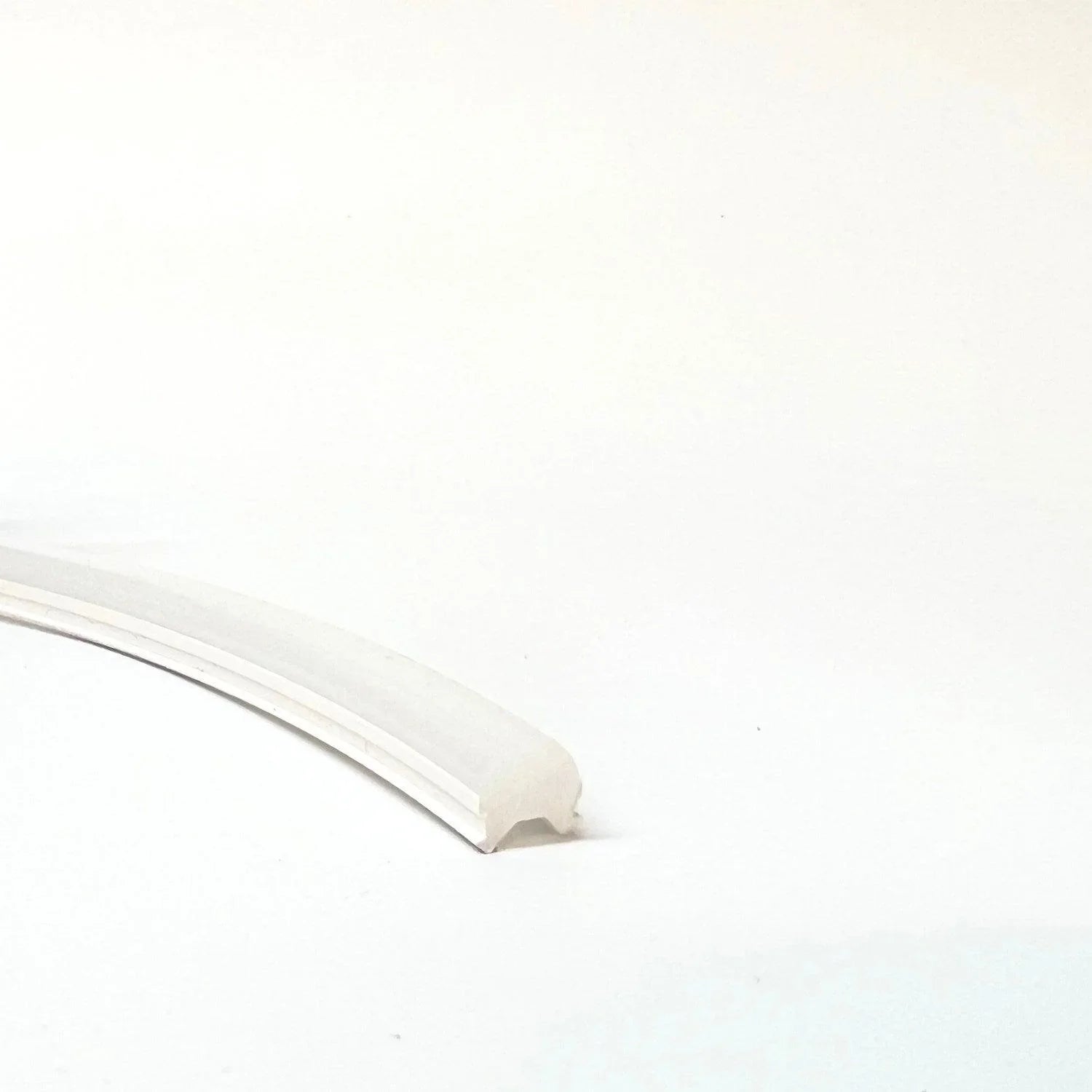
Led Strips 12V SMD2835 S Shape Bendable 120 Leds/m 6mm 5 Metre

Regular price £21.95
Sale price £21.95 Regular price
View Product
Warm White Silicone Neon Flex Tube Diffuser Body for LED Strip Lights Neon Signs 8mm - ATOM LED
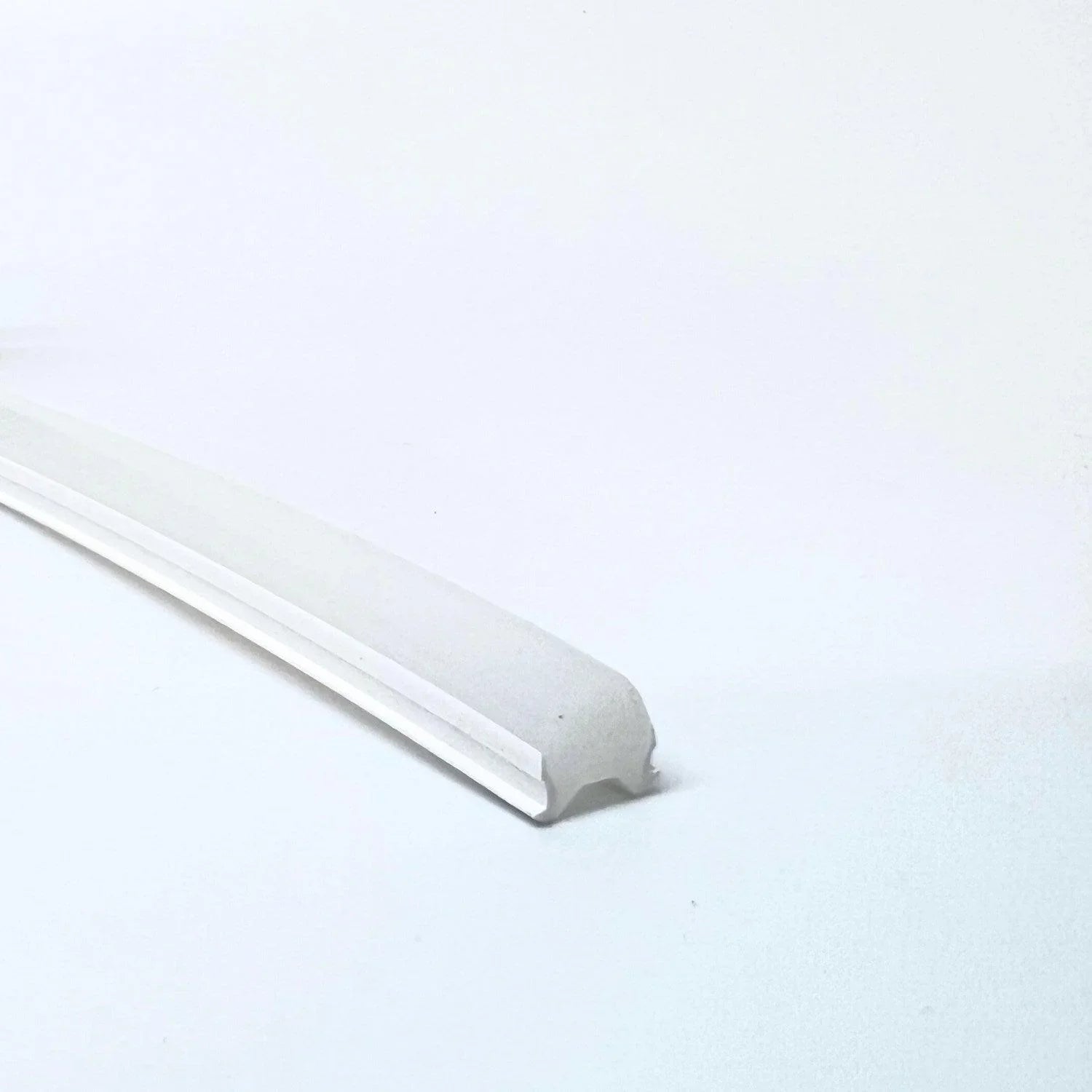
Warm White Silicone Neon Flex Tube Diffuser Body for LED Strip Lights Neon Signs 8mm
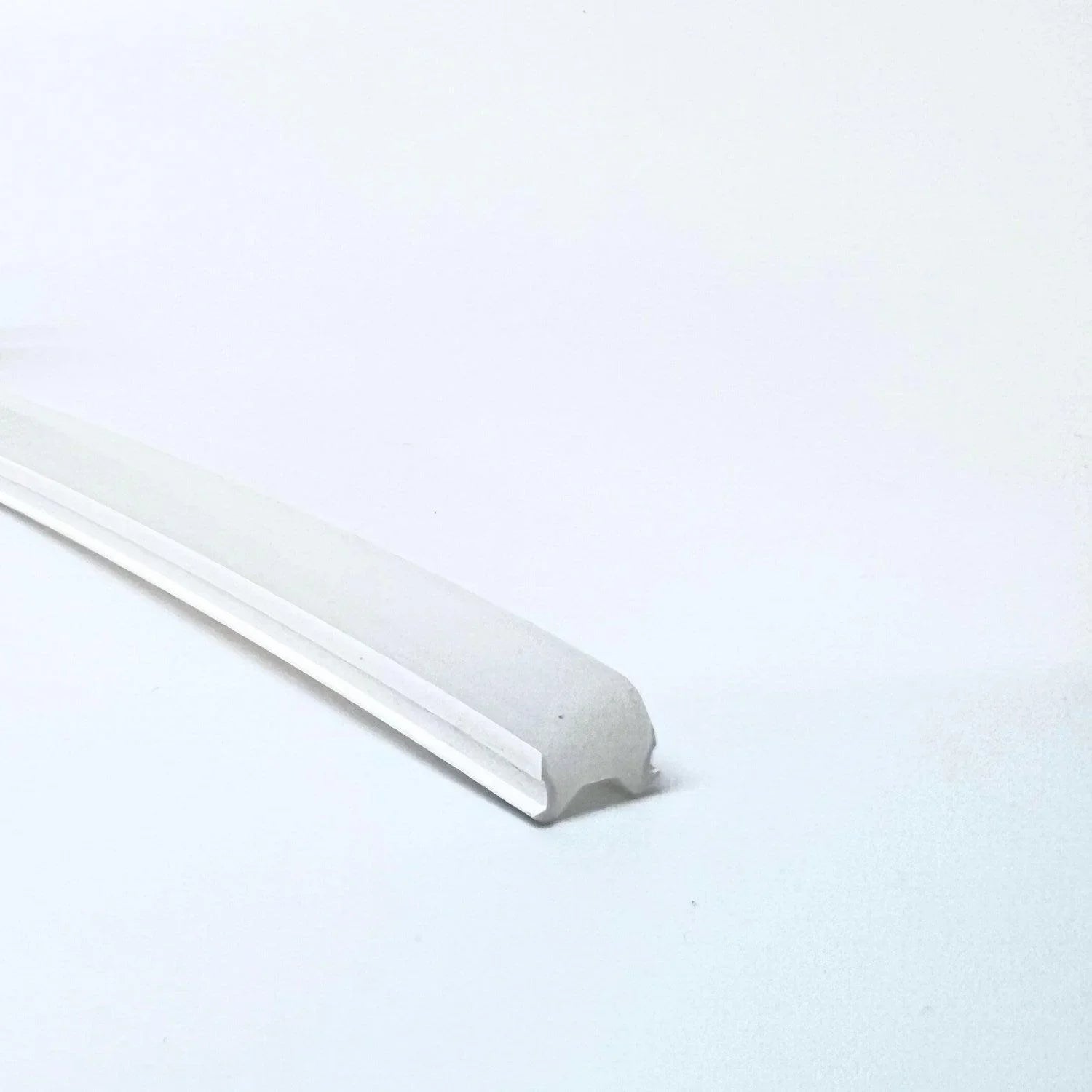
Regular price From £7.47
Sale price From £7.47 Regular price
View Product
Natural White Silicone Neon Flex Tube Diffuser Body for LED Strip Lights Neon Signs 8mm - ATOM LED
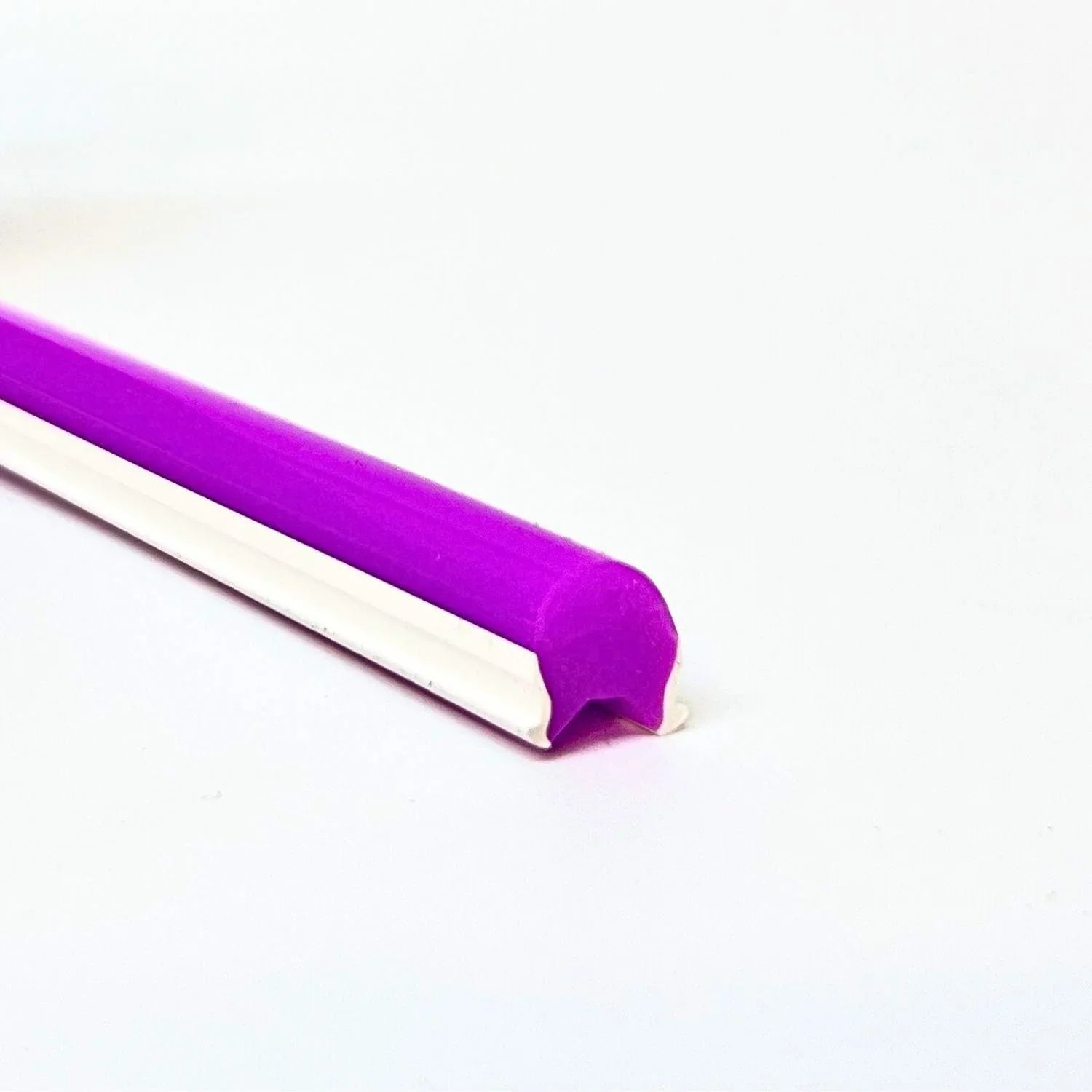
Natural White Silicone Neon Flex Tube Diffuser Body for LED Strip Lights Neon Signs 8mm
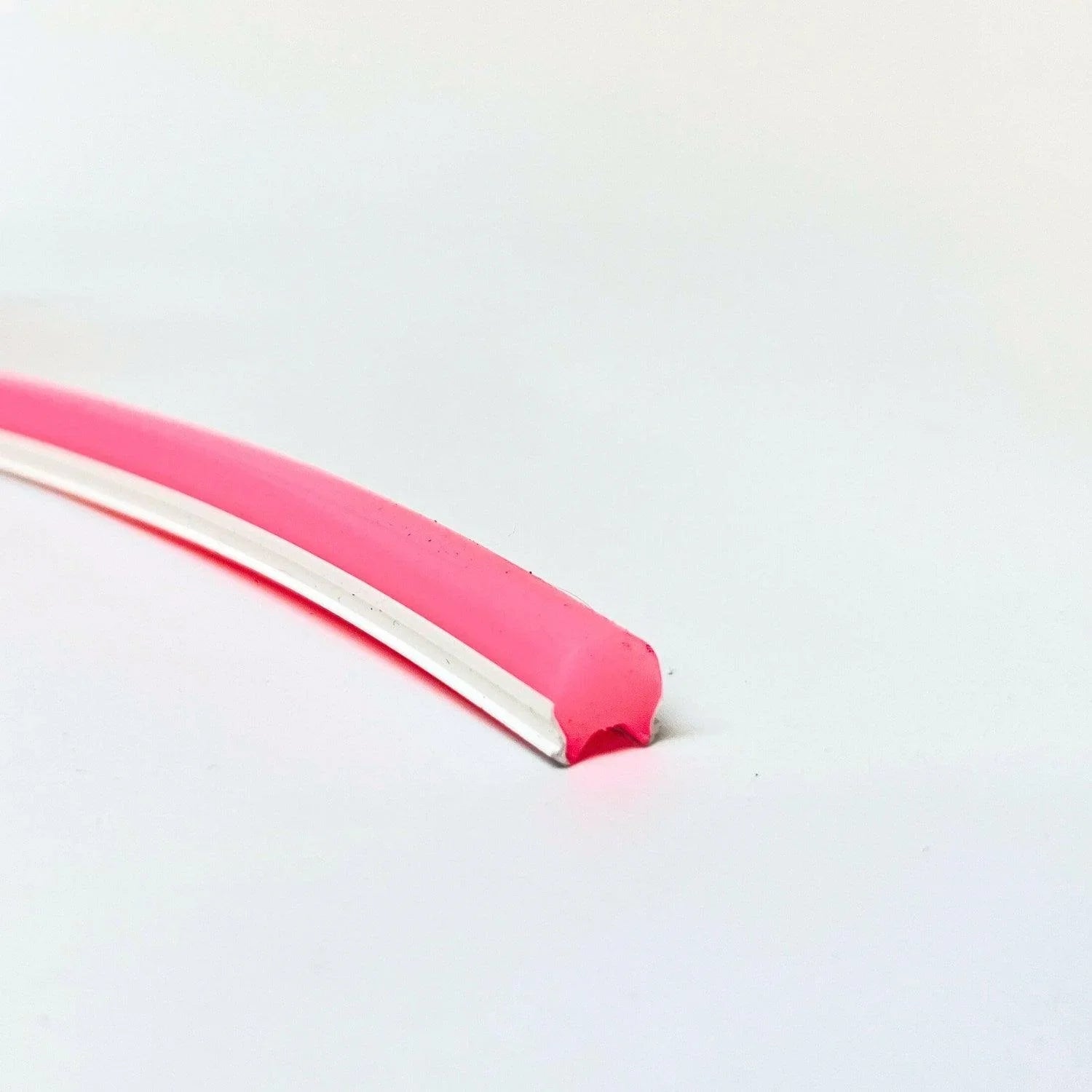
Regular price From £7.47
Sale price From £7.47 Regular price
View Product
Cool White Silicone Neon Flex Tube Diffuser Body for LED Strip Lights Neon Signs 8mm - ATOM LED
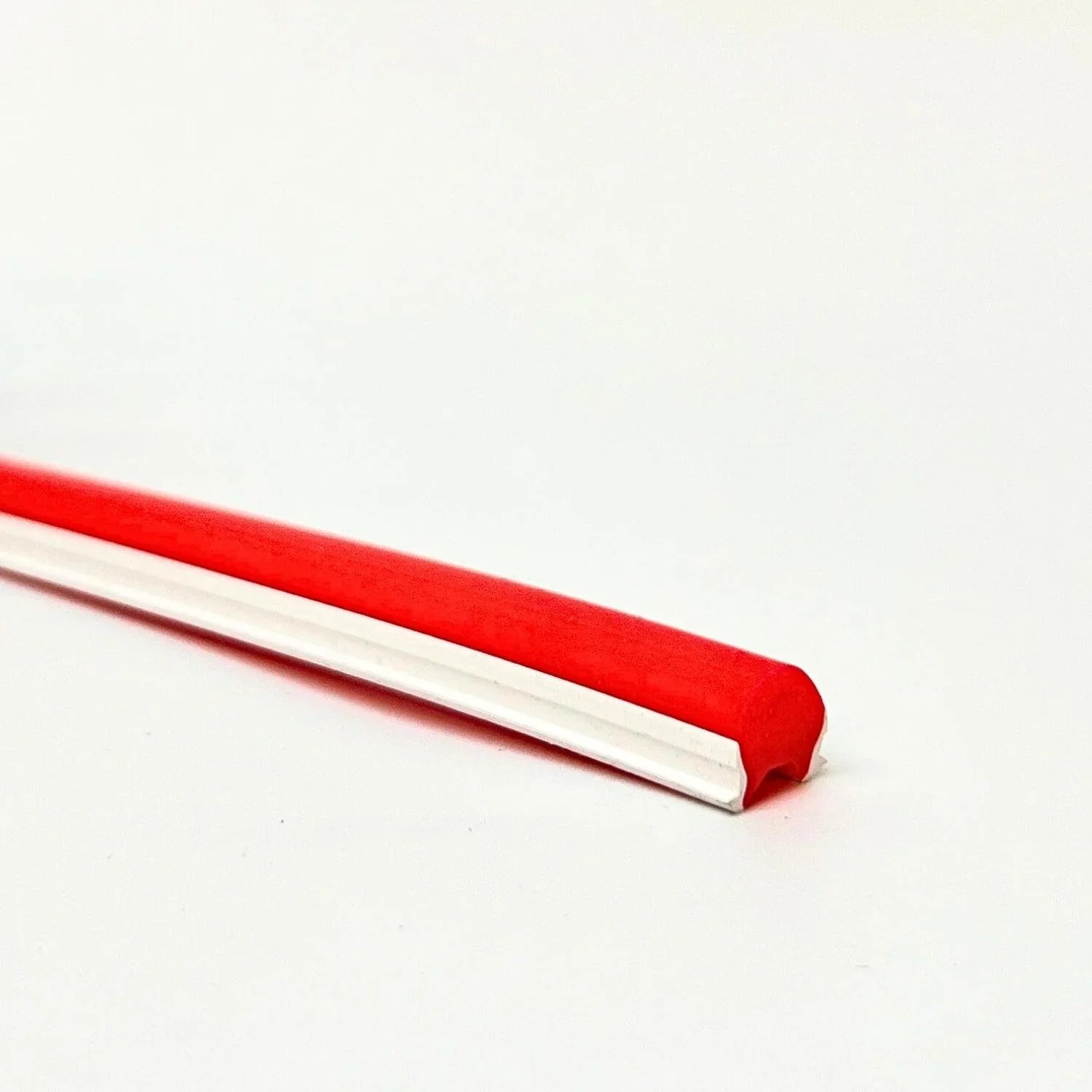
Cool White Silicone Neon Flex Tube Diffuser Body for LED Strip Lights Neon Signs 8mm
Regular price From £7.47
Sale price From £7.47 Regular price
View Product
Purple Silicone Neon Flex Tube Diffuser Body for LED Strip Lights Neon Signs 8mm - ATOM LED
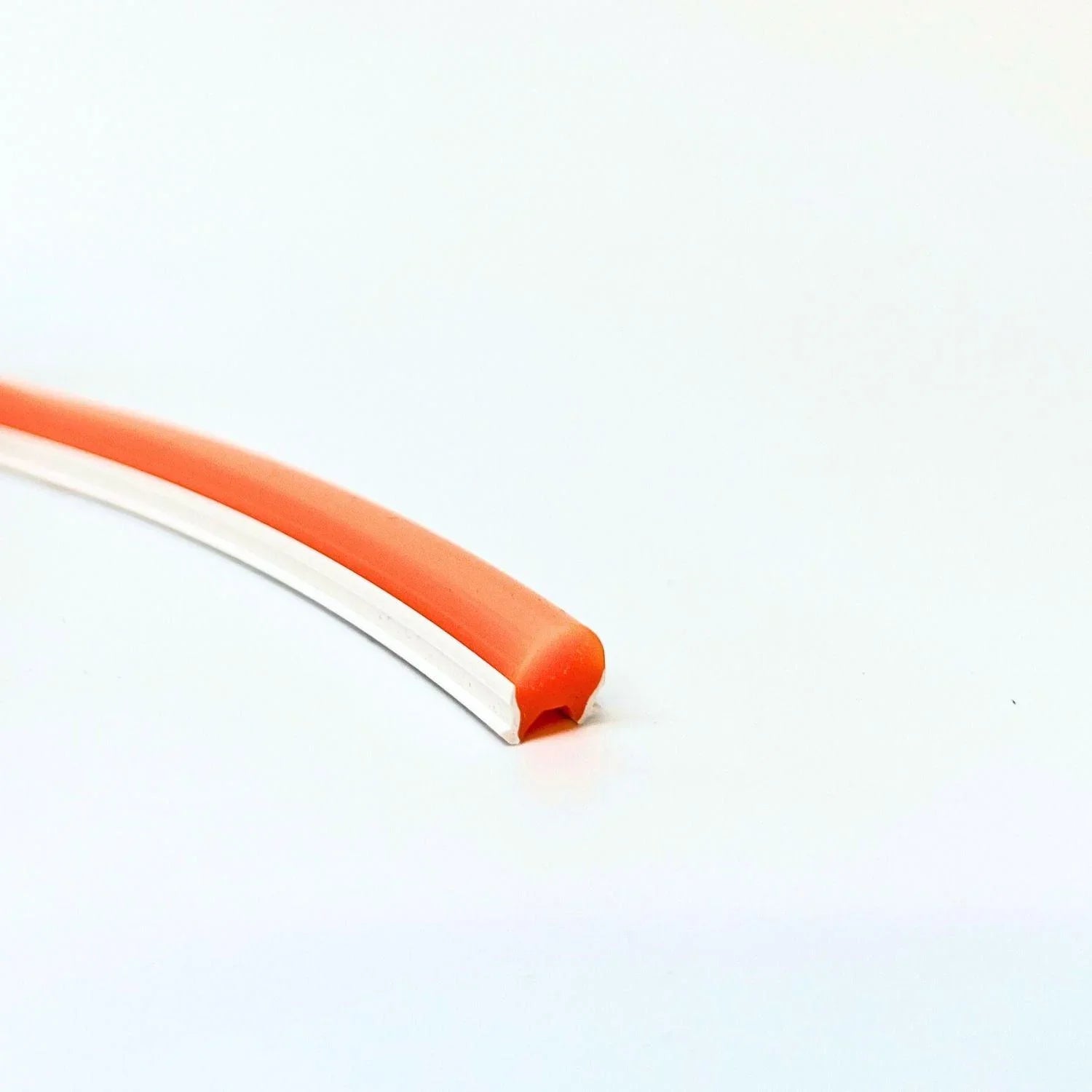
Purple Silicone Neon Flex Tube Diffuser Body for LED Strip Lights Neon Signs 8mm
Regular price From £7.47
Sale price From £7.47 Regular price
View Product
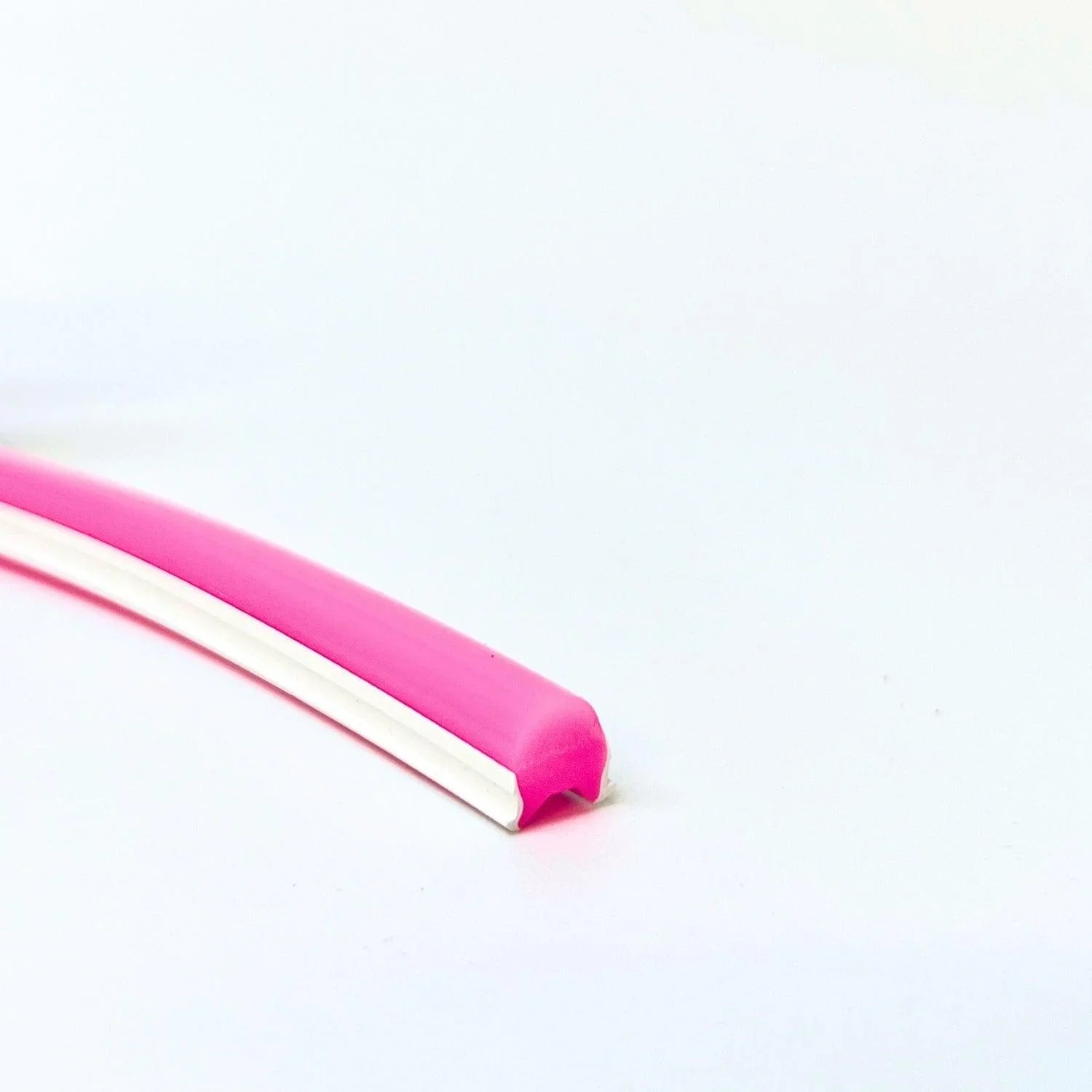
Pink Silicone Neon Flex Tube Diffuser Body for LED Strip Lights Neon Signs 8mm - ATOM LED
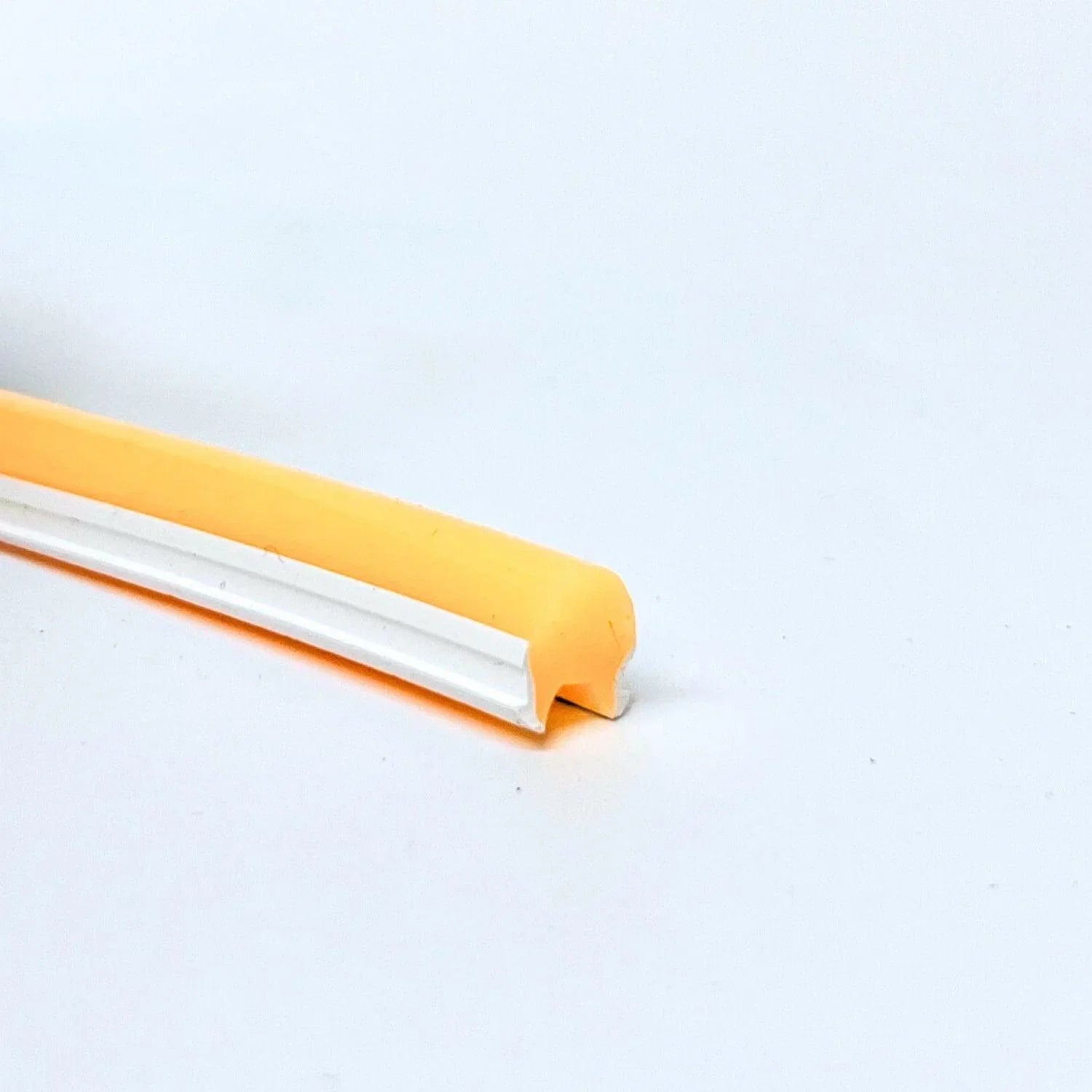
Pink Silicone Neon Flex Tube Diffuser Body for LED Strip Lights Neon Signs 8mm
Regular price From £7.47
Sale price From £7.47 Regular price
View Product
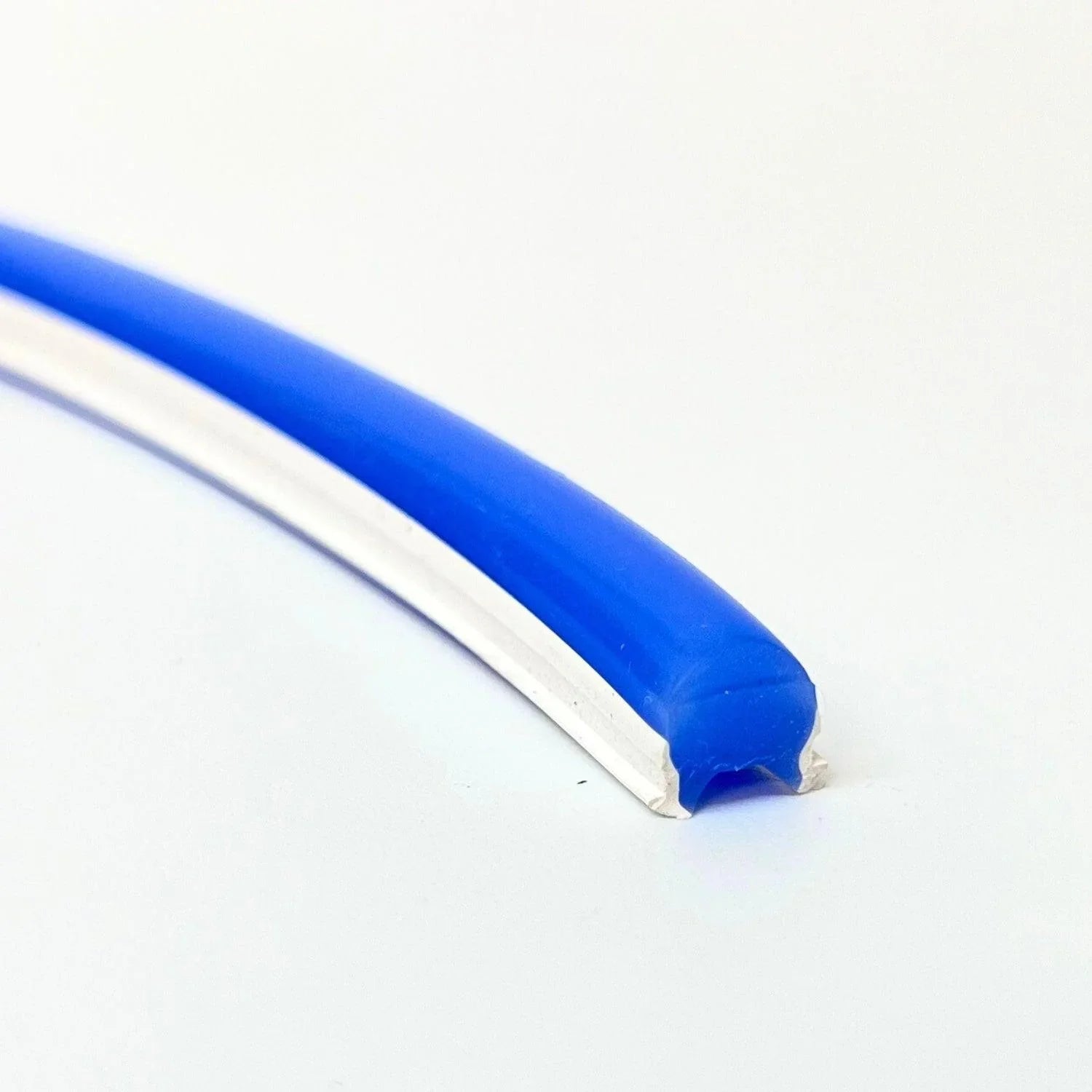
Red Silicone Neon Flex Tube Diffuser Body for LED Strip Lights Neon Signs 8mm - ATOM LED
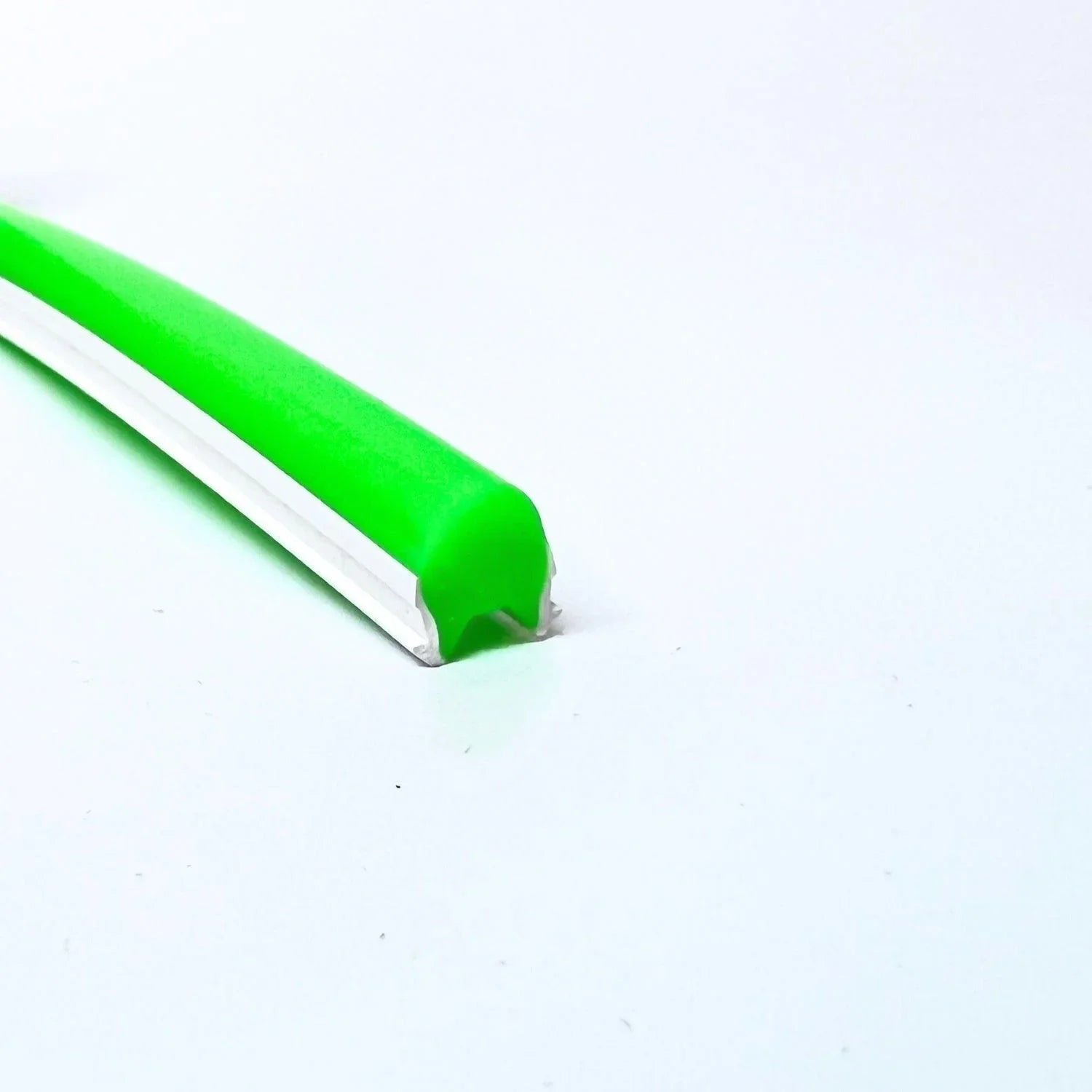
Red Silicone Neon Flex Tube Diffuser Body for LED Strip Lights Neon Signs 8mm
Regular price From £7.47
Sale price From £7.47 Regular price
View Product
Orange Silicone Neon Flex Tube Diffuser Body for LED Strip Lights Neon Signs 8mm - ATOM LED

Orange Silicone Neon Flex Tube Diffuser Body for LED Strip Lights Neon Signs 8mm

Regular price From £7.47
Sale price From £7.47 Regular price
View Product
Lemon Yellow Silicone Neon Flex Tube Diffuser Body for LED Strip Lights Neon Signs 8mm - ATOM LED

Lemon Yellow Silicone Neon Flex Tube Diffuser Body for LED Strip Lights Neon Signs 8mm

Regular price From £7.47
Sale price From £7.47 Regular price
View Product
Ice Blue Silicone Neon Flex Tube Diffuser Body for LED Strip Lights Neon Signs 8mm - ATOM LED

Ice Blue Silicone Neon Flex Tube Diffuser Body for LED Strip Lights Neon Signs 8mm

Regular price From £7.47
Sale price From £7.47 Regular price
View Product
Yellow Silicone Neon Flex Tube Diffuser Body for LED Strip Lights Neon Signs 8mm - ATOM LED

Yellow Silicone Neon Flex Tube Diffuser Body for LED Strip Lights Neon Signs 8mm

Regular price From £7.47
Sale price From £7.47 Regular price
View Product
Rose Red Silicone Neon Flex Tube Diffuser Body for LED Strip Lights Neon Signs 8mm - ATOM LED

Pink Silicone Neon Flex Tube Diffuser Body for LED Strip Lights Neon Signs 8mm

Regular price From £7.47
Sale price From £7.47 Regular price
View Product
Green Silicone Neon Flex Tube Diffuser Body for LED Strip Lights Neon Signs 8mm - ATOM LED

Green Silicone Neon Flex Tube Diffuser Body for LED Strip Lights Neon Signs 8mm

Regular price From £7.47
Sale price From £7.47 Regular price
View Product
Blue Silicone Neon Flex Tube Diffuser Body for LED Strip Lights Neon Signs 8mm - ATOM LED

Blue Silicone Neon Flex Tube Diffuser Body for LED Strip Lights Neon Signs 8mm

Regular price From £7.47
Sale price From £7.47 Regular price
View Product