

Skip to content

Orders after 3rd April ship Tuesday, 7th April due to Easter courier delays.

LED Neon Sign Making

Build custom neon signs that match any design, colour, or size — without the fragile glass, high voltage, or specialist gas-filling that traditional neon demands. Whether you are making a one-off name sign for a bedroom wall or producing short-run custom signs for clients, ATOM LED stocks every component you need: neon flex in 4x8mm, 6x12mm, and 8x16mm profiles, coloured silicone diffuser tubes, flexible LED strip, matched power supplies, and all the connectors, end caps, and mounting hardware to finish cleanly.

Two proven methods are available in 2026 for LED neon sign making — pre-formed neon flex bent directly into shapes, or the increasingly popular silicone tube method where an LED strip slides inside a separate coloured silicone cover. Both produce the signature neon glow, but each suits different project types. ATOM LED carries materials for both, with free UK delivery and technical support on 01952 370028, Monday to Friday.

24V · 12V · CRI90+ COB options · 4x8mm · 6x12mm · 8x16mm profiles · IP20 indoor · IP67 outdoor-rated · FreeCut technology · Silicone tube method supplies · Free UK delivery · 5-year warranty on COB DC voltage

  1. Which method should you use — pre-made neon flex or the silicone tube method?
  2. What neon flex profile size do you need for your sign?
  3. How do you make an LED neon sign step by step?
  4. What driver wattage and voltage does your neon sign need?
  5. How do you bend neon flex without creating dark spots?
  6. How do you solder neon flex without melting the silicone?
  7. How do you wire a multi-section neon sign correctly?
  8. What IP rating do neon signs need for indoor and outdoor use?
  9. How much does it cost to make a custom LED neon sign in 2026?
  10. Why choose ATOM LED for neon sign making supplies?

Quick decision summary

  • Making your first sign or a simple word/name: Start with pre-made single-colour neon flex in 6x12mm — it bends easily, needs no internal strip, and comes ready to power.
  • Running a sign-making business or want colour flexibility: Use the silicone tube method — buy white LED strip and separate coloured silicone tubes so you can offer any colour from the same strip stock.
  • Need tight lettering under 80mm tall: Use 4x8mm mini neon flex — it achieves the tightest bend radius in the range.
  • Outdoor or event signage: Use IP67-rated neon flex minimum — IP65 is not suitable for exposed UK weather conditions.

Who this is for

  • DIY makers and hobbyists: Building personalised signs for home decor, bedrooms, home bars, or gifts.
  • Small sign-making businesses: Producing custom neon signs for clients — weddings, restaurants, retail, offices.
  • Event planners and stylists: Creating temporary signage for weddings, parties, and corporate events.
  • Interior designers and fit-out contractors: Specifying branded or decorative neon features in commercial spaces.

Who this is NOT for

  • Buyers wanting a ready-made plug-and-play sign: This collection supplies raw materials and components — you build the sign yourself or with a sign maker.
  • Large-scale illuminated signage projects: For building-mounted channel letters or large-format signage, contact the ATOM LED technical team directly on 01952 370028 to discuss commercial solutions.

Common buying mistakes to avoid

  • Choosing neon flex that is too wide for your lettering: An 8x16mm profile cannot form letters smaller than approximately 120mm tall without kinking — use 4x8mm or 6x12mm for smaller text.
  • Undersizing the driver: A 1.5m sign using 10W/m neon flex draws 15W, but you need a driver rated for at least 20W — always add 20–30% headroom to prevent overheating and shortened driver life.
  • Using IP65 neon flex outdoors: IP65 handles surface splashes only — it is not rated for direct rain exposure under BS7671 and will fail within months in typical UK weather.
  • Series wiring across multiple sign sections: Series connections multiply voltage drop — the last section of your sign will appear noticeably dimmer than the first.

Which method should you use — pre-made neon flex or the silicone tube method?

Two methods dominate LED neon sign making in 2026. Pre-made neon flex is a single unit with LEDs already sealed inside silicone tubing — you bend it, cut it at marked points, and wire it directly. The silicone tube method uses a separate LED strip that slides inside a coloured silicone cover, giving you independent control over strip specification and tube colour. Each method suits different project types, budgets, and skill levels.

Pre-made neon flex is the faster option for single-colour signs. You are working with one component rather than two, so there is less assembly time and fewer solder joints. The trade-off is colour commitment — once you buy warm white neon flex, that run is warm white permanently. If a client changes their mind on colour after you have cut and bent the flex, you start again with new material.

The silicone tube method has become the preferred approach for professional sign makers across the UK since 2024. The reason is simple economics: you hold one stock of high-quality white LED strip and buy silicone tubes in whatever colours your current projects require. A single 5m reel of COB LED strip can serve any colour sign simply by changing the tube. For businesses producing multiple signs per week, this cuts material costs by approximately 30–40% compared to stocking every colour of pre-made neon flex.

Feature Pre-Made Neon Flex Silicone Tube Method
Assembly time (simple word sign) 1–2 hours 2–3 hours
Colour flexibility Fixed at purchase Change tube colour any time
Cost per metre (typical 2026 UK pricing) £4–£8/m £3–£6/m (strip + tube combined)
Best for One-off signs, beginners, single-colour projects Multi-colour work, sign businesses, repeat production
Strip quality control Sealed — cannot inspect or replace strip Full control — choose CRI, wattage, voltage
Minimum skill level Beginner — cut, bend, solder ends Intermediate — strip insertion, alignment, soldering
IP rating options IP20 to IP67 depending on product Depends on tube rating — typically IP67 silicone
Dot visibility Varies by LED density COB strip inside tube = zero visible dots

One practical advantage of the silicone tube method that rarely gets mentioned: if an LED section fails two years into the sign's life, you can slide the strip out and replace just that section. With sealed neon flex, the entire run must be replaced. For commercial clients who expect signs to last 5+ years, this repairability argument often closes the sale.


What neon flex profile size do you need for your sign?

Profile size determines the smallest letter your sign can produce and the visual weight of each line. A 4x8mm profile bends to approximately a 15mm radius and forms letters as small as 50mm tall. A 6x12mm profile — the most popular for sign making in 2026 — achieves approximately a 25mm bend radius and suits letters from 80mm upward. The 8x16mm profile produces bolder lines but needs letters of at least 120mm height to avoid kinking at corners.

The relationship between profile width and minimum bend radius is the single most important technical factor in neon sign design. Every sign maker learns this through failed bends eventually — but you can skip that expense by matching your letter size to the correct profile from the start.

Profile Size Approximate Min. Bend Radius Smallest Practical Letter Height Visual Line Weight Best Application
4x8mm ~15mm ~50mm Fine, delicate Small text, intricate logos, detailed cursive
6x12mm ~25mm ~80mm Medium, balanced Most sign work — names, words, simple graphics
8x16mm ~40mm ~120mm Bold, high-impact Large signs, shop fronts, event signage

A common mistake is choosing the largest profile for maximum brightness. Larger profiles are brighter, but the bend radius restriction means your design options shrink significantly. For signs viewed from more than 3 metres away — such as above a bar or across a restaurant — 6x12mm provides plenty of visual impact without limiting your typography. Reserve 8x16mm for signs viewed from 5 metres or more, or where bold graphic shapes matter more than detailed lettering.

  • 4x8mm is ideal for: Handwriting-style scripts, small logos under 300mm wide, and detailed designs where curves tighter than 20mm appear frequently.
  • 6x12mm covers 80% of sign projects: Names, quotes, business logos, wedding signs — virtually any design with letters 80mm or taller.
  • 8x16mm delivers maximum glow: Use for large-format signs, single words in bold capitals, or when the sign needs to compete with ambient lighting in a bright commercial space.

If your design includes a mix of large and small lettering — a common request for signs that combine a name in large text with a tagline underneath — you can mix profiles on the same backboard. Run 8x16mm for the headline and 4x8mm or 6x12mm for the smaller line. Use separate driver feeds for each section to keep wiring clean and ensure consistent brightness across both.


How do you make an LED neon sign step by step?

Making an LED neon sign involves seven core steps: designing and sizing the layout, cutting acrylic and drilling wire routing holes, measuring and cutting neon flex or silicone tube to length, bending the flex into letter shapes, soldering wire connections between sections, mounting everything to the backboard with adhesive, and testing the complete circuit before final installation. A simple word sign takes 2–4 hours for a first-time maker.

  1. Design your layout at full scale: Print or draw your design at 1:1 scale on paper. Tape the paper to your acrylic backboard as a template. Mark every bend point, every section start/end, and every point where wire needs to pass through to the back. For cursive or connected lettering, trace the path with string first — this gives you an accurate total length measurement. Add 10% to your measured length for cutting tolerance.
  2. Prepare the acrylic backboard: Use 5mm clear or opal acrylic as standard. Drill 4–5mm holes at every point where a neon flex section starts or ends — this is where the wire routes through to the back. Space holes approximately 8–10mm from the neon flex path so the drill entry is hidden behind the profile. Sand each hole lightly to remove sharp edges that could nick wire insulation. Clean the entire surface with isopropyl alcohol before mounting anything.
  3. Cut the neon flex or silicone tube to length: Cut only at manufacturer-marked cut points — cutting between marks kills the LEDs in that segment. Use sharp scissors or a tube cutter, never a craft knife which crushes the silicone and creates an uneven end. If using the silicone tube method, cut both the LED strip and the silicone tube to matching lengths, allowing 15mm extra tube at each end for end caps.
  4. Bend the neon flex into your letter shapes: Work in sections, following your paper template underneath. For curves, bend gradually — never force a sharp angle. If you feel resistance, you are below the minimum bend radius for that profile. Use a hairdryer on low heat for 10–15 seconds to soften the silicone slightly before tight curves (this is the method professional sign makers use daily). Hold each bend in position for 5 seconds until the silicone retains the shape.
  5. Solder wire connections between sections: Where letters are separate (for example, the gap between two words), solder 20–22 AWG silicone-insulated wire to each section end. Keep your soldering iron between 280°C and 320°C — below 280°C the solder will not flow properly, above 320°C you risk melting the silicone sheath. Use a damp cloth wrapped around the neon flex 10mm from the solder point as a heat sink. Thread the connecting wire through the drilled holes to the back of the acrylic. Apply heat-shrink tubing over every exposed joint.
  6. Mount the neon flex to the backboard: Apply a thin bead of clear silicone adhesive or cyanoacrylate (superglue) along the back of each neon flex section and press firmly onto the acrylic. Work in 100–150mm sections to maintain alignment with your template. For signs that will be moved or transported, add small cable clips at 200mm intervals for mechanical security beyond the adhesive alone. Allow adhesive to cure for a minimum of 2 hours before handling.
  7. Wire, test, and mount: On the back of the acrylic, connect all section wires in parallel back to your LED driver. Double-check polarity on every connection — reversing polarity on LED neon flex will not damage it, but the section will not illuminate. Power up and check every section lights evenly. Fit end caps to all exposed neon flex ends. Attach standoff mounts (typically 25mm) to the back of the acrylic at each corner, then wall-mount. The standoff gap creates a soft backglow against the wall that adds depth to the sign.

What driver wattage and voltage does your neon sign need?

Calculate the total wattage of all neon flex or LED strip sections in your sign, then add 20–30% headroom. A 1.2m sign using 10W/m neon flex draws 12W — pair it with a 15W or 20W driver. For voltage, match the driver exactly to the neon flex: 12V flex requires a 12V constant voltage driver, 24V flex requires 24V. Never mix voltages, and never use a dimmable driver with RGB or RGBW neon flex — use a non-dimmable constant voltage driver with a dedicated RGB controller instead.

  • 12V systems: Common on smaller neon flex profiles (4x8mm, 6x12mm) and most pre-made neon flex sign kits — shorter maximum run lengths of approximately 5m before voltage drop becomes visible.
  • 24V systems: Available on 8x16mm and some 6x12mm profiles — supports longer single-feed runs up to approximately 10m, reducing the number of driver feeds needed on larger signs.
  • Headroom rule: A driver running at 95%+ capacity generates excess heat, shortens its lifespan, and may trip thermal protection mid-use — 20–30% headroom is the minimum safe margin for continuous-use signs.
  • Dimming: If you want the sign dimmable, use a trailing-edge dimmer with a compatible dimmable driver — leading-edge dimmers cause visible flicker on LED loads and cost approximately the same as trailing-edge alternatives (around £15 in 2026).

For signs with multiple colours using RGB neon flex, the driver must be non-dimmable constant voltage. Dimming is handled by the RGB controller — not the driver. Using a dimmable driver with RGB creates flicker, colour shift, and premature failure of both driver and controller. This is one of the most common wiring mistakes in neon sign making and accounts for a large proportion of "faulty sign" returns across the industry.

Worked example for a medium sign: a custom bar sign uses three sections of 6x12mm neon flex totalling 2.4 metres at 8W/m. Total draw = 19.2W. With 25% headroom, you need a 24V driver rated at minimum 24W. A 30W driver is the practical choice — it provides headroom, runs cool, and accommodates any future additions to the sign.


How do you bend neon flex without creating dark spots?

Dark spots appear when the LEDs inside neon flex are physically separated by a bend tighter than the product's minimum bend radius. The silicone stretches on the outside of the curve and compresses on the inside, pulling LEDs apart and creating an unlit gap. To avoid this, never bend tighter than the rated minimum radius, use a hairdryer to soften the silicone before tight curves, and choose a narrower profile if your design requires bends below 25mm radius.

  • Check the spec sheet first: Every neon flex product lists its minimum bend radius — this is the tightest curve it can achieve without LED separation, and it is measured from the inside edge of the curve, not the centre.
  • The hairdryer technique: Apply low heat from a standard hairdryer for 10–15 seconds to the section you are about to bend — the silicone softens and allows a slightly tighter radius without forcing the internal PCB. Do not use a heat gun above 120°C — this can deform the silicone permanently.
  • Bend direction matters: Neon flex is designed to bend in one direction only — either top-bend (vertical) or side-bend (horizontal). Bending in the wrong axis stresses the internal PCB board and can snap it. Check which bending direction your product supports before starting your design.
  • The corner technique for sharp angles: For 90-degree corners — such as the inside of a letter "L" or "E" — do not try to bend the flex around the corner. Instead, cut two sections and join them at the corner with a soldered wire connection behind the backboard. This produces a cleaner corner than any forced bend and eliminates the dark spot entirely.

If you are designing a sign with cursive lettering, trace the path on paper first and identify every bend point. Mark any curve tighter than your neon flex's rated minimum radius. At those points, either switch to a narrower profile for that section, or redesign the letterform slightly to open the curve. Professional sign makers adjust typefaces routinely — a 5mm wider loop on a lowercase "e" is invisible to the viewer but prevents a dark spot that would be immediately noticeable when illuminated.


How do you solder neon flex without melting the silicone?

The key is temperature control and heat management. Set your soldering iron between 280°C and 320°C — this range flows solder reliably while staying below the threshold where silicone begins to deform. Wrap a damp cloth around the neon flex approximately 10mm from your solder point to act as a heat sink. Work quickly — a good solder joint on neon flex should take no more than 2–3 seconds of iron contact. Pre-tin both the wire and the pad before bringing them together.

  • Pre-tin both surfaces: Apply a thin coat of solder to both the neon flex solder pad and the tip of your connecting wire before joining them — this halves the time the iron needs to touch the flex.
  • Use a chisel tip, not a pointed tip: A chisel tip transfers heat faster and more evenly, reducing total contact time compared to a fine point that concentrates heat.
  • The damp cloth heat sink: Fold a damp (not wet) microfibre cloth and wrap it around the neon flex body 10mm away from the solder point — this absorbs heat before it can travel along the silicone.
  • Heat-shrink every joint: After soldering, slide heat-shrink tubing over each joint and shrink it with the hairdryer — this insulates the connection, adds strain relief, and prevents the joint from pulling apart during sign assembly.
  • Lead-free solder at 1mm diameter: Use 1mm rosin-core lead-free solder — thinner wire gives you more control over the amount of solder applied and reduces the heat needed to flow it.

The most common soldering failure in neon sign making is a cold joint caused by too little heat — the solder sits on the surface without bonding to the pad. The second most common is a melted sheath caused by too much heat held too long. Both are solved by pre-tinning. When both surfaces are already tinned, you need only touch the iron to the joint for 1–2 seconds to fuse them. Practice on offcuts before soldering your actual sign — every reel of neon flex should leave you with at least one short offcut for test soldering.


How do you wire a multi-section neon sign correctly?

Wire every section of your neon sign in parallel back to the driver — never in series. Parallel wiring ensures each section receives the full driver voltage independently, producing even brightness across the entire sign. Series wiring forces current through each section sequentially, multiplying voltage drop so that the last section in the chain appears visibly dimmer than the first. For a multi-word sign, run individual positive and negative wires from each word section to a common junction on the back of the acrylic, then a single pair from that junction to the driver.

  • Parallel wiring principle: Each neon flex section connects directly to the driver's positive and negative terminals — either through individual home runs or through a common bus wire on the back of the backboard.
  • Bus wire method for larger signs: Run a single pair of thicker wire (18 AWG or 16 AWG) across the back of the acrylic as a bus bar. Tap each neon flex section into this bus pair with 20–22 AWG branch wires. This keeps wiring tidy and reduces the total wire needed.
  • Voltage drop calculation: Over a 2m wire run using 22 AWG copper at 1A draw, you lose approximately 0.2V — acceptable for most 12V or 24V signs. Over 5m at the same draw, the loss reaches approximately 0.5V, which may cause visible dimming on 12V systems. For runs longer than 3m, step up to 18 AWG wire or use 24V flex to halve the proportional voltage drop.
  • Polarity marking: Label every wire pair with tape or marker before threading through the backboard — troubleshooting a reversed-polarity section after mounting is slow and frustrating work.

For RGBW neon signs, parallel wiring is even more critical. RGBW requires four conductors (red, green, blue, white + common) routed to a dedicated RGB controller. Series wiring on four channels multiplies voltage drop four times as fast, producing obvious colour inconsistency across the sign. Always parallel, always matched wire gauges across all four channels.


What IP rating do neon signs need for indoor and outdoor use?

Indoor signs need a minimum of IP20, which protects against solid objects but not moisture. For outdoor signs in the UK — where rain, condensation, and temperature swings between approximately -5°C and 30°C are normal — IP67 is the minimum practical rating. IP65 handles surface splashes only and is not suitable for UK outdoor conditions. For signs near water features, fountains, or fully exposed rooftop positions, use IP68-rated neon flex designed for continuous submersion.

  • IP20 — indoor only: Suitable for wall signs in bedrooms, living rooms, offices, restaurants, and retail spaces where no moisture exposure occurs.
  • IP65 — indoor or fully sheltered only: Handles surface splashes from cleaning but is not rated for direct rain, condensation cycling, or high humidity — do not use for outdoor signs in the UK despite some suppliers marketing it as "outdoor suitable."
  • IP67 — standard outdoor: Rated for temporary immersion and suitable for wall-mounted signs on external walls, garden features, and most outdoor neon sign applications in typical UK weather.
  • IP68 — heavy outdoor or submersible: Use for signs in fully exposed positions, near pools or water features, or in commercial applications where sign failure is not acceptable.

The driver must match or exceed the sign's IP rating. An IP67 neon flex sign powered by an IP20 driver mounted outdoors will fail at the driver first. Mount the driver in a weatherproof enclosure or inside the building with the cable run routed through a sealed gland. For event signage that will be used outdoors occasionally, IP67 components throughout — flex, driver, connectors — avoid the need for weather assessments on the day.


How much does it cost to make a custom LED neon sign in 2026?

A DIY LED neon sign using ATOM LED components typically costs between £25 and £120 in materials, depending on size, profile, and colour. A simple one-word name sign in 6x12mm single-colour neon flex on a 400x200mm acrylic backboard costs approximately £30–£45 in materials. A larger multi-colour sign at 800x400mm using the silicone tube method costs approximately £60–£100. Comparable signs from custom neon sign companies retail for £150–£500 or more in the UK in 2026.

  • Neon flex cost: Approximately £4–£8 per metre for pre-made neon flex, or approximately £3–£6 per metre for LED strip plus silicone tube combined.
  • Acrylic backboard: 5mm clear acrylic cut to size costs approximately £8–£20 depending on dimensions — available from most UK plastics suppliers or laser-cutting services.
  • Driver: A 12V or 24V constant voltage LED driver rated for typical sign loads costs approximately £8–£18 from the ATOM LED power supply range.
  • Accessories: End caps, connectors, standoff mounts, wire, solder, and heat-shrink add approximately £5–£15 per sign from the accessories collection.
  • Total saving vs buying ready-made: DIY neon signs typically cost 50–70% less than ordering a finished custom sign from a UK sign maker — and you control every design detail.

For sign makers running a small business, the silicone tube method reduces per-sign material cost further because you hold universal LED strip stock rather than individual neon flex colours. Based on typical 2026 UK pricing, a sign maker producing 10 signs per month using the silicone tube method can reduce material costs by approximately £200–£400 compared to buying pre-made neon flex in every requested colour.


Why choose ATOM LED for neon sign making supplies?

ATOM LED is a UK-based LED specialist stocking neon flex, silicone diffuser tubes, COB LED strip, drivers, controllers, and all sign-making accessories from their warehouse in Telford, Shropshire. All orders ship with free UK delivery, and the technical team is available on 01952 370028 Monday to Friday 9am–5pm to help you specify the right materials for any sign project. Unlike dropshippers or marketplace sellers, ATOM LED holds physical UK stock and backs products with a 5-year warranty on COB DC voltage items.

  • Both methods supplied: ATOM LED stocks materials for both pre-made neon flex signs and the silicone tube method — neon flex in three profile sizes, coloured silicone diffuser tubes, and flexible LED strip including COB options with CRI90+ for colour accuracy.
  • FreeCut technology: Cut ATOM LED neon flex at any point without voiding the warranty — giving you complete freedom to match exact design lengths without waste.
  • Full electrical ecosystem: Matched drivers, controllers, dimmers, connectors, and mounting profiles — everything specified to work together, eliminating compatibility guesswork.
  • UK stock, not dropshipped: Orders dispatch from Telford — not a Far East warehouse with 3–6 week shipping.
  • Technical support: Call 01952 370028 or email operations@atomled.co.uk for help with driver sizing, wiring layouts, IP rating selection, or any sign-making question.

Ready to start your neon sign project? Browse the full neon sign making collection or call the ATOM LED team on 01952 370028 for personalised specification advice. All orders include free UK delivery.


Frequently asked questions — LED neon sign making

1. Can I cut LED neon flex to any length for sign making?

  • Yes, with ATOM LED FreeCut neon flex: FreeCut technology allows cutting at any point along the neon flex without voiding the warranty.
  • Standard neon flex from other suppliers: Can only be cut at marked intervals — cutting between marks destroys the LEDs in that segment.
  • Always use sharp scissors or a tube cutter: Avoid craft knives which crush the silicone end and create uneven terminations.

2. What tools do I need to make an LED neon sign?

  • Essential tools: Soldering iron (temperature-controlled, 280–320°C range), wire strippers, sharp scissors or tube cutter, drill with 4–5mm bit, ruler or tape measure, hairdryer.
  • Essential consumables: 20–22 AWG silicone-insulated wire, 1mm lead-free rosin-core solder, heat-shrink tubing (3mm and 5mm), isopropyl alcohol, clear silicone adhesive or cyanoacrylate.
  • Helpful extras: Multimeter for testing continuity, cable clips for mechanical security, masking tape for holding sections during assembly.

3. How long does it take to make a DIY neon sign?

  • Simple single-word sign (first attempt): Approximately 3–4 hours including design, cutting, bending, soldering, and mounting.
  • Simple single-word sign (experienced maker): Approximately 1–2 hours.
  • Multi-word or multi-colour sign: Approximately 4–8 hours depending on complexity, number of sections, and wiring requirements.
  • Factor in 2 hours curing time: Adhesive needs to set before you can safely move or mount the sign.

4. Do I need to solder, or can I use solderless connectors?

  • Soldering produces the most reliable long-term connections: Heat-shrink over a soldered joint creates a connection that will not loosen, corrode, or fail under the slight thermal cycling neon signs experience.
  • Solderless push connectors exist but are less reliable: They work for temporary event signs or prototyping, but vibration and thermal expansion can cause intermittent contact failures over months of continuous use.
  • If you cannot solder: Use quality solderless connectors and test the sign under power for 24 hours before mounting — any intermittent connection will usually show within the first day.

5. Can I make an outdoor LED neon sign?

  • Yes — use IP67-rated neon flex as minimum: IP67 is rated for temporary immersion and handles direct UK rainfall, condensation, and frost.
  • IP65 is not sufficient for outdoor use in the UK: Despite marketing claims from some suppliers, IP65 handles surface splashes only and fails under sustained rain or heavy condensation.
  • Protect the driver: Mount the driver indoors or in an IP-rated enclosure — an outdoor sign with an indoor-rated driver will fail at the driver first.
  • Use UV-stable silicone neon flex: Standard PVC-jacket neon flex yellows and cracks within 12–18 months of outdoor UV exposure — silicone maintains clarity for 5+ years.

6. What is the difference between top-bend and side-bend neon flex?

  • Top-bend (vertical flex): The flex curves up and down — designed for applications where the neon flex is viewed from the front and bends need to go upward or downward, such as wall-mounted signs.
  • Side-bend (horizontal flex): The flex curves left and right — used when the sign is viewed from above or below, or for channel letter applications.
  • Most wall-mounted neon signs use side-bend: This allows the letters to form left-right curves across the backboard while the viewer faces the front of the flex.
  • Never bend in the wrong axis: Forcing neon flex to bend perpendicular to its designed direction stresses the internal PCB and causes cracking, dark spots, or complete section failure.

7. Can I use RGB neon flex to make a colour-changing sign?

  • Yes — RGB neon flex cycles through multiple colours from a single strip: Pair it with a dedicated RGB controller, not a standard dimmer.
  • RGB cannot produce clean white: The combined RGB channels produce a cold, violet-tinged white — if you need colour changing plus a true white, use RGBW neon flex which adds a dedicated white LED channel.
  • Driver must be non-dimmable constant voltage: Dimmable drivers cause flicker and colour shift with RGB loads — use a non-dimmable driver and control brightness through the RGB controller only.

8. How do I power a neon sign from a battery pack for events?

  • Use a 12V rechargeable lithium battery pack: A standard 12V 6Ah pack will run a small sign (under 1m total neon flex at 8W/m) for approximately 6–8 hours — sufficient for most event durations.
  • Match voltage exactly: A 12V battery must pair with 12V neon flex — there is no regulation between them, so voltage mismatch will either under-power or damage the flex.
  • Battery capacity calculation: Total wattage divided by battery voltage = current draw in amps. Divide battery amp-hour rating by current draw = approximate run time in hours.

9. Why does my neon sign flicker when dimmed?

  • Most common cause — leading-edge dimmer: Leading-edge dimmers are designed for incandescent loads and create visible flicker on LED drivers — swap to a trailing-edge dimmer (approximately £15 in 2026) to resolve it.
  • Second common cause — dimmable driver with RGB: RGB and RGBW neon flex must use a non-dimmable constant voltage driver with a dedicated controller handling all dimming and colour changes.
  • Third cause — driver underload: Some dimmable LED drivers have a minimum load threshold — if the sign's total wattage is below this minimum, the driver cannot regulate output correctly and flickers at low dim levels.

10. How do I hang a neon sign on the wall?

  • Standoff mounts (25mm): The standard method — clear acrylic standoffs hold the sign 25mm from the wall, creating a soft backglow halo effect against the wall surface.
  • Flush mounts: Metal L-brackets or adhesive pads for signs that sit flat against the wall with no backglow — simpler but less visually dramatic.
  • Chain or wire suspension: For hanging signs from ceilings or beams — use rated picture wire or fine chain attached to eyelets in the acrylic top edge.
  • Weight consideration: A typical 600x300mm acrylic neon sign weighs approximately 1–2kg — standard picture hooks or wall plugs are sufficient for plasterboard or masonry.

11. Do LED neon signs use a lot of electricity?

  • Typical neon sign power consumption: A 1m single-colour neon sign at 8W/m uses approximately the same electricity as a standard LED bulb — running it 8 hours per day costs approximately £3–£5 per year at 2026 UK electricity rates.
  • Comparison with traditional glass neon: LED neon signs typically use 70–80% less electricity than equivalent glass neon signs.
  • RGB signs draw more: When all three channels are active at full brightness, RGB neon flex draws approximately 50–80% more than single-colour equivalent — factor this into driver sizing.

12. Can I make a neon sign without soldering?

  • Yes — using solderless push connectors and pre-wired neon flex: Some neon flex products come with pre-attached wire tails, eliminating the need for soldering at the strip end.
  • Limitations: Solderless connections are less durable for permanent installations — they can work loose from thermal cycling over 6–12 months of continuous use.
  • Best approach for non-solderers: Use pre-wired neon flex and solderless connectors for the sign, then have a qualified person check all connections before permanent mounting.

13. What acrylic thickness should I use for a neon sign backboard?

  • 5mm is the standard for signs up to 600mm wide: Rigid enough to prevent flexing, thin enough to drill cleanly, and light enough for standard wall fixings.
  • 8mm for signs wider than 600mm: Larger signs need thicker acrylic to prevent bowing under the weight of the neon flex and wiring — a 1m-wide sign on 5mm acrylic will develop a visible curve within weeks if mounted with only corner fixings.
  • 3mm for very small signs under 300mm: Acceptable for lightweight single-word signs, but more fragile during assembly — pre-drill all holes before mounting any flex.
  • Clear, opal, or coloured: Clear acrylic shows the backglow most dramatically. Opal (frosted) diffuses backglow for a softer effect. Black acrylic gives maximum letter contrast with no backglow.

Related Collections

Last reviewed: March 2026 — ATOM LED technical team, Telford, Shropshire. Specifications current as of 2026.

üè≠ UK LED specialist, Telford, Shropshire  ·  ‚òéÔ∏è 01952 370028  ·  üöö Free UK delivery

43 products

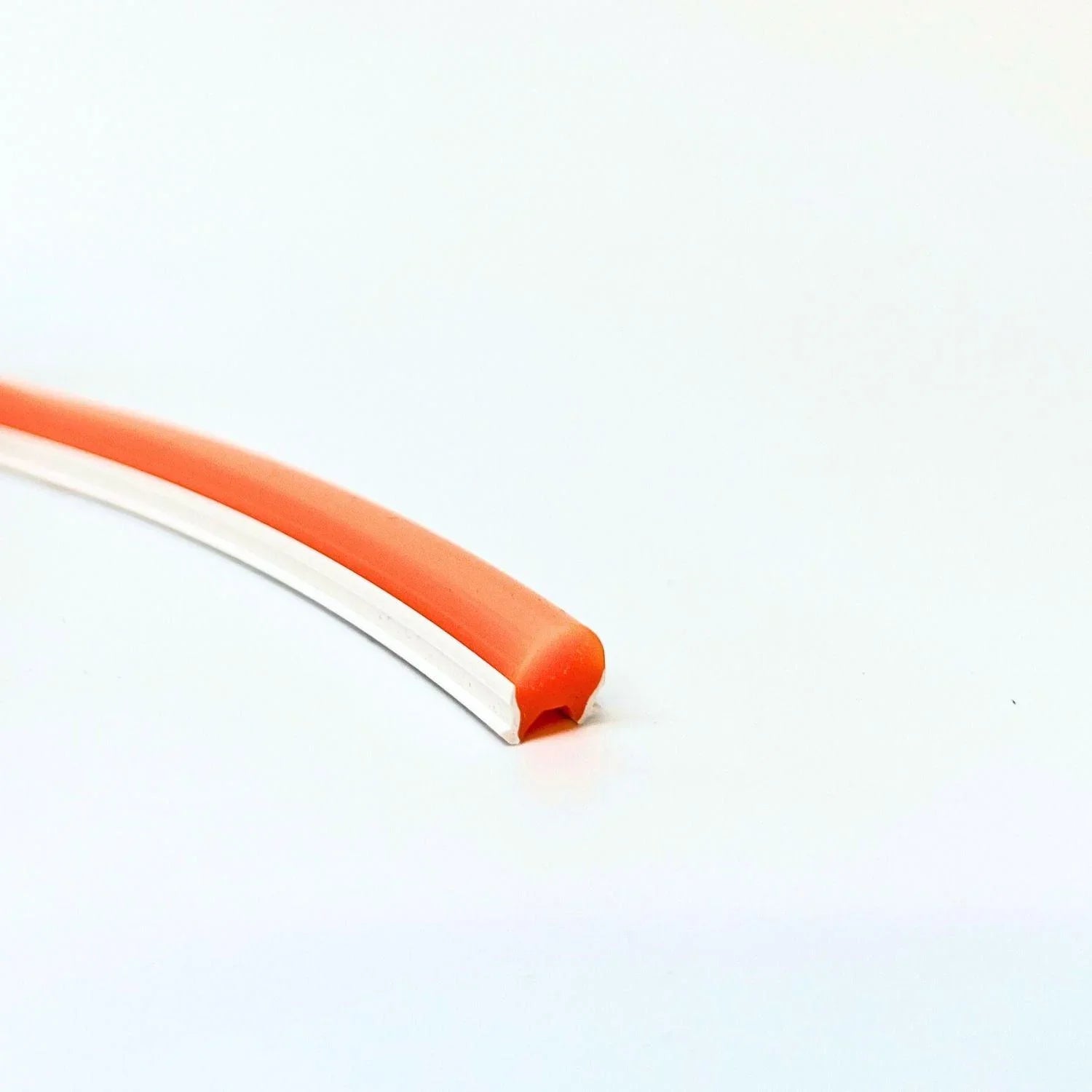
Orange Silicone Neon Flex Tube Diffuser Body for LED Strip Lights Neon Signs 8mm - ATOM LED
Orange Silicone Neon Flex Tube Diffuser Body for LED Strip Lights Neon Signs 8mm
Regular price From £7.47
Sale price From £7.47 Regular price
View Product
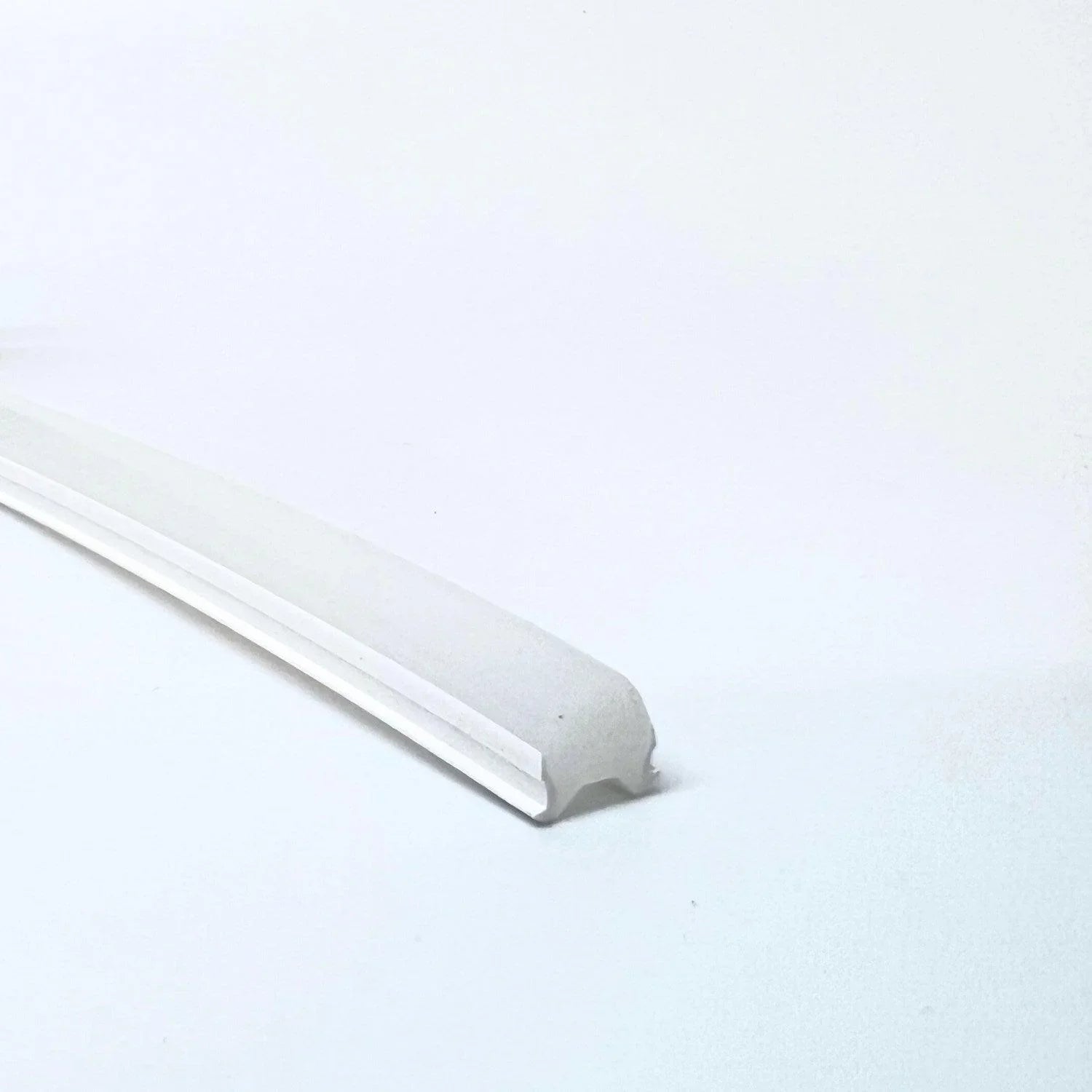
Lemon Yellow Silicone Neon Flex Tube Diffuser Body for LED Strip Lights Neon Signs 8mm - ATOM LED
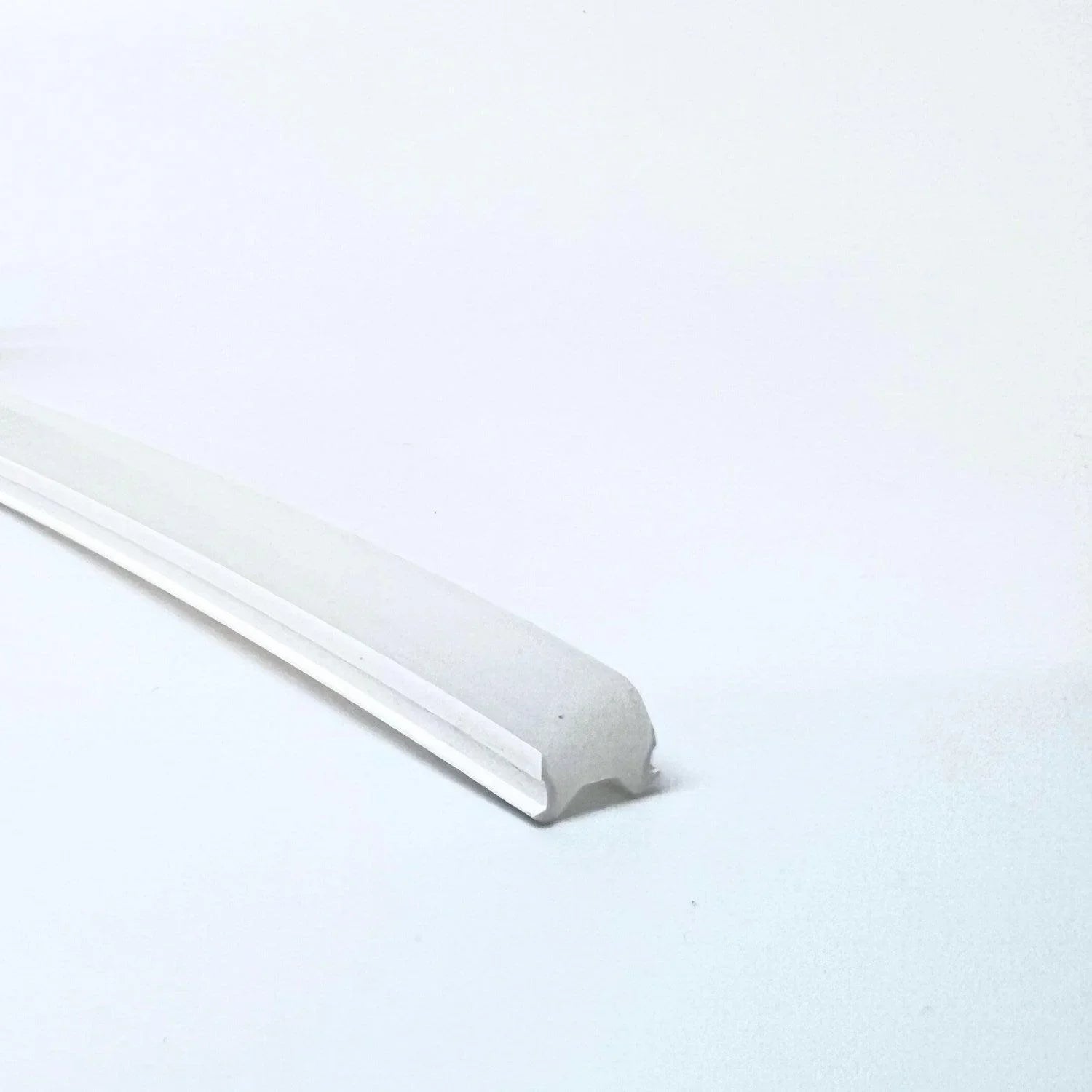
Lemon Yellow Silicone Neon Flex Tube Diffuser Body for LED Strip Lights Neon Signs 8mm
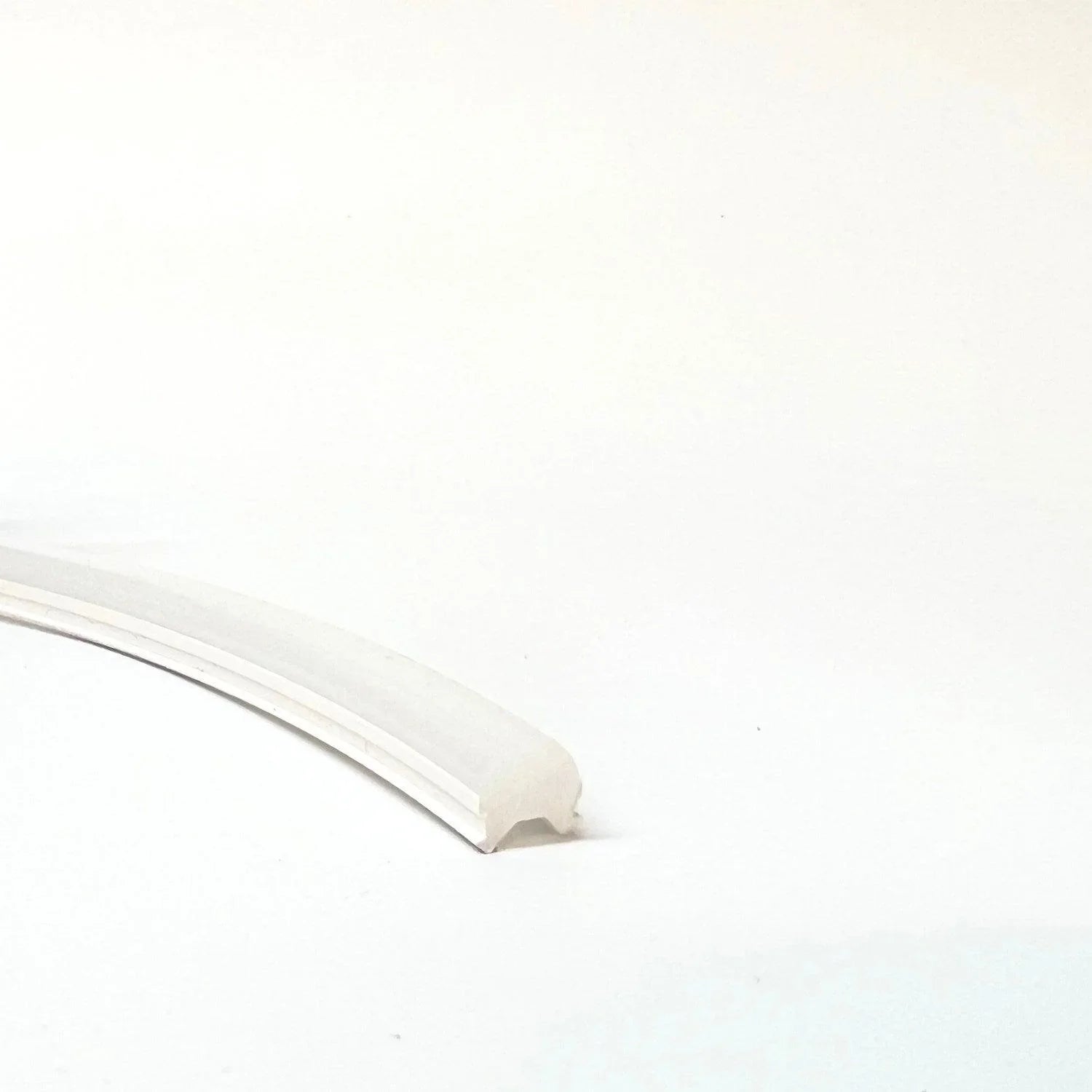
Regular price From £7.47
Sale price From £7.47 Regular price
View Product
Natural White Silicone Neon Flex Tube Diffuser Body for LED Strip Lights Neon Signs 8mm - ATOM LED
Natural White Silicone Neon Flex Tube Diffuser Body for LED Strip Lights Neon Signs 8mm
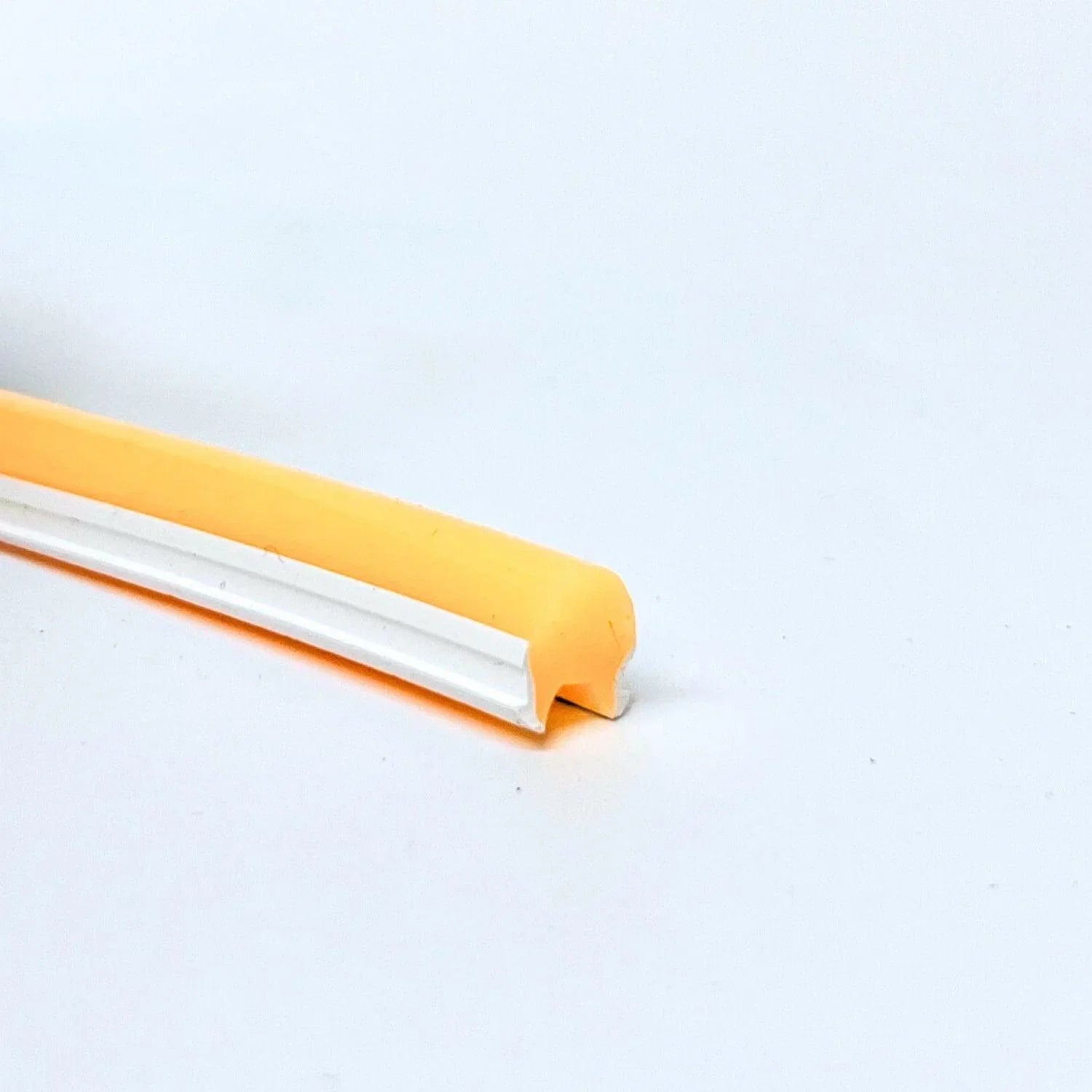
Regular price From £7.47
Sale price From £7.47 Regular price
View Product
Cool White Silicone Neon Flex Tube Diffuser Body for LED Strip Lights Neon Signs 8mm - ATOM LED
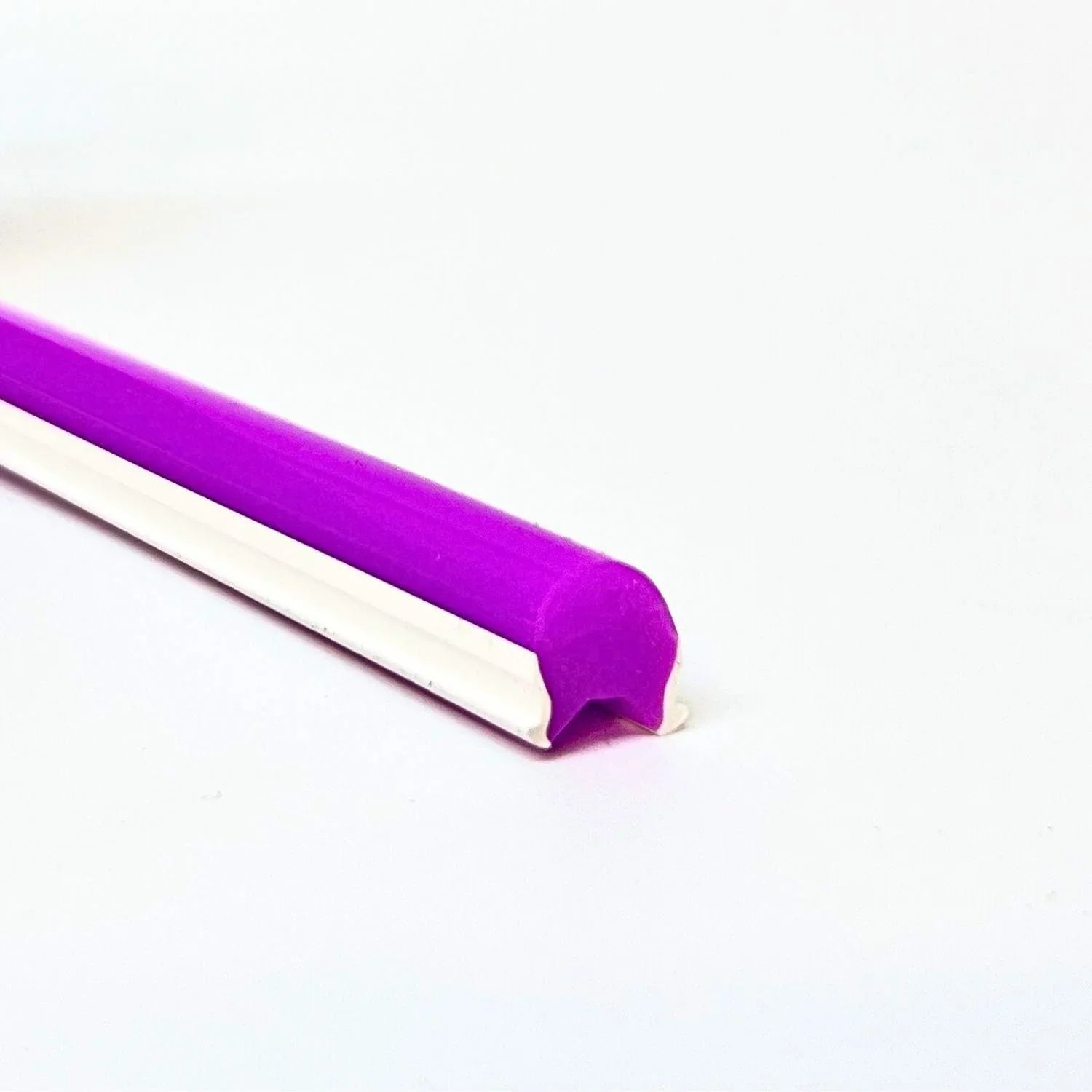
Cool White Silicone Neon Flex Tube Diffuser Body for LED Strip Lights Neon Signs 8mm
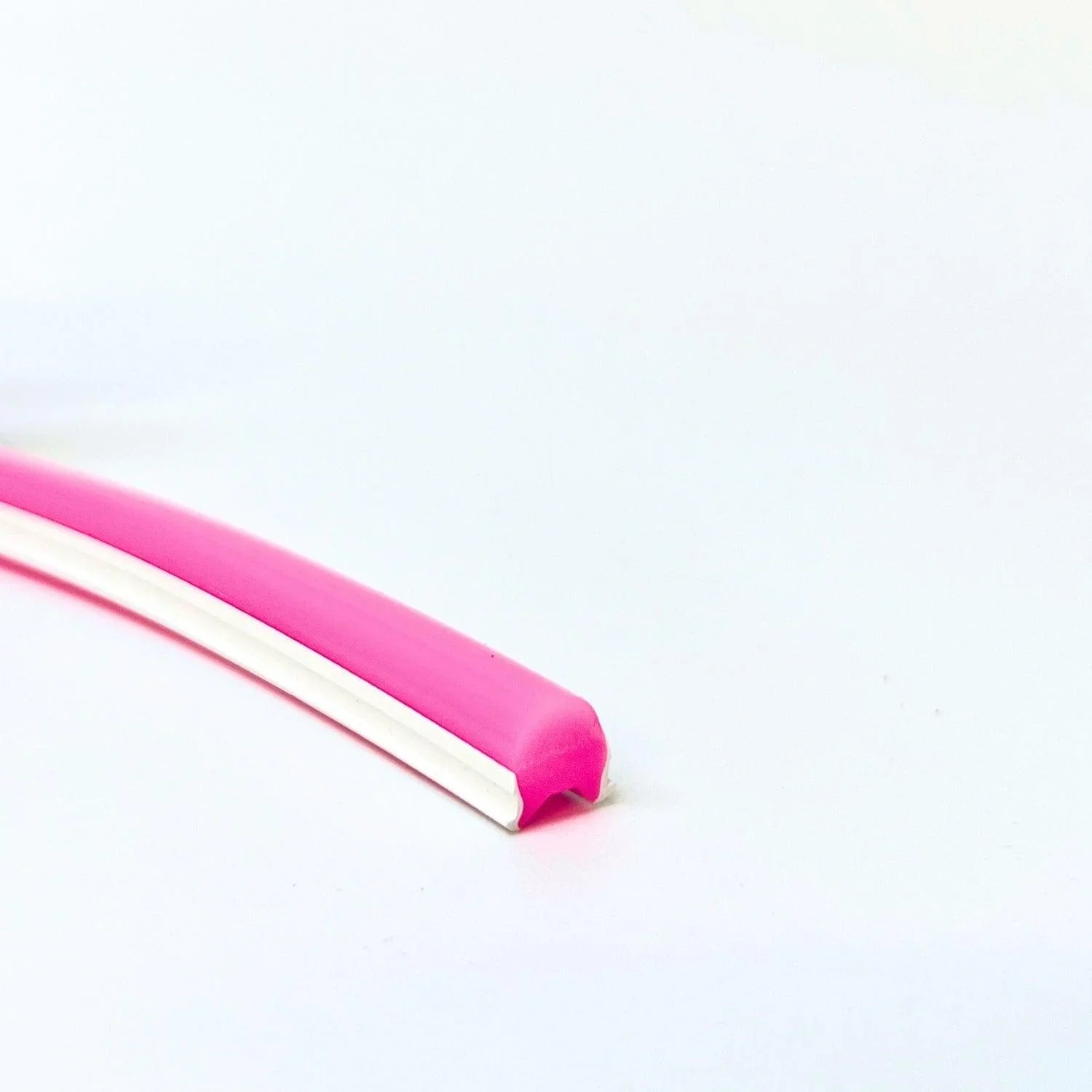
Regular price From £7.47
Sale price From £7.47 Regular price
View Product
Warm White Silicone Neon Flex Tube Diffuser Body for LED Strip Lights Neon Signs 8mm - ATOM LED
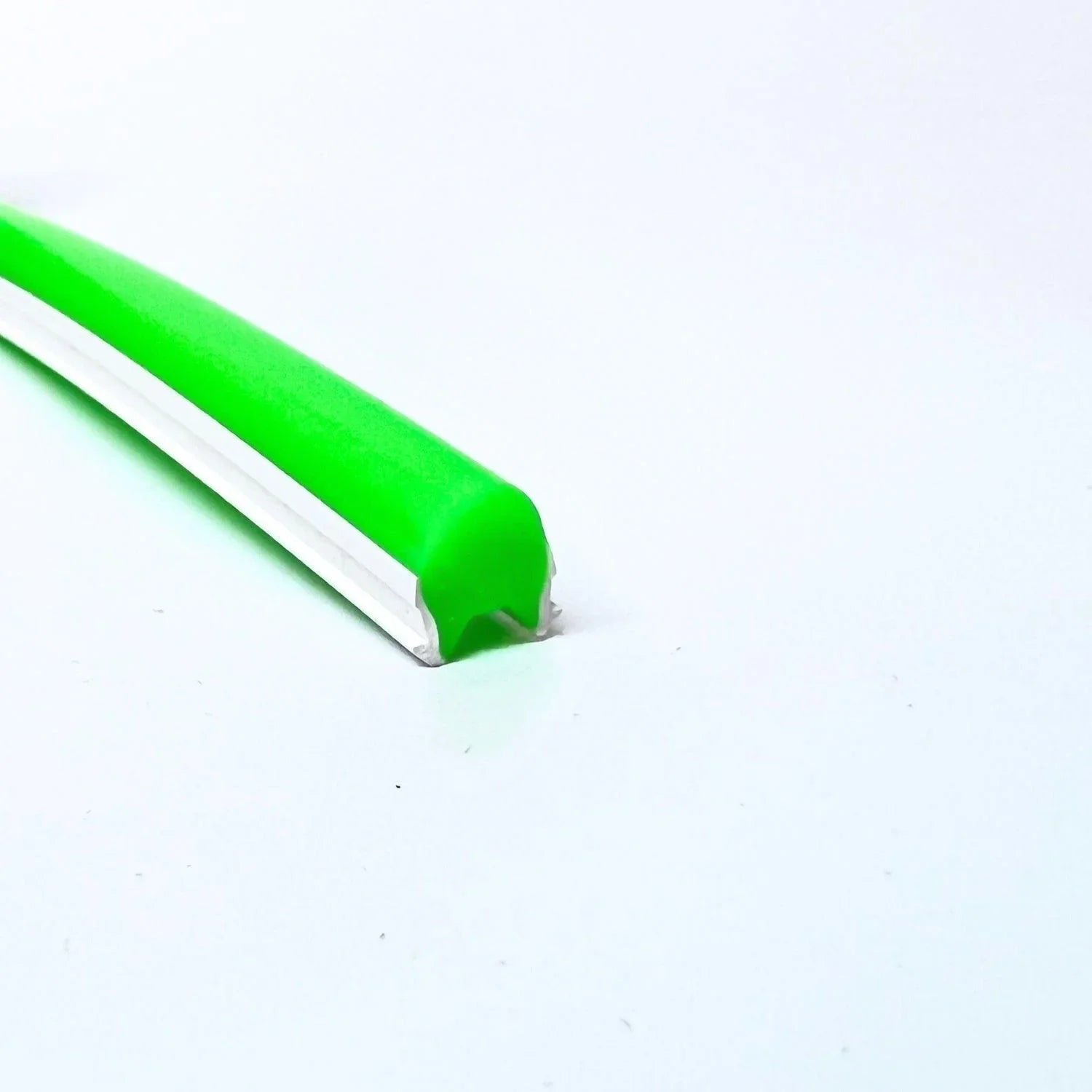
Warm White Silicone Neon Flex Tube Diffuser Body for LED Strip Lights Neon Signs 8mm
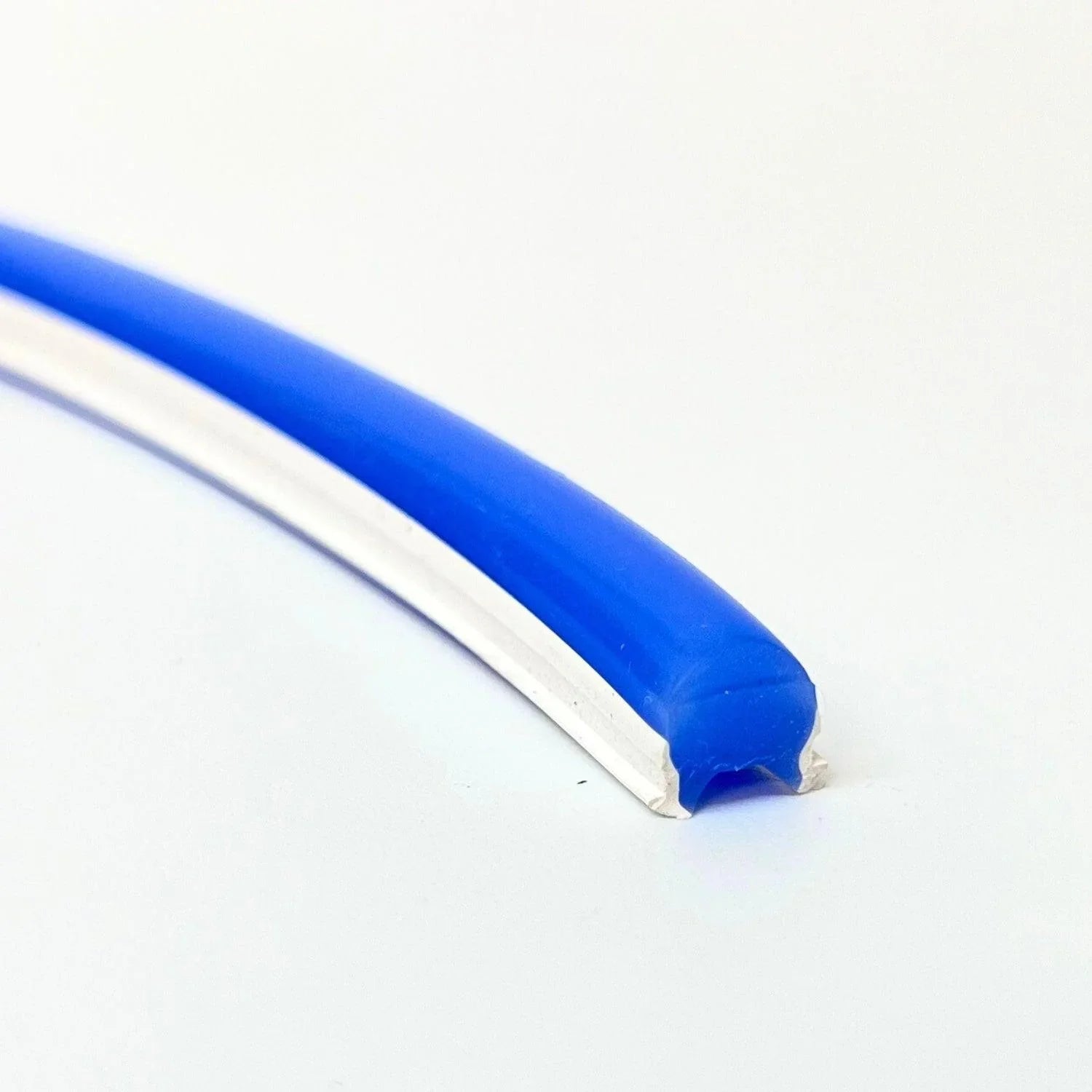
Regular price From £7.47
Sale price From £7.47 Regular price
View Product
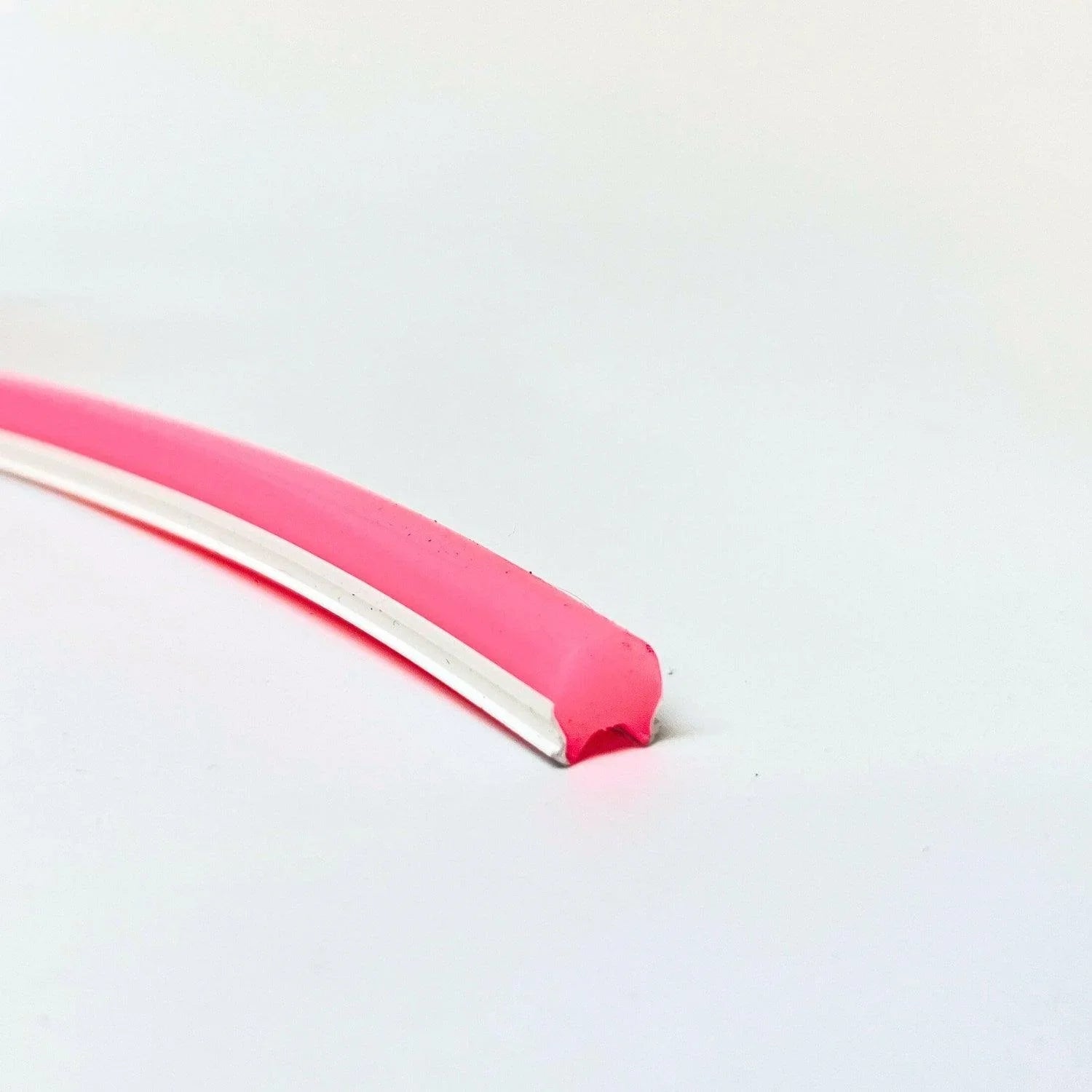
Pink Silicone Neon Flex Tube Diffuser Body for LED Strip Lights Neon Signs 8mm - ATOM LED
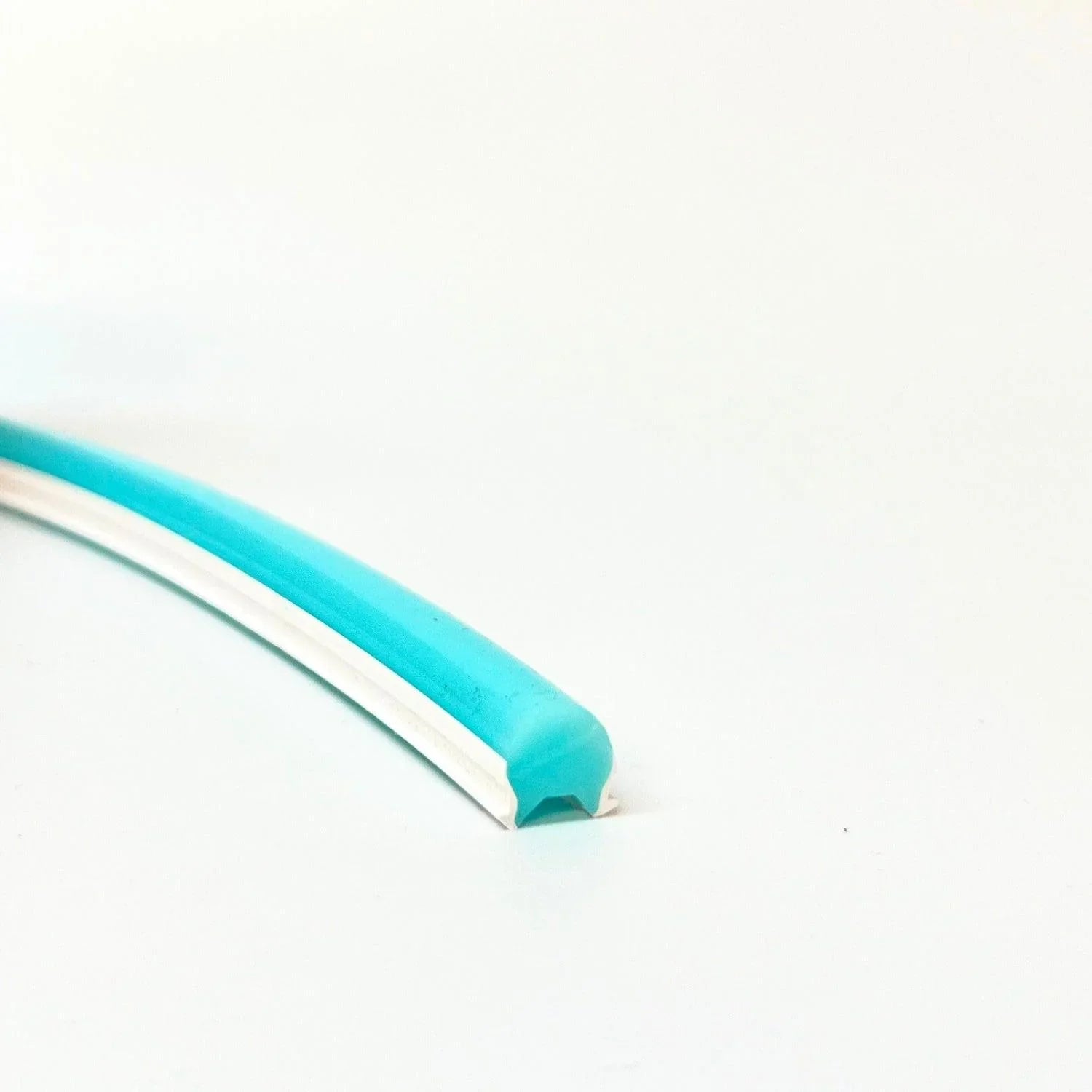
Pink Silicone Neon Flex Tube Diffuser Body for LED Strip Lights Neon Signs 8mm
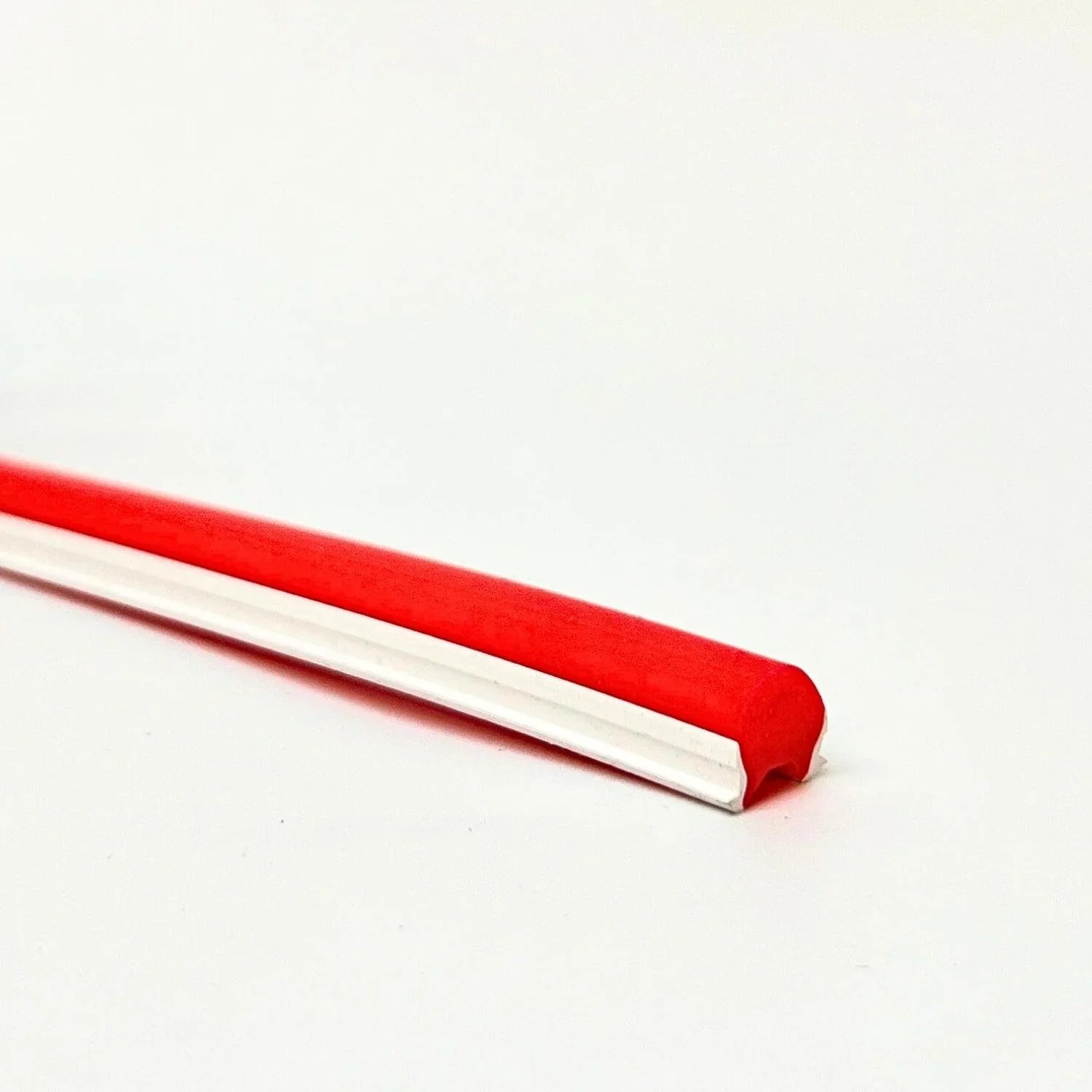
Regular price From £7.47
Sale price From £7.47 Regular price
View Product
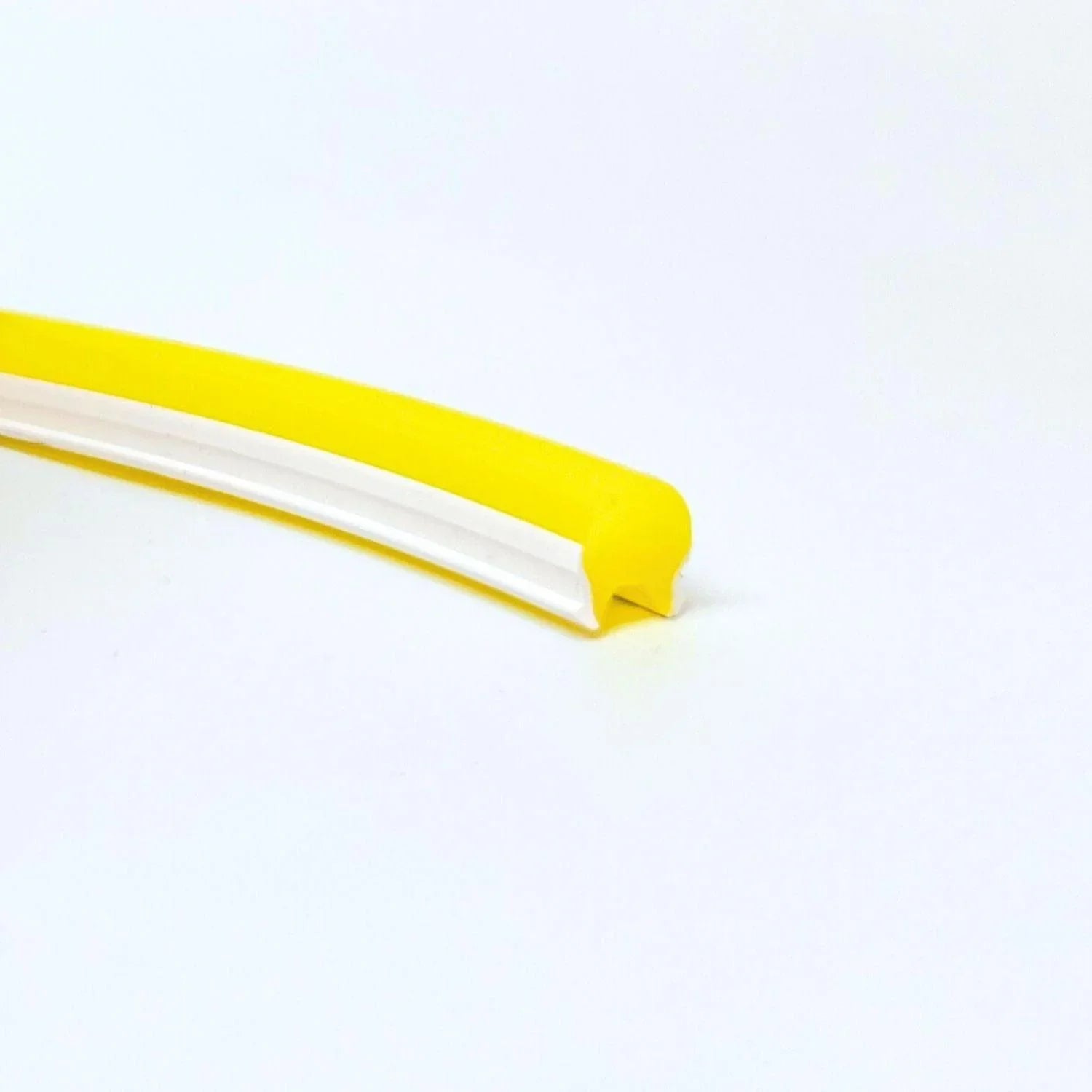
Yellow Silicone Neon Flex Tube Diffuser Body for LED Strip Lights Neon Signs 8mm - ATOM LED

Yellow Silicone Neon Flex Tube Diffuser Body for LED Strip Lights Neon Signs 8mm

Regular price From £7.47
Sale price From £7.47 Regular price
View Product
Purple Silicone Neon Flex Tube Diffuser Body for LED Strip Lights Neon Signs 8mm - ATOM LED

Purple Silicone Neon Flex Tube Diffuser Body for LED Strip Lights Neon Signs 8mm

Regular price From £7.47
Sale price From £7.47 Regular price
View Product
Rose Red Silicone Neon Flex Tube Diffuser Body for LED Strip Lights Neon Signs 8mm - ATOM LED

Pink Silicone Neon Flex Tube Diffuser Body for LED Strip Lights Neon Signs 8mm

Regular price From £7.47
Sale price From £7.47 Regular price
View Product
Green Silicone Neon Flex Tube Diffuser Body for LED Strip Lights Neon Signs 8mm - ATOM LED

Green Silicone Neon Flex Tube Diffuser Body for LED Strip Lights Neon Signs 8mm

Regular price From £7.47
Sale price From £7.47 Regular price
View Product
Blue Silicone Neon Flex Tube Diffuser Body for LED Strip Lights Neon Signs 8mm - ATOM LED

Blue Silicone Neon Flex Tube Diffuser Body for LED Strip Lights Neon Signs 8mm

Regular price From £7.47
Sale price From £7.47 Regular price
View Product
Ice Blue Silicone Neon Flex Tube Diffuser Body for LED Strip Lights Neon Signs 8mm - ATOM LED

Ice Blue Silicone Neon Flex Tube Diffuser Body for LED Strip Lights Neon Signs 8mm

Regular price From £7.47
Sale price From £7.47 Regular price
View Product
Red Silicone Neon Flex Tube Diffuser Body for LED Strip Lights Neon Signs 8mm - ATOM LED

Red Silicone Neon Flex Tube Diffuser Body for LED Strip Lights Neon Signs 8mm

Regular price From £7.47
Sale price From £7.47 Regular price
View Product
RGB Neon Flex 12V 8x18mm IP65 Waterproof 5cm Cut 5 Metre
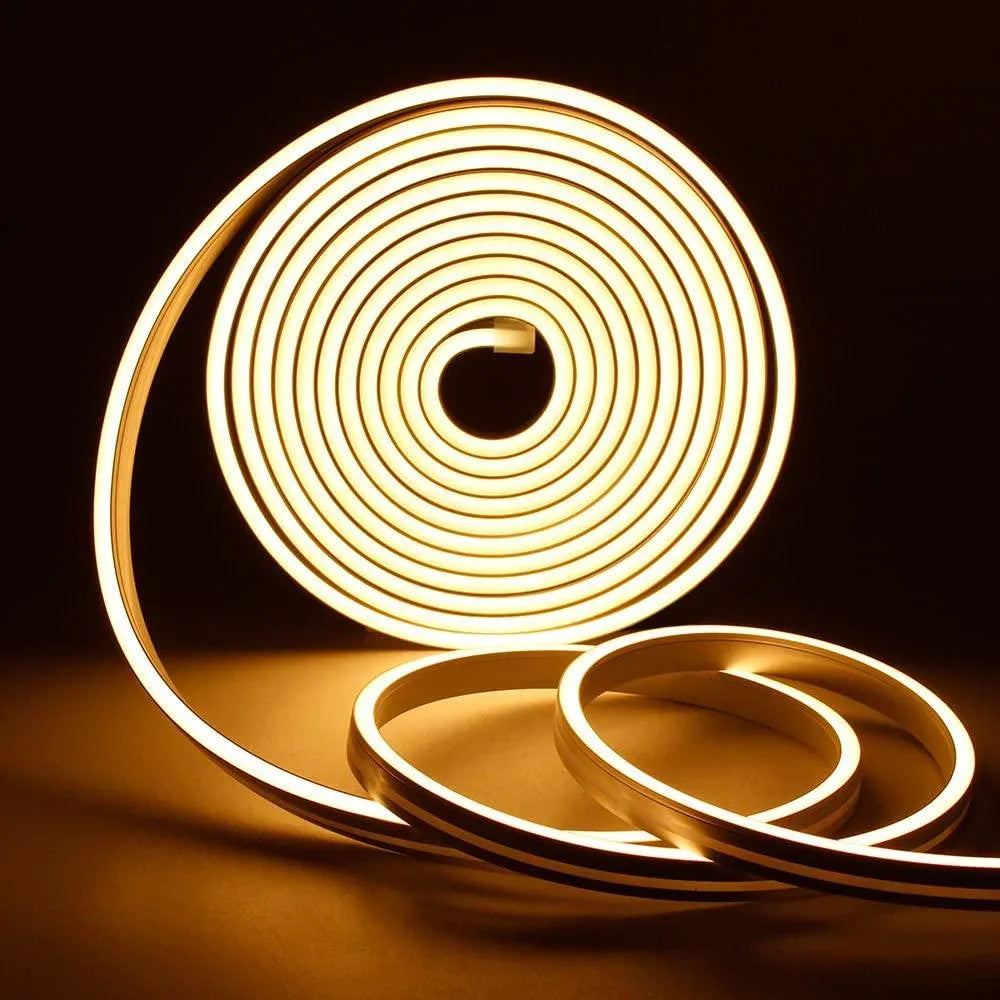
RGB Neon Flex 12V 8x18mm IP65 Waterproof 5cm Cut 5 Metre

  • RGB Multicolour
  • 8x18mm Neon Flex
  • DC 12V
  • 5cm cut
  • IP65 Waterproof
  • 2-year warranty
Regular price From £11.75
Sale price From £11.75 Regular price
View Product
Mini Warm White Neon Flex 3000K 12V 6x12mm 120LEDs/m IP65 2.5cm Cut - ATOM LED
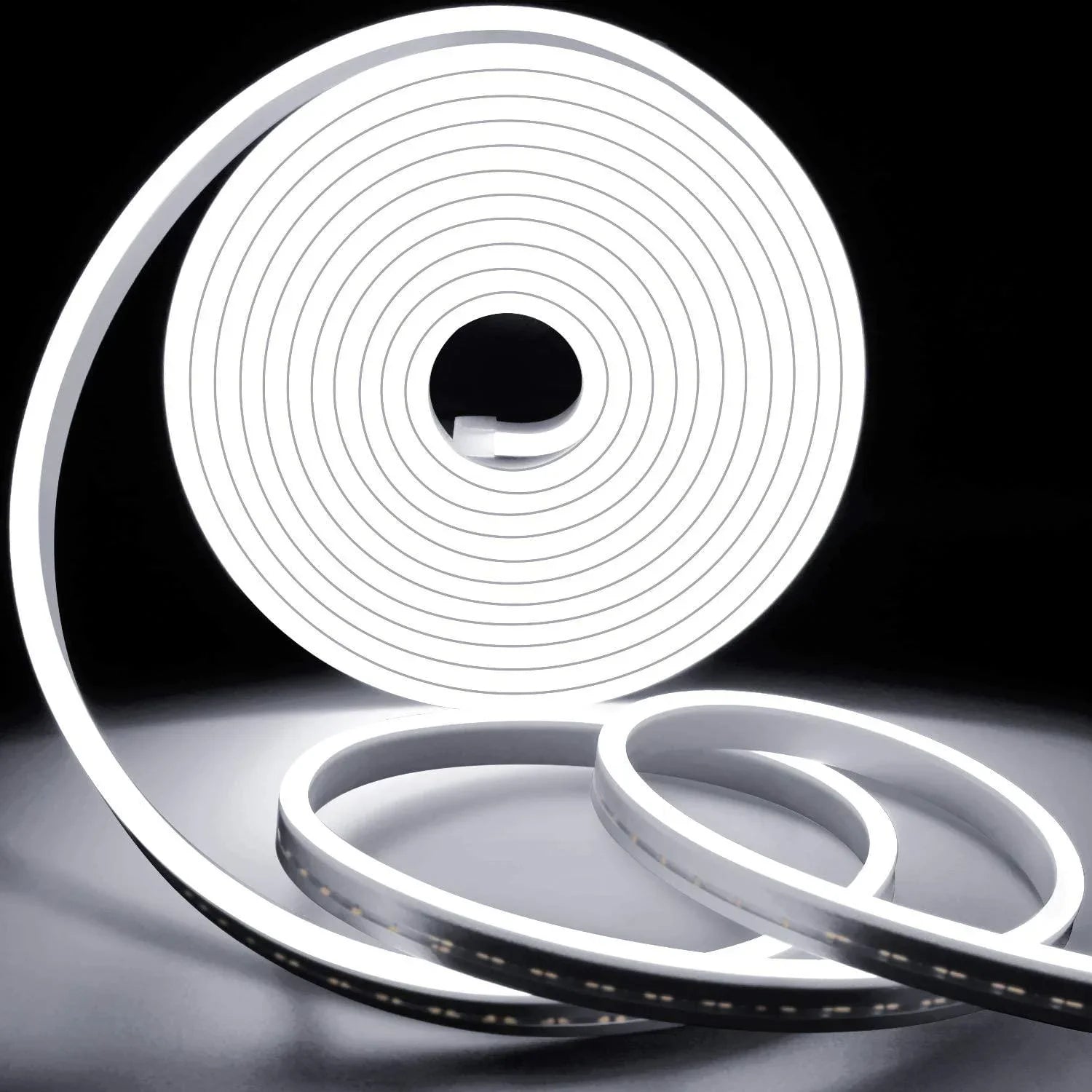
Mini Warm White Neon Flex 3000K 12V 6x12mm 120LEDs/m IP65 2.5cm Cut

Regular price From £11.50
Sale price From £11.50 Regular price £13.52
View Product
Mini Cool White Neon Flex 6000K 12V 6x12mm 120LEDs/m IP65 2.5cm Cut - ATOM LED

Mini Cool White Neon Flex 6000K 12V 6x12mm 120LEDs/m IP65 2.5cm Cut

Regular price From £11.50
Sale price From £11.50 Regular price £13.52
View Product
Warm White Neon Flex DC 12V IP65 Waterproof 8x16mm 120 LEDs/M Only - ATOM LED

Warm White Neon Flex DC 12V IP65 Waterproof 8x16mm 120 LEDs/M Only

Regular price From £13.73
Sale price From £13.73 Regular price £15.85
View Product
Mini RGB Neon Flex 6x12mm

Mini RGB Neon Flex DC 12V 6x12mm IP65 Waterproof 5 Metre

  • RGB Multicolour
  • Mini 6x12mm Neon
  • DC 12V
  • 5cm cut
  • IP65 Waterproof
  • 2-year warranty
Regular price From £11.75
Sale price From £11.75 Regular price £11.75
View Product
Cool White Neon Flex 6000K DC 12V IP65 Waterproof 8x16mm 120 LEDs/M Only - ATOM LED

Cool White Neon Flex 6000K DC 12V IP65 Waterproof 8x16mm 120 LEDs/M Only

Regular price From £13.73
Sale price From £13.73 Regular price £15.85
View Product
Cool White Neon Flex 6000K DC 12V IP65 Waterproof 8x16mm 120 LEDs/M Only - ATOM LED

Cool White Neon Flex 6000K DC 12V IP65 Waterproof 8x16mm 120 LEDs/M Only

Regular price From £13.73
Sale price From £13.73 Regular price £15.85
View Product
Mini Green LED Neon Flex DC 12V 6x12mm 120LED/m IP65 Waterproof 2.5cm Cut - ATOM LED
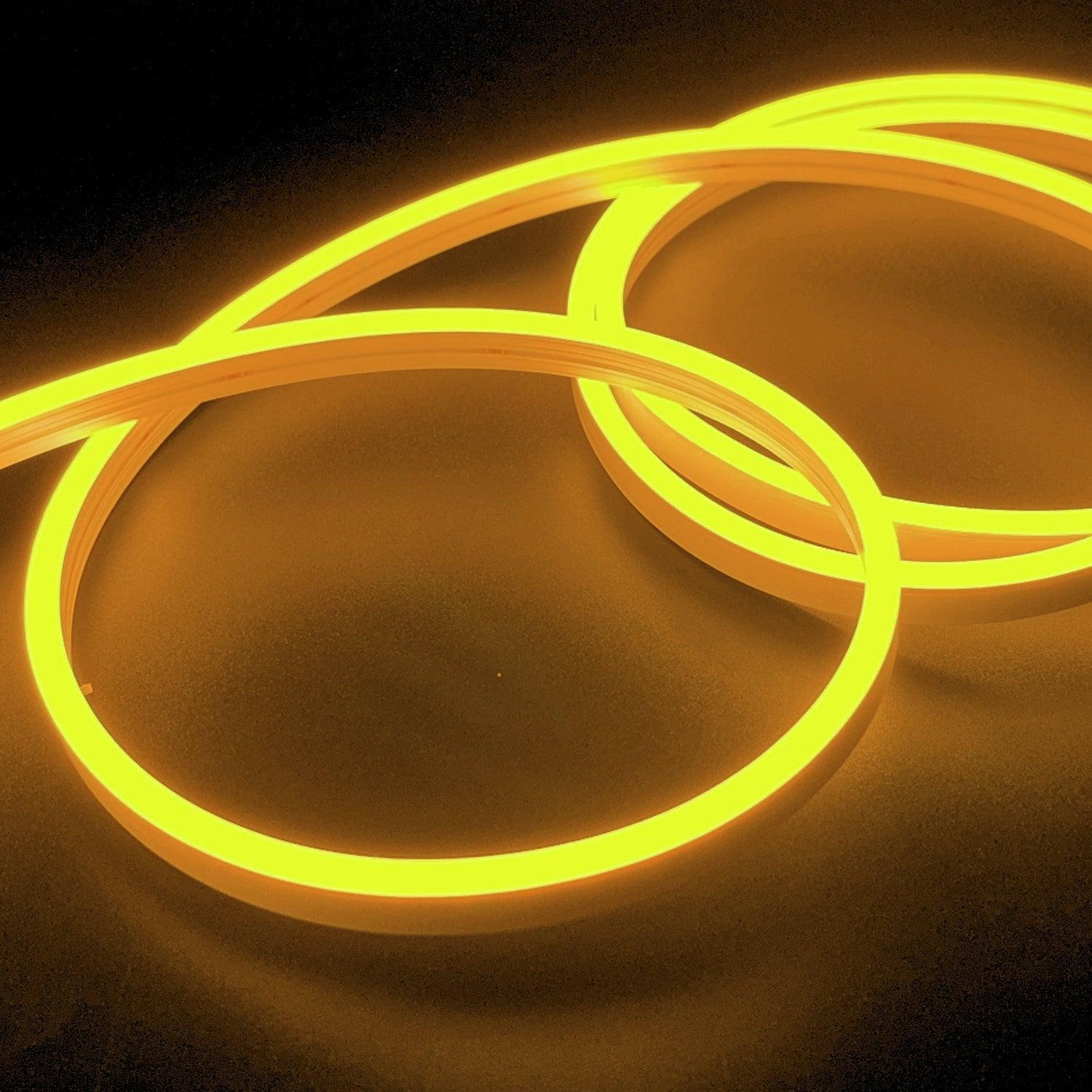
Mini Green LED Neon Flex DC 12V 6x12mm 120LED/m IP65 Waterproof 2.5cm Cut

Regular price From £11.85
Sale price From £11.85 Regular price £13.52
View Product
Mini Golden LED Neon Flex 12V 6x12mm 120LED/m IP65 Waterproof 1cm Cut - ATOM LED
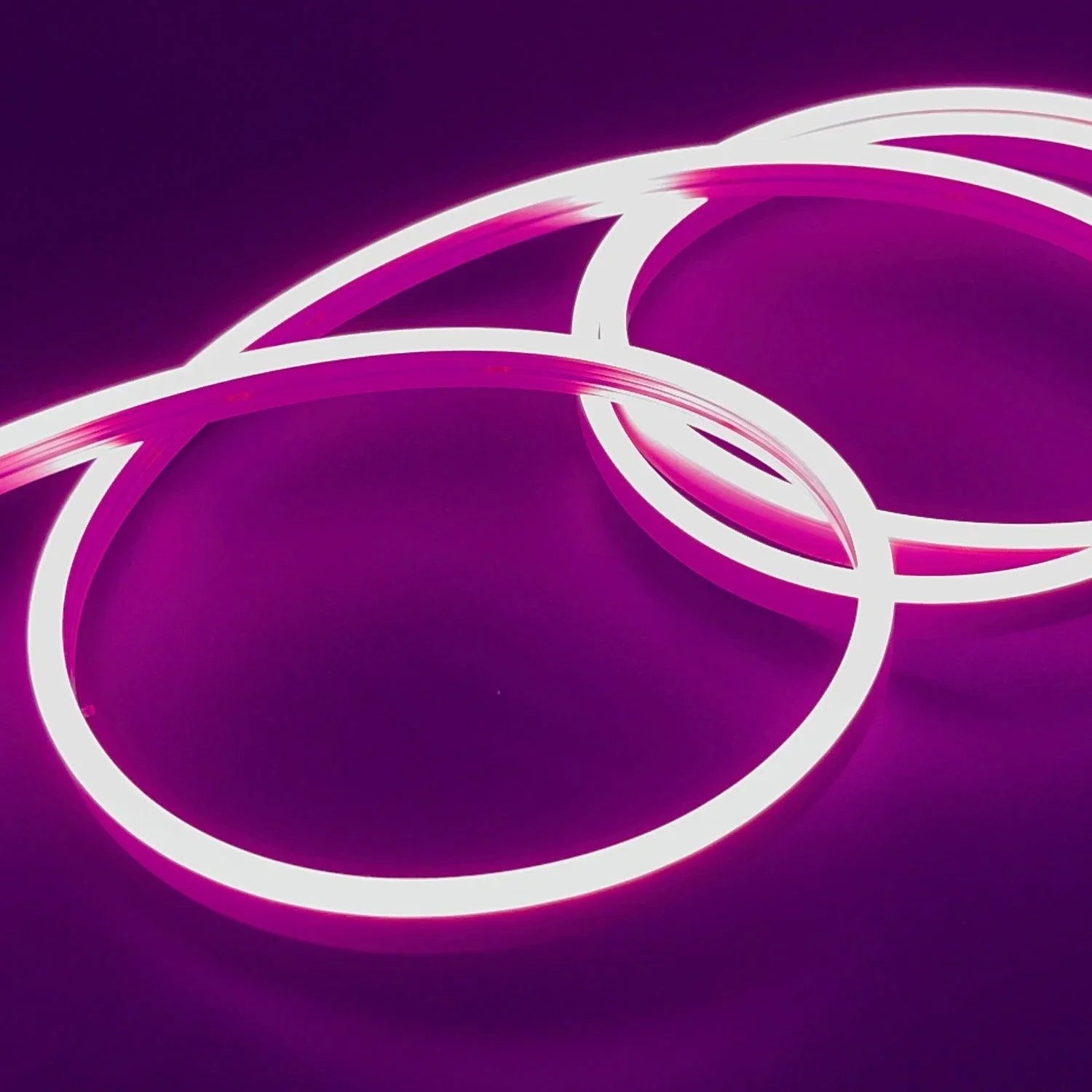
Mini Golden LED Neon Flex 12V 6x12mm 120LED/m IP65 Waterproof 1cm Cut
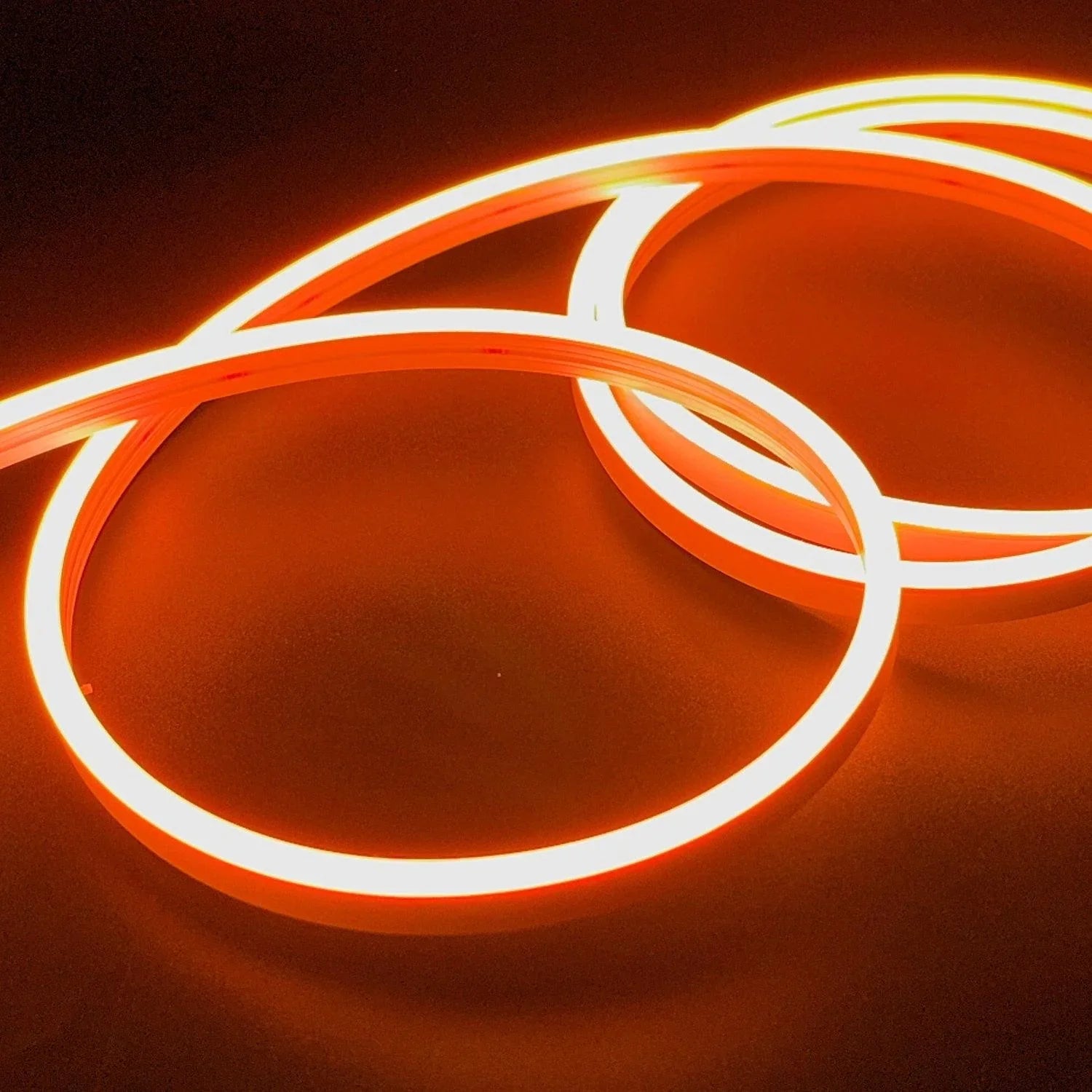
Regular price From £12.85
Sale price From £12.85 Regular price £13.52
View Product
Mini Pink LED Neon Flex 12V 6x12mm 120LED/m IP65 Waterproof 1cm Cut - ATOM LED

Mini Pink LED Neon Flex 12V 6x12mm 120LED/m IP65 Waterproof 1cm Cut

Regular price From £12.85
Sale price From £12.85 Regular price £13.52
View Product
Mini Orange LED Neon Flex 12V 6x12mm 120LED/m IP65 Waterproof 1cm Cut - ATOM LED

Mini Orange LED Neon Flex 12V 6x12mm 120LED/m IP65 Waterproof 1cm Cut

Regular price From £12.85
Sale price From £12.85 Regular price £13.52
View Product
Mini Green LED Neon Flex 12V 6x12mm 120LED/m IP65 Waterproof 1cm Cut - ATOM LED

Mini Green LED Neon Flex 12V 6x12mm 120LED/m IP65 Waterproof 1cm Cut

Regular price From £12.85
Sale price From £12.85 Regular price £13.52
View Product
Mini Red LED Neon Flex 12V 6x12mm 120LED/m IP65 Waterproof 1cm Cut - ATOM LED

Mini Red LED Neon Flex 12V 6x12mm 120LED/m IP65 Waterproof 1cm Cut

Regular price From £12.85
Sale price From £12.85 Regular price £13.52
View Product
Mini Blue LED Neon Flex DC 12V 6x12mm 120LED/m IP65 Waterproof 1cm Cut - ATOM LED

Mini Blue LED Neon Flex DC 12V 6x12mm 120LED/m IP65 Waterproof 1cm Cut

Regular price From £12.85
Sale price From £12.85 Regular price £13.52
View Product
Mini Cool White Neon Flex 6000K 12V 6x12mm IP65 Waterproof 1cm Cut - ATOM LED

Mini Cool White Neon Flex 6000K 12V 6x12mm IP65 Waterproof 1cm Cut

Regular price From £12.50
Sale price From £12.50 Regular price £13.52
View Product
Mini Warm White Neon Flex 3000K 12V 6x12mm IP65 Waterproof 1cm Cut - ATOM LED

Mini Warm White Neon Flex 3000K 12V 6x12mm IP65 Waterproof 1cm Cut

Regular price From £12.50
Sale price From £12.50 Regular price £13.52
View Product
Warm White Neon Flex 3000K DC 12V IP65 Waterproof 8x16mm 120 LEDs/M - ATOM LED

Warm White Neon Flex 3000K DC 12V IP65 Waterproof 8x16mm 120 LEDs/M

Regular price From £13.73
Sale price From £13.73 Regular price £15.85
View Product
Blue LED Neon Flex DC 12V IP65 Waterproof 8x16mm 120 LEDs/M - ATOM LED

Blue LED Neon Flex DC 12V IP65 Waterproof 8x16mm 120 LEDs/M

Regular price From £13.73
Sale price From £13.73 Regular price £15.85
View Product
Mini Blue LED Neon Flex DC 12V 6x12mm 120LED/m IP65 Waterproof 2.5cm Cut - ATOM LED

Mini Blue LED Neon Flex DC 12V 6x12mm 120LED/m IP65 Waterproof 2.5cm Cut

Regular price From £11.85
Sale price From £11.85 Regular price £13.52
View Product
Mini Warm White Neon Flex 12V 6x12mm 120LEDs/m IP65 50 Metre Roll - ATOM LED

Mini Warm White Neon Flex 12V 6x12mm 120LEDs/m IP65 50 Metre Roll

  • (W)6mm x (D)12mm
  • DC 12V
  • Super Flexible
  • Horizontal Bend
  • IP65 Waterproof
  • 50m Roll
Regular price From £295.85
Sale price From £295.85 Regular price
View Product
Mini Purple LED Neon Flex 12V 6x12mm 120LED/m IP65 Waterproof 1cm Cut - ATOM LED
Mini Purple LED Neon Flex 12V 6x12mm 120LED/m IP65 Waterproof 1cm Cut

Regular price From £12.85
Sale price From £12.85 Regular price £13.52
View Product
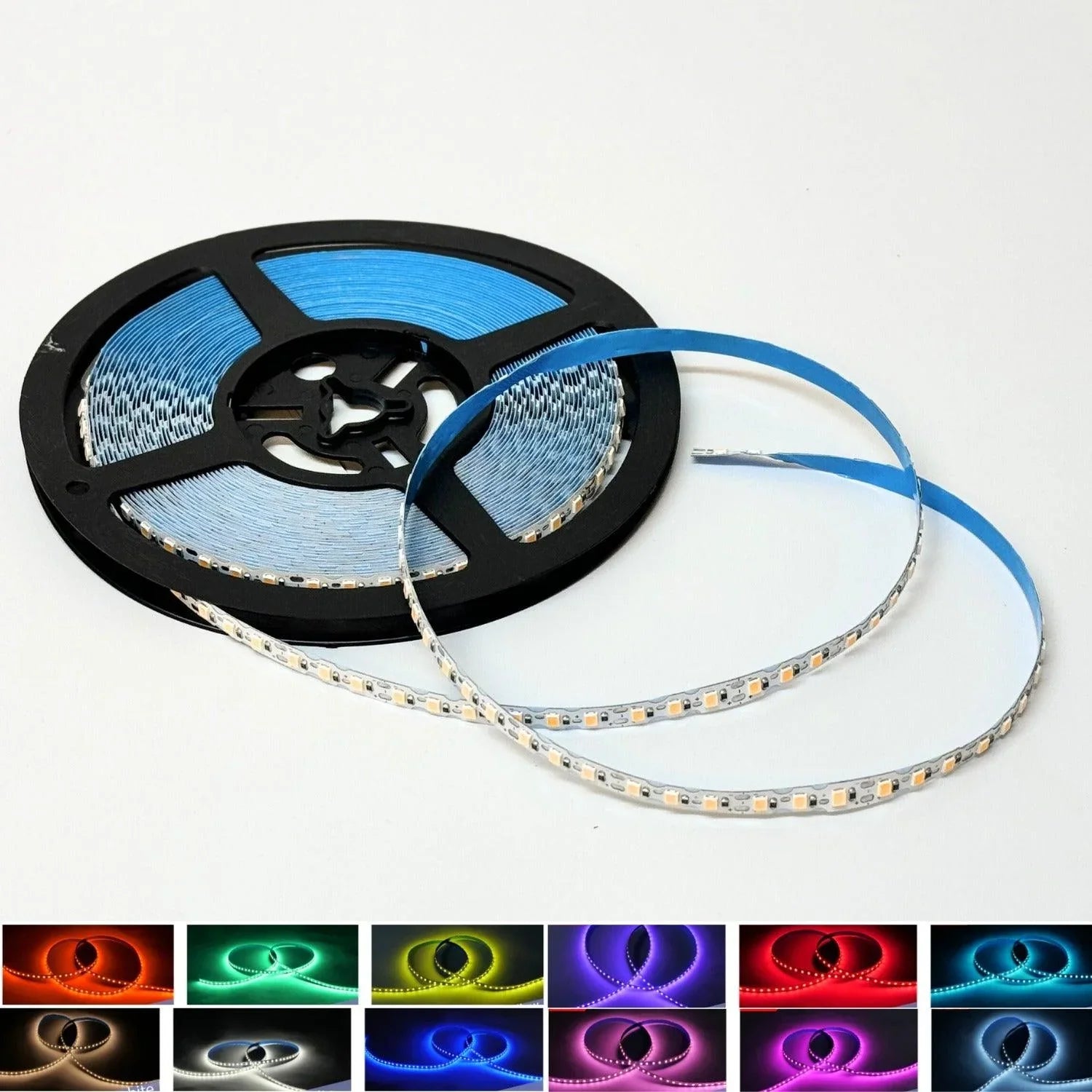
Led Strips 12V SMD2835 S Shape Bendable 120 Leds/m 6mm 5 Metre

Led Strips 12V SMD2835 S Shape Bendable 120 Leds/m 6mm 5 Metre

Regular price £21.95
Sale price £21.95 Regular price
View Product
Mini Natural White Neon Flex 4000K 12V 6x12mm IP65 Waterproof 1cm Cut

Mini Natural White Neon Flex 4000K 12V 6x12mm IP65 Waterproof 1cm Cut

Regular price From £12.50
Sale price From £12.50 Regular price £13.52
View Product