

Skip to content

Orders after 3rd April ship Tuesday, 7th April due to Easter courier delays.

LED Profiles

Choosing the right aluminium profile decides whether your LED strip installation looks professional or half-finished — and whether your LEDs last 5 years or 15. ATOM LED stocks surface-mount, recessed, corner, and suspended aluminium extrusions in lengths from 1m to 3m, with opal, clear, and frosted diffuser options to match every project brief across kitchens, bathrooms, retail, and commercial fit-outs in 2026.

Every profile in the ATOM LED range is designed to pair directly with our COB LED strip lights and standard SMD strips. Anodised 6063-T5 aluminium construction provides passive heat dissipation that typically extends LED lifespan by 40–60%, while integrated diffusers eliminate visible LED hotspots and deliver even light distribution across the full profile length.

Aluminium LED profiles · Surface · Recessed · Corner · Suspended · Opal & clear diffusers · IP20 & IP67 rated · 1m–3m lengths · Free UK delivery · 01952 370028

  1. Why do LED strip lights need aluminium profiles?
  2. What types of aluminium LED profile are available in 2026?
  3. How does an aluminium profile improve LED strip heat dissipation?
  4. Which diffuser should you choose — opal, clear, or frosted?
  5. What size aluminium profile do you need for your LED strip?
  6. How do you install an aluminium LED strip profile?
  7. Can you use aluminium profiles in bathrooms and outdoors?
  8. How do you cut and join aluminium LED profiles on site?
  9. What is the difference between aluminium and plastic LED channels?
  10. Which profile mounting method suits your application?
  11. How do you choose the right profile for COB vs SMD strip?
  12. Why buy aluminium profiles from ATOM LED?
  13. Aluminium LED strip profiles — frequently asked questions

Quick decision summary: If you need a clean, flush finish in plasterboard or joinery, choose a recessed profile. For under-cabinet and shelf lighting, a slim surface-mount profile is the fastest option. For corner coves and coving, a 45-degree corner profile directs light precisely where you need it. For feature lighting over kitchen islands, dining tables, or retail displays, a suspended profile provides a complete linear pendant fitting.

Who this is for: Electricians, interior designers, kitchen fitters, shopfitters, and homeowners installing LED strip lighting who want a professional, finished result with proper heat management and light diffusion.

Who this is NOT for: If you are looking for flexible silicone LED profiles for curved applications, or neon flex mounting profiles, those have dedicated pages with specific product ranges.

Common buying mistakes to avoid in 2026:

  • Buying a profile too narrow for your strip: A 10mm-wide COB strip will not sit flat inside an 8mm channel — always check the internal channel width against your strip width before ordering.
  • Skipping the diffuser: Bare LED strip without a diffuser creates visible hotspots, especially with SMD chip-type strips — even COB strip benefits from diffusion in close-viewing applications.
  • Ignoring heat dissipation: Mounting LED strip directly to wood or plasterboard without an aluminium heatsink reduces LED lifespan by approximately 40–60% because junction temperatures run 15–25°C higher than with a profile.
  • Choosing plastic channel over aluminium: Plastic LED channels offer no meaningful heat dissipation and typically warp or yellow within 18–24 months under continuous use.
  • Not planning end caps and joiners: Forgetting accessories means unfinished ends and visible strip edges — always order end caps, corner connectors, and mounting clips with your profiles.

Why do LED strip lights need aluminium profiles?

Aluminium profiles serve three critical functions for any LED strip installation: they act as a passive heatsink drawing heat away from LED chips, they house a diffuser that eliminates visible hotspots, and they protect the strip from physical damage and dust ingress. Without a profile, LED strips run hotter, degrade faster, and deliver uneven light output that looks visibly cheap in most 2026 residential and commercial applications.

Every LED chip generates heat at the junction point where electricity converts to light. On a bare strip stuck to a surface, that heat has nowhere to go except into the adhesive backing and the mounting surface. Over months, enhanced junction temperatures degrade the phosphor coating, causing colour shift and reduced brightness. The 3M VHB adhesive also weakens, and strips begin to peel away from the surface.

An aluminium extrusion solves all three problems simultaneously:

  • Thermal management: Aluminium conducts heat at approximately 205 W/mK, drawing heat away from the LED junction through the strip PCB and spreading it across the full surface area of the profile for passive convection cooling.
  • Light diffusion: The polycarbonate diffuser cover converts point-source LED output into a continuous, even light line — particularly important for SMD strip where individual chips are spaced 5–10mm apart.
  • Physical protection: The channel shields the strip from accidental contact, cleaning damage, moisture, and dust accumulation on the PCB surface.
  • Professional finish: End caps, mounting clips, and clean profile lines turn a DIY-looking strip installation into an architectural lighting feature comparable to high-end commercial fittings.

In practical terms, a well-chosen profile typically extends the useful life of an LED strip from approximately 25,000 hours to 50,000+ hours by keeping junction temperatures 15–25°C lower than bare-surface mounting. For a kitchen under-cabinet run operating 6 hours per day, that difference means roughly 11 years of service versus 22 years — a significant return on an accessory that typically costs 10–15% of the total strip installation.


What types of aluminium LED profile are available in 2026?

The four main aluminium profile types used in UK LED installations are surface-mount, recessed (plaster-in or routed), corner (45-degree), and suspended (pendant). Each type suits specific mounting conditions, and choosing the wrong one creates installation problems that are expensive to fix once plaster, joinery, or ceilings are finished.

Understanding where each profile type works best prevents costly mistakes during fit-out:

Surface-mount profiles

Surface-mount profiles fix directly onto flat surfaces using adhesive backing, mounting clips, or screws through pre-drilled holes. They sit proud of the surface by 6–15mm depending on the profile depth. These are the most common type for under-cabinet kitchen lighting, shelf lighting, wardrobe interiors, and retail display installations where the mounting surface is already finished.

  • Best for: Under-cabinet runs, shelf edges, wardrobe interiors, display cases, and retrofit installations where routing or plastering is not practical.
  • Typical dimensions: 15–23mm wide, 6–15mm deep, available in 1m, 2m, and 3m lengths.
  • Mounting: Clip-fixed, adhesive-bonded, or screw-through depending on the specific profile.

Recessed profiles

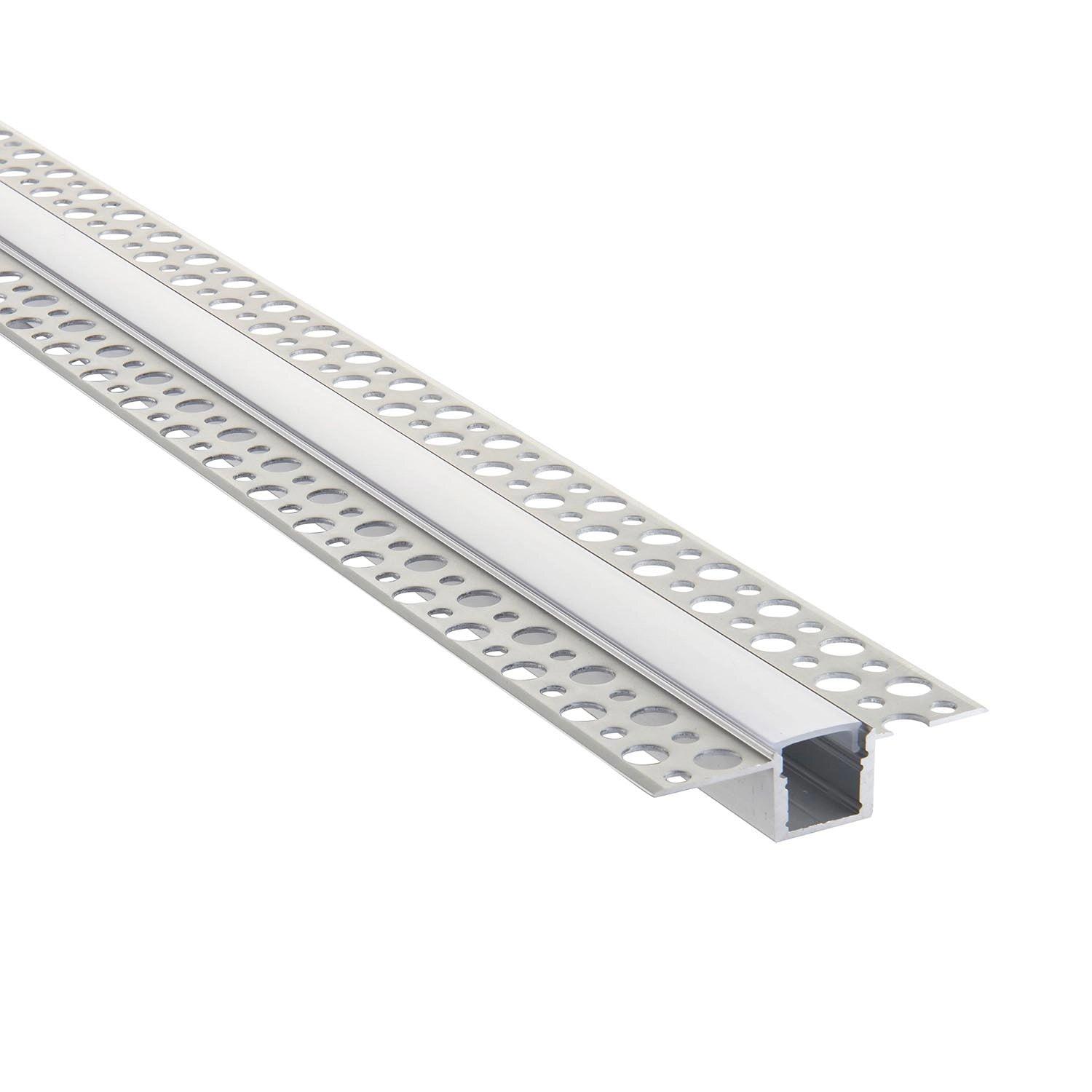
Recessed profiles sit flush with the surrounding surface, creating a clean integrated light line with no visible profile edges. They require a routed channel in timber, MDF, or plasterboard, or a plaster-in flange that gets skimmed over during the plastering stage. Recessed profiles are the preferred choice for high-end kitchen worktops, ceiling cove details, stair nosings, and joinery where the lighting should appear built-in rather than surface-applied.

  • Best for: Kitchen pelmets, ceiling coves, stair treads, bespoke joinery, and new-build or refurbishment projects where routing or plastering is part of the build programme.
  • Typical dimensions: 20–30mm wide, 7–20mm deep, with flanges adding 5–10mm each side for plastering.
  • Key consideration: Routing depth and width must match the profile body precisely — measure twice, route once.

Corner profiles (45-degree)

Corner profiles mount into the 90-degree junction between two surfaces — typically where a wall meets a ceiling, or where the underside of a wall cabinet meets the wall behind it. The 45-degree angle directs light diagonally onto the work surface or wall, producing a wash effect that eliminates the harsh shadowing created by surface-mount profiles in corner positions. Corner profiles are widely used in kitchen cove lighting, display cabinets, and commercial retail environments in 2026.

  • Best for: Wall-ceiling junctions, cabinet-wall junctions, coving, display cabinet interiors, and any application where light needs directing at an angle.
  • Typical dimensions: 16–19mm per side, fitting standard 90-degree internal corners.

Suspended profiles

Suspended profiles hang from ceilings on cables or rigid stems, functioning as complete linear pendant light fittings. They are typically deeper than surface or recessed profiles to accommodate higher-wattage strips and provide sufficient thermal mass for continuous operation. Suspended profiles are common above kitchen islands, conference tables, retail counters, and open-plan office workstations.

  • Best for: Kitchen islands, dining areas, office desks, reception counters, and retail feature lighting where a floating linear light is the design intent.
  • Typical dimensions: 30–75mm wide, 15–50mm deep, with integrated cable suspension points.
Profile type Mounting method Typical depth Best application Diffuser visibility
Surface-mount Clips / adhesive / screws 6–15mm Under-cabinet, shelves Profile visible, diffuser flush
Recessed Routed channel / plaster-in 7–20mm Ceilings, joinery, stairs Diffuser flush with surface
Corner (45°) Corner brackets / adhesive 16–19mm per side Wall-ceiling coves, cabinets Profile visible at 45°
Suspended Cable / rigid stem 15–50mm Kitchen islands, offices Full profile visible as pendant

How does an aluminium profile improve LED strip heat dissipation?

Aluminium profiles work as passive heatsinks by conducting heat away from the LED junction through the strip's PCB and into the profile body, where it dissipates into the surrounding air through convection. This process typically reduces LED junction temperature by 15–25°C compared to bare-surface mounting, directly extending LED lifespan and maintaining consistent colour temperature and brightness output across the full installation.

The thermal performance of an LED strip installation depends on the thermal path from junction to ambient air. Each material in that path has a thermal conductivity rating measured in watts per metre-kelvin (W/mK):

Material Thermal conductivity (W/mK) Role in LED thermal path
Aluminium 6063-T5 ~200–210 Profile body — primary heatsink
Copper (strip PCB traces) ~385 Conducts heat along strip length
FR4 PCB substrate ~0.3 Barrier — limits heat transfer downward
3M VHB adhesive ~0.2 Bonds strip to profile — minor thermal barrier
Timber / MDF ~0.12–0.17 Poor heatsink — traps heat at junction
Plasterboard ~0.16 Poor heatsink — minimal heat dissipation

The critical insight for installers in 2026 is that timber and plasterboard have thermal conductivity roughly 1,200 times lower than aluminium. Mounting strip directly to these materials means the PCB substrate and adhesive become the primary heat path — and both are thermal insulators. The LED junction temperature rises until the small amount of convective cooling from the strip surface reaches equilibrium, which typically occurs at temperatures well above the optimal operating range.

Higher-wattage strips benefit most from aluminium profiles. A 20W/m 24V COB strip generates substantially more heat per metre than a 5W/m decorative accent strip. For runs above 14W/m, an aluminium profile is not optional — it is a requirement for achieving the rated lifespan. ATOM LED recommends aluminium profiles for all strip installations regardless of wattage, but considers them essential for any strip rated above 10W/m.

  • Below 10W/m: Profile recommended for light quality and protection — thermal benefit is moderate but still measurable.
  • 10–14W/m: Profile strongly recommended — bare mounting typically reduces rated lifespan by 30–40%.
  • Above 14W/m: Profile essential — without aluminium heatsinking, junction temperatures exceed manufacturer maximums within 2–3 hours of continuous operation in enclosed spaces.

For commercial installations running 10–16 hours per day, the thermal benefit of a profile is even more pronounced. ATOM LED's 48V COB strip operates efficiently at high wattages, but it still requires adequate thermal management to maintain its CRI90+ colour rendering across the full rated life.


Which diffuser should you choose — opal, clear, or frosted?

Opal diffusers provide the smoothest, most even light output by fully eliminating visible LED hotspots — they are the standard choice for approximately 80% of UK installations in 2026. Clear diffusers maximise lumen output with zero diffusion, suited to indirect cove lighting. Frosted diffusers sit between the two, offering partial diffusion with slightly higher output than opal.

The diffuser you choose affects three measurable characteristics of the finished light output: uniformity, lumen transmission, and visual appearance at close viewing distances.

  • Opal (milky white) diffuser: Transmits approximately 75–85% of total lumens while fully blending individual LED points into a continuous light line. This is the correct choice for any application where people view the light source directly or at close range — under-cabinet kitchen lighting, shelf edges, bathroom vanity runs, and retail display. The 15–25% lumen reduction is negligible in practice because the eye perceives the even light line as brighter than a strip with visible hotspots.
  • Clear (transparent) diffuser: Transmits approximately 95% of total lumens with no diffusion effect. Individual LED chips remain visible through the cover. Clear diffusers are appropriate only for indirect applications where the strip is hidden inside a cove, pelmet, or channel that bounces light off a ceiling or wall — the reflecting surface provides natural diffusion. Using a clear diffuser in a direct-view application with SMD strip produces a dotted light line that looks unfinished.
  • Frosted (semi-transparent) diffuser: Transmits approximately 85–90% of lumens with partial diffusion. Suitable for applications at medium viewing distances (above 400mm) where maximum brightness matters but some smoothing is preferred. Frosted diffusers work well in commercial environments with higher mounting heights where the slight dot visibility is not noticeable.

For COB LED strip, the dot-free light output means all three diffuser types produce a smooth line. The diffuser choice with COB strip becomes purely about lumen transmission and dust protection, rather than hotspot elimination. This is one of the practical advantages of COB technology in profile-based installations — the diffuser selection is simpler and more forgiving.

Diffuser type Lumen transmission Hotspot elimination Best application COB strip suitability
Opal (milky) ~75–85% Complete Direct-view, kitchens, retail Excellent — maximum smoothness
Clear ~95% None Indirect cove lighting only Good — COB already dot-free
Frosted ~85–90% Partial Medium-distance commercial Good — slight brightness gain

ATOM LED supplies opal diffusers as standard with most profile ranges, with clear and frosted available as alternatives. All diffuser covers are UV-stabilised polycarbonate that resists yellowing for a minimum of 10 years under normal indoor conditions. For outdoor or UV-exposed installations, always confirm the diffuser material rating with our technical team on 01952 370028.


What size aluminium profile do you need for your LED strip?

The internal channel width of your aluminium profile must be at least 1mm wider than your LED strip to allow the strip to sit flat without curling at the edges. Most standard single-colour and COB strips are 8mm, 10mm, or 12mm wide. RGBW and high-density strips run 10–12mm wide. Always measure your specific strip before ordering — a 10mm strip will not fit into an 8mm channel.

Profile sizing errors are one of the most common issues ATOM LED's technical team deals with on support calls. The internal channel width printed in product specifications is the measurement that matters — not the overall external width of the profile body. A profile listed as 17mm wide externally might have only a 12mm internal channel after accounting for wall thickness.

Checking strip compatibility before ordering takes 30 seconds and prevents a return:

  1. Measure your strip width: Use a digital calliper or ruler to measure the PCB width of your LED strip, not including any silicone coating if it is an IP-rated strip.
  2. Check the profile internal channel width: This is listed in the ATOM LED product specifications for every profile — look for "internal width" or "channel width."
  3. Allow clearance: Minimum 1mm clearance on each side is recommended. A 10mm strip in a 12mm channel sits comfortably; a 10mm strip in a 10.5mm channel will friction-fit but may curl at the edges over time as the adhesive cures.
  4. Check depth clearance: If using IP67 or IP68 coated strip, the silicone sleeve adds approximately 1–2mm to the strip height. Confirm the profile depth accommodates the coated strip plus diffuser.

For RGBW COB strip, which typically runs 10–12mm wide, a profile with a minimum 12mm internal channel width is required. Standard 8mm channels will not accommodate RGBW strip regardless of how firmly you press it in — forcing strip into a too-narrow channel damages the PCB and voids the warranty.

  • 8mm strip (standard single-colour SMD): Minimum 10mm internal channel width.
  • 10mm strip (COB single-colour, standard RGBW): Minimum 12mm internal channel width.
  • 12mm strip (high-density COB, wide RGBW): Minimum 14mm internal channel width.
  • IP67/IP68 coated strip: Add 2–3mm to the bare strip width for the silicone sleeve, then apply the clearance rule above.

How do you install an aluminium LED strip profile?

Installing an aluminium LED profile involves five core steps: measuring and cutting the profile to length, fixing the profile to the mounting surface, laying the LED strip into the channel, connecting the wiring, and clicking the diffuser cover into place. A typical 2m under-cabinet run takes approximately 20–30 minutes for an experienced installer, including wiring to the driver.

Follow these steps for a professional surface-mount installation in 2026:

  1. Measure and mark the run: Measure the total run length and mark cutting points on the profile using a fine-tipped marker or scriber. For multi-section runs, plan the join positions to fall at natural break points such as cabinet junctions or inside corners where join covers can sit discreetly. Always measure the LED strip against the profile before cutting — the strip and profile should match within 5mm.
  2. Cut the profile to length: Use a fine-toothed metal-cutting blade (minimum 32 TPI) in a mitre saw or hacksaw. Clamp the profile firmly to prevent vibration, which creates burrs and rough edges. After cutting, deburr the cut ends with a fine metal file or 240-grit sandpaper. Blow out aluminium swarf from inside the channel — metal particles on the PCB surface can cause short circuits.
  3. Fix the profile to the surface: For surface-mount profiles, use the supplied mounting clips spaced at 300–400mm intervals. Pre-drill and plug if fixing to masonry. For timber surfaces, use the screw-through slots in the profile base. Apply a thin bead of neutral-cure silicone under the profile for additional adhesion on smooth surfaces. For recessed profiles, press-fit into the routed channel and secure with the spring clips or flanges provided.
  4. Lay the LED strip into the channel: Peel the 3M adhesive backing from the strip and press it firmly into the base of the profile channel, working from one end to the other. Apply even pressure along the full length — air bubbles under the adhesive reduce thermal transfer to the aluminium. Never power the strip while it is still coiled on the reel; uncoil the full length before testing. Ensure the strip sits flat without curling at the edges.
  5. Connect the wiring and test: Route the strip wires through the end cap cable exit hole or the profile end. Connect to the LED driver using appropriate connectors or soldered joints, maintaining correct polarity. Test the full run before fitting the diffuser — it is much easier to identify and fix connection issues with the channel open. Check for even brightness along the full length and verify colour temperature matches expectations.
  6. Fit the diffuser and end caps: Slide or click the diffuser cover into the profile channel grooves, starting from one end. Most diffusers are a friction fit — press firmly and evenly. Fit the end caps last, threading any exit wires through the cable holes. Some end caps are adhesive-bonded; others are friction-fit. For a permanent seal in damp environments, apply a small bead of clear silicone around the end cap junction.

Important safety note: Never mount LED strip directly onto bare metal surfaces without the insulating layer that the profile channel provides. The aluminium profile base provides an anodised insulation layer between the strip PCB and the profile body, but direct contact between a bare strip PCB and an unanodised metal surface can cause short circuits.


Can you use aluminium profiles in bathrooms and outdoors?

Yes, but the profile IP rating and strip IP rating must both match the installation environment. Standard aluminium profiles are IP20 (dry indoor use only). For bathrooms, you need minimum IP67-rated strip inside the profile, and for outdoor installations, both the strip and any exposed profile junctions require appropriate sealing to prevent moisture ingress through end caps and joins.

The aluminium profile body itself does not corrode in normal indoor bathroom conditions because the 6063-T5 anodised finish provides a protective oxide layer. However, the profile is not inherently waterproof — water can enter through end caps, diffuser edges, and join points. The overall IP rating of the assembled profile depends on how well these entry points are sealed.

For bathroom installations under BS7671 wiring regulations in 2026:

  • Zone 0 (inside bath or shower tray): Not suitable for aluminium profiles. Use IP68 neon flex for submersion-rated applications.
  • Zone 1 (above bath/shower to 2.25m height): Minimum IP67-rated strip required inside the profile, with all profile junctions and end caps sealed with silicone. Note that IP65 is NOT sufficient for Zone 1 under BS7671 — it is rated for surface splash only, not for the sustained moisture exposure typical in UK bathrooms.
  • Zone 2 (600mm around Zone 1): IP67-rated strip recommended. Standard IP20 profiles with sealed end caps are acceptable in Zone 2 provided the profile is mounted where direct water contact is unlikely.
  • Outside zones (rest of bathroom): Standard IP20 profiles with IP20 strip are acceptable, though IP67 strip is a sensible precaution given the generally humid bathroom environment.

For outdoor garden and landscape installations, aluminium profiles offer a practical mounting solution, but exposure to UK weather conditions demands careful detailing:

  • Use minimum IP67-rated strip for any outdoor application — IP65 is not rated for prolonged UK rainfall exposure.
  • Seal all junctions with marine-grade silicone — standard bathroom silicone degrades under UV exposure within 12–18 months.
  • Angle surface-mount profiles to prevent water pooling on the diffuser surface, which can penetrate clip points over time.
  • Consider outdoor-rated COB strip specifically designed for exposed UK conditions.

How do you cut and join aluminium LED profiles on site?

Aluminium LED profiles can be cut to any length on site using a fine-toothed metal-cutting blade (minimum 32 TPI) in a mitre saw, hacksaw, or oscillating multi-tool. Joins between profile sections use dedicated inline connectors or are butted together with internal splice plates. Clean, burr-free cuts and properly aligned joins are essential for a professional finish and unbroken light line.

Cutting aluminium profiles on site is a simple process provided you use the right blade and technique:

  1. Choose the right blade: A 32 TPI (teeth per inch) or finer metal-cutting blade produces clean cuts without tearing. Coarser woodworking blades leave rough edges and can deform thin-walled profiles. For mitre saws, use a dedicated non-ferrous metal cutting disc or a fine-toothed carbide blade.
  2. Clamp securely: Always clamp the profile to a stable surface before cutting. Aluminium vibrates during cutting, and unclamped profiles produce rough, inaccurate cuts. Use soft-jaw clamps or wrap masking tape around the clamp contact points to prevent surface marking on visible faces.
  3. Mark accurately: Use a fine scriber or sharp pencil to mark the cut line. For 90-degree cuts, use an engineer's square. For 45-degree mitre cuts at corners, use a mitre box or set the mitre saw to 45 degrees precisely — even 1 degree of error produces a visible gap at the joint.
  4. Deburr after cutting: Run a fine metal file or 240-grit sandpaper across all cut edges to remove burrs and sharp edges. Blow out all aluminium swarf from inside the channel using compressed air — metal particles left inside the channel can cause short circuits when the strip is installed.
  5. Join sections: For inline joins, use the manufacturer's splice connectors — these are short aluminium or plastic inserts that slide into both profile ends to align them accurately. Apply a thin line of clear silicone between the butted ends to prevent light leakage at the join point. For 90-degree corner joins, use dedicated corner connectors or mitre both profile ends at 45 degrees for a flush corner.

For long runs over 3m, joins are unavoidable since most profiles are supplied in 1m, 2m, or 3m lengths. Plan join locations to coincide with natural break points in the installation — cabinet junctions, wall returns, or other features that minimise join visibility. The LED strip inside should run continuously across profile joins wherever possible, using the strip's own flexibility to bridge the junction. If the strip must also be joined, use solderless strip connectors or solder the joint, and position the strip join at the same point as the profile join to keep both inside the join cover.


What is the difference between aluminium and plastic LED channels?

Aluminium profiles provide active heat dissipation, structural rigidity, and a professional finish that plastic channels cannot match. Plastic LED channels offer no meaningful thermal management because plastic conducts heat at approximately 0.2 W/mK versus aluminium's 200+ W/mK — a factor of 1,000. For any installation expected to last more than 2–3 years, aluminium is the correct choice.

Plastic LED channels entered the market as a low-cost alternative, but their limitations become apparent within the first 12–18 months of use:

  • Zero heat dissipation: Plastic is a thermal insulator. LED strip mounted inside a plastic channel runs at essentially the same junction temperature as bare-surface mounting — the channel adds physical protection but no thermal benefit. For strips above 5W/m, this means measurably shorter lifespan.
  • UV yellowing: Most plastic channels yellow noticeably within 18–24 months under normal indoor conditions, and faster in direct sunlight or near windows. Yellowed channels shift the colour temperature of the emitted light toward amber, degrading the visual quality of the installation.
  • Warping: Plastic channels warp under the sustained heat generated by LED strips rated above 10W/m. The warping creates gaps between the channel and the mounting surface, and between the channel and the diffuser, resulting in uneven light lines and dust ingress.
  • Structural weakness: Plastic channels flex under light pressure and cannot be used in suspended or semi-structural applications. They do not hold their shape over long unsupported spans.
  • Poor diffuser retention: Plastic channel grooves wear quickly, and diffuser covers begin to loosen and fall out within 12–18 months of repeated removal and refitting for maintenance access.

Aluminium profiles cost more per metre than plastic channels — typically 2–3 times the price in 2026. However, given that the profile is a one-time purchase expected to last the full life of the building, and that it directly extends the lifespan of the LED strip it houses, the cost difference is recovered within the first strip replacement cycle. For professional installers, aluminium profiles are the only type ATOM LED recommends for 2026 installations.

Feature Aluminium profile Plastic channel
Thermal conductivity ~200+ W/mK ~0.2 W/mK
Heat dissipation effect Reduces junction temp 15–25°C No measurable effect
UV resistance Anodised — no yellowing Yellows within 18–24 months
Structural rigidity Holds shape over 3m spans Flexes and warps under heat
Typical lifespan 20+ years 2–4 years before replacement
Suitable for strips above 10W/m Yes — essential No — heat causes warping
Cost per metre (2026 typical) Higher initial Lower initial, higher long-term

Which profile mounting method suits your application?

The three standard mounting methods for aluminium LED profiles are clip-fixing, screw-through, and adhesive bonding. Clip-fixing is the most common for residential and light commercial work, offering easy removal for maintenance. Screw-through provides the strongest mechanical fix for commercial and industrial environments. Adhesive bonding suits smooth, non-porous surfaces where drilling is not practical or permitted.

Choosing the right mounting method depends on the surface material, the profile weight when loaded with strip, and whether future maintenance access is required:

  • Clip-fixing (spring clips): Metal or plastic clips screw into the mounting surface at 300–400mm intervals, and the profile clicks into the clips from above. This method allows easy profile removal for strip replacement or maintenance without disturbing the mounting clips. Clip-fixing is the recommended method for most residential and light commercial installations. Clips must be spaced closer (200–250mm) for ceiling-mounted runs where gravity works against the clip retention force.
  • Screw-through (direct fix): Screws pass through pre-drilled or slotted holes in the profile base directly into the mounting surface. This provides the strongest mechanical bond and is required for heavy suspended profiles, commercial environments subject to vibration, or installations where clip retention may be insufficient. The disadvantage is that removal requires unscrewing from the mounting surface, which is slower for maintenance access.
  • Adhesive bonding (VHB tape or structural adhesive): Profiles are bonded to the surface using 3M VHB double-sided tape or a structural adhesive such as polyurethane construction adhesive. This method works well on glass, ceramic tile, laminate, and other smooth non-porous surfaces where drilling is impractical. The bonding surface must be clean, dry, and degreased — adhesive failure is almost always caused by inadequate surface preparation rather than adhesive weakness.

For LED strip profiles used in commercial fit-outs, ATOM LED recommends clip-fixing as the default method, with screw-through for high-vibration environments and suspended applications. Contact our technical team at operations@atomled.co.uk for specific mounting guidance on unusual surfaces or applications.


How do you choose the right profile for COB vs SMD strip?

COB LED strip works well in any aluminium profile because its dot-free light output does not require aggressive diffusion to look smooth. SMD strip with individually visible chips benefits most from deeper profiles paired with opal diffusers, which increase the distance between the LED point source and the diffuser surface, improving the blending effect. The channel width must match the strip width regardless of whether it is COB or SMD.

The fundamental difference between COB and SMD strip in the context of profile selection is the light emission pattern:

  • COB strip produces a continuous, uniform light line directly from the strip surface. Even without a diffuser, there are no visible hotspots or dots. This means COB strip looks professional in shallow profiles with clear diffusers — configurations that would produce visible dots with SMD strip.
  • SMD strip produces point-source light from individual chips spaced 5–10mm apart. In shallow profiles with clear diffusers, each chip is individually visible as a bright dot. SMD strip requires either a deeper profile (increasing the chip-to-diffuser distance) or an opal diffuser (scattering the light) to produce a smooth, continuous light line.

For installers working with ATOM LED's dot-free COB strip range, profile selection is primarily about physical fit, thermal capacity, and mounting style — the diffuser choice is less critical because the strip itself produces an even line. This simplifies the specification process considerably compared to SMD installations.

For addressable digital RGB COB strip, which produces colour-chasing and pixel effects, a clear diffuser can be preferable because it preserves the sharp colour transitions between individually controlled zones. An opal diffuser softens these transitions, which may or may not be the desired effect depending on the application.

  • COB strip + shallow profile + clear diffuser: Maximum brightness, smooth line, minimal light loss — ideal for indirect cove lighting where brightness matters most.
  • COB strip + standard profile + opal diffuser: Slightly softer output, maximum smoothness at any viewing distance — ideal for direct-view kitchen and retail applications.
  • SMD strip + deep profile + opal diffuser: Best combination for eliminating hotspots from point-source SMD chips — the additional depth improves blending before the light reaches the diffuser.
  • SMD strip + shallow profile + clear diffuser: Not recommended for direct-view applications — individual LED dots will be visible.

Why buy aluminium profiles from ATOM LED?

ATOM LED stocks a complete range of aluminium profiles for LED strip from our warehouse in Telford, Shropshire, with free UK delivery, same-day dispatch on orders placed before 2pm, and a technical team available Monday to Friday 9am–5pm to help you specify the right profile for your project. Every profile is tested for compatibility with our COB and SMD strip ranges before it enters the catalogue.

  • UK stock, not dropshipped: Every profile ships from our Telford warehouse, meaning consistent 1–3 day delivery across the UK with full quality checks before dispatch.
  • Free UK delivery: No minimum order threshold — whether you need a single 1m profile or 50 x 3m profiles for a commercial fit-out, delivery is included in the price.
  • Strip-tested compatibility: Every profile in the ATOM LED range has been physically tested with our COB and SMD strip widths. The internal channel dimensions listed in our specifications are measured from actual production samples, not copied from supplier datasheets.
  • Complete accessory range: End caps, mounting clips, corner connectors, splice plates, cable exit covers, and suspension kits are available for every profile — order everything you need in one transaction.
  • Technical team support: Call 01952 370028 or email operations@atomled.co.uk for help specifying profiles for unusual applications. Our team advises on profile selection, strip compatibility, thermal requirements, and IP rating matching for commercial and residential projects across the UK.
  • Rated 4.64/5 from 580 reviews: ATOM LED customers consistently rate our product quality and technical support as among the most reliable in the UK LED lighting market.

Whether you are fitting out a single kitchen, a 200-room hotel, or a national retail chain, the ATOM LED profile range and technical support team are set up to handle projects of every scale in 2026. Browse the full aluminium profile collection, call 01952 370028, or email operations@atomled.co.uk to discuss your project requirements.


Aluminium LED strip profiles — frequently asked questions

1. Do I need an aluminium profile for LED strip lights?

  • For strips rated above 10W/m: An aluminium profile is essential for thermal management — without one, junction temperatures exceed safe limits and reduce LED lifespan by 30–60%.
  • For strips below 10W/m: A profile is strongly recommended for light diffusion, physical protection, and a professional finish, even though thermal stress is lower at reduced wattages.
  • For any direct-view application: A profile with an opal diffuser eliminates visible LED hotspots that make bare strip look cheap and unfinished.

2. What is the best diffuser for kitchen under-cabinet LED strip?

  • Opal (milky white): The standard recommendation for kitchens because it produces a smooth, even light line at the close viewing distances typical of worktop lighting.
  • Lumen loss is minimal: The 15–25% reduction in total lumen output is not noticeable in practice because under-cabinet strips are viewed from above, where the diffuser's smoothing effect is most visible.

3. Can aluminium profiles be cut to custom lengths?

  • Yes: All aluminium LED profiles can be cut on site using a fine-toothed metal-cutting blade (32 TPI minimum).
  • Deburr after cutting: File all cut edges smooth and blow out swarf from the channel to prevent short circuits when the strip is installed.
  • Diffusers: Polycarbonate diffuser covers can be cut with a sharp craft knife or fine-toothed saw, but measure against the cut profile for an exact fit.

4. What width profile do I need for 10mm COB strip?

  • Minimum 12mm internal channel width: This gives 1mm clearance each side for the strip to sit flat without edge curling.
  • Check the internal measurement: The overall external width of the profile is not the relevant dimension — always reference the internal channel width from the product specification.

5. Do aluminium profiles work with IP67 waterproof LED strip?

  • Yes, with clearance adjustments: IP67-rated strip has a silicone sleeve that adds approximately 1–2mm to both the width and height of the bare strip.
  • Check profile depth: Ensure the coated strip plus diffuser fit within the channel depth without compression, which can damage the silicone coating.
  • Seal profile junctions: For bathroom or outdoor use, seal end caps and joins with marine-grade silicone to maintain the overall IP rating of the assembly.

6. How far apart should profile mounting clips be spaced?

  • Horizontal runs (under-cabinet, shelf): 300–400mm spacing between clips is standard for most surface-mount profiles.
  • Ceiling-mounted runs: Reduce spacing to 200–250mm because gravity works against clip retention.
  • Heavy profiles (suspended types): Use screw-through fixing rather than clips for profiles exceeding 500g/m when loaded with strip.

7. Will an aluminium profile make my LED strip last longer?

  • Yes, measurably: By reducing LED junction temperature by 15–25°C, an aluminium profile typically extends useful strip lifespan from approximately 25,000 hours to 50,000+ hours.
  • Colour stability: Lower junction temperatures also maintain consistent colour temperature and CRI over the full lifespan, preventing the gradual colour shift that occurs on overheated strips.

8. Can I use corner profiles for ceiling coving?

  • Yes: 45-degree corner profiles are specifically designed for wall-ceiling junctions, directing light at a downward angle that washes the wall or ceiling surface evenly.
  • Positioning: Mount the profile in the internal corner with the diffuser facing into the room. The 45-degree angle produces a wash effect that is softer and more even than a surface-mount profile in the same location.

9. What tools do I need to install aluminium LED profiles?

  • Cutting: Mitre saw with non-ferrous metal blade or hacksaw with 32 TPI blade, plus a fine metal file for deburring.
  • Fixing: Drill/driver, appropriate wall plugs for the mounting surface, spirit level, and a tape measure.
  • Strip installation: Wire strippers, soldering iron (or solderless connectors), multimeter for polarity checking, and a clean cloth for degreasing the profile channel.

10. How do I join two aluminium profiles end to end?

  • Use inline splice connectors: These short metal or plastic inserts slide into both profile ends, aligning them accurately and bridging the gap.
  • Seal with silicone: Apply a thin line of clear silicone between butted profile ends to prevent light leaking through the joint.
  • Run strip continuously: Where possible, run the LED strip in a single unbroken length across the profile join to maintain an unbroken light line.

11. Are aluminium profiles suitable for outdoor decking lights?

  • With proper preparation: Aluminium profiles can be recessed into decking boards to create flush walkway or step lighting. Use IP67 minimum-rated strip and seal all profile junctions thoroughly.
  • Consider dedicated outdoor products: ATOM LED's LED neon flex decking lights are purpose-built for outdoor decking with full weather ratings and require no separate profile or sealing.

12. What is the difference between recessed and surface-mount profiles?

  • Surface-mount: Sits proud of the surface by 6–15mm, fixed with clips, screws, or adhesive. Quick to install, visible profile edges.
  • Recessed: Sits flush with or slightly below the surrounding surface. Requires a routed channel or plaster-in flange. Takes longer to install but produces a cleaner, integrated finish.
  • Choose based on project stage: Recessed profiles must be planned into the build programme before surfaces are finished. Surface-mount profiles can be retrofitted to completed surfaces.

13. Do ATOM LED profiles come with diffusers and end caps?

  • Diffusers: Most ATOM LED profiles are supplied with an opal diffuser as standard. Clear and frosted diffusers are available as alternatives depending on the profile model.
  • End caps: End caps and mounting clips are typically included or available as separate accessories. Check the product listing for included items and order additional end caps if your installation requires cable exit holes at specific positions.

14. How do suspended aluminium profiles attach to the ceiling?

  • Cable suspension: Most suspended profiles use steel cables fixed to the ceiling with anchor points at each end and optionally at mid-span for longer runs. Cable length is adjustable to set the hanging height.
  • Rigid stem mounting: For shorter drop heights or high-vibration environments, rigid metal stems provide a more stable mounting that resists swaying.
  • Ceiling anchor capacity: Verify that the ceiling fixing can support the combined weight of the profile, strip, driver (if mounted on the profile), and suspension hardware. For plasterboard ceilings, use appropriate toggle fixings or fix through to the timber or steel structure above.

15. Can I use one aluminium profile for multiple LED strip rows?

  • Yes, with wider profiles: Some profiles have channel widths of 20mm or more, which can accommodate two 8mm or 10mm strips side by side. This is used for high-output applications or for running warm white and cool white strips in parallel for tuneable white systems.
  • Check total wattage: Two strips double the heat load. Ensure the profile has sufficient thermal mass to manage the combined wattage — for dual-strip installations above 20W/m total, use profiles with a larger cross-section or deeper channel for additional heatsink surface area.

16. Where can I get help choosing the right aluminium profile?

  • Call the ATOM LED technical team on 01952 370028 Monday to Friday, 9am–5pm. We help with profile selection, strip compatibility, IP rating matching, and installation planning for both residential and commercial projects.
  • Email operations@atomled.co.uk with your project details including strip type, run length, mounting surface, and environment (indoor/outdoor/bathroom) for a written recommendation.
  • Browse the full range: Visit ATOM LED aluminium profiles to view specifications, dimensions, and compatible accessories for every profile in the 2026 range.

Ready to specify the right aluminium profile for your LED strip project? Browse the complete ATOM LED aluminium profile range, call our Telford-based technical team on 01952 370028, or email operations@atomled.co.uk for specification support. Free UK delivery on every order, dispatched from UK stock.


Why choose ATOM LED for your LED lighting project?

ATOM LED is a UK-based LED lighting specialist stocking every product in our Telford warehouse. We do not dropship from overseas suppliers. Every order ships free within the UK with typical delivery in 1 to 3 working days, backed by a 5-year warranty on all COB DC voltage strip lights.

  • FreeCut technology: Cut ATOM LED strip at any point without voiding the warranty — no need to find cut marks in tight spaces.
  • CRI90+ on all COB strip: Colours render naturally under ATOM LED strip, making it suitable for kitchens, retail displays, and any application where colour accuracy matters.
  • Technical team available Monday to Friday, 9am to 5pm: Call 01952 370028 or email operations@atomled.co.uk for help with voltage selection, driver sizing, IP ratings, and installation planning.
  • UK stock, not dropshipped: Every product ships from our Telford warehouse. No overseas lead times, no customs delays, no uncertainty on delivery dates.
  • 20m single feed on 24V, 30m on 48V: Longer single-feed runs than most UK competitors, reducing the number of drivers and feed points required in large installations.


Related Collections

Last reviewed: March 2026 — ATOM LED technical team, Telford, Shropshire. Specifications current as of 2026.

🏭 UK LED specialist, Telford, Shropshire  ·  ☎️ 01952 370028  ·  🚚 Free UK delivery

51 products

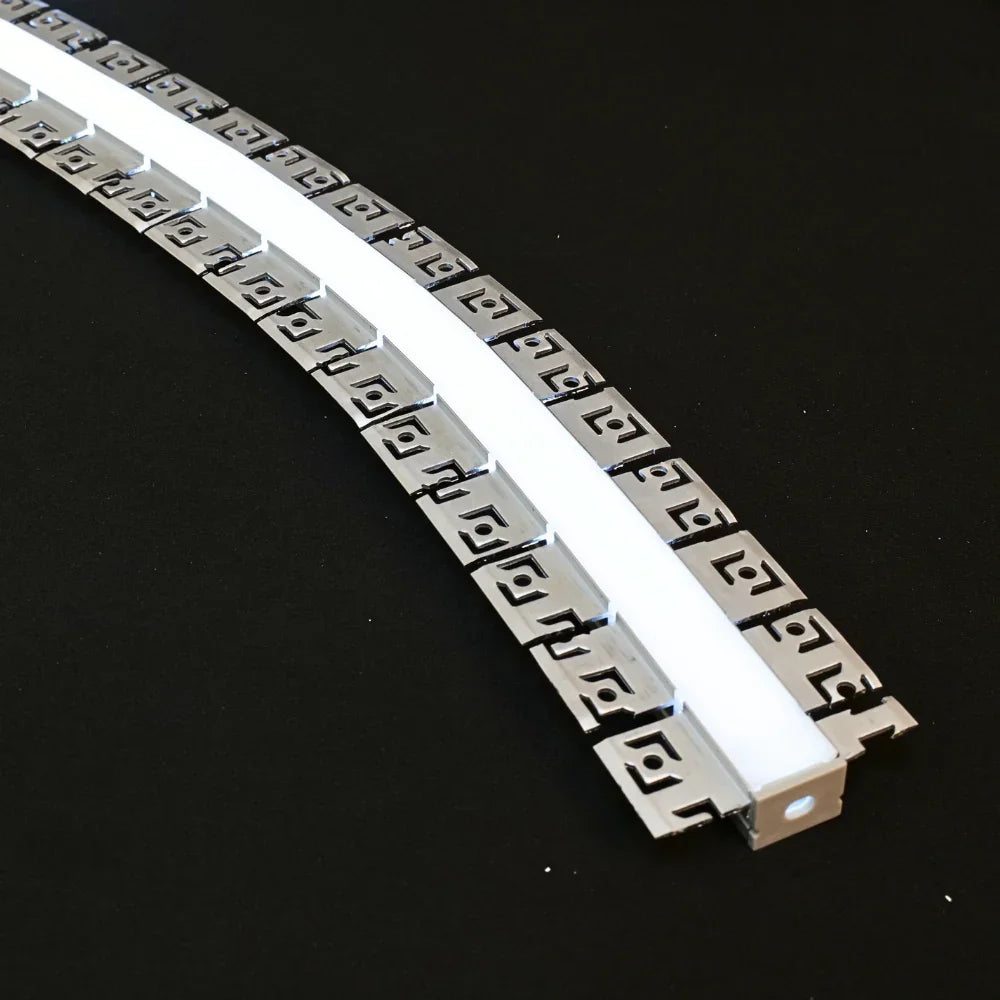
Bendable Plaster in Aluminium Profile For LED Strip 2 & 3 Metre

Bendable Plaster in Aluminium Profile Recessed For LED Strip 2 & 3 Metre
  • Horizontal & Top Bend
  • (L)61.3mm x (W)20mm x (H)15mm
  • Max Strip Width 15.3mm
  • Front & End Cap Included
  • Indoor Use
  • Length 2 & 3 Metre
Regular price From £24.95
Sale price From £24.95 Regular price
View Product
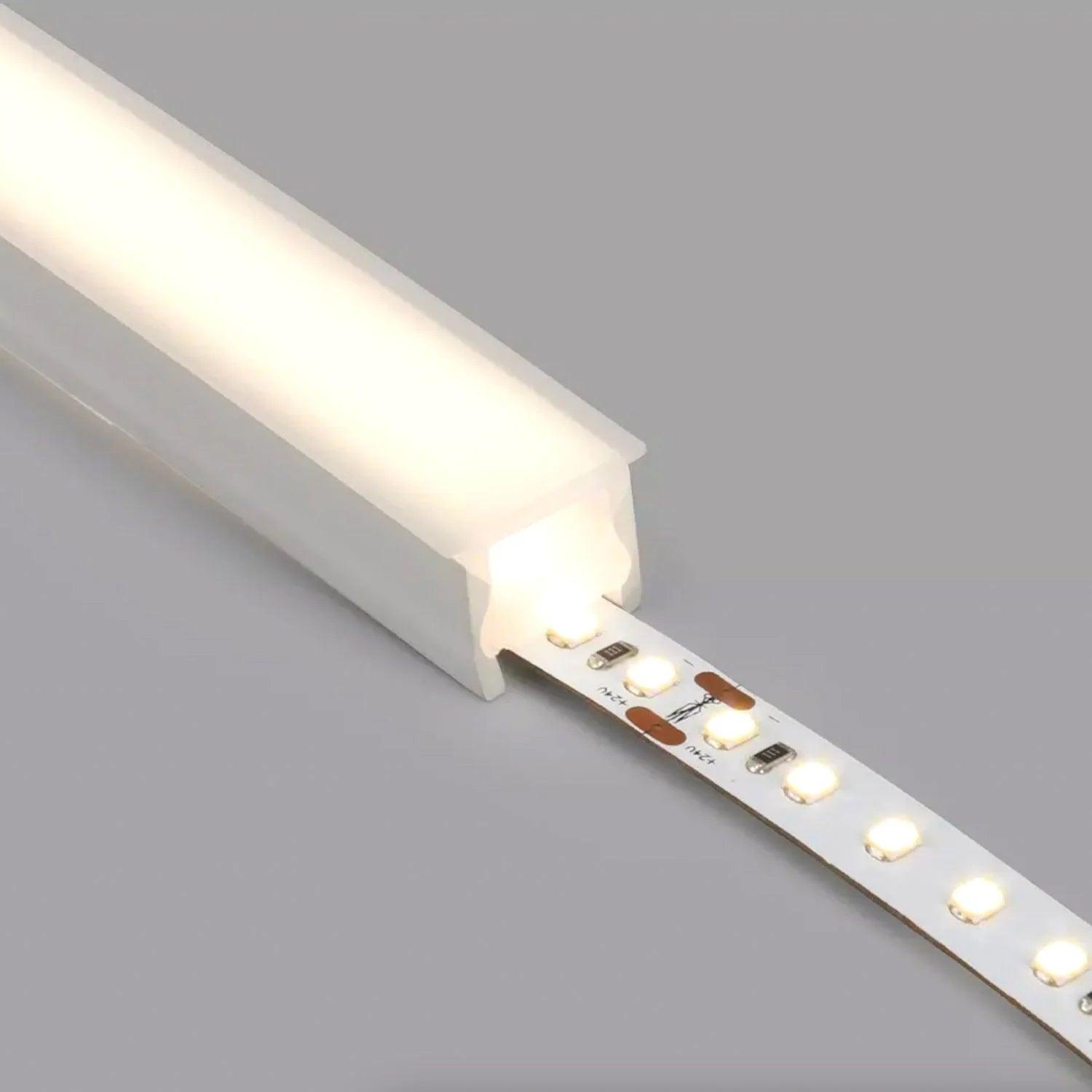
LED Strip Silicone Neon Flex Profile Cover Body Flexible Bendable

LED Neon Flex & LED Strip Silicone Cover Body Flexible Bendable 30x20mm
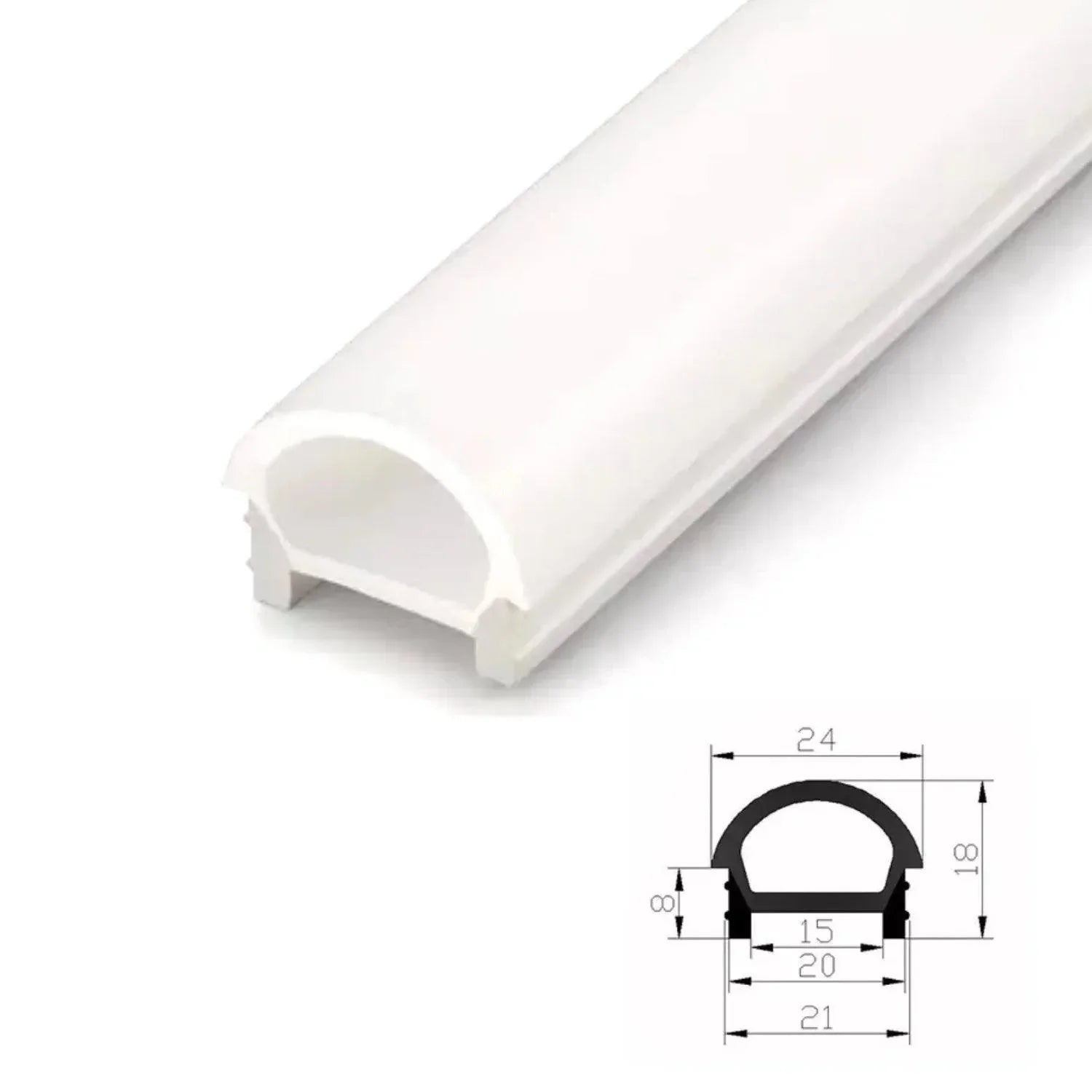
Regular price From £8.65
Sale price From £8.65 Regular price
View Product
LED Neon Flex & LED Strip Silicone Cover Curve Body Flexible Bendable 15x20mm - ATOM LED
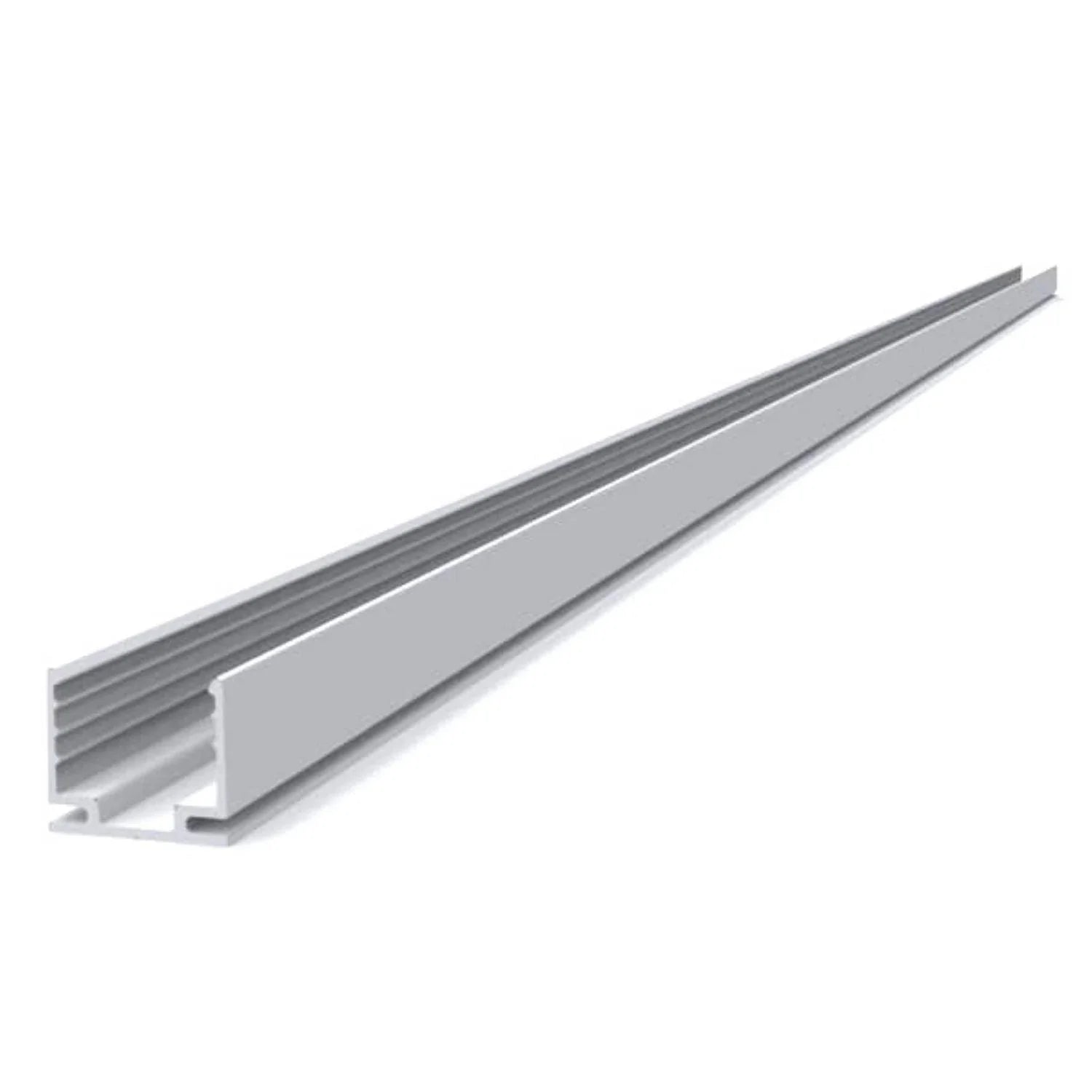
LED Neon Flex & LED Strip Silicone Cover Curve Body Flexible Bendable 15x20mm

Regular price From £7.86
Sale price From £7.86 Regular price
View Product
LED Neon Flex 15x25mm Aluminium Channel Mounting Track 1 Metre - ATOM LED
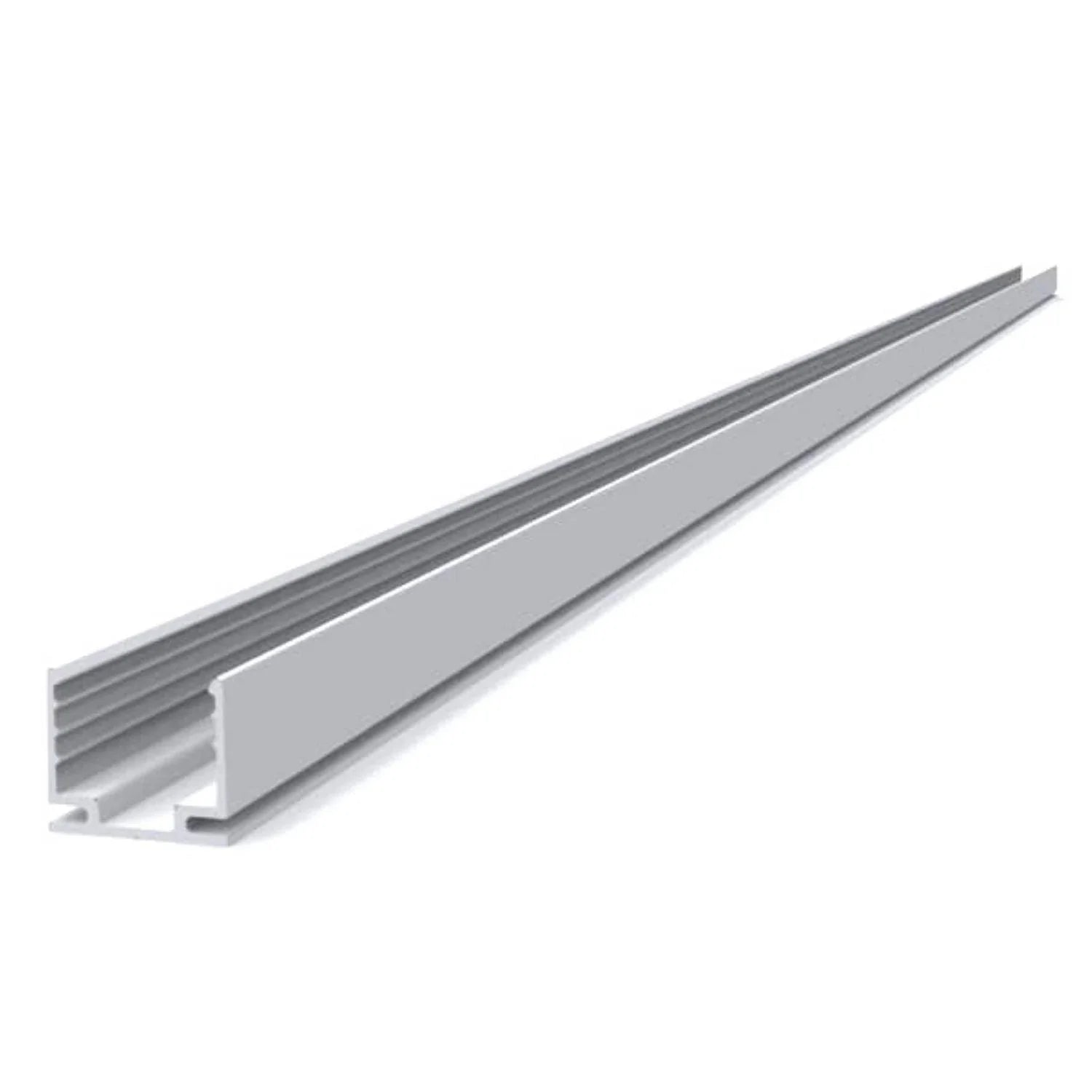
LED Neon Flex 13x13mm Aluminium Channel Mounting Track 1 Metre
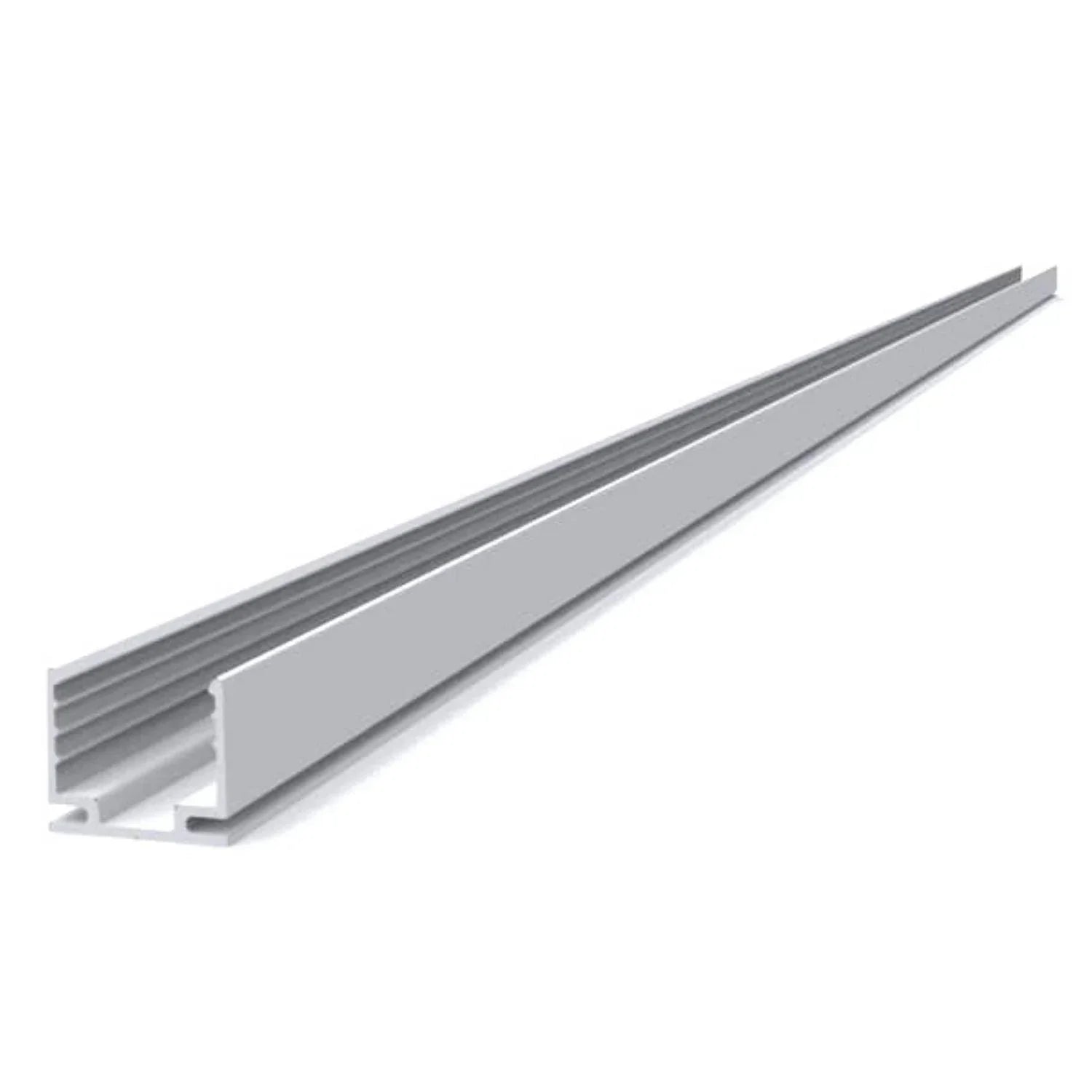
Regular price £6.95
Sale price £6.95 Regular price
LED Neon Flex 14x25mm Aluminium Channel Mounting Track 1 Metre - ATOM LED
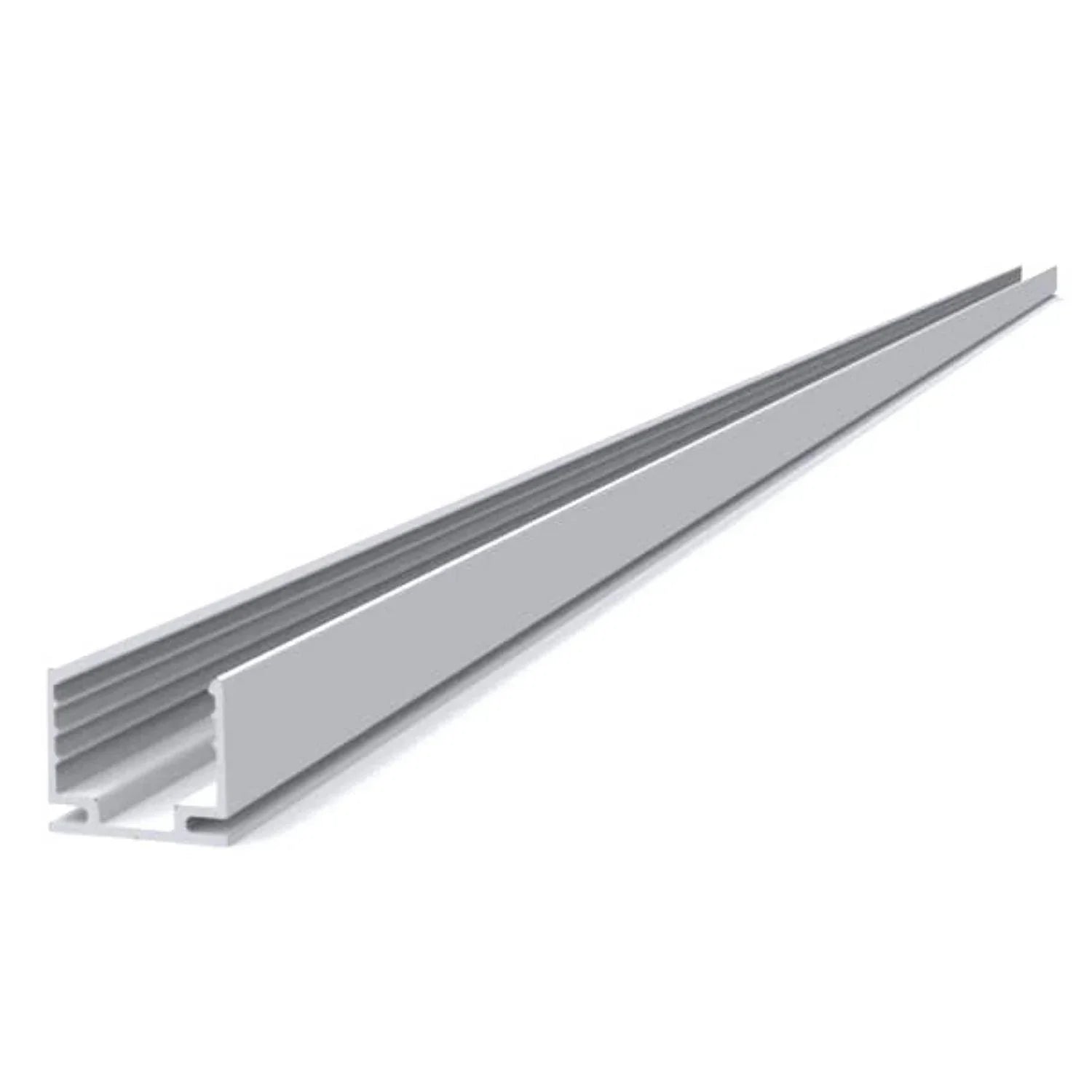
LED Neon Flex 14x25mm Aluminium Channel Mounting Track 1 Metre

Regular price £6.95
Sale price £6.95 Regular price
LED Neon Flex 15x25mm Aluminium Channel Mounting Track 1 Metre - ATOM LED

LED Neon Flex 15x25mm Aluminium Channel Mounting Track 1 Metre

Regular price £6.95
Sale price £6.95 Regular price
LED Neon Flex 16x16mm Aluminium Channel Mounting Track 1 Metre - ATOM LED

LED Neon Flex 16x16mm Aluminium Channel Mounting Track 1 Metre

Regular price £6.95
Sale price £6.95 Regular price
LED Neon Flex 6x12mm Aluminium Channel Mounting Track 1 Metre - ATOM LED

LED Neon Flex 6x12mm Aluminium Channel Mounting Track 1 Metre

Regular price £6.95
Sale price £6.95 Regular price
LED Neon Flex 6x12mm Aluminium Channel Mounting Track 1 Metre - ATOM LED

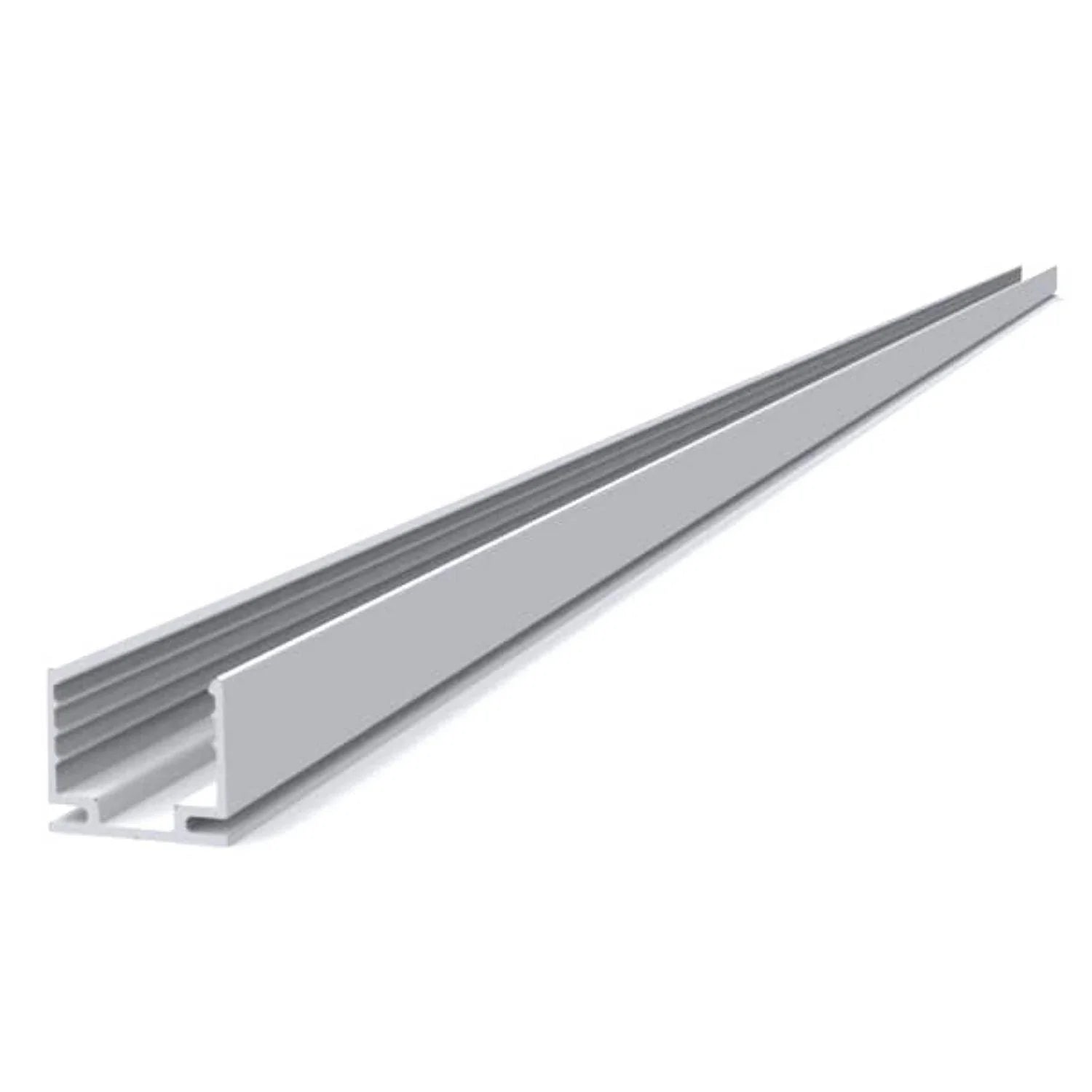
LED Neon Flex 6x12mm IP67 Flat Shape Aluminium Channel Track 1 Metre
Regular price £6.95
Sale price £6.95 Regular price
LED Neon Flex Aluminium Channel Mounting Track for 10x18mm Neon Flex 1 Metre - ATOM LED
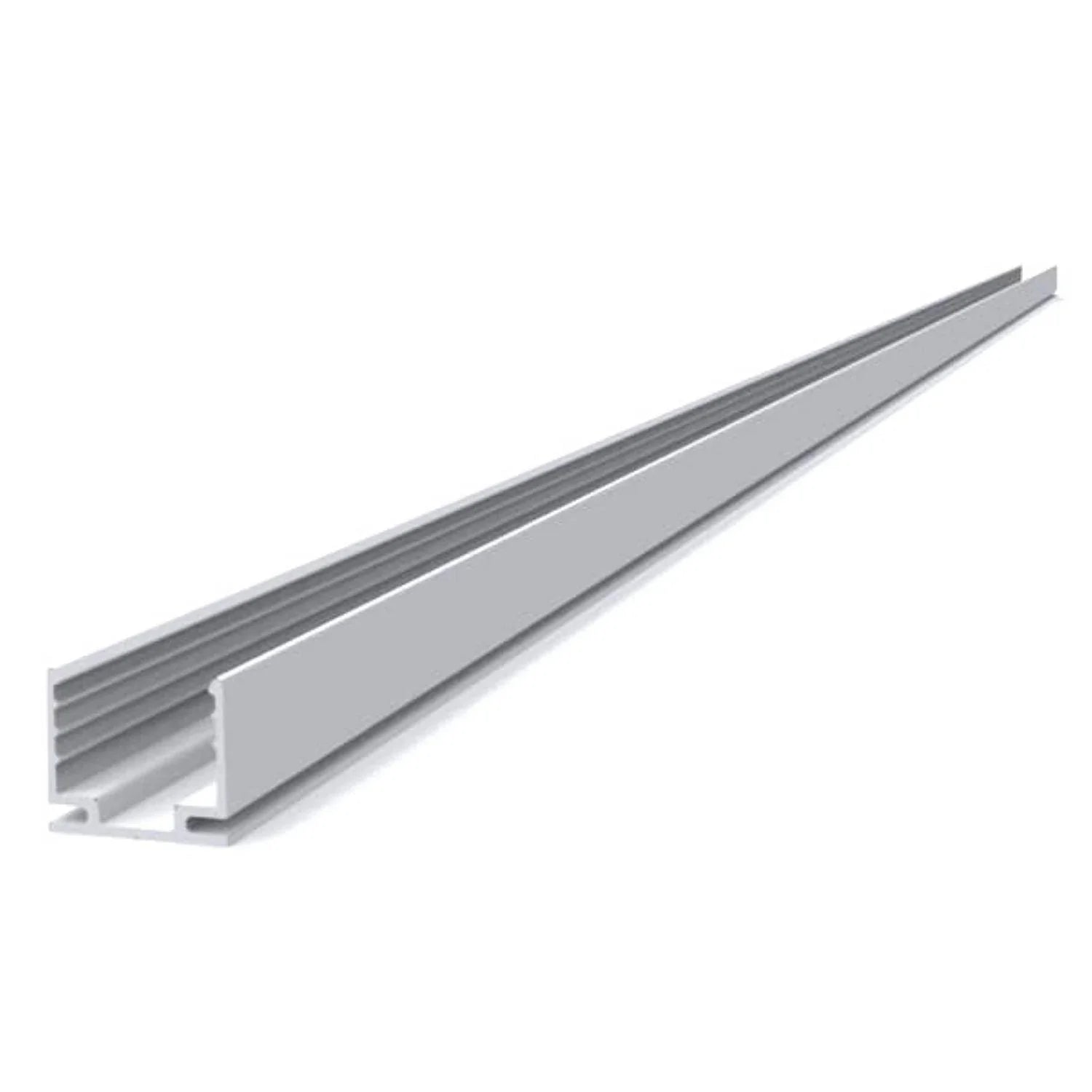
LED Neon Flex Aluminium Channel Mounting Track for 10x18mm Neon Flex 1 Metre

Regular price £6.50
Sale price £6.50 Regular price
LED Neon Flex Aluminium Channel Mounting Track for 10x20mm Neon Flex 1 Metre - ATOM LED
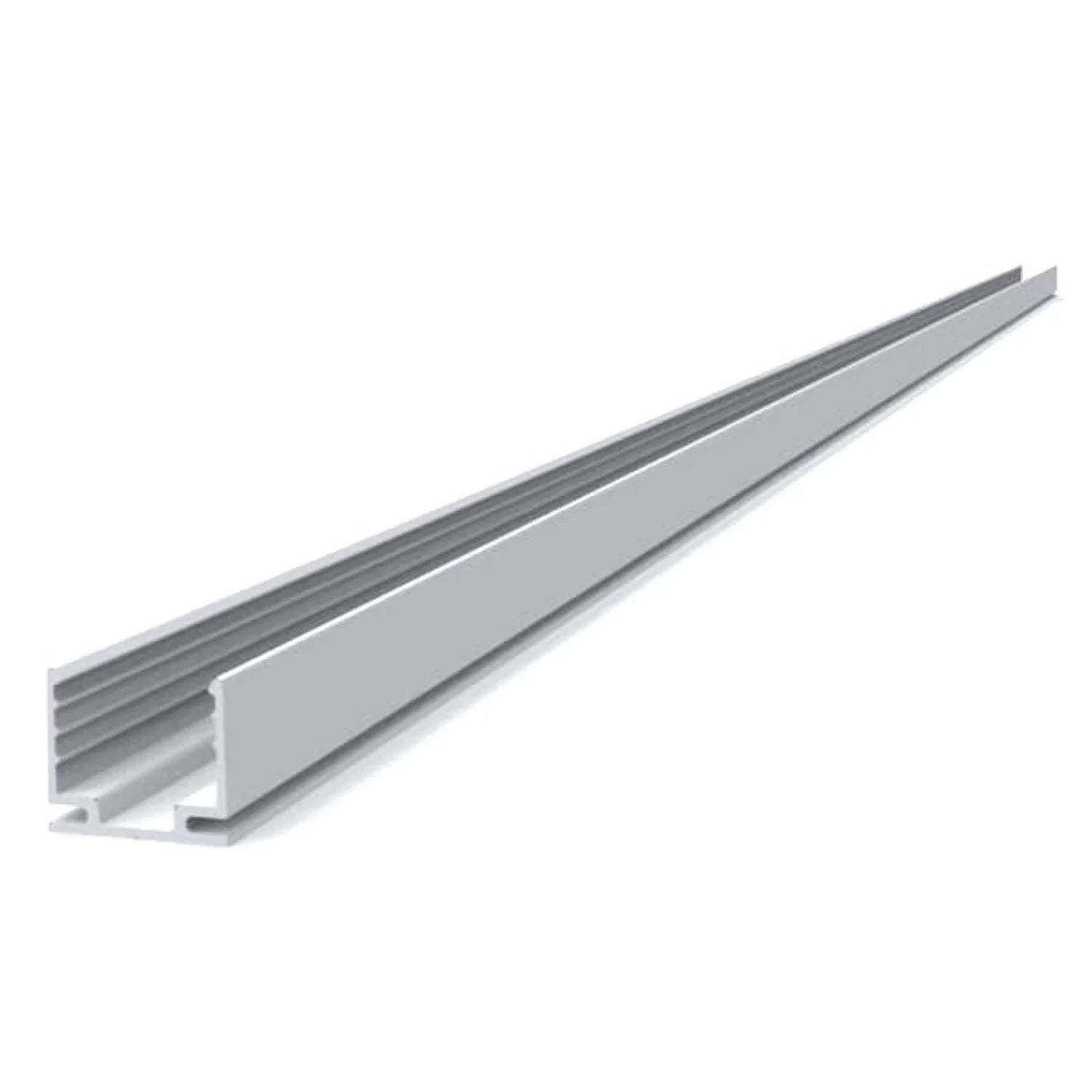
LED Neon Flex Aluminium Channel Mounting Track for 10x20mm Neon Flex 1 Metre

Regular price £6.95
Sale price £6.95 Regular price
LED Neon Flex Aluminium Channel Mounting Track for 8x16mm Neon Flex 1 Metre - ATOM LED
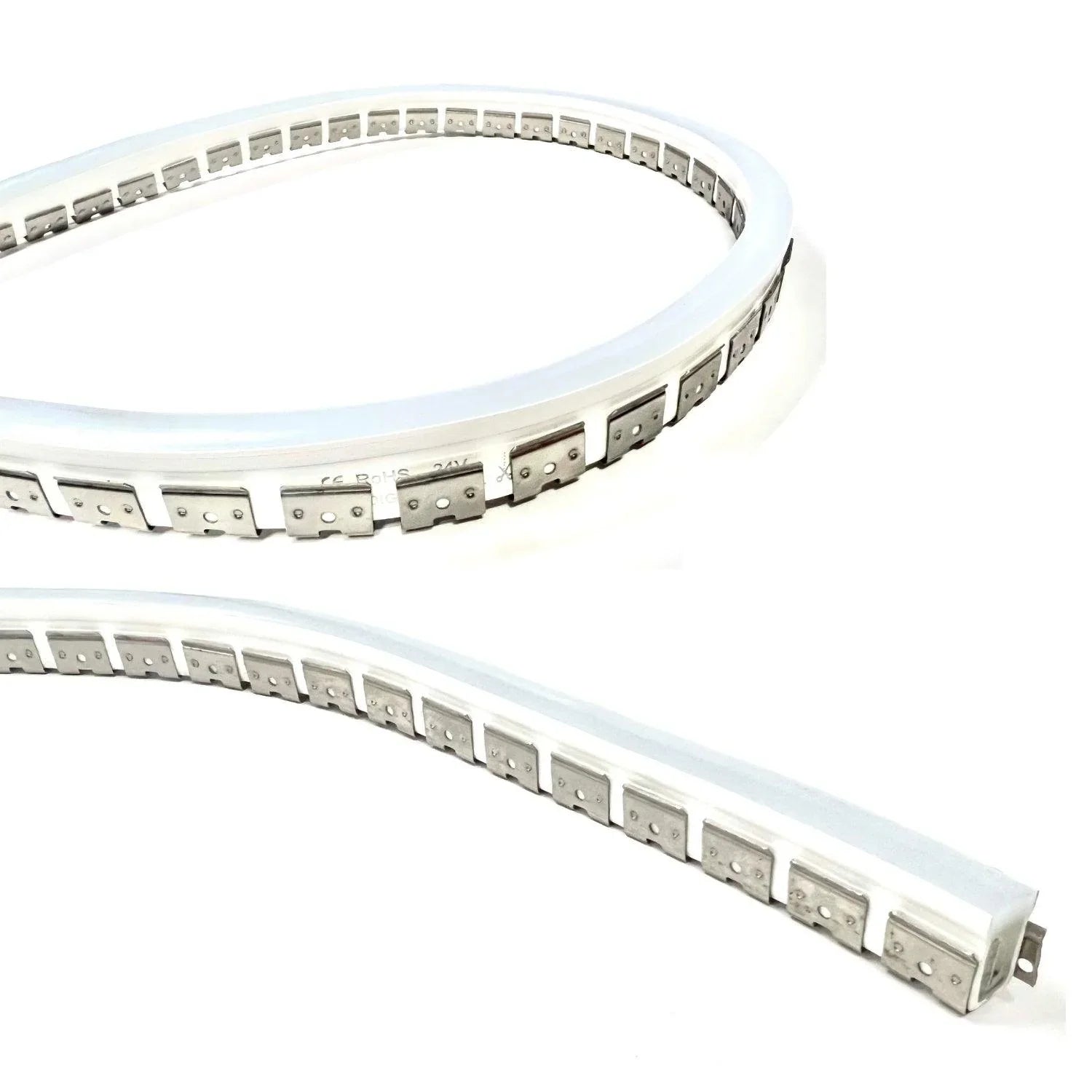
LED Neon Flex Aluminium Channel Mounting Track for 8x16mm Neon Flex 1 Metre

Regular price £6.50
Sale price £6.50 Regular price
LED Neon Flex Bendable Aluminium Channel Mounting Track for 10x18mm Neon Flex 1 Metre - ATOM LED
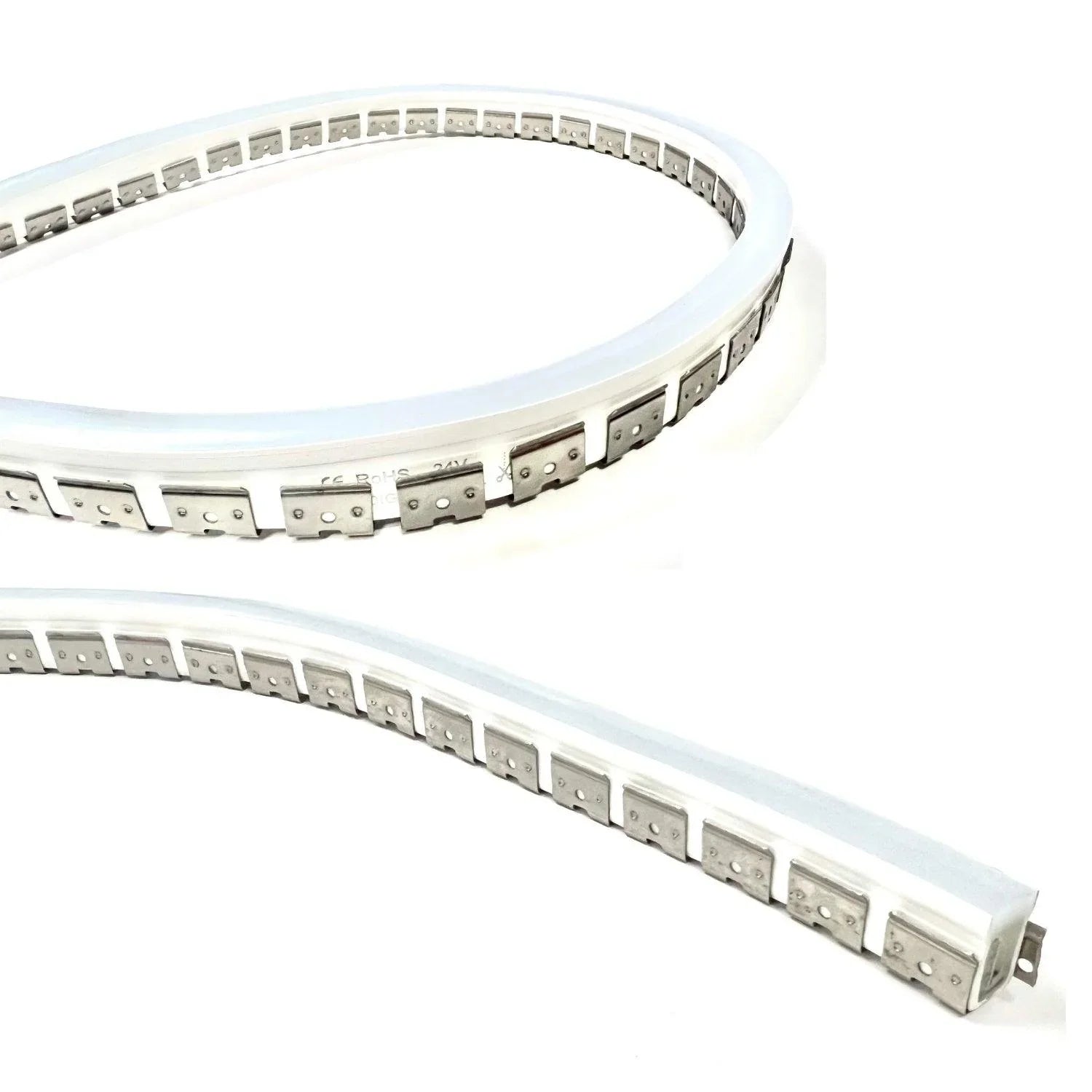
LED Neon Flex Bendable Aluminium Channel Mounting Track for 10x18mm Neon Flex 1 Metre

Regular price From £8.73
Sale price From £8.73 Regular price
View Product
LED Neon Flex Bendable Aluminium Channel Mounting Track for 10x20mm Neon Flex 1 Metre - ATOM LED
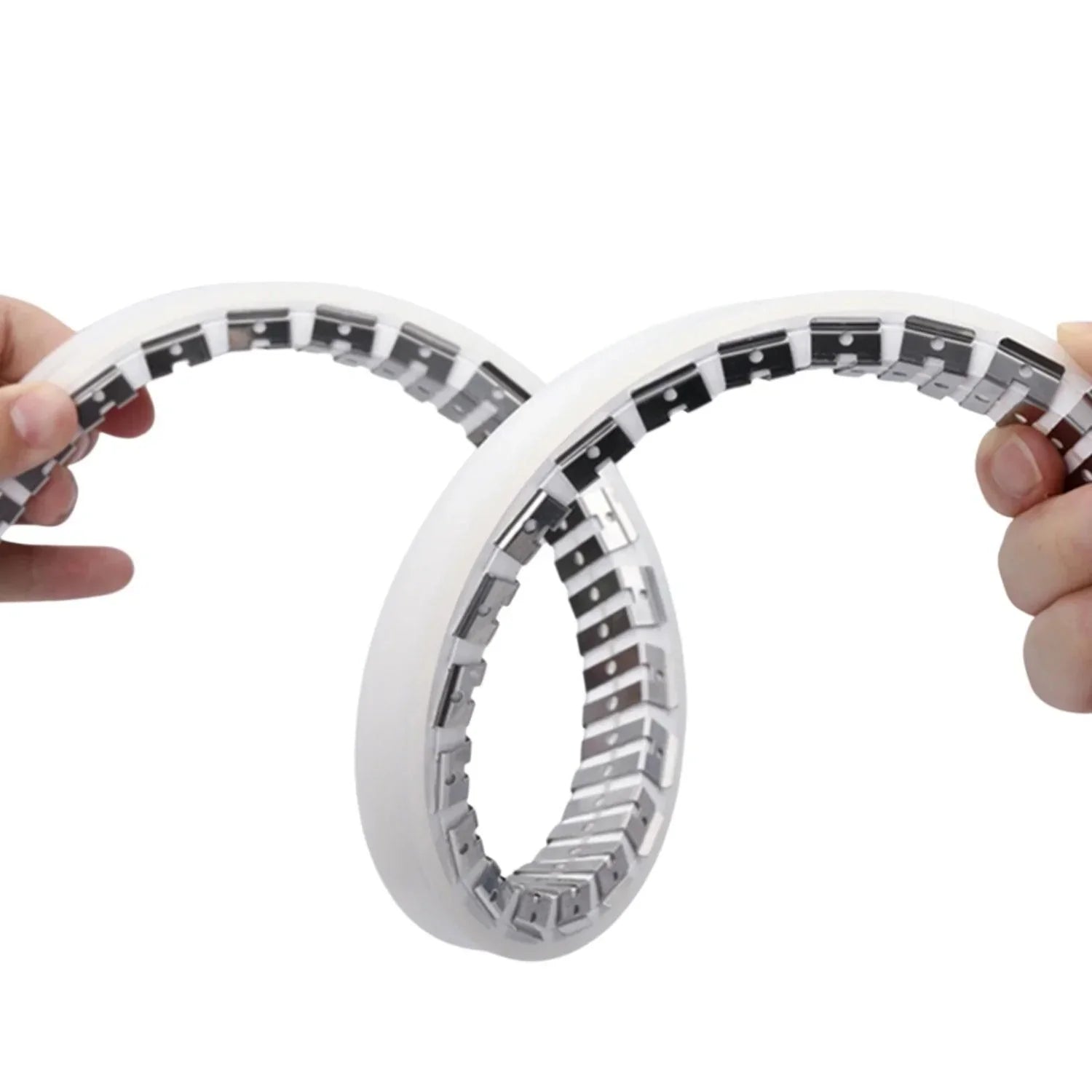
LED Neon Flex Bendable Aluminium Channel Mounting Track for 10x20mm Neon Flex 1 Metre

Regular price From £8.73
Sale price From £8.73 Regular price
View Product
LED Neon Flex Bendable Aluminium Channel Mounting Track for 16x16mm Neon Flex 1 Metre - ATOM LED
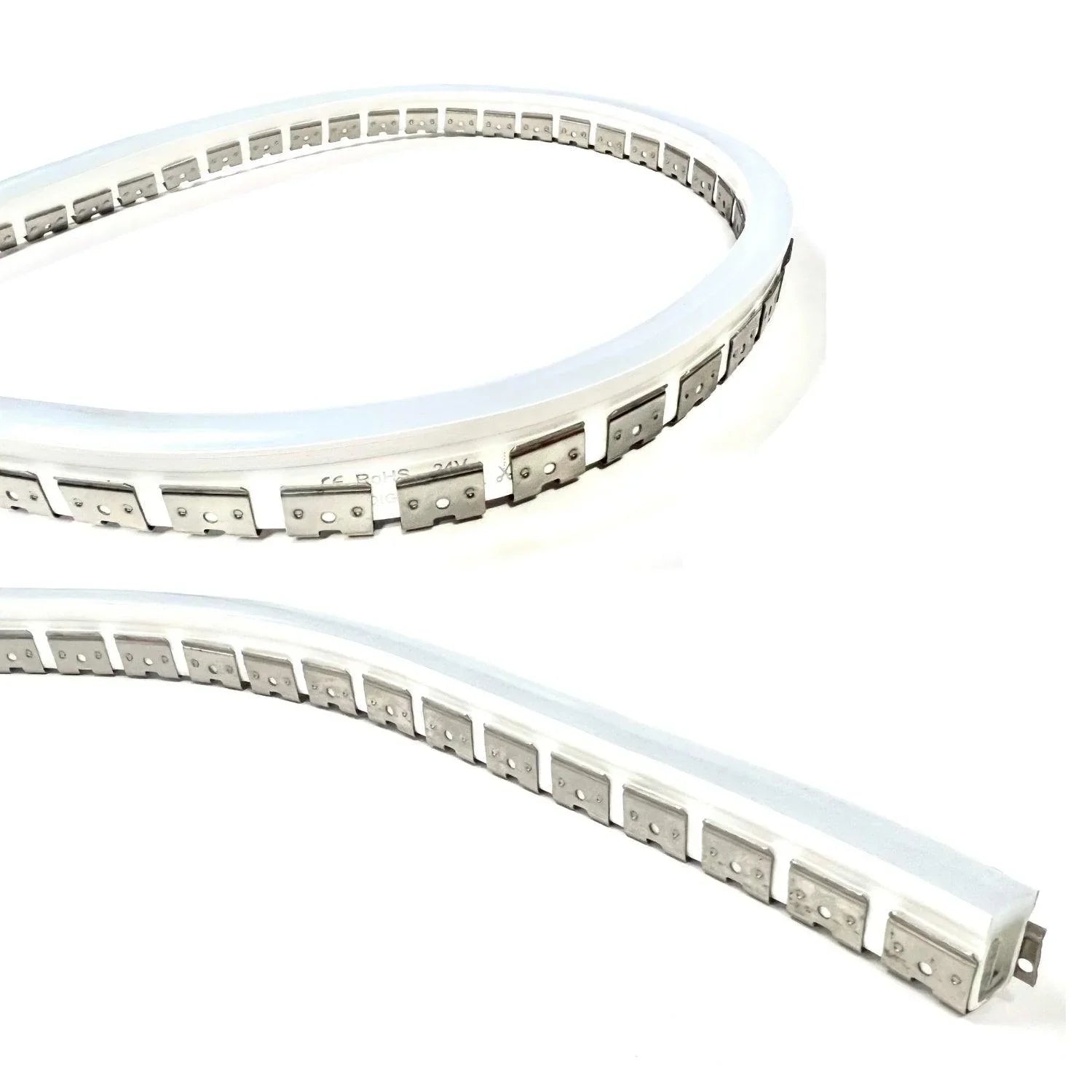
LED Neon Flex Bendable Aluminium Channel Mounting Track for 16x16mm Neon Flex 1 Metre

Regular price From £8.73
Sale price From £8.73 Regular price
View Product
LED Neon Flex Bendable Aluminium Channel Mounting Track for 8x16mm Neon Flex 1 Metre - ATOM LED
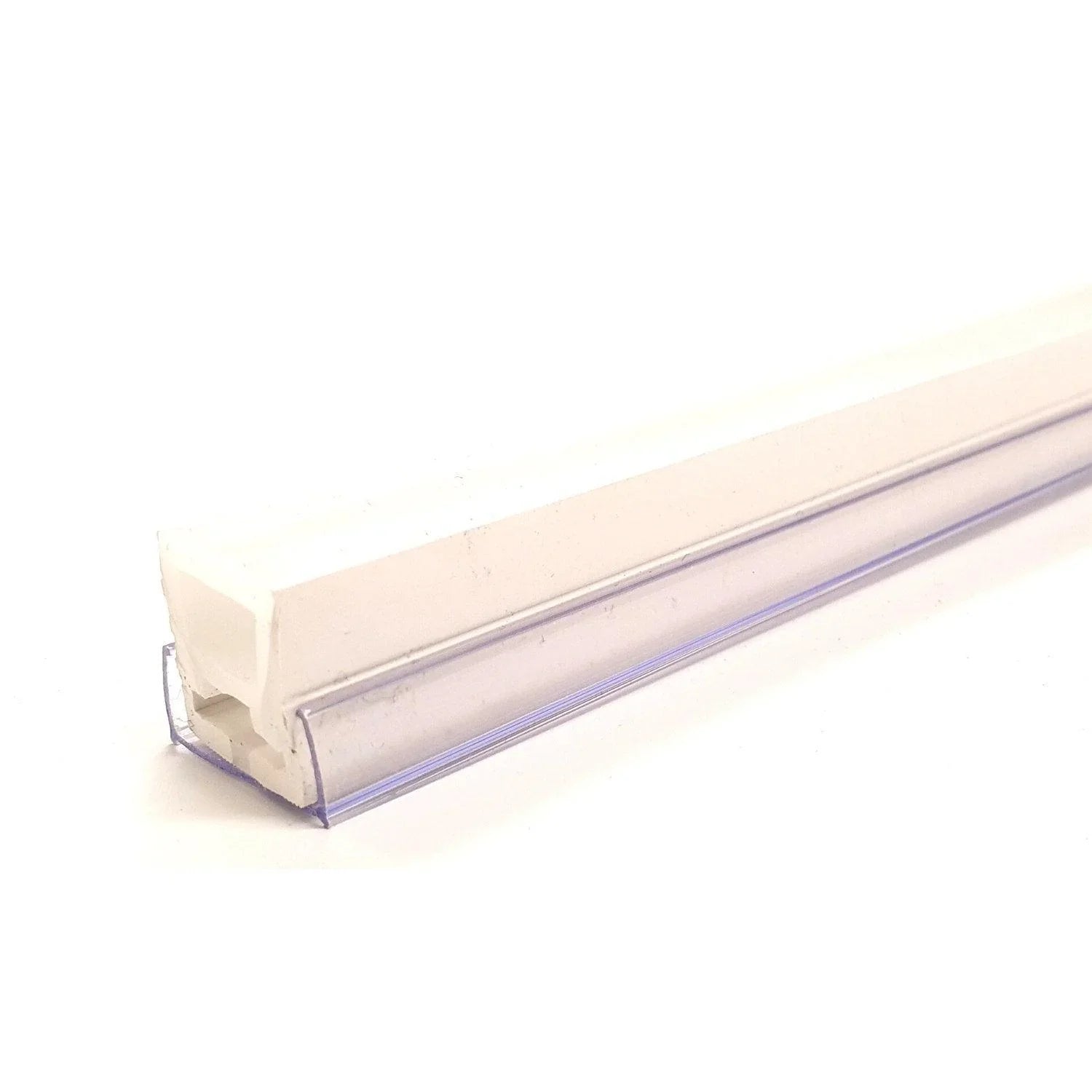
LED Neon Flex Bendable Aluminium Channel Mounting Track for 6x12mm Neon Flex 1 Metre

  • Bendable Profile
  • 6x12mm Neon Flex
  • 50m Run
  • 7 Year Warranty
  • Indoor Use
  • Outdoor Use
Regular price From £8.73
Sale price From £8.73 Regular price
View Product
LED Neon Flex Bendable Aluminium Channel Mounting Track for 8x16mm Neon Flex 1 Metre - ATOM LED

LED Neon Flex Bendable Aluminium Channel Mounting Track for 8x16mm Neon Flex 1 Metre

Regular price From £8.73
Sale price From £8.73 Regular price
View Product
LED Neon Flex Clear PVC Channel Mounting Track Profile 16x16mm Neon Flex 1 Metre - ATOM LED
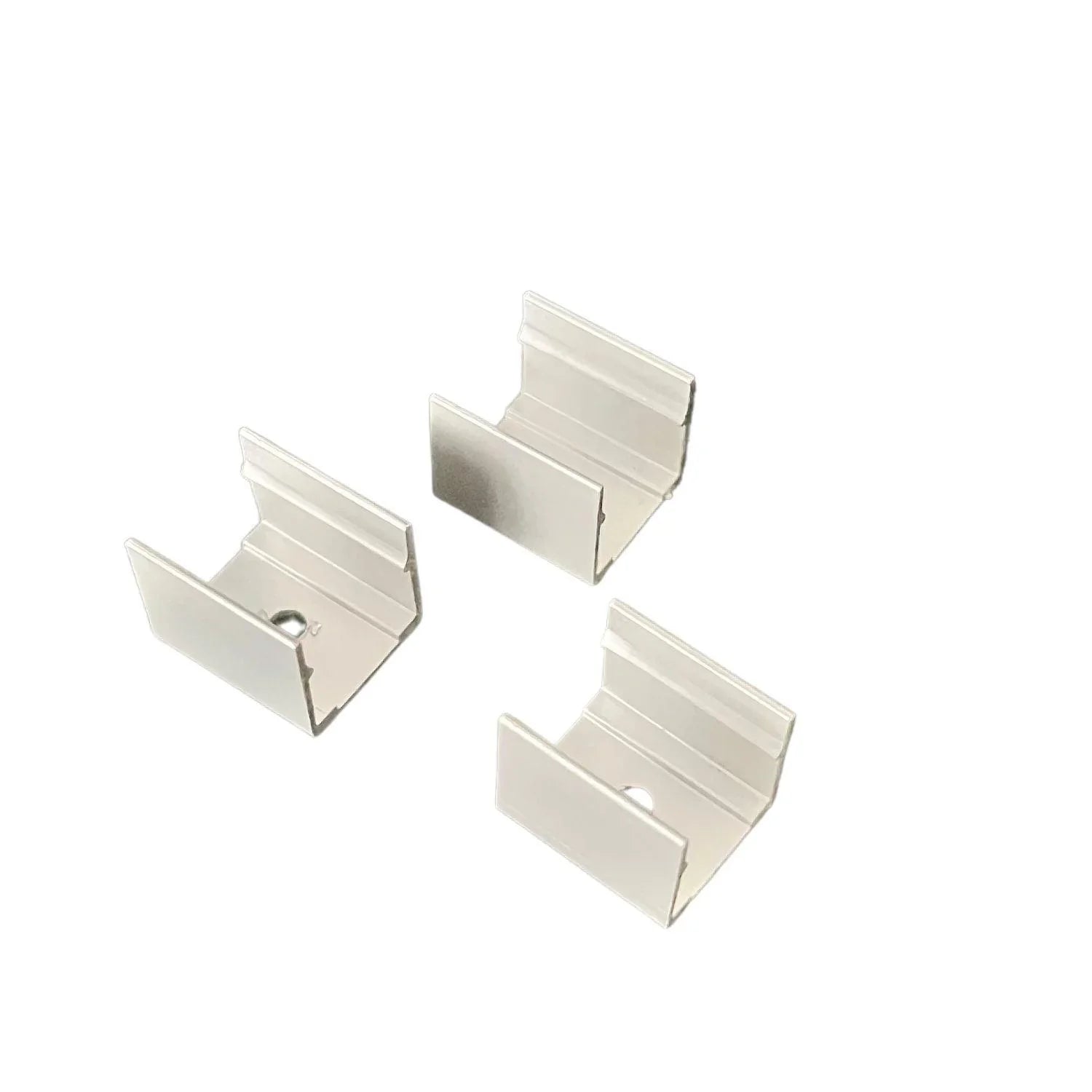
LED Neon Flex Clear PVC Channel Mounting Track Profile 16x16mm Neon Flex 1 Metre

Regular price £5.20
Sale price £5.20 Regular price
LED Neon Flex Clips 16x16mm Flat Shape Aluminium Mounting Clip - ATOM LED
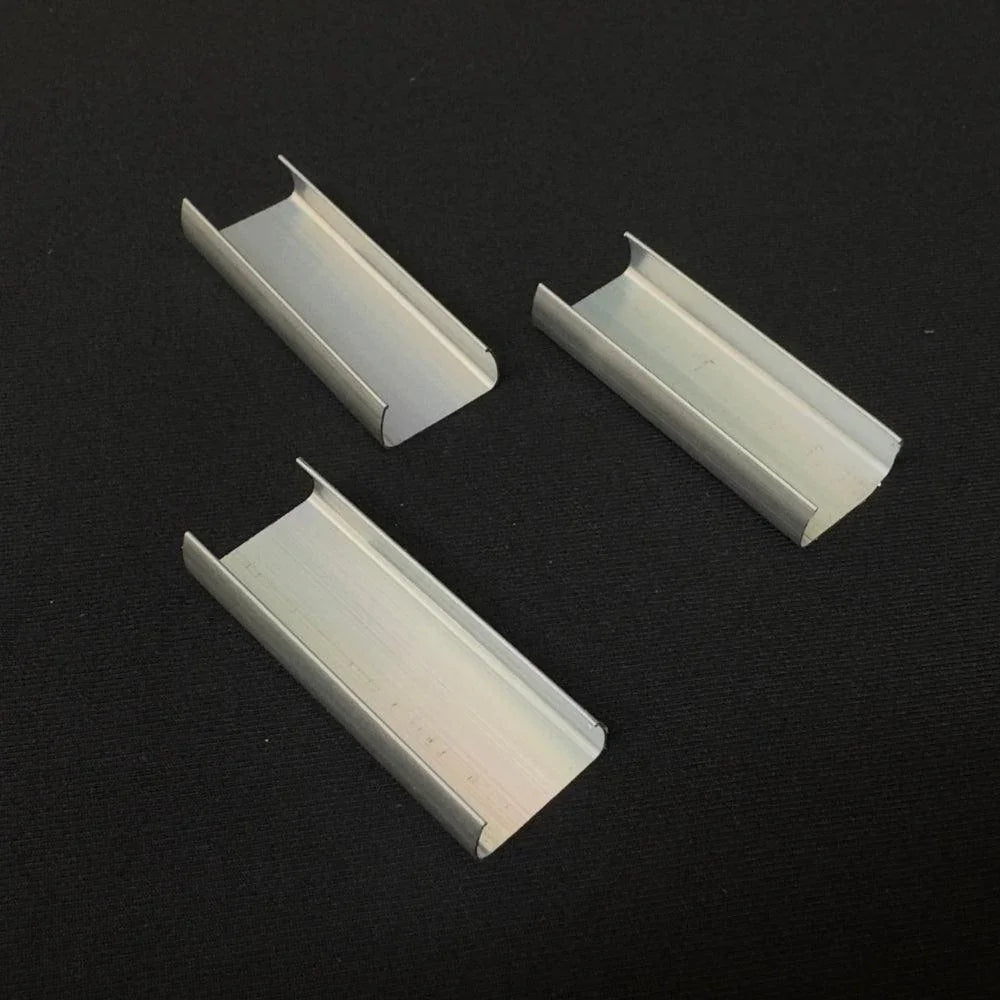
LED Neon Flex Clips 16x16mm Flat Shape Aluminium Mounting Clip

Regular price From £6.95
Sale price From £6.95 Regular price
View Product
Led neon flex aluminium clips d shape 16x16mm

LED Neon Flex Clips for D Shape 16x16mm Aluminium Clips

Regular price From £10.85
Sale price From £10.85 Regular price
View Product
LED Neon Flex 16x16mm Aluminium Channel Mounting Track 1 Metre - ATOM LED
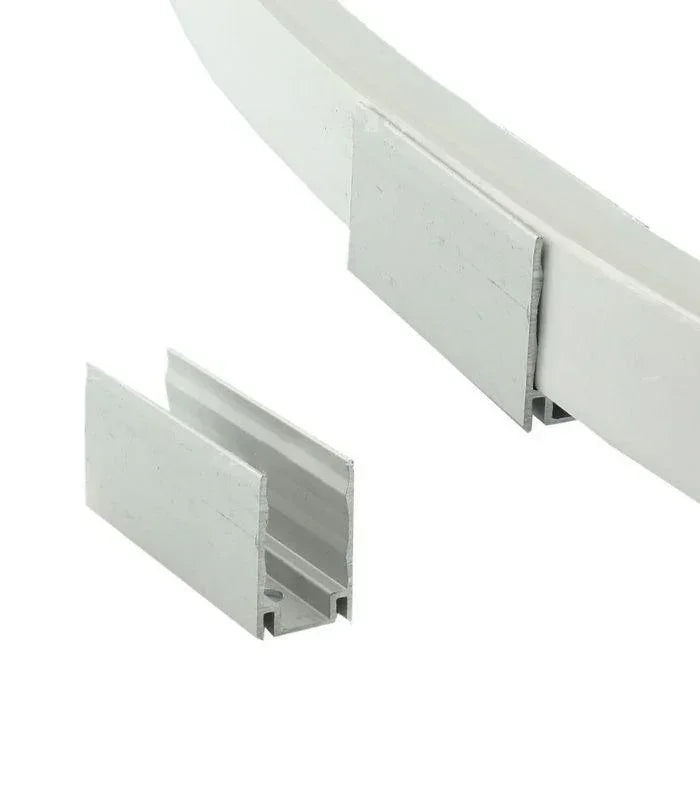
LED Neon Flex D Shape 16x16mm Aluminium Channel Mounting Track 1 Metre

Regular price £6.95
Sale price £6.95 Regular price
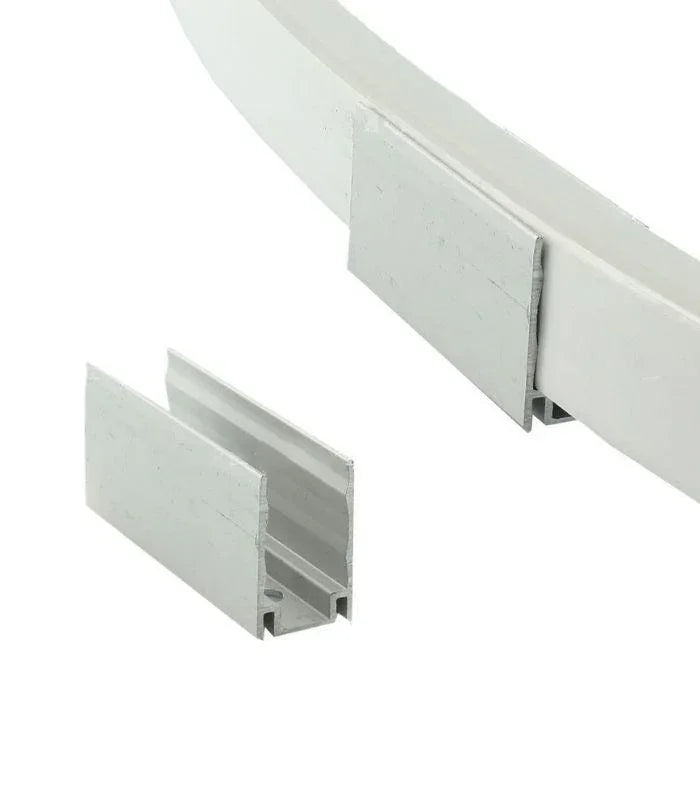
LED Neon Flex Light Connecting Aluminium Mounting For 6x12mm Clip x 10 - ATOM LED

LED Neon Flex Flat Shape Aluminium Mounting For 6x12mm IP67 Clip x 10
Regular price £10.34
Sale price £10.34 Regular price
LED Neon Flex Light Connecting 10x20mm Aluminium Mounting Clip x 10 - ATOM LED

LED Neon Flex Light Connecting 10x20mm Aluminium Mounting Clip x 10

Regular price £10.95
Sale price £10.95 Regular price
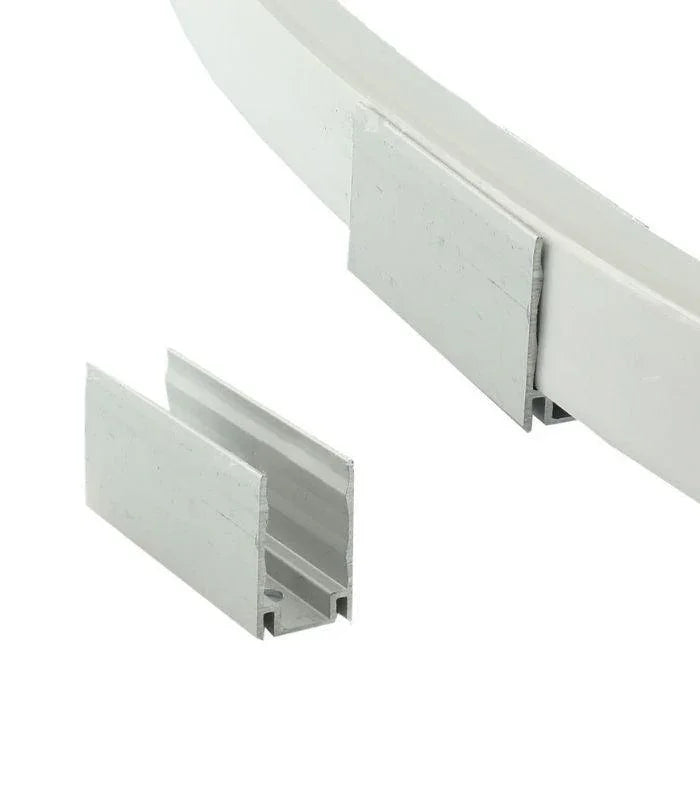
LED Neon Flex Light Connecting 10x20mm Aluminium Mounting Clip x 10 - ATOM LED

LED Neon Flex Light Connecting 12x20mm Aluminium Mounting Clip x 10
Regular price £10.95
Sale price £10.95 Regular price
LED Neon Flex Light Connecting 16x16mm Aluminium Mounting Clip - ATOM LED
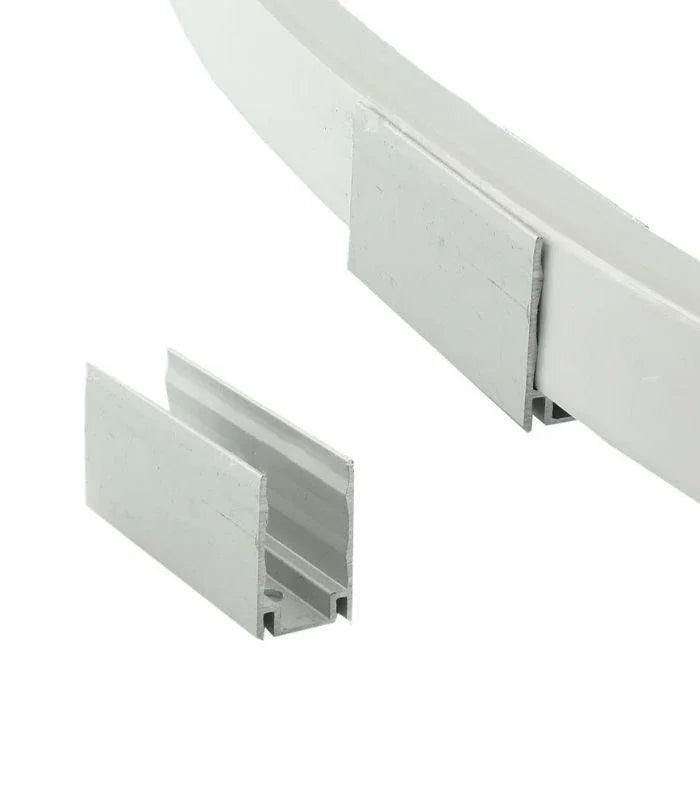
LED Neon Flex Light Connecting 16x16mm Aluminium Mounting Clip

Regular price From £7.88
Sale price From £7.88 Regular price
View Product
LED Neon Flex Light Connecting 8x16mm Aluminium Mounting Clip x 10 - ATOM LED
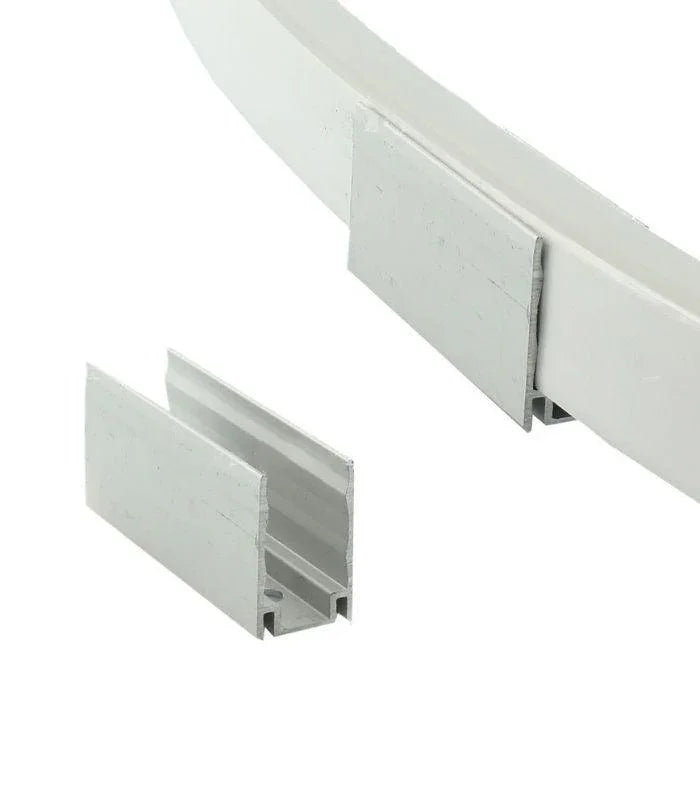
LED Neon Flex Light Connecting 8x16mm Aluminium Mounting Clip x 10

Regular price £10.34
Sale price £10.34 Regular price
LED Neon Flex Light Connecting Aluminium Mounting For 10x18mm Clip x 10 - ATOM LED
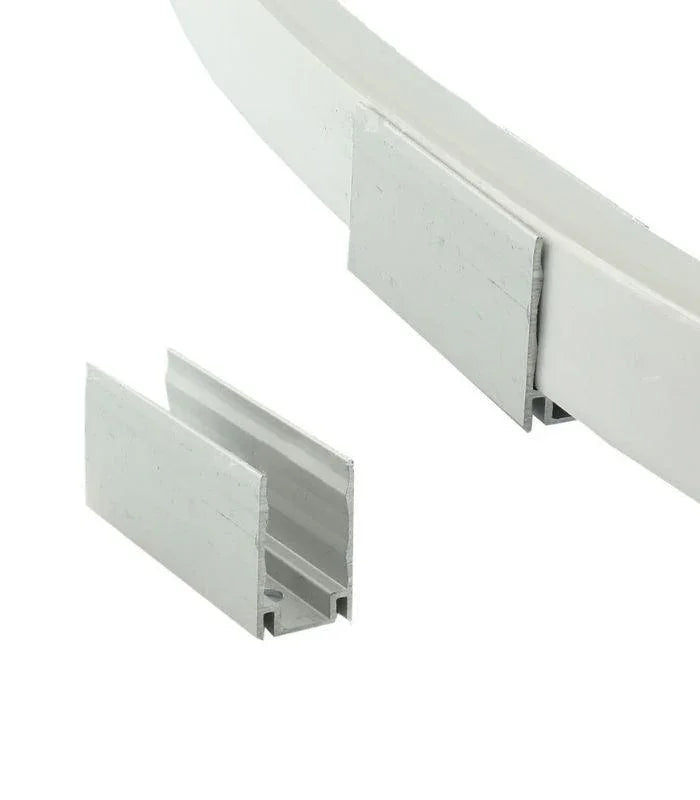
LED Neon Flex Light Connecting Aluminium Mounting For 10x18mm Clip x 10

Regular price £10.34
Sale price £10.34 Regular price
LED Neon Flex Light Connecting Aluminium Mounting For 14x25mm Clip x 10 - ATOM LED

LED Neon Flex Light Connecting Aluminium Mounting For 14x25mm Clip x 10

Regular price £11.95
Sale price £11.95 Regular price
LED Neon Flex Light Connecting Aluminium Mounting For 6x12mm Clip x 10 - ATOM LED
LED Neon Flex Light Connecting Aluminium Mounting For 4x10mm Clip x 10

Regular price £9.85
Sale price £9.85 Regular price
LED Neon Flex Light Connecting Aluminium Mounting For 6x12mm Clip x 10 - ATOM LED

LED Neon Flex Light Connecting Aluminium Mounting For 6x12mm Clip x 10

Regular price £10.34
Sale price £10.34 Regular price
LED Neon Flex PVC Plastic Channel Track Profile for 10x18mm Neon Flex 1 Metre - ATOM LED
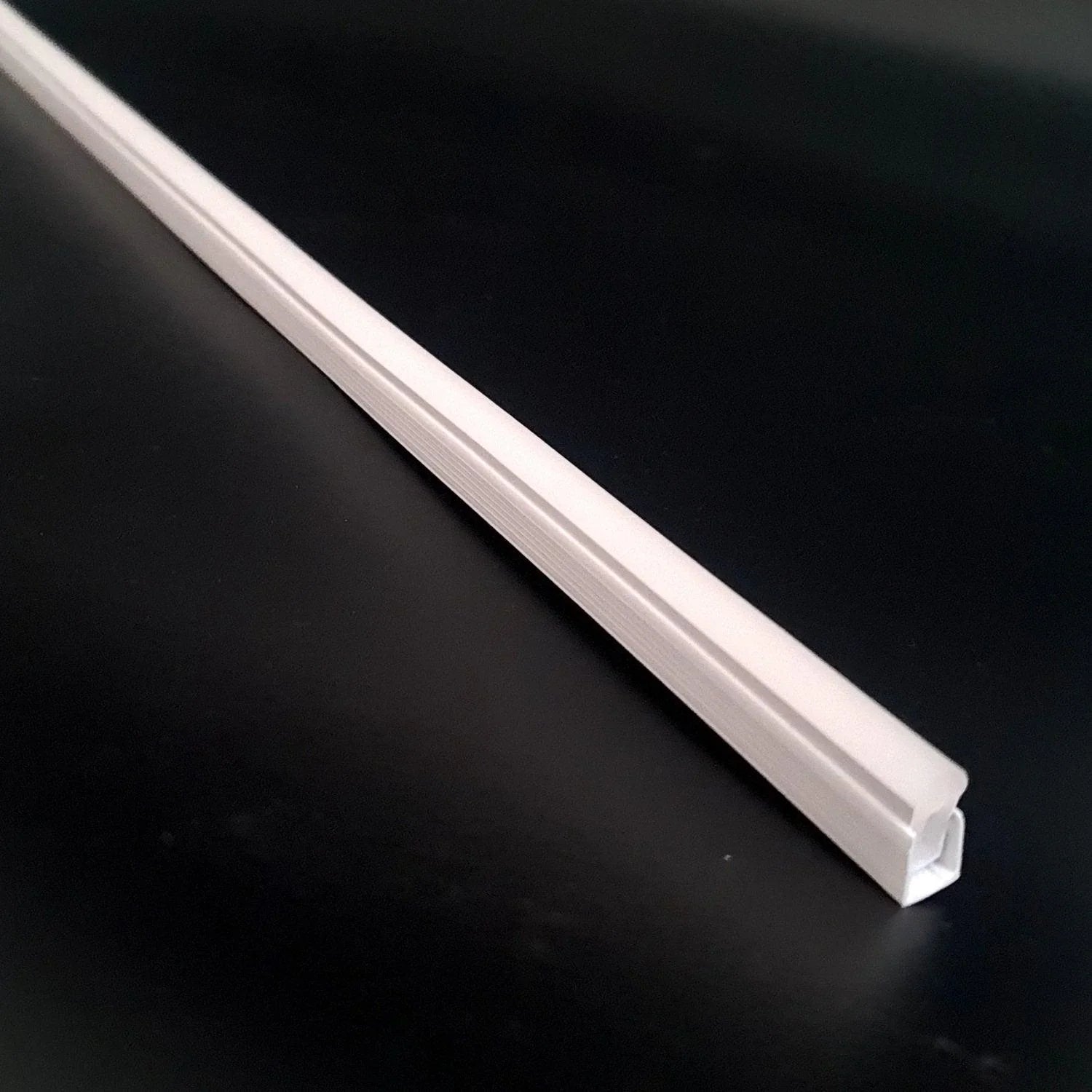
LED Neon Flex PVC Plastic Channel Track Profile for 10x18mm Neon Flex 1 Metre

Regular price £5.85
Sale price £5.85 Regular price
LED Neon Flex PVC Plastic Channel Track Profile for 8x16mm Neon Flex 1 Metre - ATOM LED
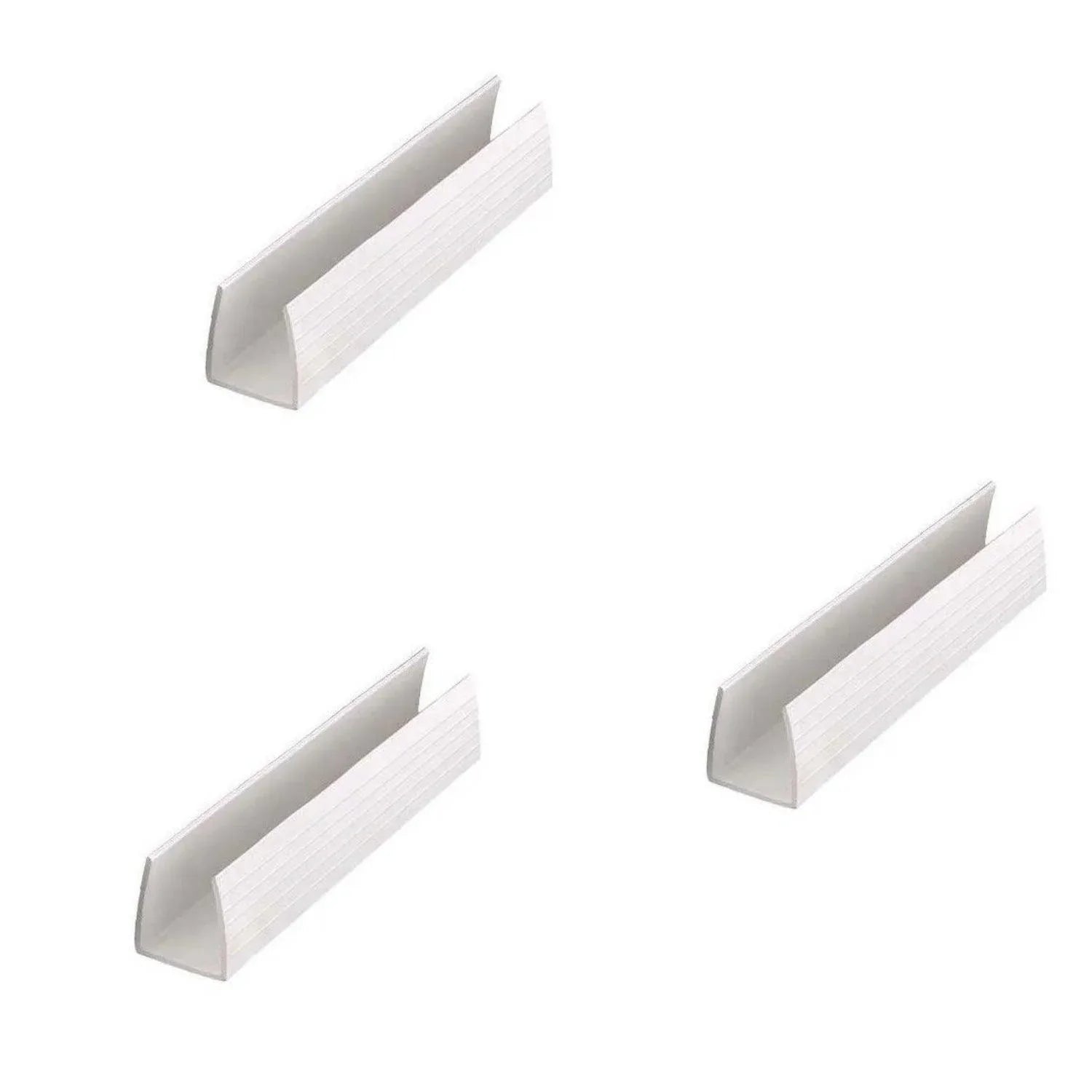
LED Neon Flex PVC Plastic Channel Track Profile for 8x16mm Neon Flex 1 Metre

Regular price £5.85
Sale price £5.85 Regular price
LED Neon Flex PVC Plastic Clips for 8x16mm Neon Flex x 10 - ATOM LED
LED Neon Flex PVC Plastic Clips for 8x16mm Neon Flex x 10

Regular price £8.95
Sale price £8.95 Regular price
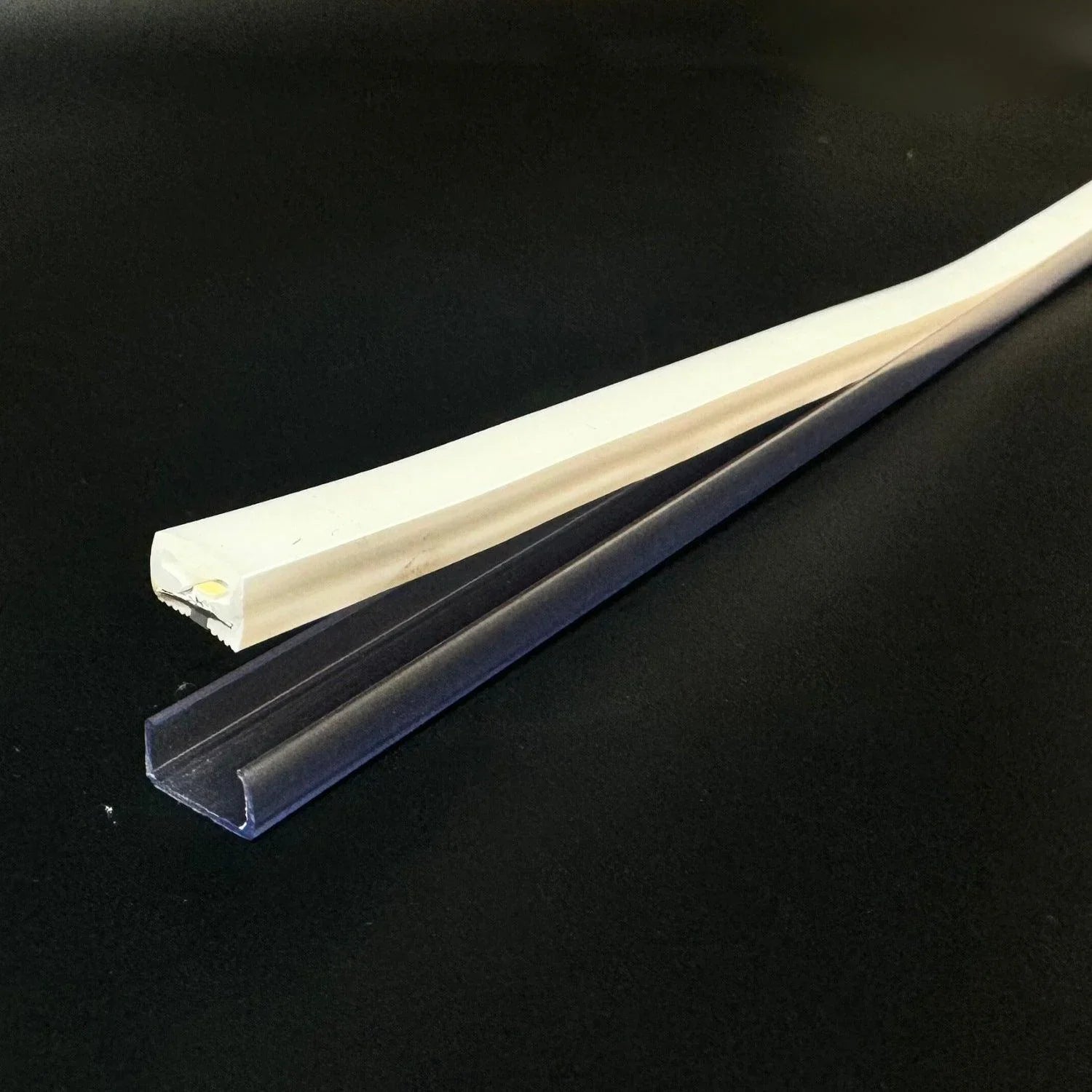
LED Neon Flex PVC Profile for 10x6mm Neon Flex 1 Metre - ATOM LED
LED Neon Flex PVC Profile for 10x6mm Neon Flex 1 Metre

Regular price £6.25
Sale price £6.25 Regular price
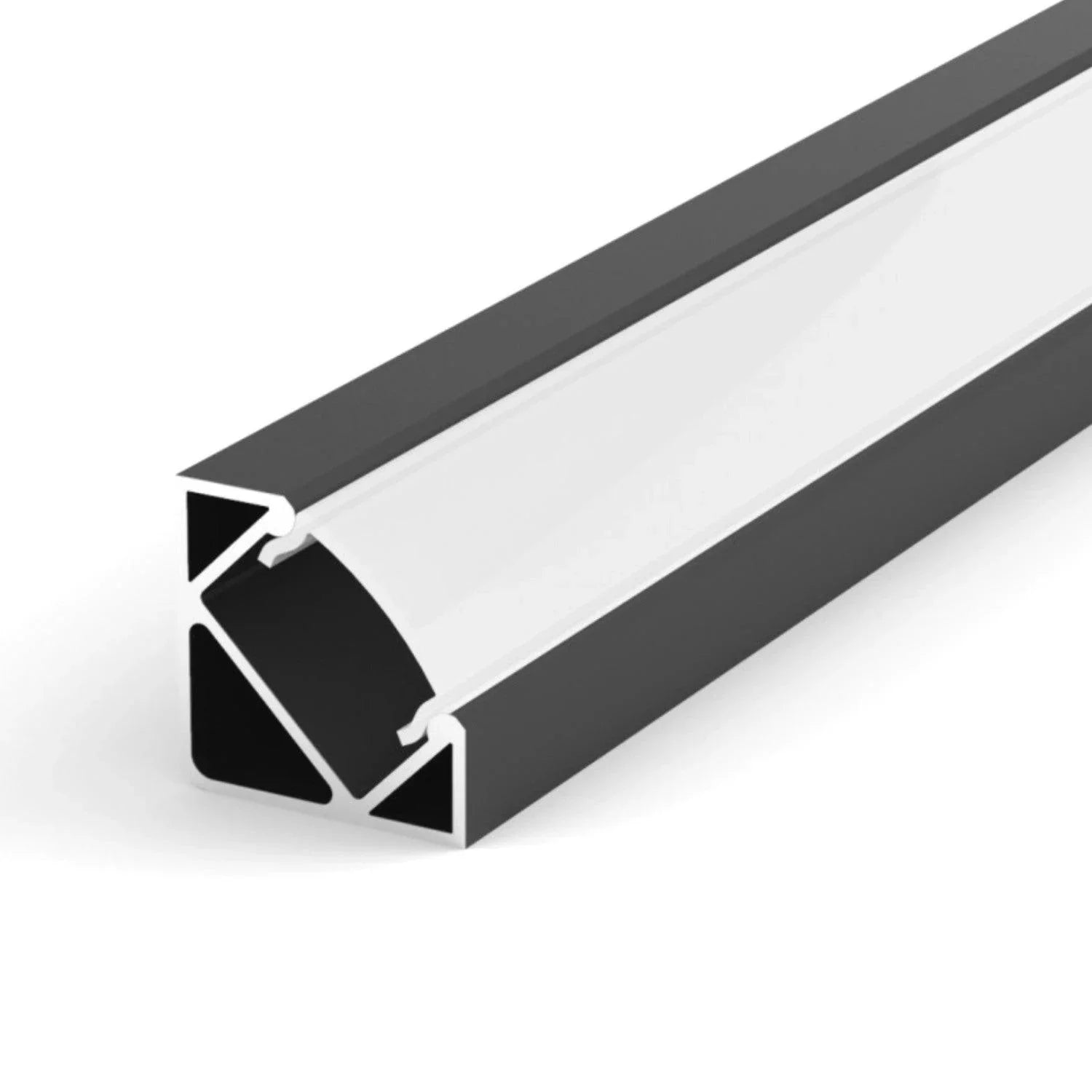
LED Strip Aluminium Corner Profile Black Milky Cover Channel 19x19mm - ATOM LED
LED Strip Aluminium Corner Profile Black Milky Cover Channel 19x19mm

Regular price £11.75
Sale price £11.75 Regular price
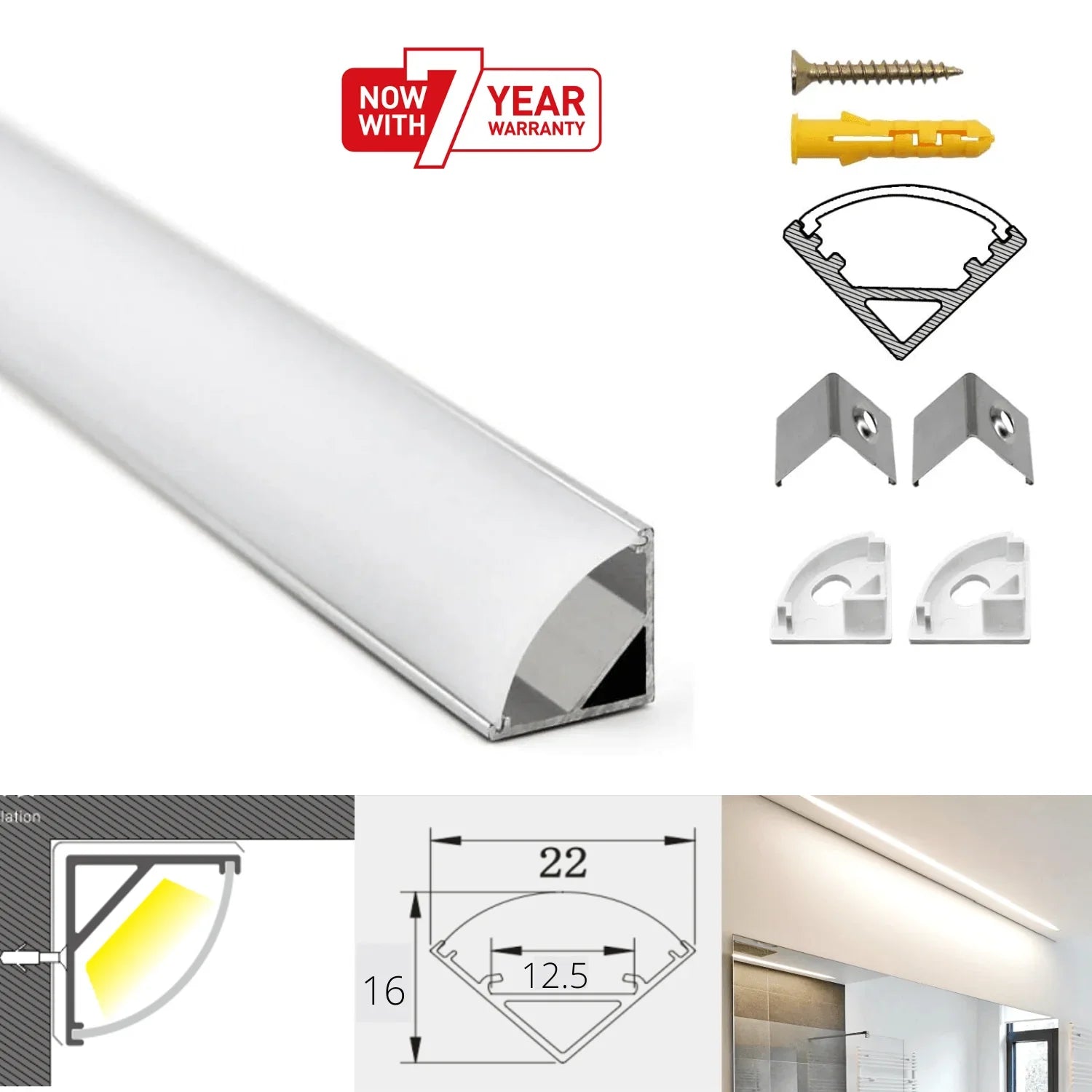
LED Strip Aluminium Corner Profile Milky Cover Cabinet LED Corner Profile 16x16mm - ATOM LED

LED Strip Aluminium Corner Profile Milky Cover Cabinet LED Corner Profile 16x16mm

Regular price £13.75
Sale price £13.75 Regular price