


Skip to content

Orders after 3rd April ship Tuesday, 7th April due to Easter courier delays.

LED Controllers

Choosing the wrong LED controller is the fastest way to kill colour accuracy, introduce flicker, or brick an entire strip run. Whether you need single-colour dimming, full RGBW colour mixing, tuneable white scene control, or addressable pixel effects, the right controller determines how your LED strip actually performs in 2026 — not the strip itself.

ATOM LED stocks controllers from MiBoxer, Skydance, and LTech — three of the most specified brands in UK commercial and residential LED projects. Every controller ships from our Telford warehouse with free UK delivery, backed by our technical team on 01952 370028, Monday to Friday, 9am–5pm.

RF & WiFi control · Bluetooth mesh · DMX512 · DALI · 0–10V · SPI pixel · 12V / 24V / 48V · PWM dimming · Single colour · RGB · RGBW · Tuneable white · Addressable digital

  1. What does an LED controller actually do?
  2. Which type of LED controller do you need?
  3. How do LED controllers differ from LED dimmers?
  4. What is the correct wiring order for LED strip controllers?
  5. Which controller works with RGB and RGBW LED strip?
  6. How do you control addressable SPI pixel LED strip?
  7. What control protocols are available for LED strip in 2026?
  8. How do you choose between MiBoxer, Skydance, and LTech controllers?
  9. What mistakes do buyers make when choosing LED controllers?
  10. How do you wire multiple LED controllers across zones?
  11. Can you use a standard dimmer switch with LED strip?
  12. Why buy LED controllers from ATOM LED?
  13. Frequently asked questions about LED controllers

Quick decision summary — match your strip type to the right controller:

  • Single-colour white strip (24V or 48V): Use a single-channel PWM dimmer controller, or a trailing-edge mains dimmer wired to a TRIAC dimmable driver — no separate controller needed in that case.
  • RGB strip: Use a 3-channel RGB controller with a non-dimmable constant voltage driver — never use a dimmable driver with RGB.
  • RGBW strip: Use a 4-channel RGBW controller with a non-dimmable constant voltage driver to keep the dedicated white channel clean.
  • Tuneable white (CCT) strip: Use a 2-channel CCT controller to blend warm and cool white channels.
  • Addressable pixel strip (WS2811, WS2812B, SK6812): Use a dedicated SPI pixel controller — standard PWM controllers cannot address individual LEDs.

Who this page is for: Electricians, interior designers, architects, AV integrators, and homeowners specifying LED strip controllers for residential kitchens, bathrooms, living spaces, commercial fit-outs, hospitality projects, and architectural lighting in the UK.

Who this page is NOT for: If you already know you need a specific brand, go directly to MiBoxer controllers, Skydance LED controllers, LTech controllers and drivers, or SPI pixel controllers. If you need the LED power supply rather than the controller, see LED transformers and drivers.


What does an LED controller actually do?

An LED controller sits between your power supply and your LED strip, managing brightness, colour, colour temperature, and effects by modulating the DC output using PWM (pulse width modulation). The controller handles all dimming and colour mixing — the driver simply provides constant voltage. This separation is why RGB and RGBW systems require a non-dimmable driver paired with a dedicated controller.

In practical terms, the controller is the brain of any multi-channel LED strip installation. Without one, your RGB strip would simply run all three colour channels at full power, producing white light with no way to select individual colours or adjust intensity. The same applies to RGBW and tuneable white configurations — the controller blends channels in real time based on user input from a remote, wall panel, app, or automation system.

  • Single-channel controllers: Dim one colour of strip (warm white, cool white, or natural white) by adjusting PWM duty cycle from 0–100%.
  • RGB controllers (3-channel): Independently control red, green, and blue channels to produce approximately 16.7 million colour combinations across the visible spectrum.
  • RGBW controllers (4-channel): Add a dedicated white channel to the RGB mix, producing clean whites that pure RGB cannot achieve — RGB alone produces a cold, violet-tinged white.
  • CCT controllers (2-channel): Blend a warm white and cool white channel to smoothly shift colour temperature, typically from 2700K to 6500K.
  • SPI pixel controllers: Send individually addressed data signals to each LED or LED cluster on addressable strips like WS2812B or SK6812, enabling running effects, chasing patterns, and per-pixel colour control.

The controller communicates with the user through various interfaces — 2.4GHz RF remotes, WiFi apps, Bluetooth mesh, DMX512, DALI, or 0–10V analogue signals. In 2026, RF and WiFi remain the most common residential protocols in UK installations, while DMX512 and DALI dominate commercial and architectural projects.


Which type of LED controller do you need?

The controller type you need depends entirely on your strip type and the number of independently controlled colour channels. Single-colour strip needs a 1-channel dimmer controller. RGB needs 3 channels. RGBW needs 4 channels. Tuneable white needs 2 channels. Addressable pixel strip needs a dedicated SPI controller — not a standard PWM unit.

Strip Type Channels Required Controller Type Driver Requirement
Single colour (white) 1 Single-channel PWM dimmer Constant voltage (dimmable or non-dimmable)
RGB colour-changing 3 RGB controller Non-dimmable constant voltage only
RGBW colour + white 4 RGBW controller Non-dimmable constant voltage only
Tuneable white (CCT) 2 CCT controller Non-dimmable constant voltage only
Addressable pixel (WS2812B, SK6812) Data + clock SPI pixel controller Non-dimmable constant voltage only

A critical point many buyers miss in 2026: the controller replaces the dimmer in any multi-channel installation. You do not wire a wall dimmer and a controller in the same circuit for RGB or RGBW strip. The controller is the dimmer. Using a dimmable driver with an RGB or RGBW controller causes flicker, colour shift, and premature driver failure because the two devices fight for control of the output.

  • For kitchens and living rooms (single colour): A single-channel RF controller with a handheld remote gives quick brightness adjustment without wall switches — ideal for under-cabinet and cove lighting on 24V single-colour COB strip.
  • For feature walls and entertainment spaces (RGB/RGBW): A 4-channel RGBW controller with WiFi app support lets you set colour scenes, schedule changes, and integrate with smart home platforms — pair with RGBW COB strip.
  • For commercial and hospitality (DMX/DALI): DMX512 controllers give 512 channels of individual zone control. DALI controllers integrate with building management systems. Both are standard for architectural projects in the UK.
  • For dynamic effects and signage (SPI): SPI pixel controllers address individual LEDs or clusters, enabling chasing, flowing, and reactive effects on addressable digital RGB COB strip.

How do LED controllers differ from LED dimmers?

An LED dimmer adjusts brightness on a single channel — typically by modifying the AC mains signal before it reaches the driver (TRIAC), or by modulating the DC output after the driver (PWM). An LED controller does everything a dimmer does but adds multi-channel management for colour mixing, colour temperature blending, effects sequencing, and protocol communication across RF, WiFi, DMX, or DALI.

This distinction matters because the wrong device in the wrong application either limits functionality or actively damages components. In single-colour installations, you have two legitimate dimming paths available in 2026:

  1. Mains-side TRIAC dimming: A trailing-edge dimmer switch controls the AC input to a TRIAC dimmable LED driver. The driver reduces its DC output proportionally. No separate controller needed. This is the simplest approach for single-colour strip where you want a wall-mounted dimmer switch.
  2. Low-voltage PWM dimming: A non-dimmable constant voltage driver feeds a PWM controller placed between the driver and the strip. The controller chops the DC signal at high frequency to reduce perceived brightness. This approach gives smoother dimming at low levels and works with RF remotes, WiFi apps, and wall-mounted touch panels.

For RGB, RGBW, CCT, and addressable strip, only option 2 applies — you must use a dedicated controller with a non-dimmable driver. There is no mains-side dimming path for multi-channel strip because the dimmer cannot independently control separate colour channels.

Feature TRIAC Wall Dimmer PWM Single-Channel Controller RGB/RGBW Controller SPI Pixel Controller
Channels controlled 1 (via mains) 1 (DC side) 3 or 4 (DC side) Per-LED data
Colour mixing No No Yes Yes
Effects/sequences No Limited Yes Advanced
Driver type needed TRIAC dimmable Non-dimmable CV Non-dimmable CV Non-dimmable CV
Typical control method Wall plate RF remote / app RF / WiFi / DMX SPI data signal
Smooth low-level dimming Moderate Excellent Excellent Excellent
Cost (approximately) £15–£40 £15–£50 £25–£120 £30–£200+

A common mistake in UK residential projects: fitting a leading-edge dimmer instead of trailing-edge. Leading-edge dimmers are designed for resistive and inductive loads (incandescent bulbs, old transformers). LED drivers are capacitive loads. The mismatch causes flicker, buzzing, and reduced driver lifespan. Swapping to a trailing-edge dimmer typically costs approximately £15 and eliminates the problem entirely.


What is the correct wiring order for LED strip controllers?

The standard wiring order for any controlled LED strip circuit in 2026 is: mains supply to non-dimmable constant voltage driver, driver output to LED controller input, controller output to LED strip. The driver provides stable DC voltage. The controller modulates that voltage across one or more channels. The strip receives the modulated signal and produces light accordingly.

  1. Connect mains to driver: Wire 230V AC mains supply to the input terminals of your non-dimmable constant voltage LED driver. Ensure the driver voltage matches your strip voltage — 12V, 24V, or 48V. Verify the driver wattage exceeds your total strip wattage by at least 20% to avoid thermal overload.
  2. Connect driver output to controller input: Run the driver's DC output (V+ and V-) to the controller's power input terminals. Use appropriately rated cable — minimum 1.0mm2 for runs up to 5m at 24V, stepping up to 1.5mm2 or 2.5mm2 for longer distances or higher wattage loads.
  3. Connect controller output to LED strip: Wire the controller's channel outputs to the strip's corresponding input wires. For single colour: V+ and V-. For RGB: V+, R, G, B. For RGBW: V+, R, G, B, W. Ensure polarity is correct — reversed polarity will prevent the strip from operating.
  4. Pair remote or app: Follow the controller's pairing procedure to link your RF remote, WiFi app, or wall panel. Most MiBoxer and Skydance controllers pair in under 30 seconds by powering off, powering on, and pressing the pairing button within 3 seconds.
  5. Test before final installation: Power the circuit on a workbench before mounting. Uncoil the strip fully — never power LED strip while coiled, as heat builds up rapidly, destroying adhesive and creating a fire risk. Confirm all channels respond, colours are correct, and dimming is smooth across the full range.
  6. Secure and mount: Mount the strip in an aluminium profile for heat dissipation and protection. Never mount strip directly on bare metal surfaces without insulation — this causes short circuits between the strip's PCB traces and the conductive surface.

For addressable SPI strip, the wiring differs: the controller sends a data signal (and sometimes a clock signal) alongside the power connection. The data wire must be kept short and shielded where possible — runs over 5m without signal amplification often produce corrupted patterns or dead zones further down the strip.


Which controller works with RGB and RGBW LED strip?

RGB strip requires a 3-channel controller that independently modulates red, green, and blue at the correct voltage (typically 24V in 2026). RGBW strip requires a 4-channel controller adding a dedicated white channel. In both cases, the driver must be non-dimmable constant voltage — using a dimmable driver with an RGB or RGBW controller causes flicker, colour shift, and premature component failure.

The reason dimmable drivers fail with RGB and RGBW controllers is simple: the controller already modulates the output using PWM. A dimmable driver attempts to reduce voltage at the mains side simultaneously. The two modulation methods conflict, producing visible flicker (often at 50–100Hz), inconsistent colour mixing across channels, and thermal stress on the driver's internal components. ATOM LED's technical team fields calls about this issue weekly — the fix is always the same: swap the dimmable driver for a non-dimmable equivalent and let the controller handle everything.

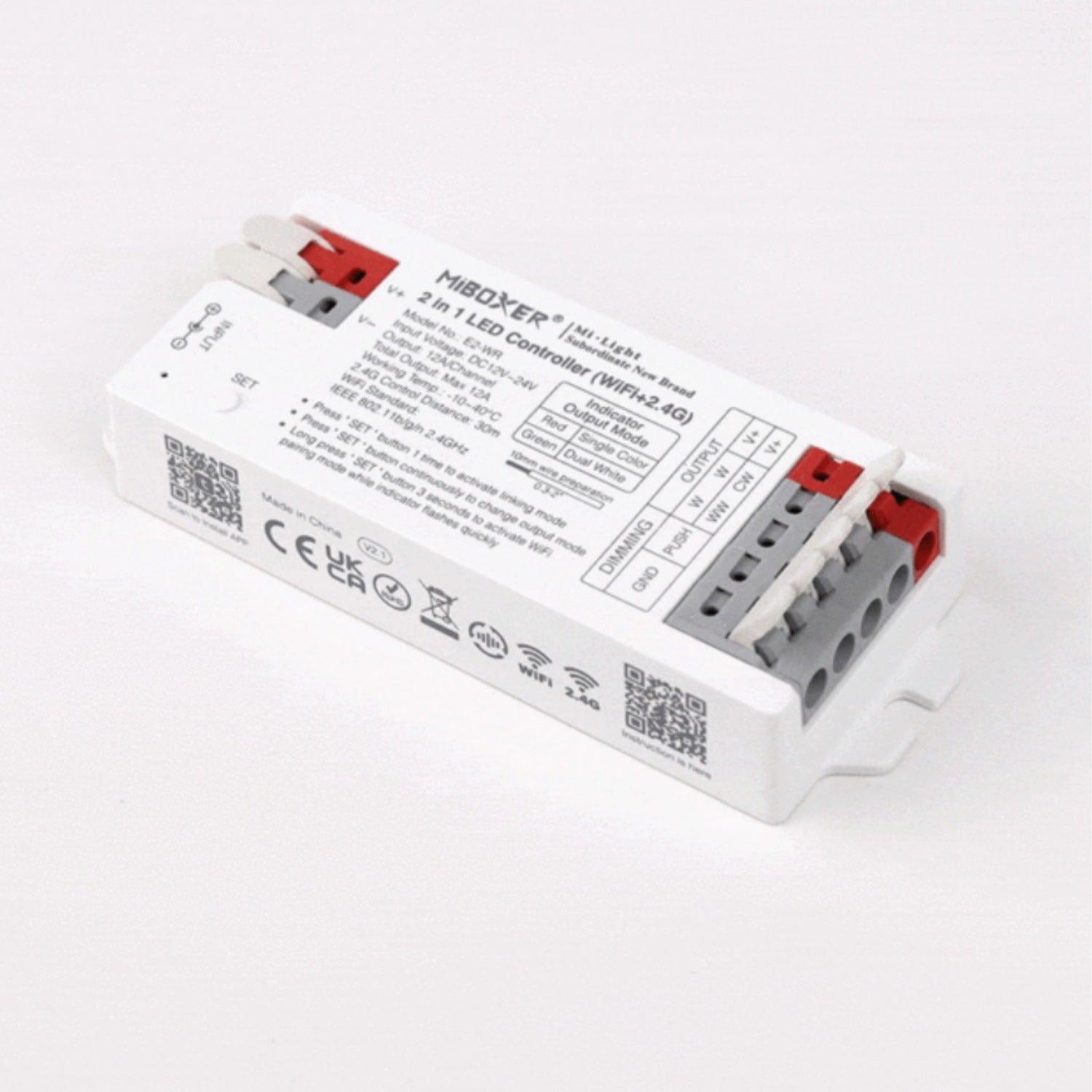
  • MiBoxer FUT035 (RGB): 2.4GHz RF, 3 channels, 12V/24V, pairs with MiBoxer remotes and WiFi bridge for app control — popular for residential colour-changing installations across the UK.
  • MiBoxer FUT039 (RGBW): 2.4GHz RF, 4 channels, 12V/24V, manages RGB plus a dedicated white channel independently — eliminates the violet-tinged white that pure RGB produces.
  • Skydance V4-L (RGBW): 4-channel, 12–24V, higher current capacity per channel (5A x 4), compatible with Skydance remotes and wall panels for commercial projects.
  • LTech LT-844-5A (RGBW): DMX512/RDM compatible, 4 channels at 5A each, designed for architectural and hospitality installations requiring full DMX integration.

When selecting an RGB or RGBW controller, check three specifications: input voltage (must match your driver and strip), maximum current per channel (must exceed your strip's per-channel draw), and total wattage capacity. Undersized controllers run hot and fail. Most controllers in the ATOM LED range handle 5A per channel at 24V, giving approximately 120W per channel — sufficient for most residential runs up to 10m.


How do you control addressable SPI pixel LED strip?

Addressable SPI pixel strip uses a digital data protocol — not PWM — to control each LED or LED cluster independently. You need a dedicated SPI pixel controller that speaks the correct protocol for your strip's IC chip (WS2811, WS2812B, SK6812, or similar). Standard RGB/RGBW controllers cannot drive addressable strip because they lack the data signal output.

SPI stands for Serial Peripheral Interface — a one-way data communication protocol where the controller sends a stream of colour and brightness values to each LED in sequence. The first LED reads its instruction, passes the remainder down the chain, and so on. This per-LED addressing is what enables running water effects, colour chasing, reactive audio visualisations, and individually mapped pixel art that standard PWM controllers cannot achieve.

  • Protocol matching is non-negotiable: A WS2812B strip requires a controller that outputs WS2812B protocol. Most quality SPI controllers in 2026 support multiple protocols — check the specification before purchasing.
  • Pixel count limits: Every SPI controller has a maximum addressable pixel count. Budget controllers handle 512–1024 pixels. Professional units support 4096–65536 pixels or more. Count your total LEDs before selecting.
  • Signal amplification on long runs: SPI data signals degrade over distance. For runs beyond approximately 5m, use a signal amplifier or repeater to maintain clean data transmission and prevent flickering at the end of the strip.
  • Power injection: Addressable strips draw varying current depending on colour output. At full white (all LEDs at maximum), voltage drop becomes severe on runs over 2–3m. Inject power at multiple points along the strip to maintain consistent brightness and colour accuracy.

Browse the complete digital pixel SPI controller range for units compatible with 5V, 12V, and 24V addressable strip, including SD card playback controllers and DMX-to-SPI converters for professional installations.


What control protocols are available for LED strip in 2026?

UK LED strip installations in 2026 use seven main control protocols: 2.4GHz RF, WiFi, Bluetooth mesh, DMX512, DALI, 0–10V analogue, and SPI. RF and WiFi dominate residential projects for their ease of use. DMX512 and DALI are standard in commercial, architectural, and hospitality specifications. SPI is used exclusively for addressable pixel strip effects.

Protocol Best For Range Zones Integration Typical Cost
2.4GHz RF Residential, small commercial 20–30m through walls 4–8 MiBoxer WL-Box1 WiFi bridge £15–£50
WiFi Smart home, app control Network-dependent Unlimited Alexa, Google Home, Tuya £25–£70
Bluetooth Mesh Small residential 10–15m 1–4 Limited £20–£45
DMX512 Commercial, hospitality, AV 300m (with cable) 512 channels Lighting desks, Madrix £50–£300+
DALI Commercial, BMS integration 300m (bus) 64 devices Building management systems £80–£250+
0–10V analogue Simple commercial dimming 100m+ 1 per signal Legacy dimming infrastructure £30–£80
SPI Addressable pixel effects 5m (without amplifier) Per-pixel SD card, DMX-to-SPI, software £30–£200+

For most UK residential projects, 2.4GHz RF controllers from MiBoxer offer the best balance of reliability, range, and cost. The 2.4GHz signal passes through typical UK brick and plasterboard walls at distances up to approximately 30m, making it practical for whole-house control without running additional wiring.

For commercial specifications, DMX512 remains the gold standard in 2026 because it provides deterministic, repeatable control over large installations — every lighting desk, software platform, and show controller speaks DMX. LTech's DMX decoder range is widely specified by UK lighting designers for bars, restaurants, hotels, and retail environments.

A growing segment in 2026 is WiFi-based control with Tuya integration. MiBoxer's WL-Box1 bridges their 2.4GHz RF controllers to your home WiFi network, enabling Alexa and Google Home voice commands alongside app-based scene scheduling — without replacing the physical remote.


How do you choose between MiBoxer, Skydance, and LTech controllers?

MiBoxer suits residential and light commercial projects with its affordable 2.4GHz RF ecosystem, WiFi bridge, and extensive remote options. Skydance covers mid-range commercial with higher current ratings, solid build quality, and protocol flexibility. LTech targets architectural and professional specifications with DMX512, DALI, and 0–10V decoders at commercial grade. Match the brand to your project scale, protocol needs, and budget.

Feature MiBoxer Skydance LTech
Primary market Residential, small commercial Mid-range commercial Architectural, hospitality
Control protocol 2.4GHz RF + WiFi bridge RF, DMX, 0–10V, DALI DMX512, DALI, 0–10V, RF
Current per channel (typical) 6A 5–8A 5A
Smart home integration Tuya / Alexa / Google (via WL-Box1) Limited Via DMX/DALI gateways
Remote options 15+ remote models Wall panels, remotes Wall panels, touch interfaces
Price range £15–£60 £25–£120 £50–£250+
UK project suitability Kitchen, bathroom, living room Retail, office, restaurant Hotels, galleries, exterior facades
  • Choose MiBoxer when: You want a wide choice of affordable remotes, easy WiFi/app integration via the WL-Box1, and simple installation for residential kitchens, bathrooms, bedrooms, and gardens. The 2.4GHz ecosystem covers single colour, CCT, RGB, RGBW, and 6-channel RGB+CCT from one unified remote system.
  • Choose Skydance when: Your project needs higher wattage per channel, wall-mounted touch panels, or a blend of RF and DMX protocols in commercial environments. Skydance controllers handle heavier LED loads per zone and suit UK retail fit-outs, office refurbishments, and restaurant lighting in 2026.
  • Choose LTech when: The specification calls for full DMX512 or DALI integration, RDM (Remote Device Management) for fault monitoring, or architectural-grade reliability over long cable runs. LTech is the brand most frequently specified by UK lighting consultants for hospitality and high-end residential projects.

Browse each range directly: MiBoxer LED controllers · Skydance LED controllers · LTech LED controllers and drivers.


What mistakes do buyers make when choosing LED controllers?

The three most common controller mistakes in the UK are: pairing a dimmable driver with an RGB/RGBW controller (causes flicker and colour shift), undersizing the controller's current capacity for the connected strip load (causes overheating and premature failure), and using a standard PWM controller on addressable SPI pixel strip (produces no output because the data protocol is incompatible).

  • Dimmable driver with multi-channel controller: RGB and RGBW strips must be powered by a non-dimmable constant voltage driver. The controller handles all dimming via PWM. A dimmable driver tries to reduce voltage at the mains side simultaneously, creating conflicting modulation that produces flicker at 50–100Hz and uneven colour output across channels. This is the single most common wiring error ATOM LED's technical team encounters in 2026.
  • Undersized controller current capacity: If your strip draws 4A per channel and your controller is rated at 3A per channel, the controller runs above its thermal limit. It may work initially but will overheat, thermally throttle, and eventually fail. Always ensure the controller's per-channel current rating exceeds your strip's per-channel draw by at least 20%.
  • Wrong controller type for addressable strip: SPI pixel strip (WS2812B, SK6812, WS2811) requires a dedicated SPI pixel controller that sends digital data. Connecting it to an analogue RGB controller produces no output or random flickering — the strip receives PWM where it expects serial data.
  • Leading-edge dimmer with LED driver: On single-colour installations using mains dimming, a leading-edge dimmer is incompatible with most LED drivers. Swap to a trailing-edge dimmer — the fix costs approximately £15 and eliminates flicker and buzzing immediately.
  • Voltage mismatch between driver, controller, and strip: All three components must operate at the same voltage. Feeding a 24V controller with a 48V driver will damage or destroy the controller instantly. Always verify voltage consistency across the entire circuit before powering on.
  • Ignoring maximum run length: Controllers have maximum wattage ratings. A controller rated at 360W total cannot safely drive 400W of LED strip. Calculate your total strip wattage and confirm it falls within the controller's capacity with headroom.

If you are unsure about any specification, call the ATOM LED technical team on 01952 370028 or email operations@atomled.co.uk before purchasing. Getting the specification right at the ordering stage prevents returns, wasted installation time, and frustrated clients.


How do you wire multiple LED controllers across zones?

Multi-zone installations use one controller per zone, each fed by its own driver or sharing a sufficiently rated driver with parallel wiring. Each controller operates independently or synchronises with others through a shared remote, WiFi group, or DMX universe. Parallel wiring from the driver to each controller prevents the voltage drop that series wiring multiplies across zones.

In a typical UK residential project — for example, a kitchen with under-cabinet strip, a living room cove, and a bedroom headboard — each zone gets its own controller and driver combination. This approach gives independent control of each space while allowing grouped control through a single multi-zone remote or app.

  1. Calculate each zone's wattage: Measure the strip length in each zone, multiply by the strip's wattage per metre. Add 20% headroom for the driver and confirm the controller can handle the load.
  2. Select zone-matched drivers: Each zone needs a constant voltage LED power supply rated for that zone's total wattage. For RGB and RGBW zones, use non-dimmable drivers only.
  3. Wire in parallel from each driver: Run separate cable from each driver to its zone's controller. Never daisy-chain controllers in series — series wiring compounds voltage drop, producing dim strip at the end of the chain.
  4. Pair controllers to a single remote: MiBoxer controllers pair to the same remote across multiple zones. Press the zone button on the remote, then pair the corresponding controller. You can control all zones simultaneously or select individual zones from one handset.
  5. For DMX installations: Run a DMX cable (shielded twisted pair, 120-ohm) from your DMX source through each controller in daisy-chain topology. Assign each controller a unique DMX start address. Terminate the last controller with a 120-ohm DMX terminator to prevent signal reflection.

For larger commercial multi-zone projects using Skydance or LTech controllers, consult the ATOM LED technical team on 01952 370028 for wiring schematics tailored to your specific layout. We provide zone planning support at no charge for UK commercial specifications.


Can you use a standard dimmer switch with LED strip?

A standard mains dimmer switch only works with single-colour LED strip connected through a TRIAC dimmable driver, and it must be trailing-edge — not leading-edge. For RGB, RGBW, tuneable white, and addressable strip, a standard dimmer switch cannot be used. These strip types require a dedicated LED controller paired with a non-dimmable constant voltage driver.

The distinction matters because many UK electricians and homeowners assume a dimmer switch controls LED strip the same way it controls a halogen downlight. It does not. LED drivers are capacitive loads with different electrical characteristics. Here is what happens with each dimmer type on single-colour strip:

  • Trailing-edge dimmer + TRIAC dimmable driver: Works correctly in most cases. The dimmer reduces AC voltage smoothly, the driver responds proportionally, and the strip dims from 100% down to approximately 5–10% depending on the driver. This is the recommended mains-dimming approach for single-colour LED strip in 2026.
  • Leading-edge dimmer + any LED driver: Produces audible buzzing, visible flicker, and inconsistent dimming — particularly at low levels. Leading-edge dimmers chop the front of the AC waveform, which most LED drivers cannot process cleanly. Swapping to a trailing-edge unit typically costs approximately £15.
  • Any mains dimmer + RGB/RGBW strip: Not viable. A mains dimmer cannot independently control multiple colour channels. You need a dedicated RGB or RGBW controller positioned between a non-dimmable driver and the strip.

For single-colour 48V COB strip, using a PWM controller instead of a TRIAC mains dimmer gives smoother low-level dimming and eliminates any compatibility guesswork with dimmer switches. The 48V advantage also means voltage drop occurs at half the rate of 24V over the same distance, maintaining consistent brightness across longer runs.


Why buy LED controllers from ATOM LED?

ATOM LED stocks MiBoxer, Skydance, and LTech controllers from our Telford warehouse — not dropshipped, not shipped from overseas. Every order ships with free UK delivery, typically arriving within 1–3 working days. Our technical team provides specification support by phone (01952 370028) or email (operations@atomled.co.uk), Monday to Friday, 9am–5pm.

  • UK stock, UK dispatch: All controllers ship from our warehouse at Unit D4, Stafford Park 4, Telford, Shropshire, TF3 3BA. No overseas lead times, no customs delays.
  • Three proven controller brands: MiBoxer for residential ease, Skydance for commercial reliability, LTech for architectural-grade DMX and DALI — one supplier covers the full project spectrum.
  • Free UK delivery: Every controller order ships free across mainland UK, regardless of order value.
  • Technical specification support: Our team helps you match controllers to strip types, calculate wattage loads, select the right protocol, and plan multi-zone wiring — before you order, not after installation problems appear.
  • Compatible ecosystem: Every controller we stock is tested and confirmed compatible with ATOM LED's COB LED strip range, LED neon flex, and drivers — no guesswork on compatibility.
  • 5-year warranty on COB strip, matched controller support: When you buy strip and controller together from ATOM LED, our warranty support covers the complete system — not just individual components.

Need help choosing the right controller for your project? Call 01952 370028 or email operations@atomled.co.uk. Browse the full LED controller range, or go directly to LED strip accessories for connectors, extension cables, and mounting hardware.


Frequently asked questions about LED controllers

1. Do I need a controller for single-colour white LED strip?

  • Not always. Single-colour white strip can be dimmed using a trailing-edge TRIAC dimmer and a TRIAC dimmable driver, with no separate controller needed.
  • However, a PWM controller gives smoother dimming, app/remote control, and better low-level performance — especially useful in bedrooms and cinema rooms.
  • For any non-white strip (RGB, RGBW, CCT, addressable), a dedicated controller is always required.

2. Why does my RGB strip flicker when dimmed?

  • The most common cause is using a dimmable driver with an RGB controller — the two devices conflict.
  • The fix: replace the dimmable driver with a non-dimmable constant voltage driver and let the controller manage brightness exclusively.
  • Secondary causes include loose wiring connections and undersized cable gauge causing voltage drop on longer runs.

3. Can one remote control multiple zones?

  • Yes. MiBoxer remotes support up to 8 zones from a single handset, controlling each zone independently or all zones together.
  • Skydance wall panels and remotes also support multi-zone operation across their RF range.
  • DMX systems offer up to 512 individual channels per universe, with multiple universes available on professional controllers.

4. What is the difference between a controller and a decoder?

  • A controller generates control signals based on user input (remote, app, wall panel) and outputs PWM to the strip.
  • A decoder receives signals from an external source (DMX512, DALI, 0–10V) and converts them into PWM output for the strip.
  • In practice, many LTech and Skydance units combine both functions — receiving DMX input while also accepting direct RF remote commands.

5. Do LED controllers work with both 24V and 48V strip?

  • Most controllers in the ATOM LED range are rated for 12–24V DC operation and are not suitable for 48V circuits.
  • 48V single-colour strip typically uses a dedicated 48V PWM dimmer or a TRIAC dimmable 48V driver with mains dimming.
  • Always check the controller's input voltage rating before connecting — feeding 48V into a 24V controller will destroy it immediately.

6. Can I control LED strip with Alexa or Google Home?

  • Yes, using the MiBoxer WL-Box1 WiFi bridge, which connects MiBoxer 2.4GHz RF controllers to your home WiFi network and the Tuya app.
  • Once connected, you can issue voice commands through Alexa or Google Home to control brightness, colour, and scenes.
  • You can also set schedules, create routines, and group multiple zones through the Tuya app in 2026.

7. How many metres of LED strip can one controller handle?

  • This depends on the controller's maximum wattage rating and the strip's wattage per metre.
  • Example: a controller rated at 360W total on a 24V strip drawing 14.4W/m can handle approximately 25m of strip (360 / 14.4 = 25m).
  • For longer runs, use multiple controllers fed from separate drivers, or a single high-power controller with parallel-wired strip segments.

8. What cable should I use between the driver and controller?

  • Use 2-core (for single colour) or multi-core (for RGB/RGBW) stranded copper cable rated for the circuit's current.
  • For 24V systems: 1.0mm2 for runs up to 5m, 1.5mm2 for 5–10m, and 2.5mm2 for runs exceeding 10m at moderate wattages.
  • Always use stranded (flexible) cable, not solid core — stranded cable is easier to terminate and less prone to fatigue at connection points.

9. Can I dim LED neon flex with a controller?

  • Yes. Single-colour LED neon flex dims with a single-channel PWM controller exactly like standard LED strip.
  • RGB neon flex uses a 3-channel RGB controller — the same type used for RGB strip, with the same non-dimmable driver requirement.
  • The controller choice depends on the neon flex voltage and total wattage, not the form factor.

10. Is DMX512 overkill for residential projects?

  • For most homes, yes. DMX requires additional hardware (DMX source, shielded cable, terminators) and configuration expertise that exceeds typical residential requirements.
  • RF controllers from MiBoxer or Skydance are simpler, cheaper, and more than sufficient for residential zone control in 2026.
  • DMX makes sense residentially only for dedicated home cinemas, large multi-zone smart homes, or AV integration projects where a lighting desk or software is already in use.

11. Why does my strip show the wrong colours?

  • Reversed RGB wiring is the most common cause — the red, green, and blue wires are connected to the wrong controller output terminals.
  • Check terminal labelling on both the controller and the strip. R must connect to R, G to G, B to B.
  • If wiring is correct but colours are still wrong, the controller may be set to the wrong output mode (RGB vs GRB) — check the controller's DIP switches or app settings.

12. Can I mix controller brands in the same installation?

  • Yes, but each brand's controller pairs only with its own remote system — a MiBoxer remote will not control a Skydance unit and vice versa.
  • The exception is DMX512, which is a universal protocol. A DMX controller from any manufacturer will respond to any DMX source, making brand-mixing practical in commercial installations.
  • For simplicity, residential projects benefit from sticking to one brand ecosystem — MiBoxer is typically the most cost-effective single-brand solution for UK homes.

13. What happens if I overload an LED controller?

  • Overloaded controllers generate excess heat, which degrades internal components — MOSFETs and capacitors fail first.
  • Symptoms include: flickering output, reduced brightness, audible buzzing, and eventual total failure.
  • Prevention: always size your controller with at least 20% headroom above the connected strip's total wattage. If your strip draws 200W, use a controller rated for at least 240W.

14. Do I need a signal amplifier for long LED strip runs?

  • For PWM controllers: Not typically, provided the total strip wattage stays within the controller's rating. However, voltage drop on very long runs (over 10m at 24V) may require parallel power injection.
  • For SPI pixel controllers: Yes, on runs beyond approximately 5m. The digital data signal degrades with distance, causing corrupted colours or dead sections at the strip's far end.
  • Signal amplifiers repeat the data signal at full strength and are inexpensive — typically £10–£25.

15. How do I reset or re-pair an LED controller?

  • Most MiBoxer controllers reset by powering off for 10 seconds, then powering on and pressing the remote's pair button within 3 seconds — the strip will flash to confirm pairing.
  • Skydance and LTech units follow a similar power-cycle pairing method, though some models use a physical reset button on the controller body.
  • Full factory reset procedures vary by model — consult the product datasheet or contact ATOM LED's technical team on 01952 370028 for model-specific instructions.


Related Collections

Last reviewed: March 2026 — ATOM LED technical team, Telford, Shropshire. Specifications current as of 2026.

🏭 UK LED specialist, Telford, Shropshire  ·  ☎️ 01952 370028  ·  🚚 Free UK delivery

119 products

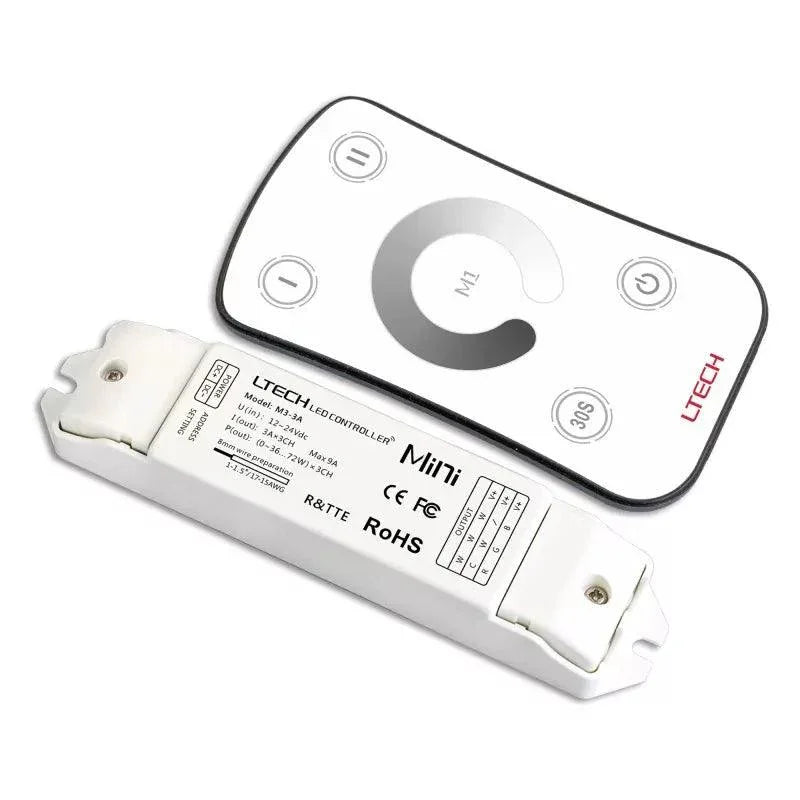
L Tech LED Mini RF DIM - M1/M3-3A Touch Remote Controller Dimmer Receiver for Single Colour LED Lighting Strip 12V 24V - ATOM LED

L Tech LED Mini RF DIM - M1/M3-3A Touch Remote Controller Dimmer Receiver for Single Colour LED Lighting Strip 12V 24V
Regular price £39.85
Sale price £39.85 Regular price
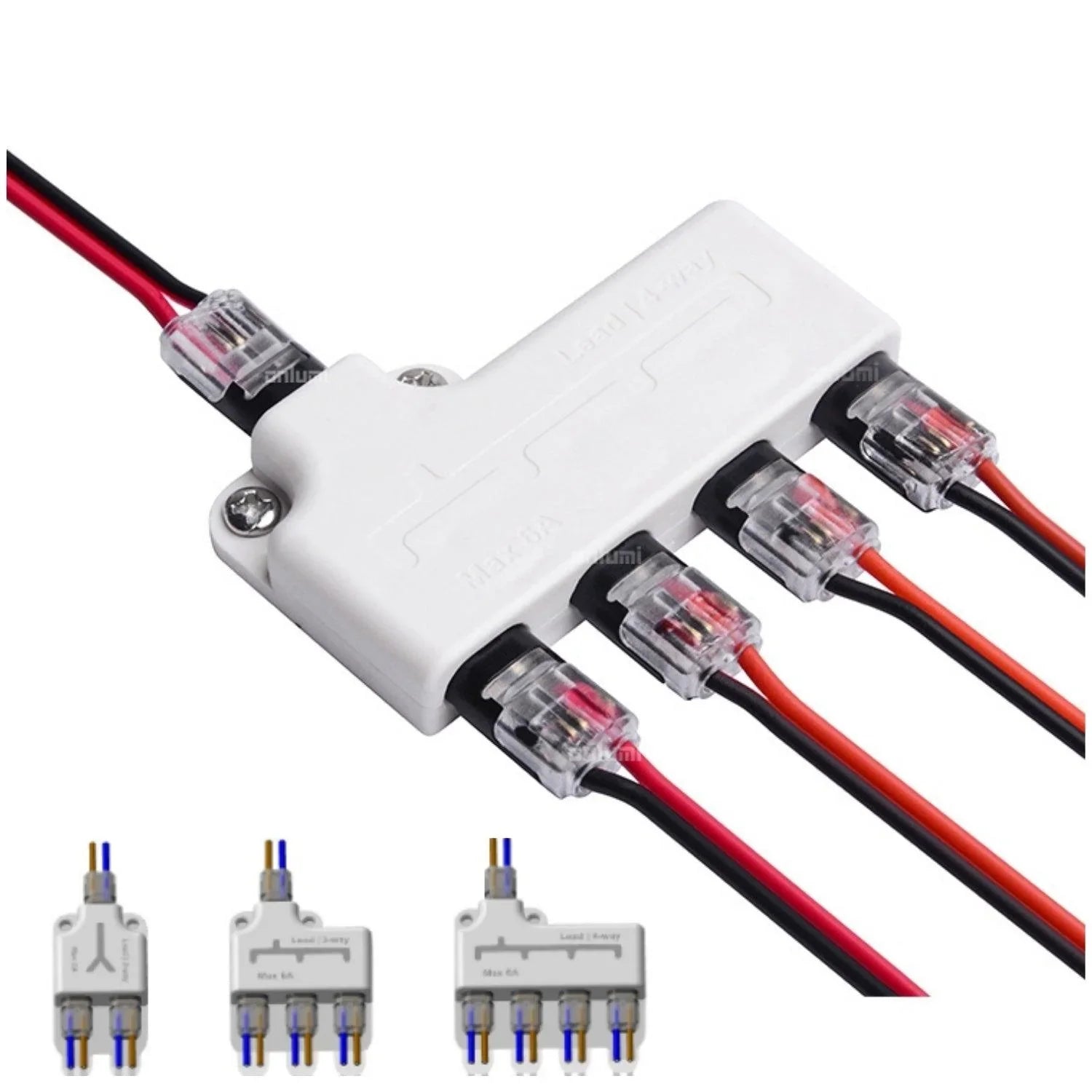
12V 2Pin LED Strip 2/3/4 Way Connector For Power Distribution Single Colour LED - ATOM LED
12V/24V 2Pin LED Strip 2/3/4 Way Connector For Power Distribution Single Colour LED

Regular price From £7.95
Sale price From £7.95 Regular price
View Product
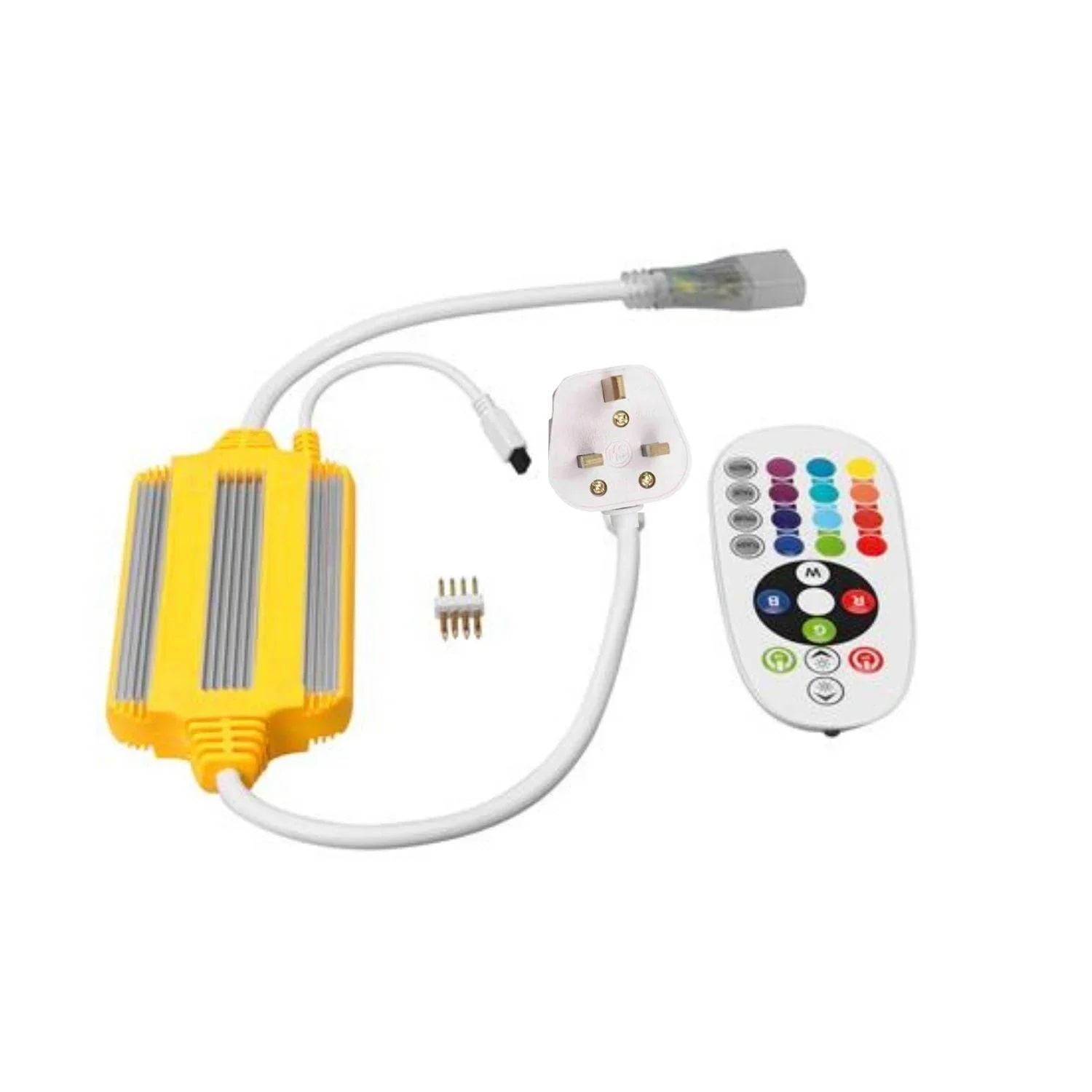
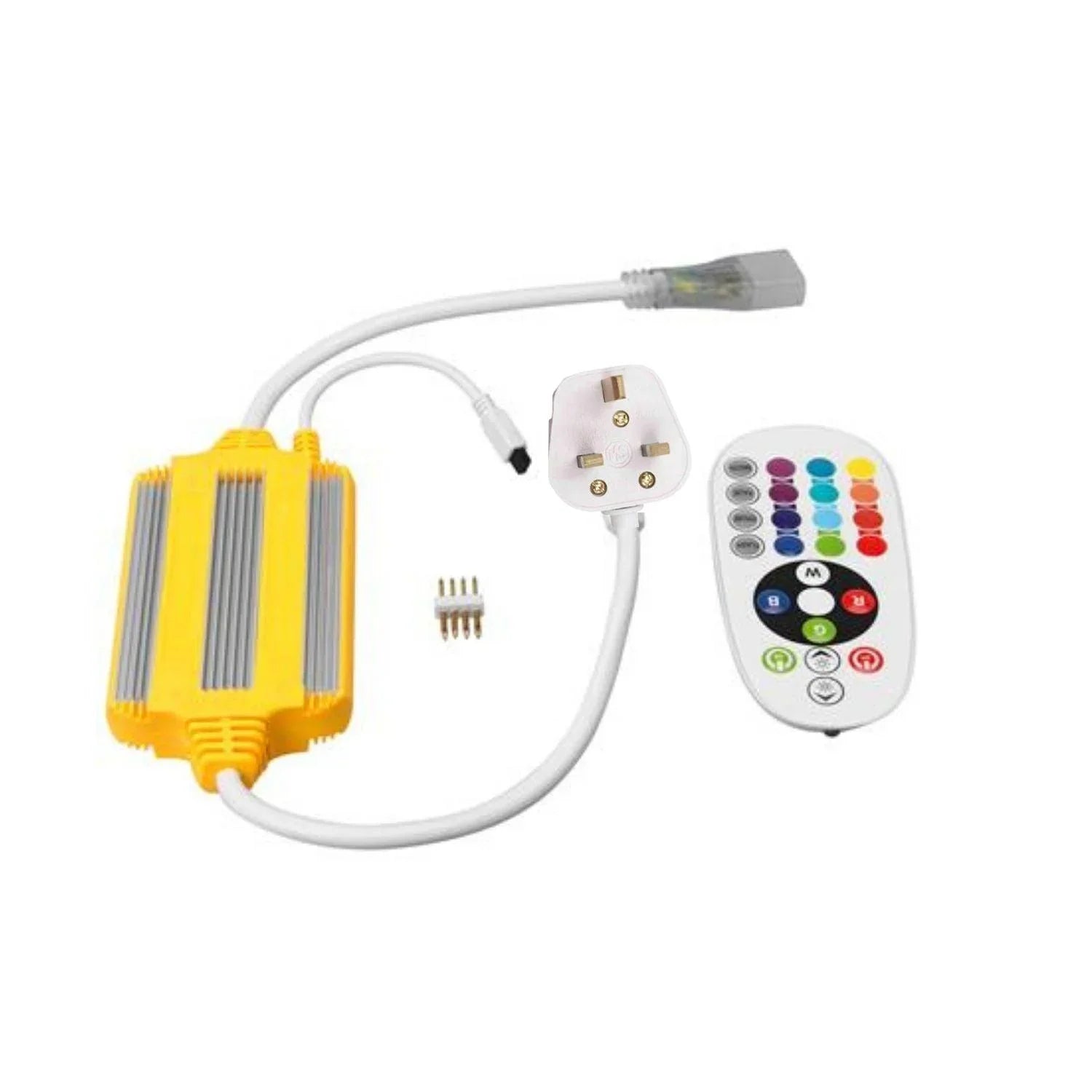
RGB LED Strip 220V 1500W IR Controller for 60 led/m LED Strip - ATOM LED

RGB LED Strip 220V 1500W IR Controller for 60 led/m LED Strip with Remote
Regular price £24.85
Sale price £24.85 Regular price
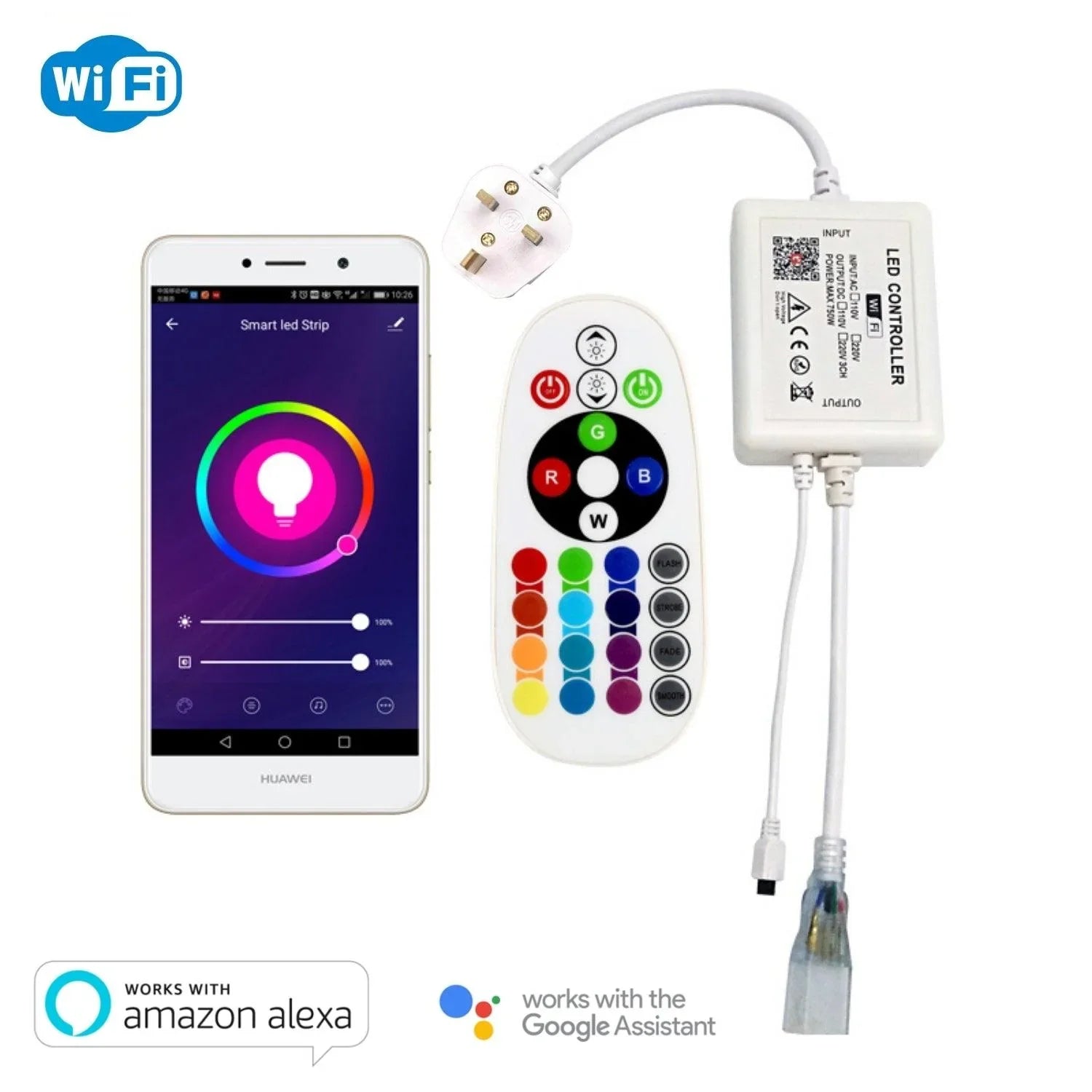
RGB LED Strip 220V 1500W IR Controller for 120 led/m LED Strip - ATOM LED

RGB LED Strip 220V 1500W IR Controller for 120 led/m LED Strip with Remote
Regular price £26.09
Sale price £26.09 Regular price
RGB Neon Flex 10x18mm 220V 240V WiFi Tuya APP LED controller with 24key Remote - ATOM LED
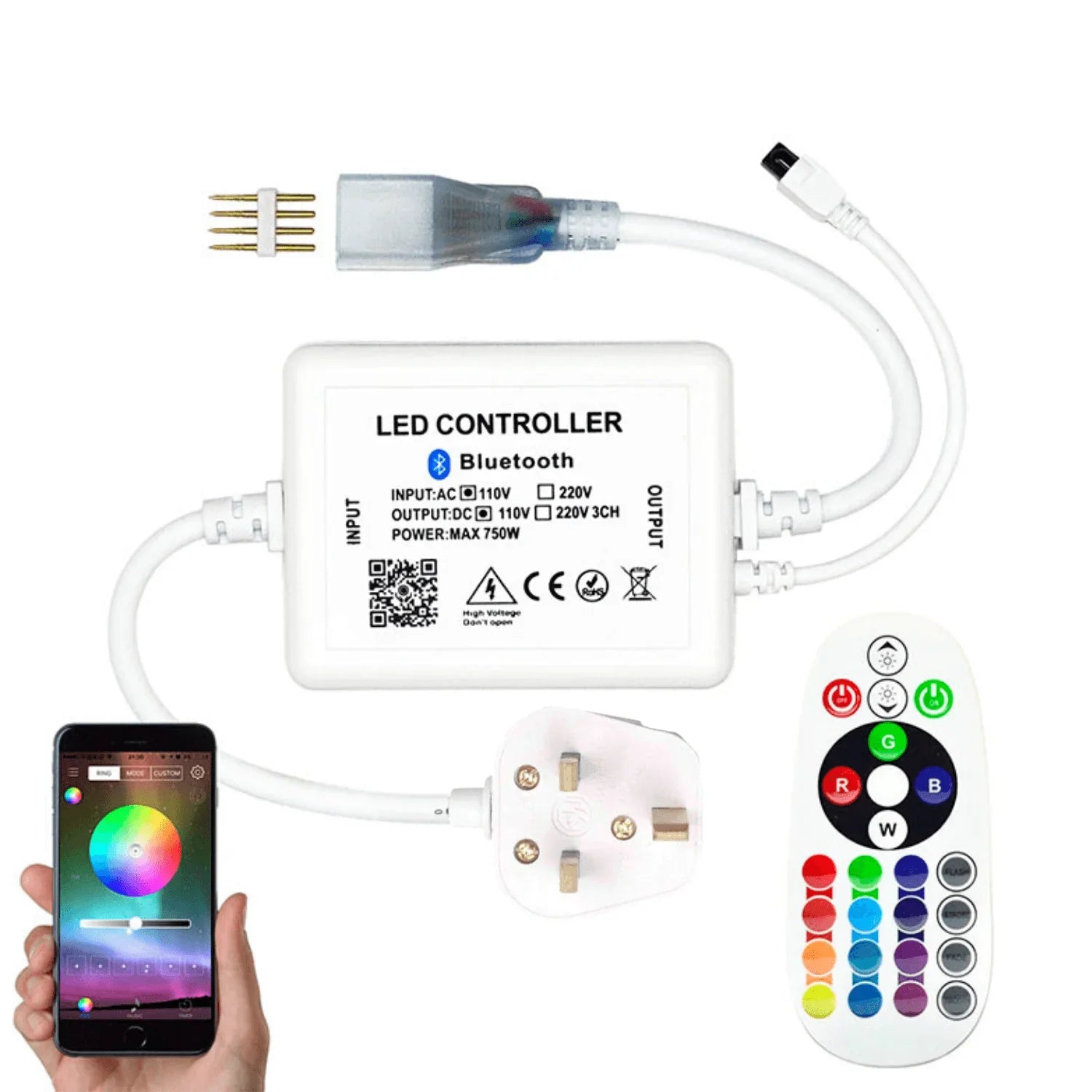
RGB Neon Flex 10x18mm 220V 240V WiFi Tuya APP LED controller with 24key Remote

Regular price £38.85
Sale price £38.85 Regular price
RGB Neon Flex 220V 240V 10x18mm Bluetooth Controller with Remote - ATOM LED
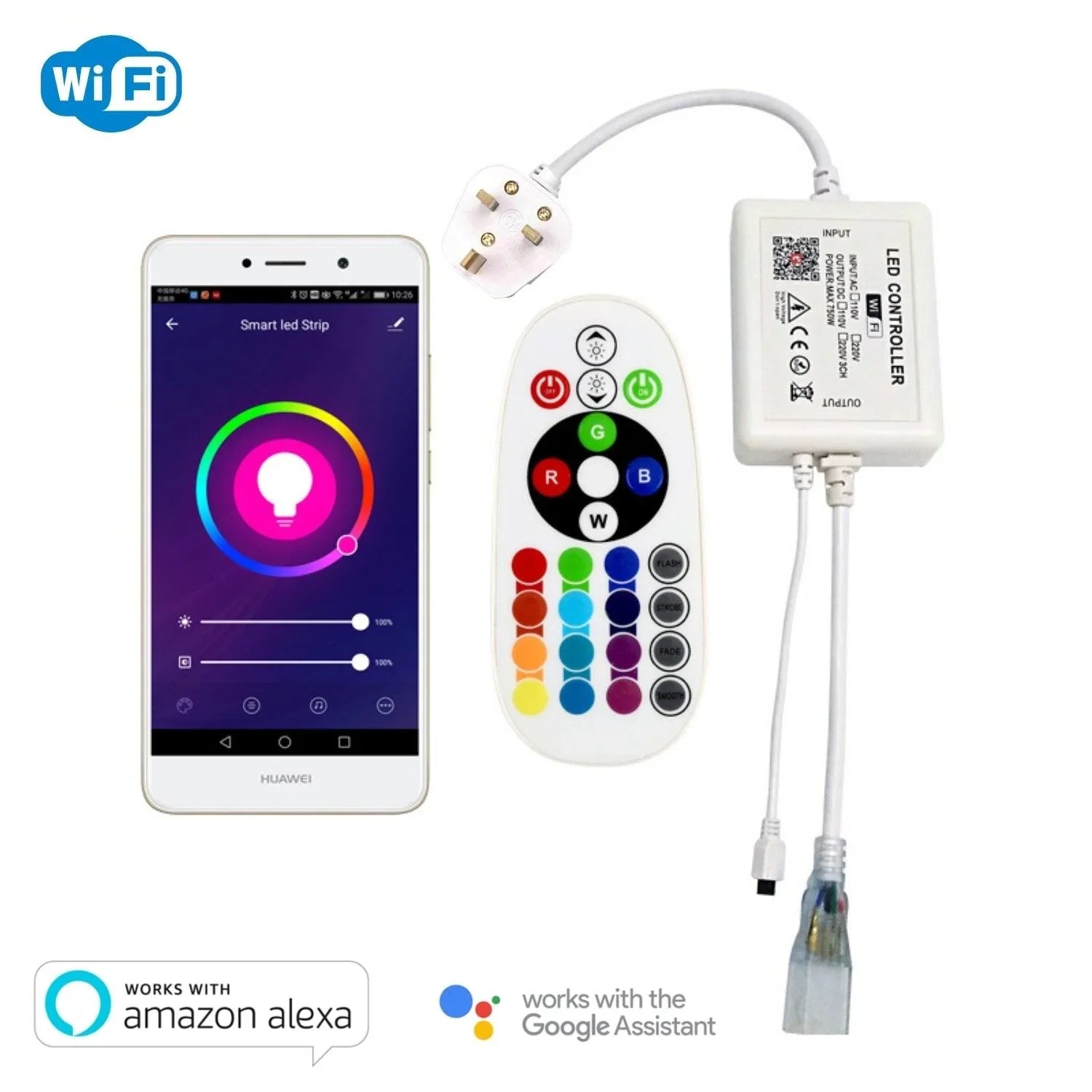
RGB Neon Flex 220V 240V 10x18mm Bluetooth Controller with Remote

Regular price £30.85
Sale price £30.85 Regular price
RGB Neon Flex 220V 240V 14x25mm WiFi APP LED controller work with Google & Alexa with 24key Remote - ATOM LED

RGB Neon Flex 220V 240V 14x25mm WiFi APP LED controller work with Google & Alexa with 24key Remote
Regular price £39.85
Sale price £39.85 Regular price
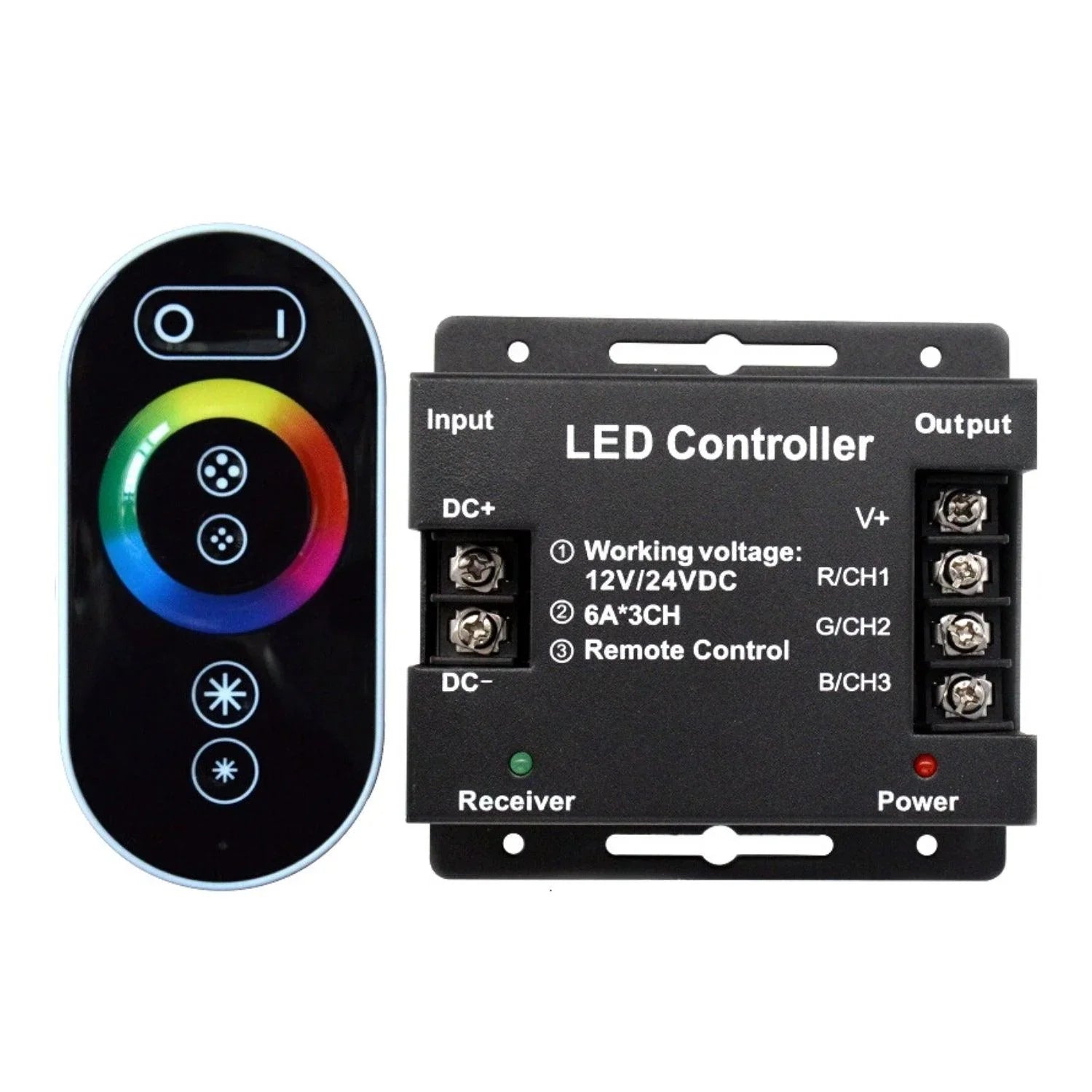
12V/24V RGB LED Strip Controller with Touch Remote 18A 3 Channel RGB LED Controller with RF Remote Control - ATOM LED

12V/24V RGB LED Strip Controller with Touch Remote 18A 3 Channel RGB LED Controller with RF Remote Control
Regular price £28.85
Sale price £28.85 Regular price
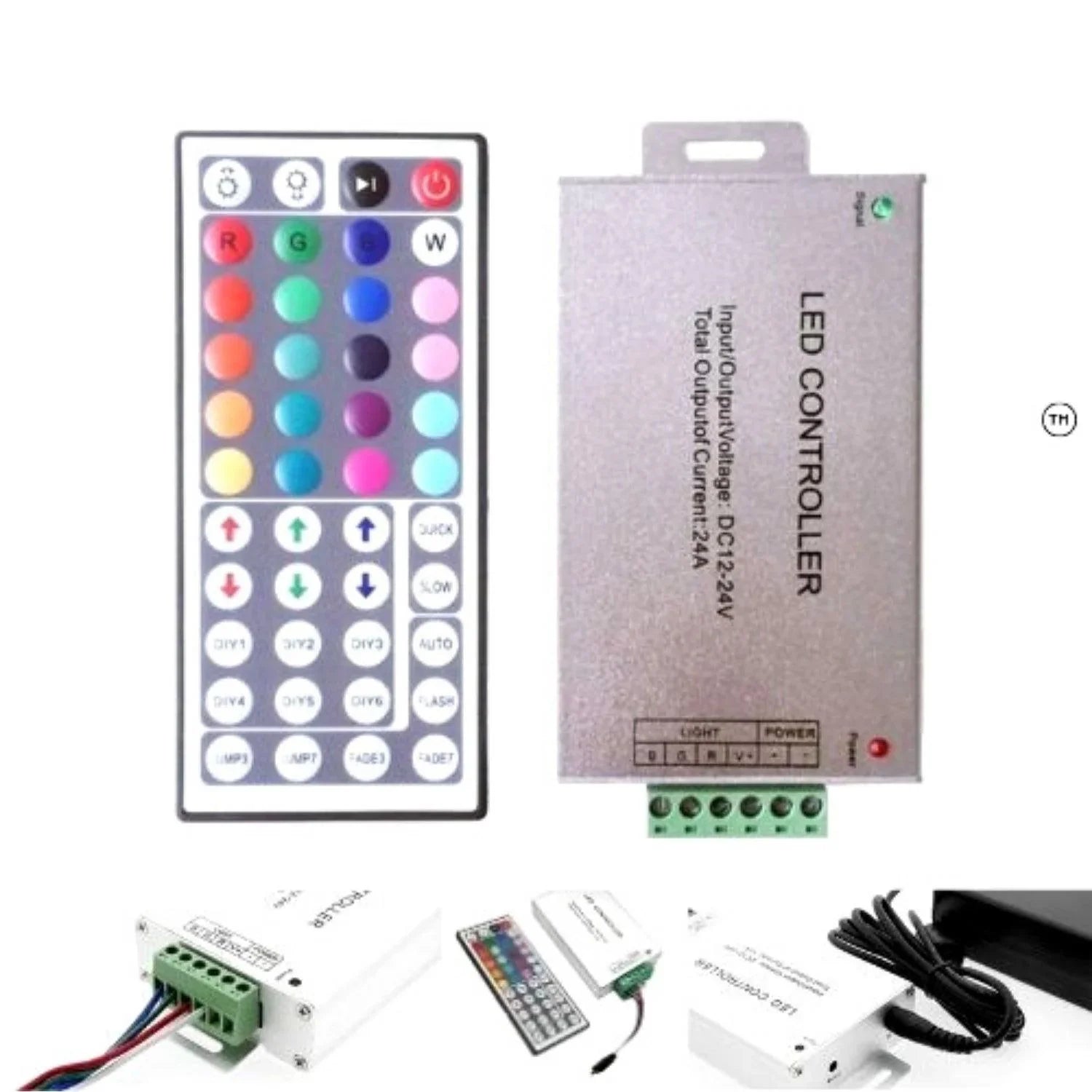
12V/24V 24A RGB LED Strip Controller with IR 44 Key Remote For RGB SMD 5050 3528 - ATOM LED
12V/24V 24A RGB LED Strip Controller with IR 44 Key Remote For RGB SMD 5050 3528

Regular price £16.95
Sale price £16.95 Regular price
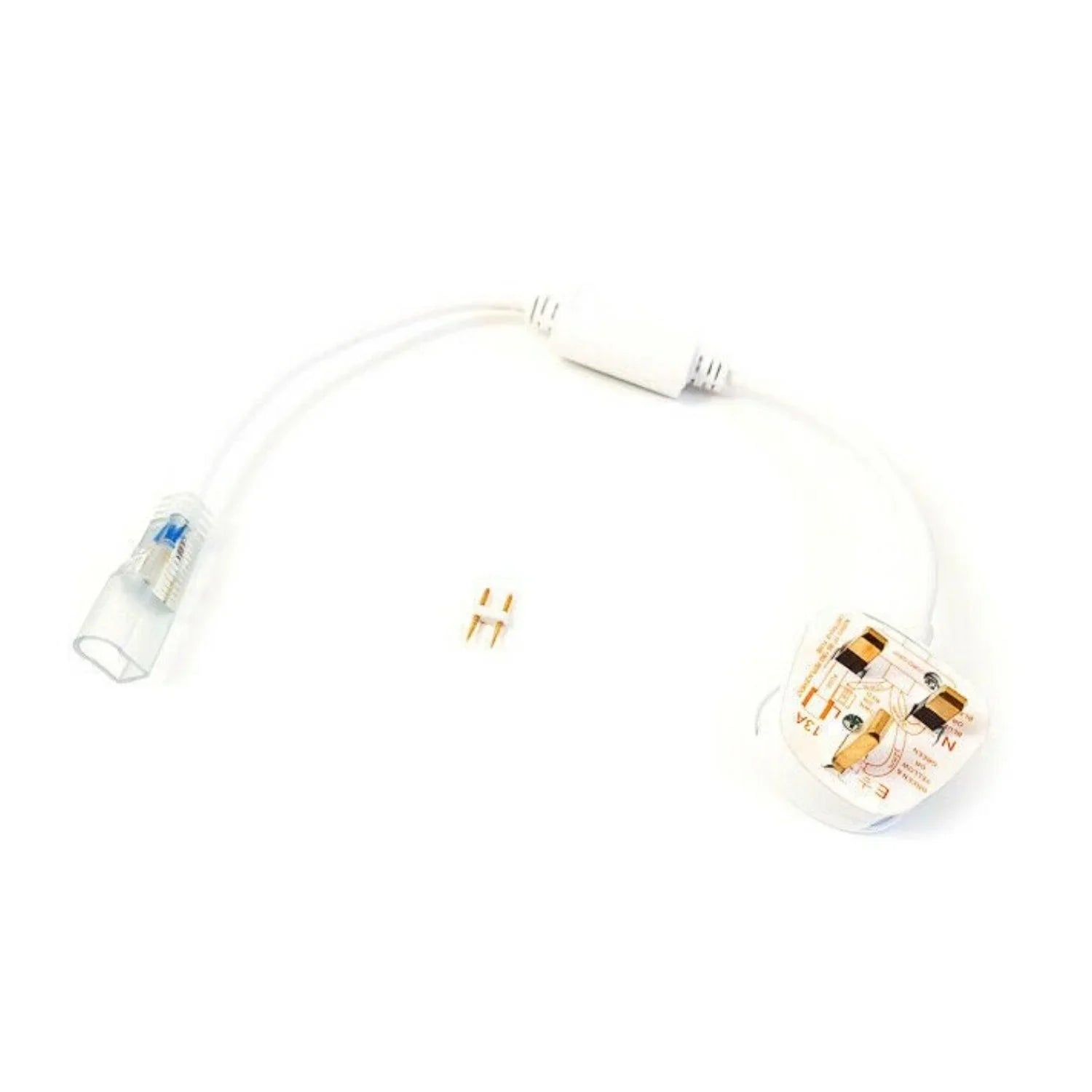
LED Strip Connector For 5730 180 LEDs/m 2 Pin Connector 220V-240V - ATOM LED
LED Strip Connector For 5730 180 LEDs/m 2 Pin Connector 220V-240V

Regular price £13.49
Sale price £13.49 Regular price
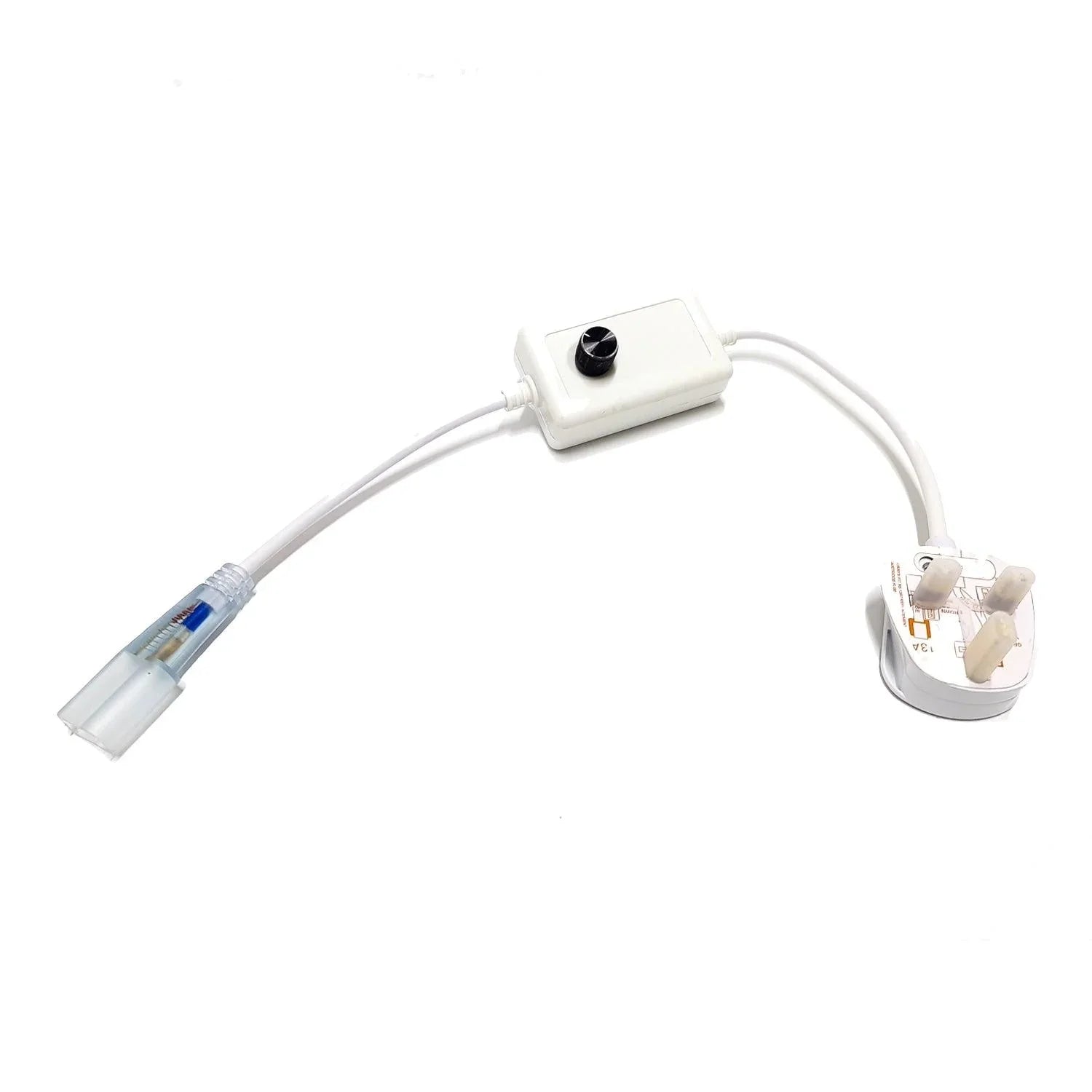
LED Neon Flex AC 220V 240V 8x16mm Single Colour Dimmer Controller - ATOM LED
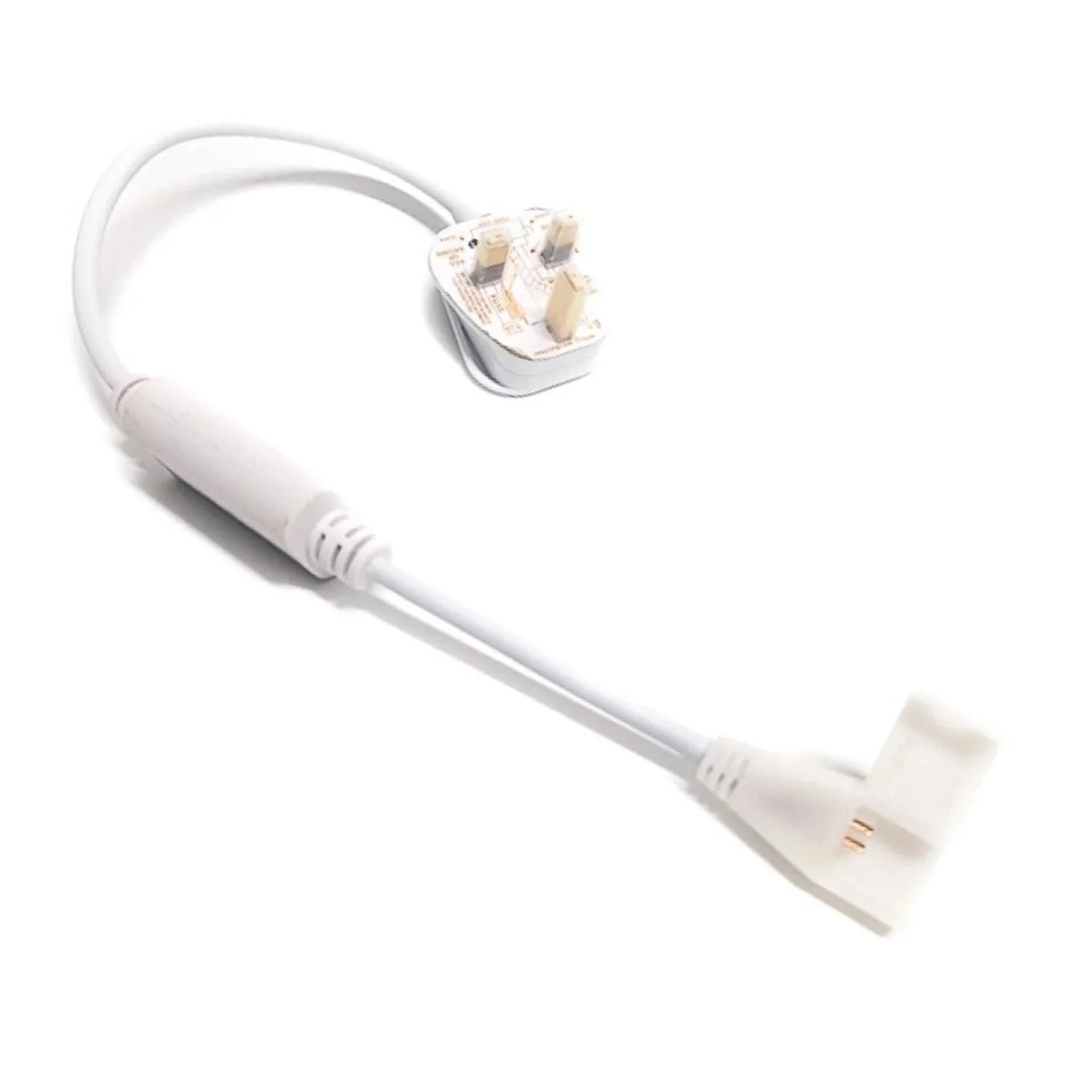
LED Neon Flex AC 220V 240V 8x16mm Single Colour Dimmer Controller

Regular price £12.85
Sale price £12.85 Regular price
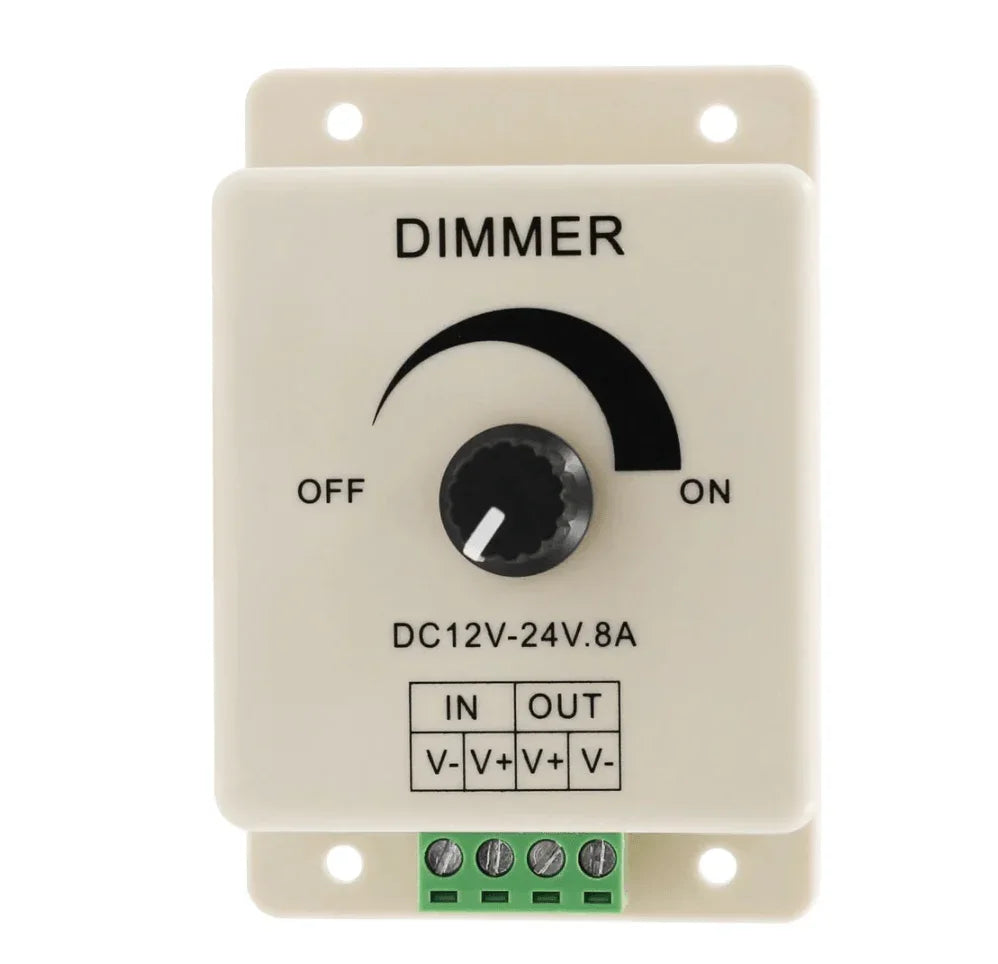
LED Neon Flex AC 220V 240V 8x16mm Wireless Single Colour Connector - ATOM LED

LED Neon Flex AC 220V 240V 8x16mm Single Colour Wireless Connector
Regular price £11.95
Sale price £11.95 Regular price
LED Strip & Neon Flex Dimmer Switch DC 12V 24V 8A Adjustable Brightness Single Colour - ATOM LED
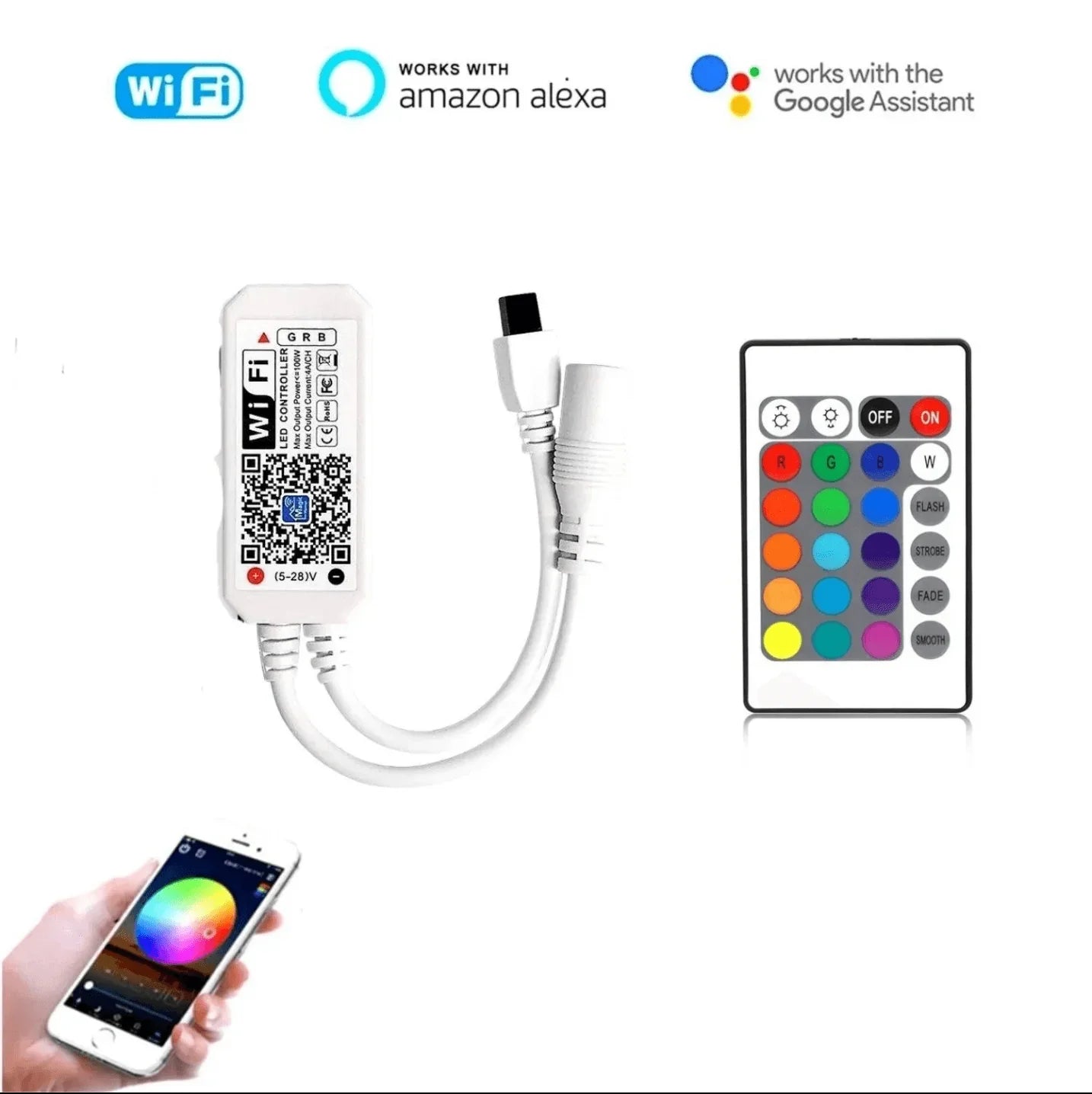
LED Strip & Neon Flex Dimmer Switch DC 12V 24V 8A Adjustable Brightness Single Colour

Regular price £12.85
Sale price £12.85 Regular price
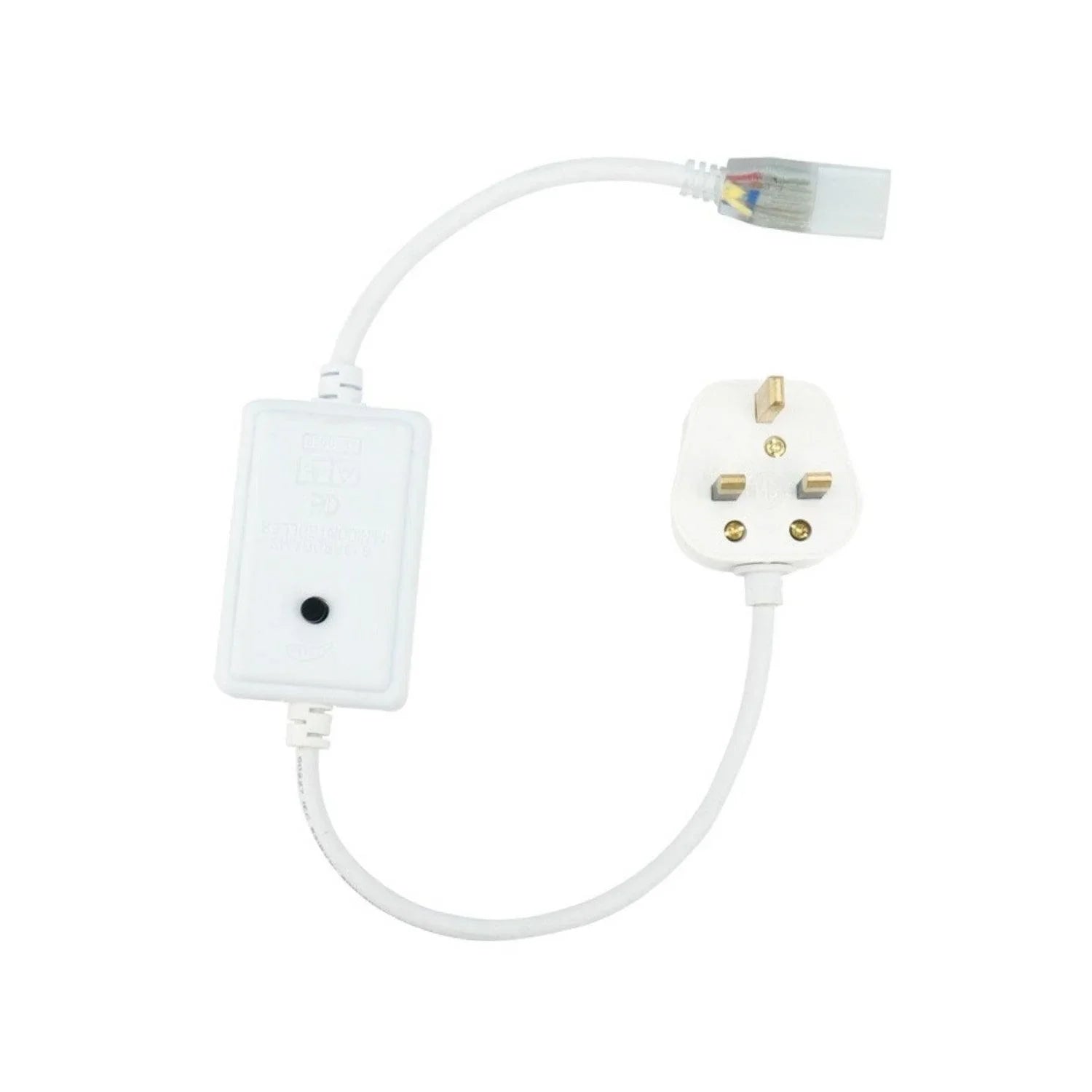
Smart WiFi IR Controller for RGB Led Strip Light with 21 Keys Remote, Compatible with Alexa & Google - ATOM LED

Smart WiFi IR Controller for RGB Led Strip Light with 21 Keys Remote, Compatible with Alexa & Google
Regular price £14.85
Sale price £14.85 Regular price
RGB LED Strip 220V 240V Controller for 60 led/m LED Strip - ATOM LED
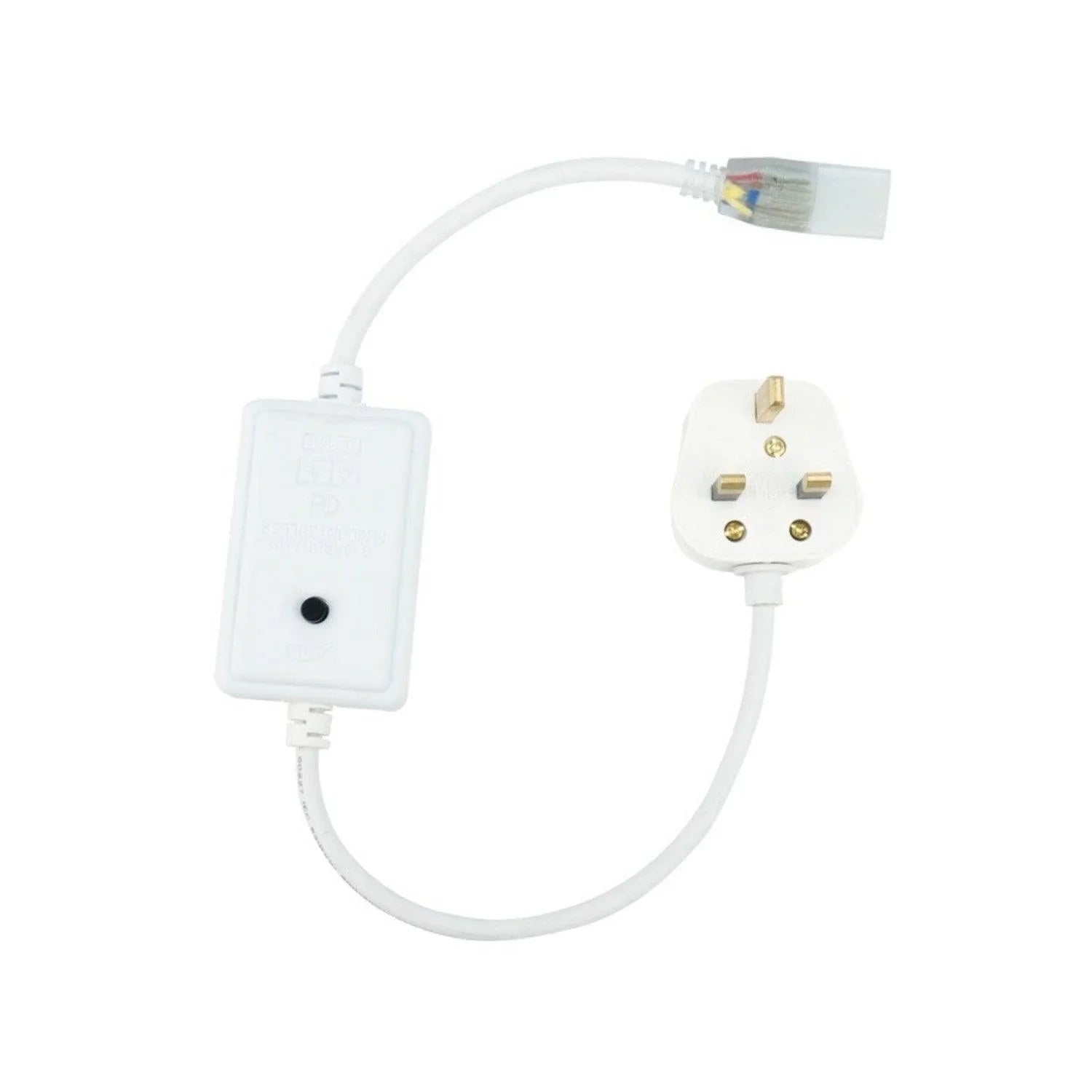
RGB LED Strip 220V 240V Controller for 60 led/m LED Strip

Regular price £9.85
Sale price £9.85 Regular price
RGB LED Strip 220V 240V Controller for 120 led/m LED Strip - ATOM LED
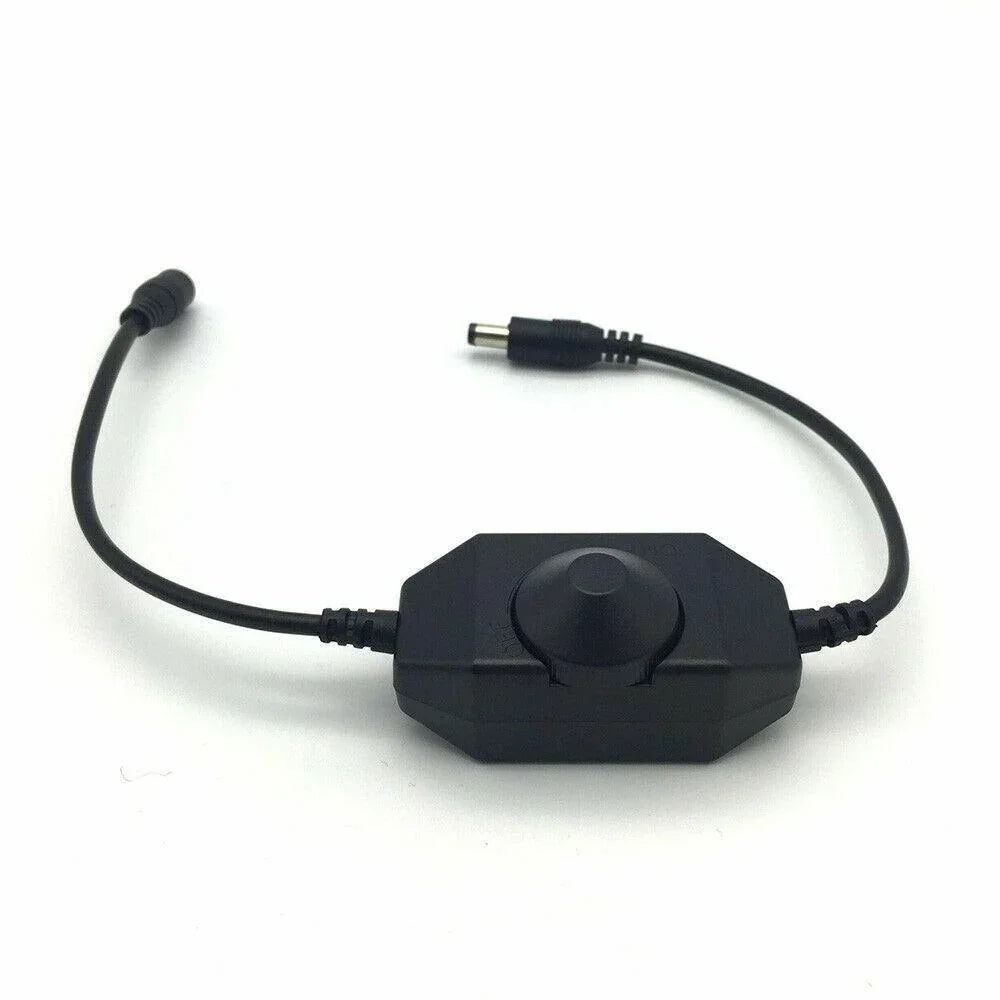
RGB LED Strip 220V 240V Controller for 120 led/m LED Strip

Regular price £9.85
Sale price £9.85 Regular price
LED Strip & Neon Flex Dimmer DC 12V Adjustable Brightness Single Colour - ATOM LED
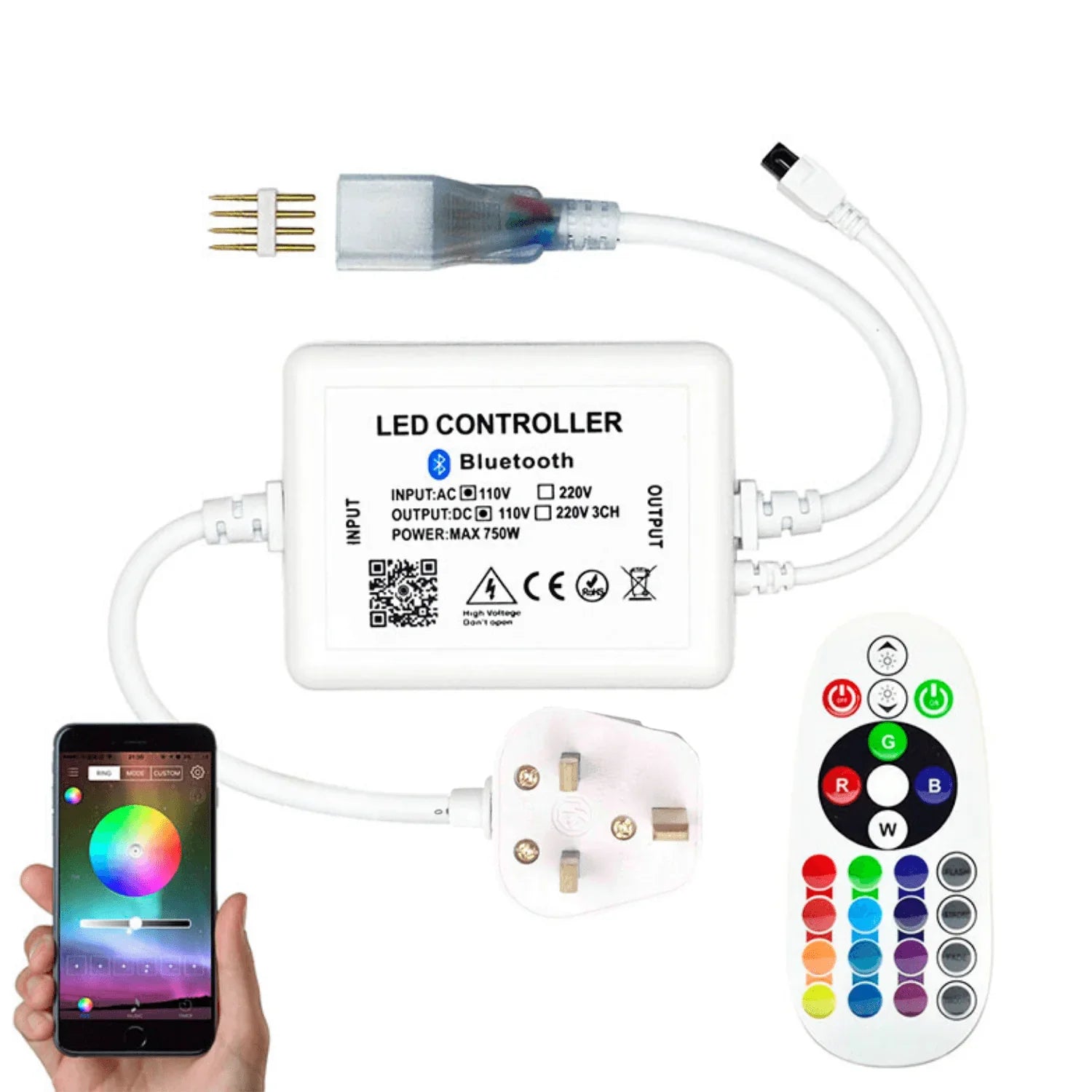
LED Strip & Neon Flex Dimmer DC 12V Adjustable Brightness Single Colour

Regular price £9.85
Sale price £9.85 Regular price
RGB Neon Flex 220V 240V 10x20mm Bluetooth Controller with Remote - ATOM LED
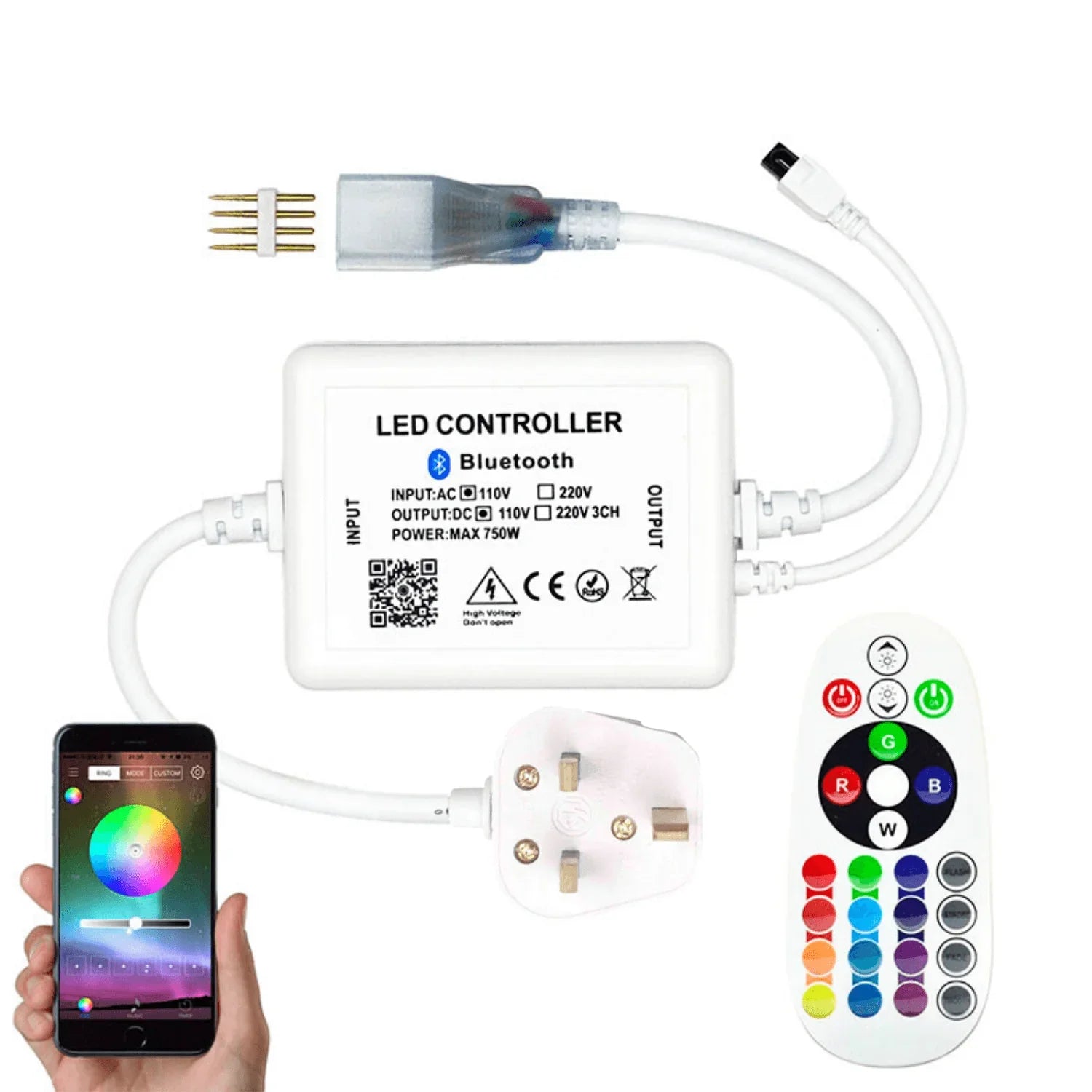
RGB Neon Flex 220V 240V 10x20mm Bluetooth Controller with Remote

Regular price £30.85
Sale price £30.85 Regular price
RGB LED Strip 120 LEDs/m 220V 240V Bluetooth Controller with Remote - ATOM LED
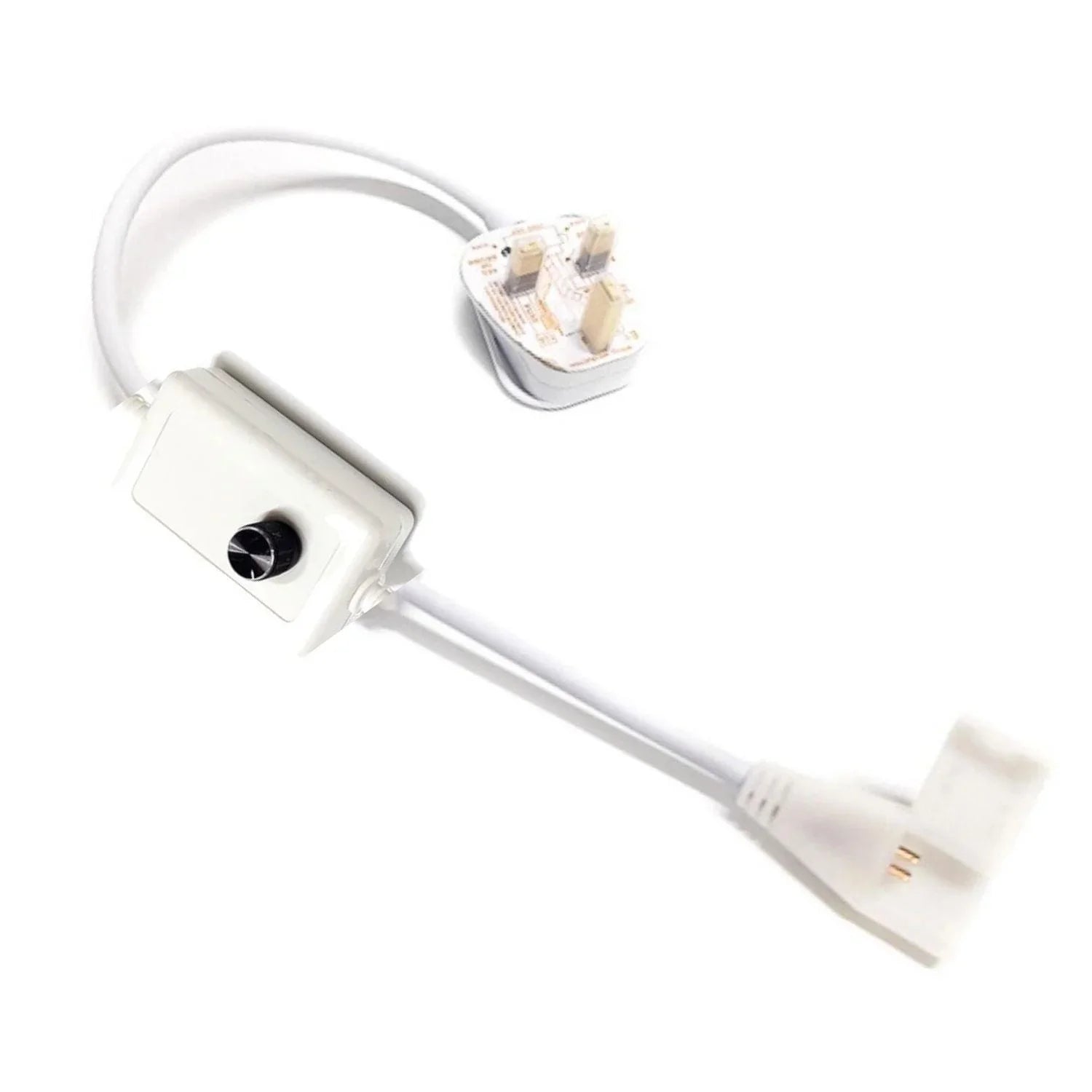
RGB LED Strip 120 LEDs/m 220V 240V Bluetooth Controller with Remote

Regular price £30.85
Sale price £30.85 Regular price
LED Neon Flex Wireless AC 220V 240V 8x16mm Single Colour Dimmer Controller - ATOM LED
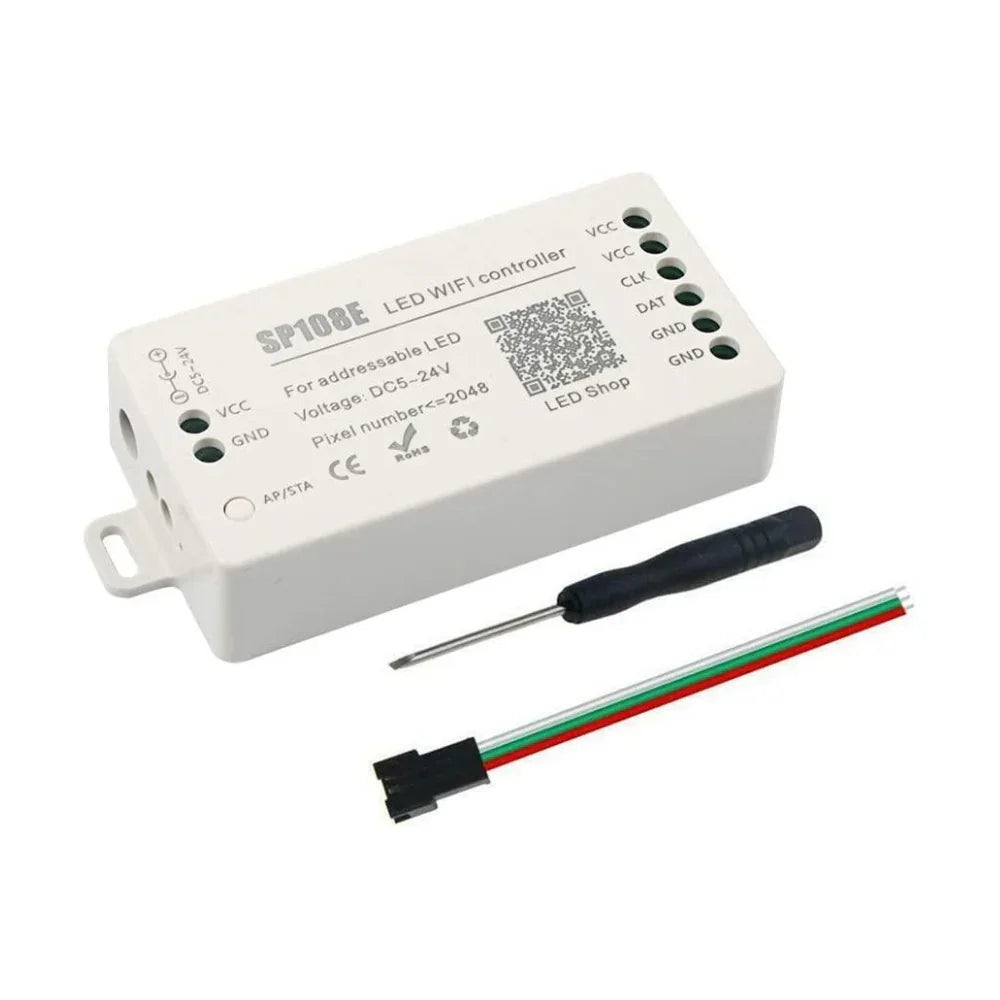
LED Neon Flex Wireless AC 220V 240V 8x16mm Single Colour Dimmer Controller

Regular price £15.85
Sale price £15.85 Regular price
SP108E Digital Pixel SPI Smart WiFi Controller DC 5V-24V
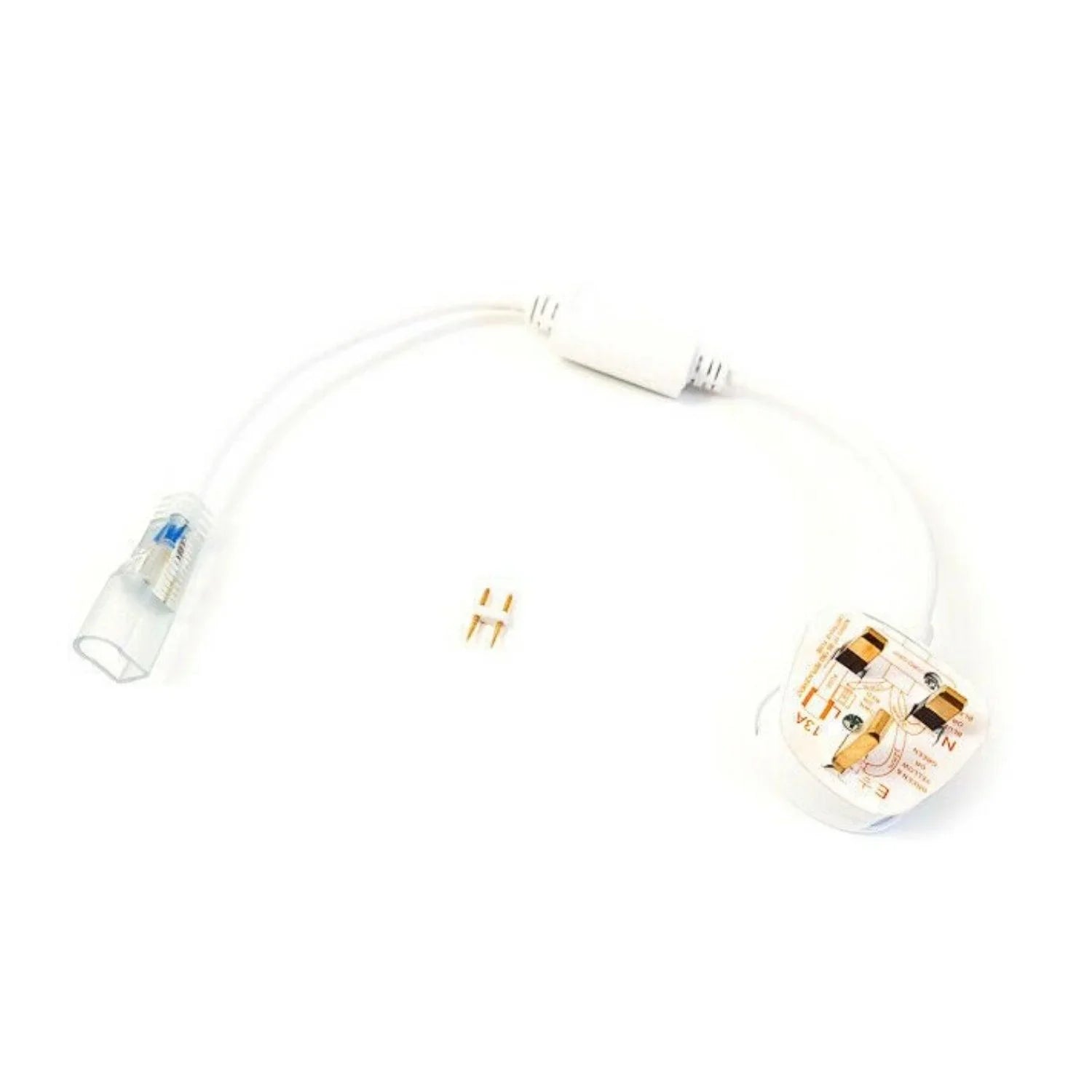
SP108E Digital Pixel SPI Smart WiFi Controller DC 5V-24V

Regular price £28.95
Sale price £28.95 Regular price
LED Neon Flex AC 220V 240V 8x16mm Single Colour Connector - ATOM LED
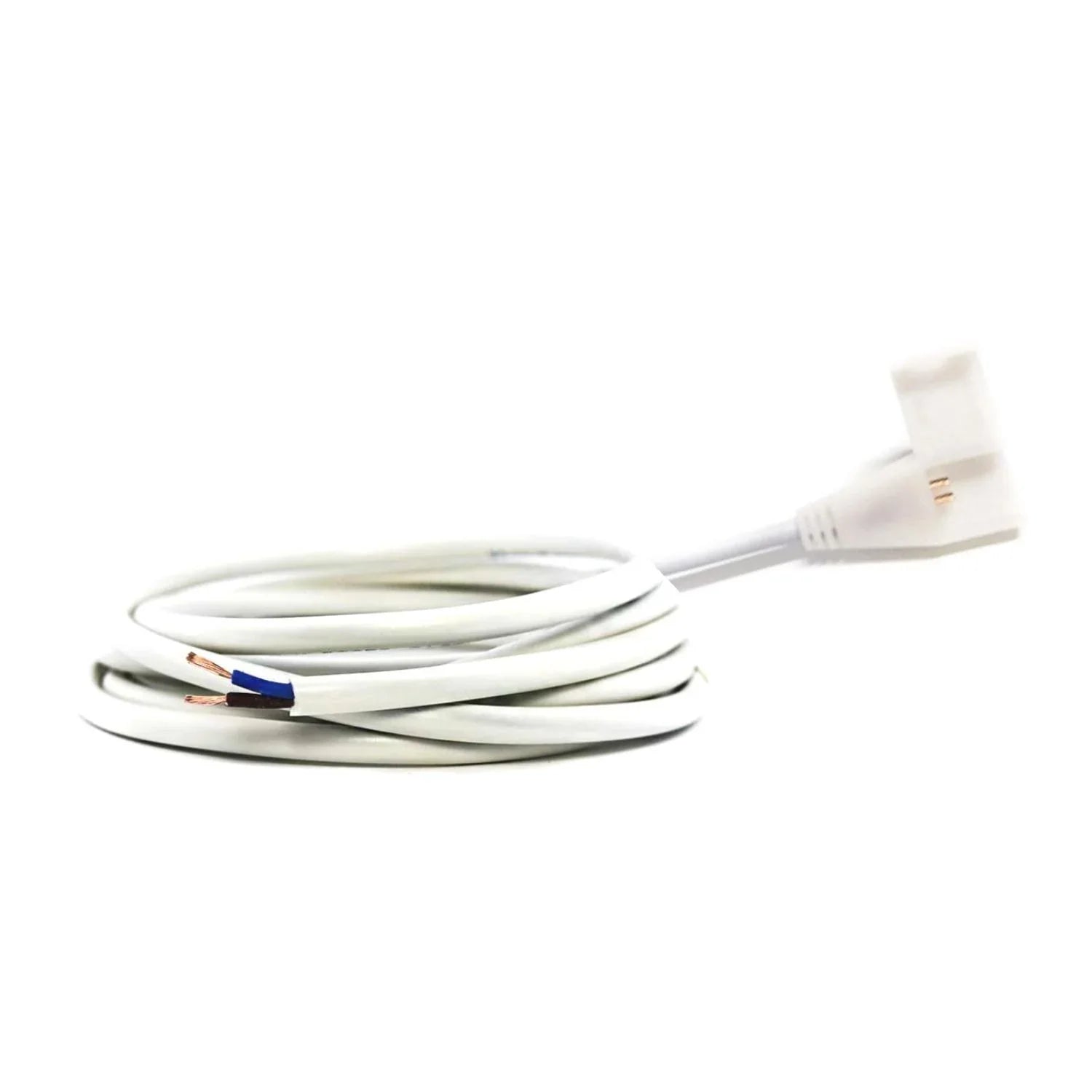
LED Neon Flex AC 220V 240V 8x16mm Single Colour Connector

Regular price £11.95
Sale price £11.95 Regular price
LED Neon Flex Wireless Connector Cable DC 12V/ 24V 8x16mm Single Colour - ATOM LED
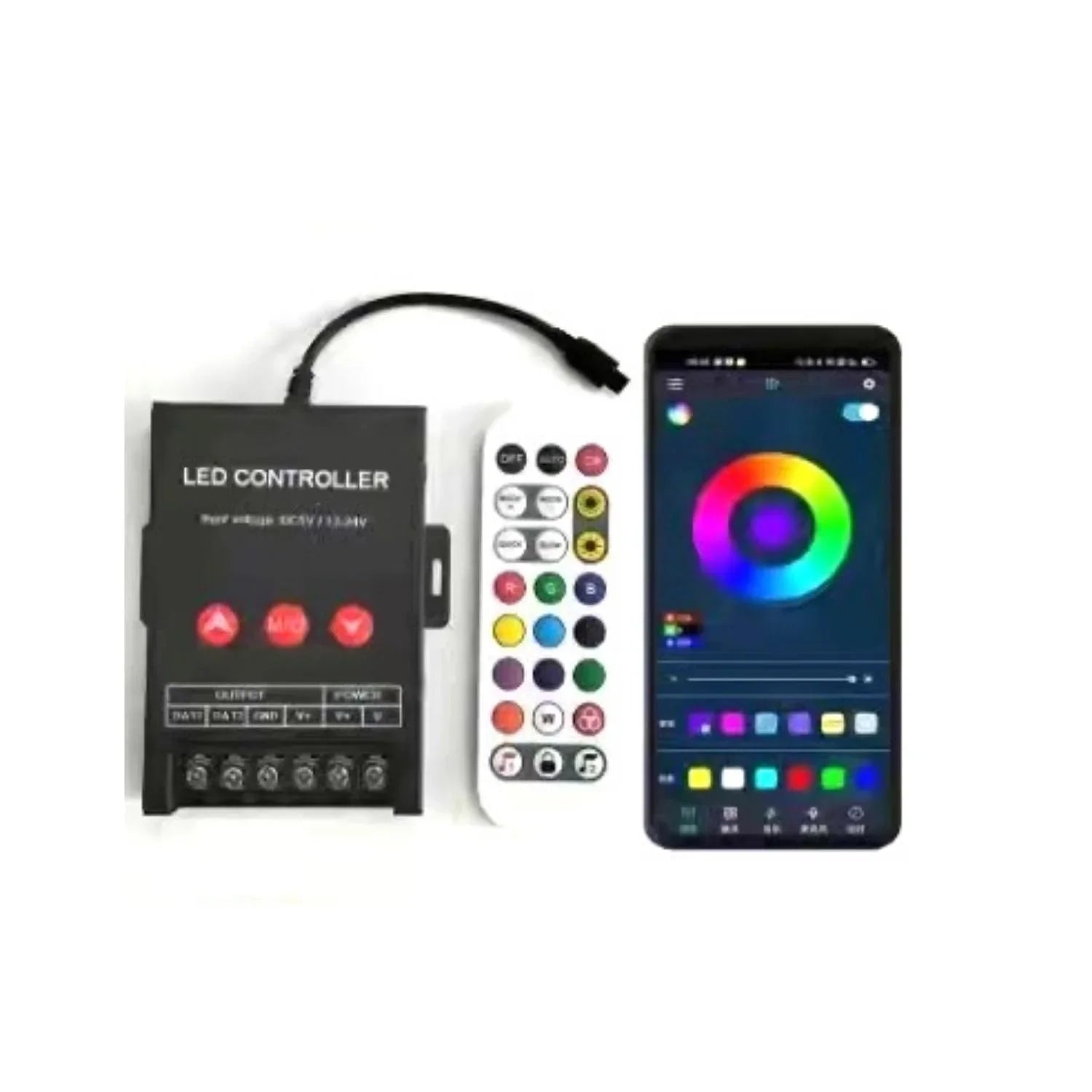
LED Neon Flex Wireless Connector Cable DC 12V/ 24V 8x16mm Single Colour

Regular price £12.85
Sale price £12.85 Regular price
Digital Pixel RGB Strip & Neon Flex DC 5V-24V for SK6812 SK6812-RGBW WS2812 WS2813 WS2811 AL2815 - ATOM LED
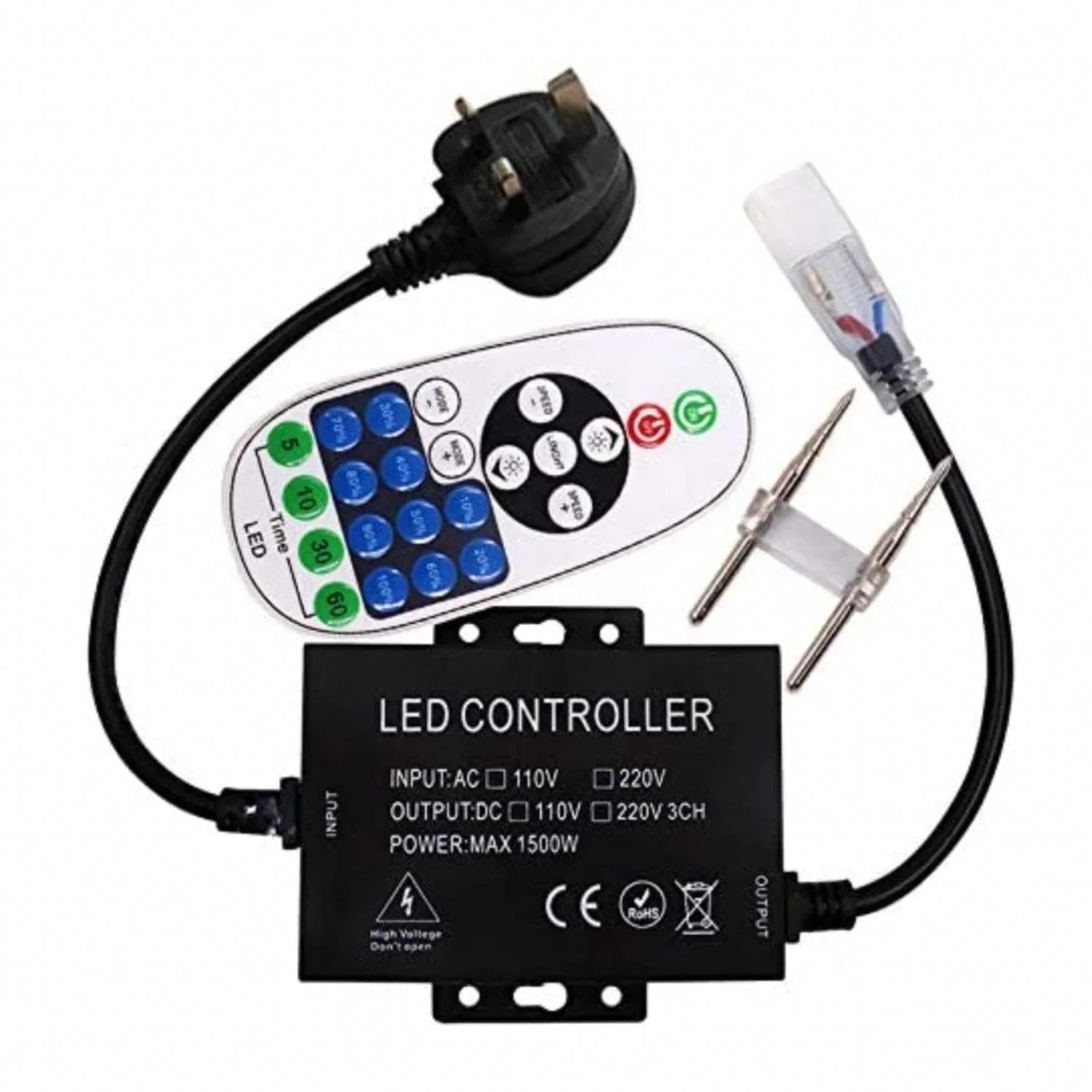
Digital Pixel RGB Strip & Neon Flex DC 5V-24V for SK6812 SK6812-RGBW WS2812 WS2813 WS2811 AL2815

Regular price £38.95
Sale price £38.95 Regular price
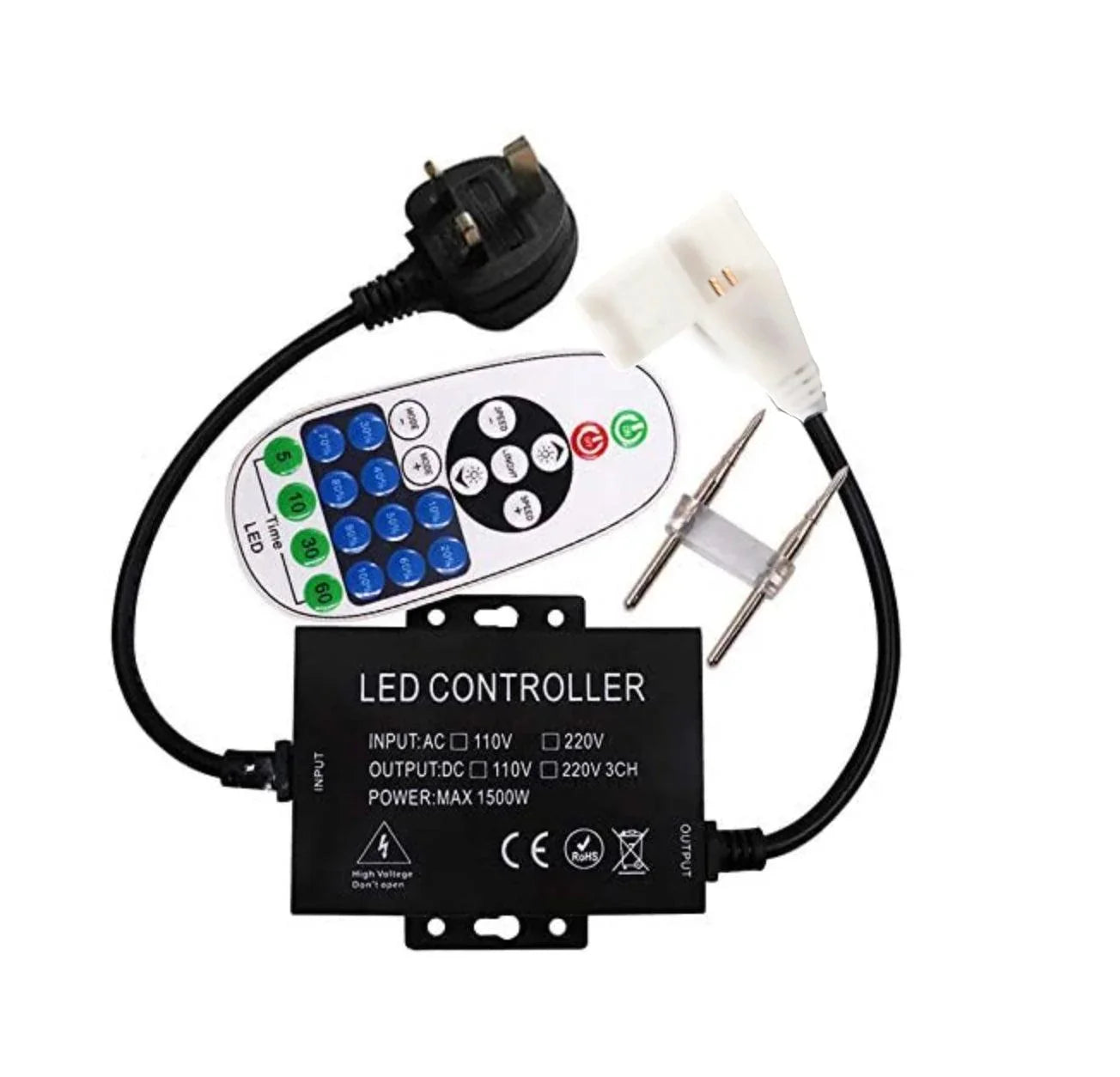
LED Neon Flex 220V 240V 8x16mm 23-Key RF Remote Control 1500W Dimmer Transformer for Brightness Adjustment - ATOM LED

LED Neon Flex 220V 240V 8x16mm 23-Key RF Remote Control 1500W Dimmer Transformer for Brightness Adjustment
Regular price £29.85
Sale price £29.85 Regular price
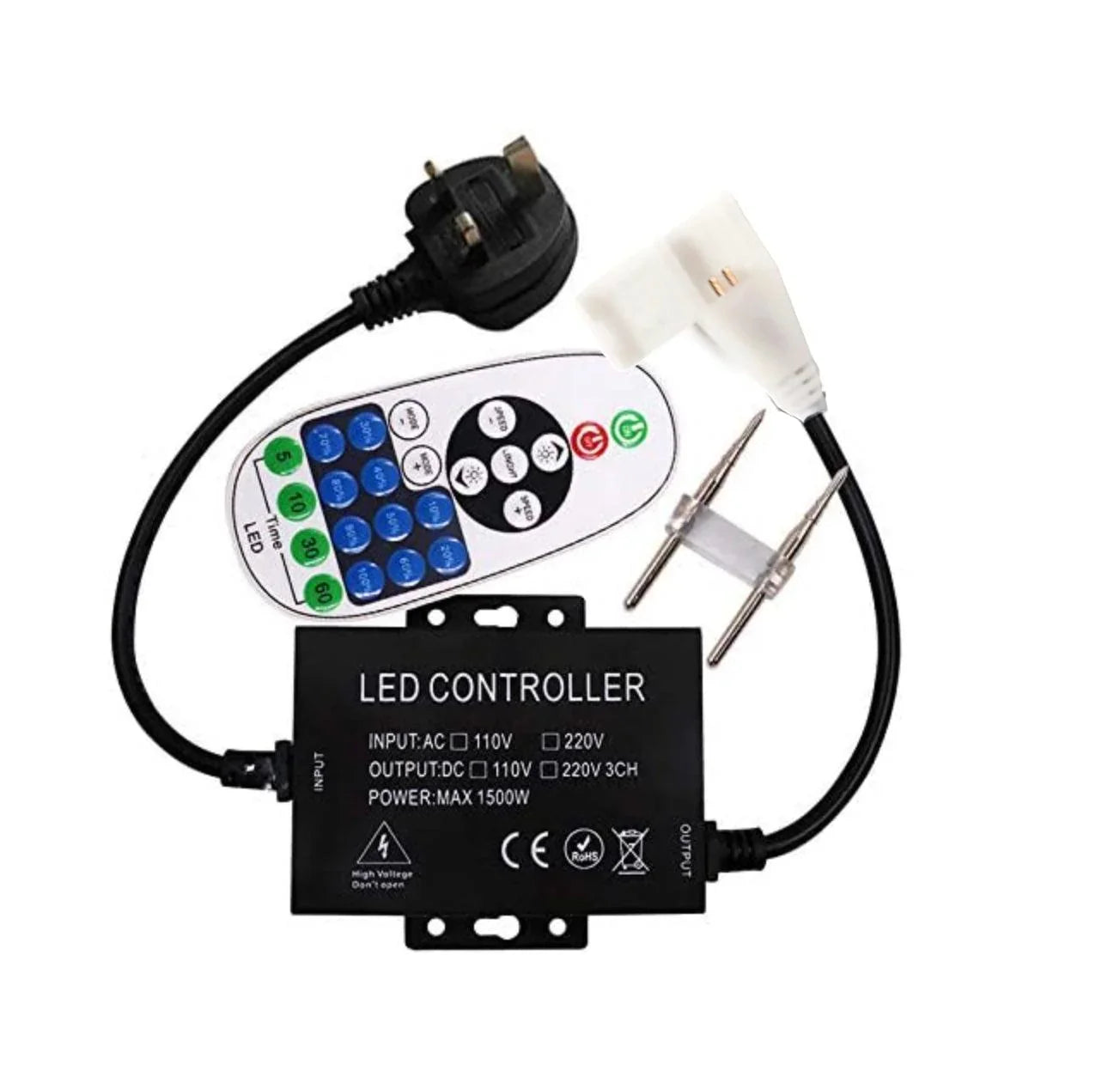
Single Colour Wireless Neon Flex AC 220 240V 8x16mm 23-Key RF Remote Control 1500W Dimmer Transformer for Brightness Adjustment - ATOM LED

Single Colour Wireless Neon Flex AC 220 240V 8x16mm 23-Key RF Remote Control 1500W Dimmer Transformer for Brightness Adjustment
Regular price £29.85
Sale price £29.85 Regular price
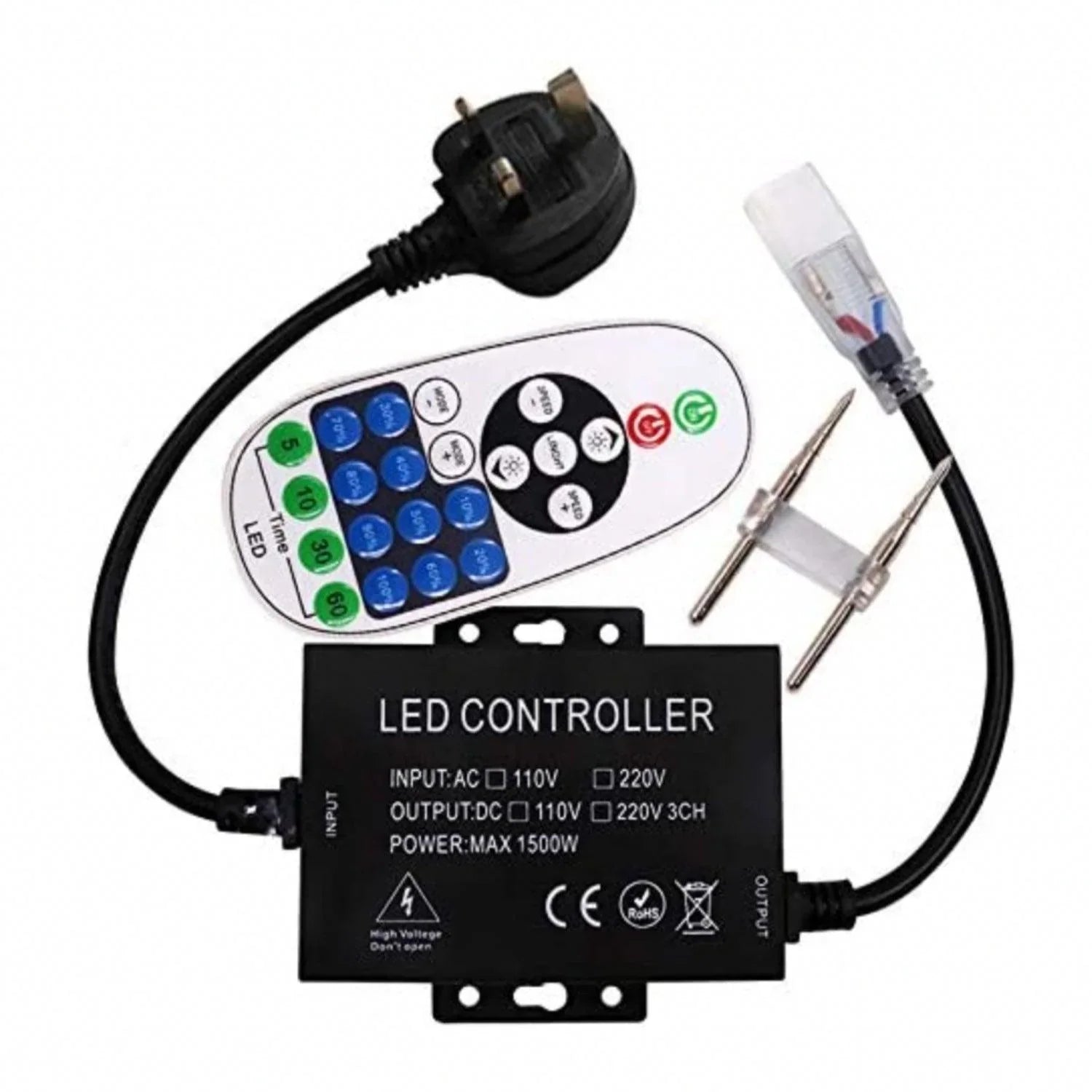
COB LED Strip AC 220 240V 8x16mm 23-Key RF Remote Control 1500W Dimmer Transformer for Brightness Adjustment - ATOM LED

COB LED Strip AC 220 240V 23-Key RF Remote Control 1500W Dimmer Transformer for Brightness Adjustment
Regular price £29.85
Sale price £29.85 Regular price
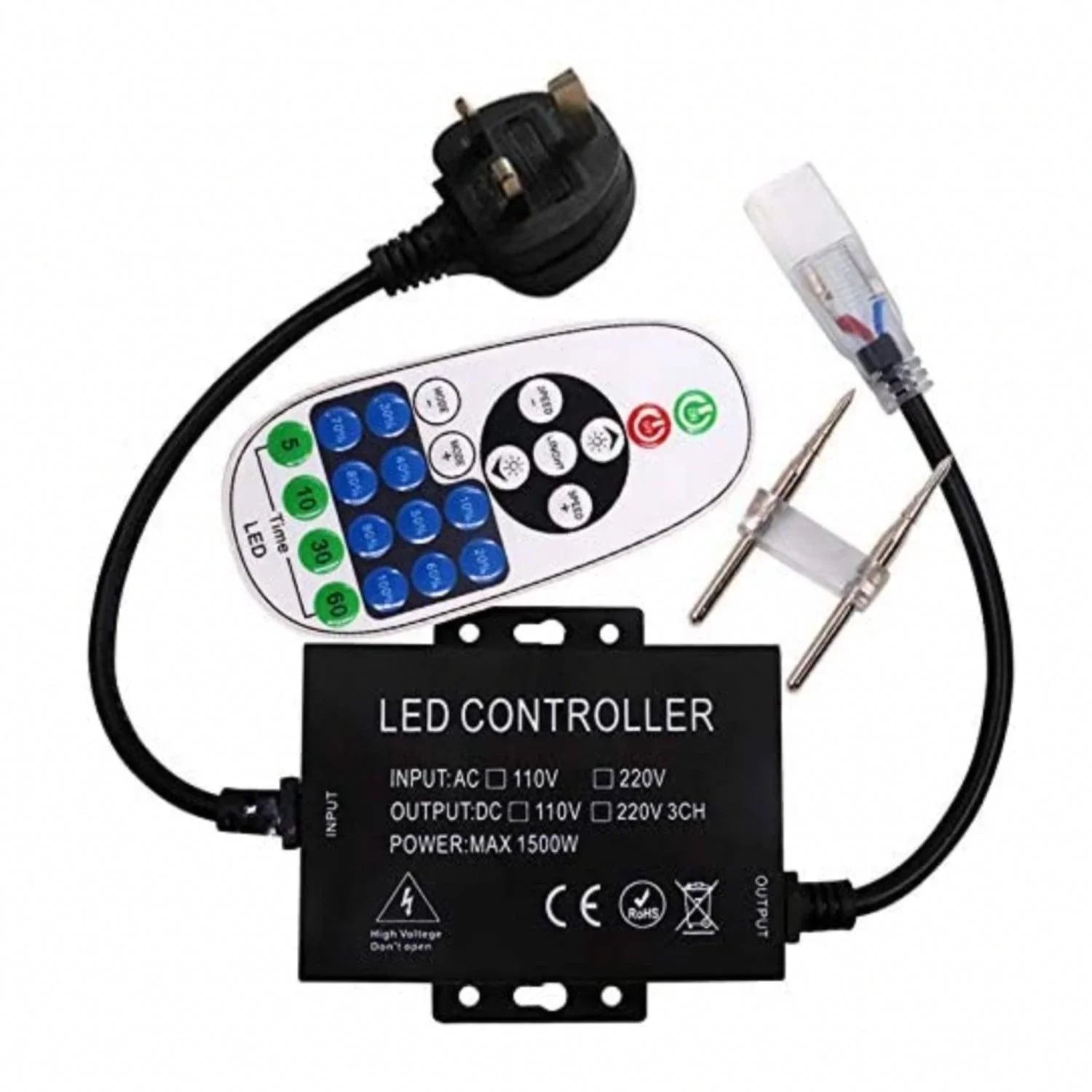
LED Strip Light 220V 240V SMD 5730 180LEDs/m 23-Key RF Remote Control 1500W Dimmer Transformer for Brightness Adjustment - ATOM LED

LED Strip Light 220V 240V SMD 5730 180LEDs/m 23-Key RF Remote Control 1500W Dimmer Transformer for Brightness Adjustment
Regular price £29.85
Sale price £29.85 Regular price
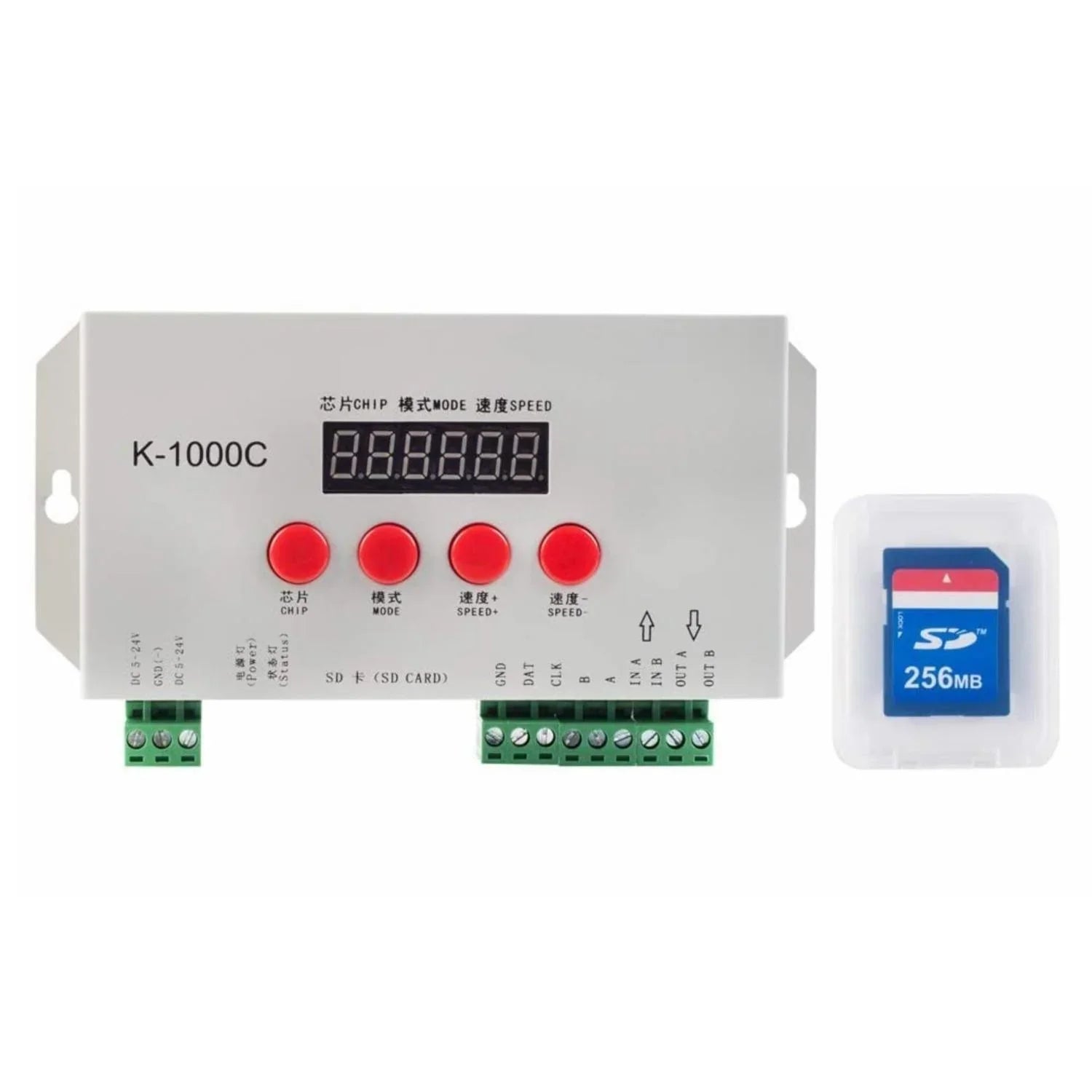
LED Strip Light 220V 240V SMD 2835 120LEDs/m 23-Key RF Remote Control 1500W Dimmer Transformer for Brightness Adjustment - ATOM LED

LED Strip Light 220V 240V SMD 2835 120LEDs/m 23-Key RF Remote Control 1500W Dimmer Transformer for Brightness Adjustment
Regular price £29.85
Sale price £29.85 Regular price
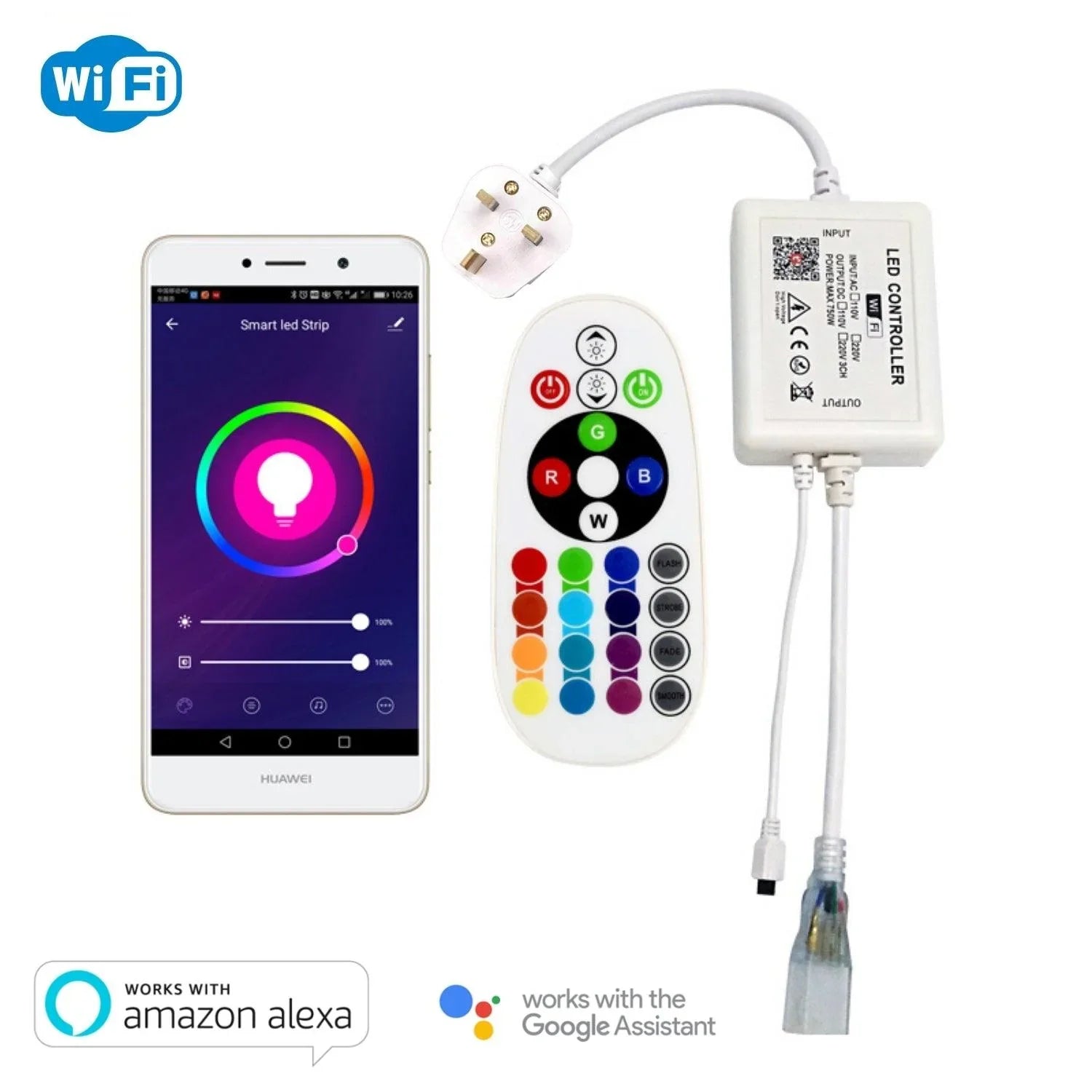
Digital RGB Pixel Controller K-1000C (T-1000S Updated) WS2812B WS2815 SK6812 WS2811 WS2801 LED Strip LED Matrix LED String 1536 Pixels Controller DC5-24V Addressable Programmable Controller with SD Card - ATOM LED

Digital RGB Pixel Controller K-1000C (T-1000S Updated) WS2812B WS2815 SK6812 WS2811 WS2801 LED Strip LED Matrix LED String 1536 Pixels Controller DC5-24V Addressable Programmable Controller with SD Card
Regular price £48.65
Sale price £48.65 Regular price
RGB Neon Flex 10x20mm 220V 240V WiFi Tuya APP LED Controller with 24key Remote - ATOM LED
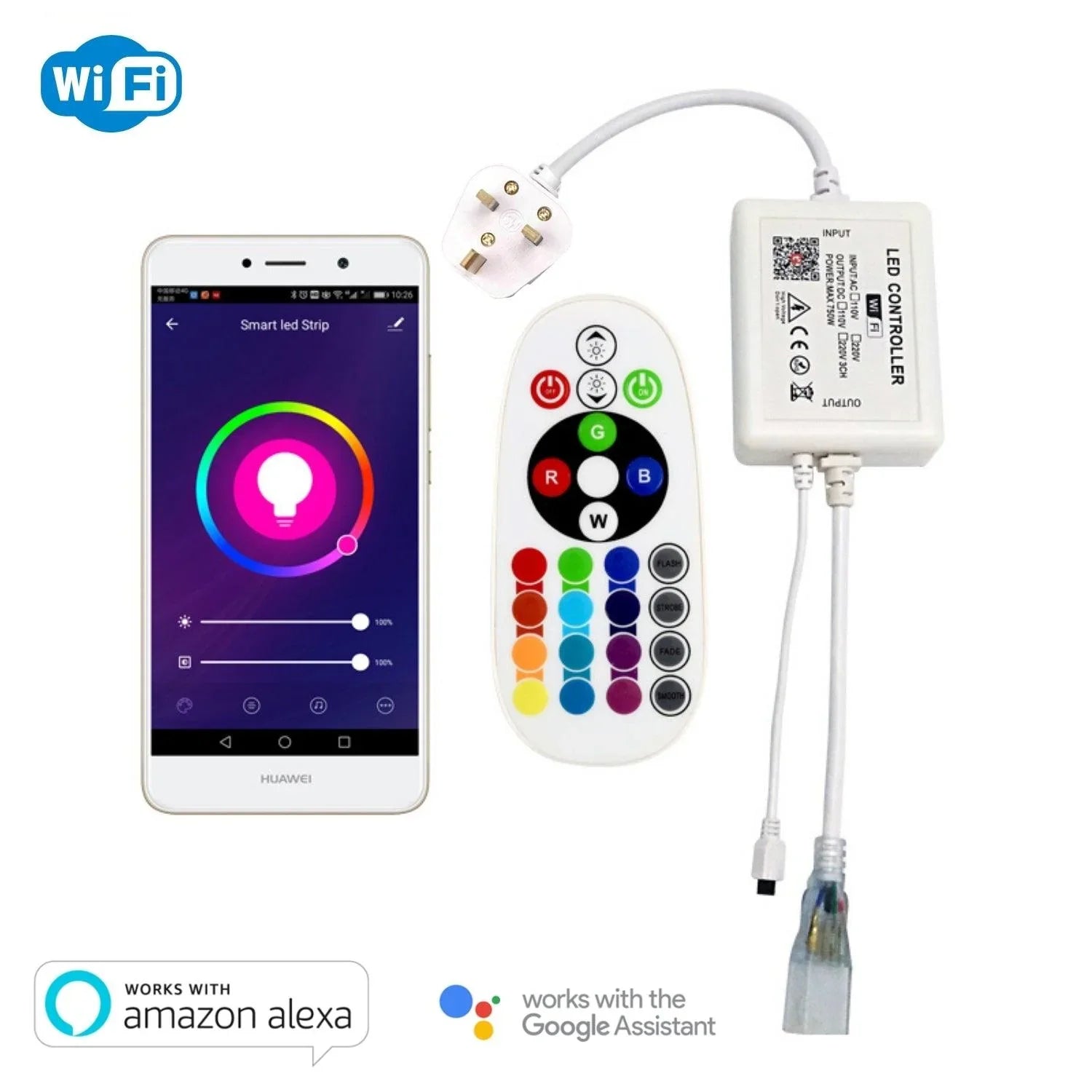
RGB Neon Flex 10x20mm 220V 240V WiFi Tuya APP LED Controller with 24key Remote

Regular price £38.85
Sale price £38.85 Regular price
RGB LED Strip 220V 240V 120LEDs/m WiFi Tuya APP LED controller with 24key Remote - ATOM LED
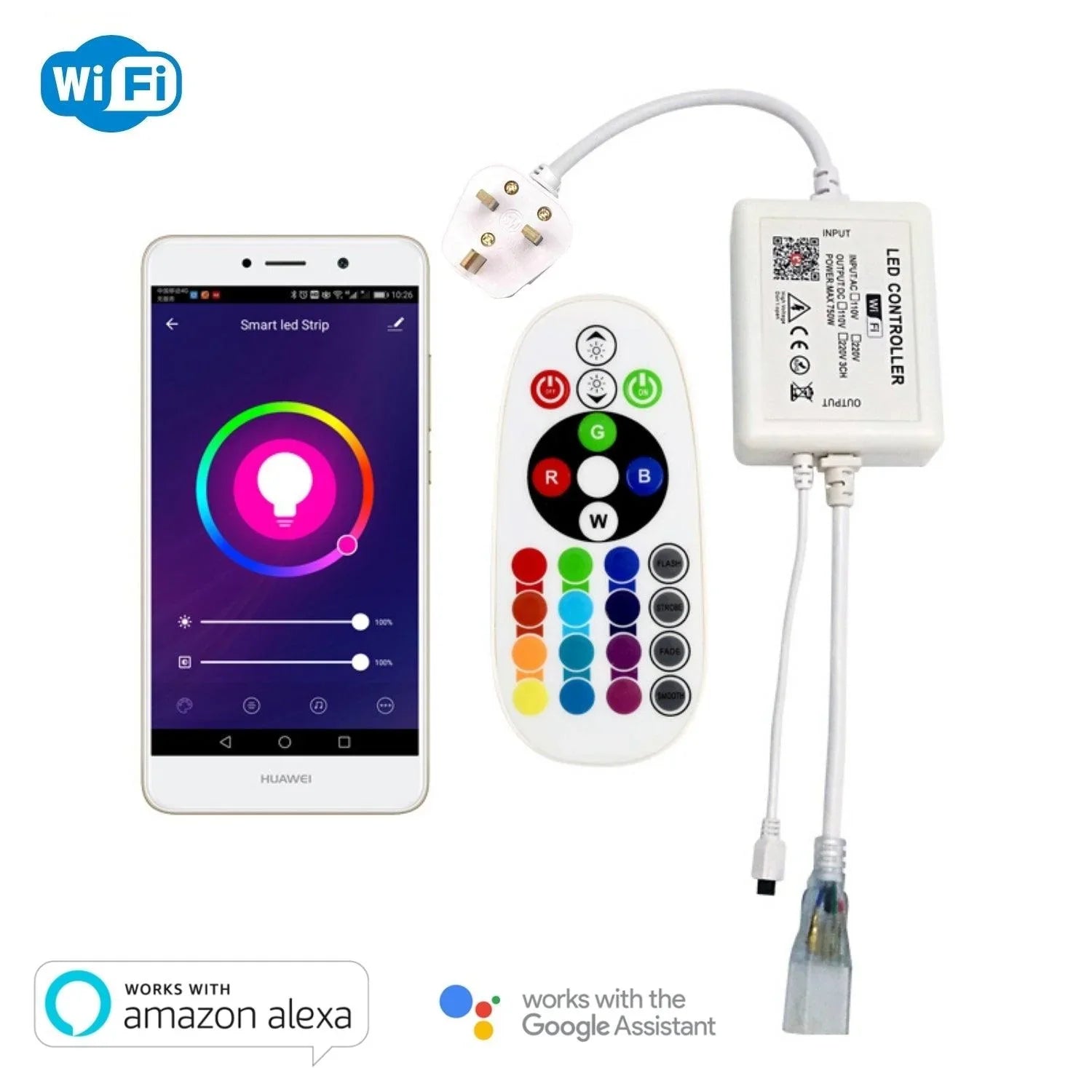
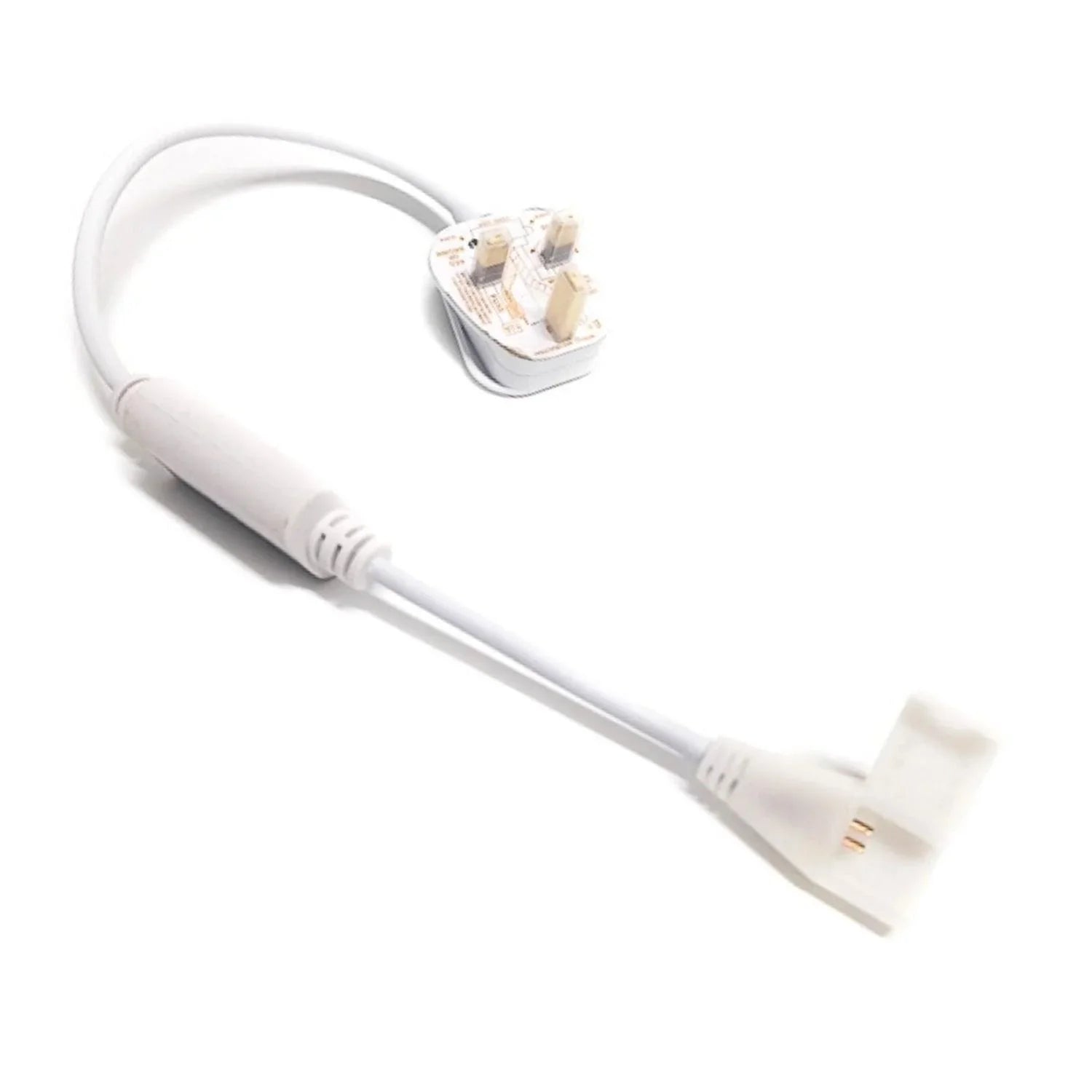
RGB LED Strip 220V 240V 120LEDs/m WiFi Tuya APP LED controller with 24key Remote
Regular price £36.85
Sale price £36.85 Regular price
RGB LED Strip 220V 240V 60LEDs/m WiFi Tuya APP LED controller with 24key Remote - ATOM LED

RGB LED Strip 220V 240V 60LEDs/m WiFi Tuya APP LED controller with 24key Remote

Regular price £36.85
Sale price £36.85 Regular price
COB LED Strip 220V 240V Single Colour Connector - ATOM LED
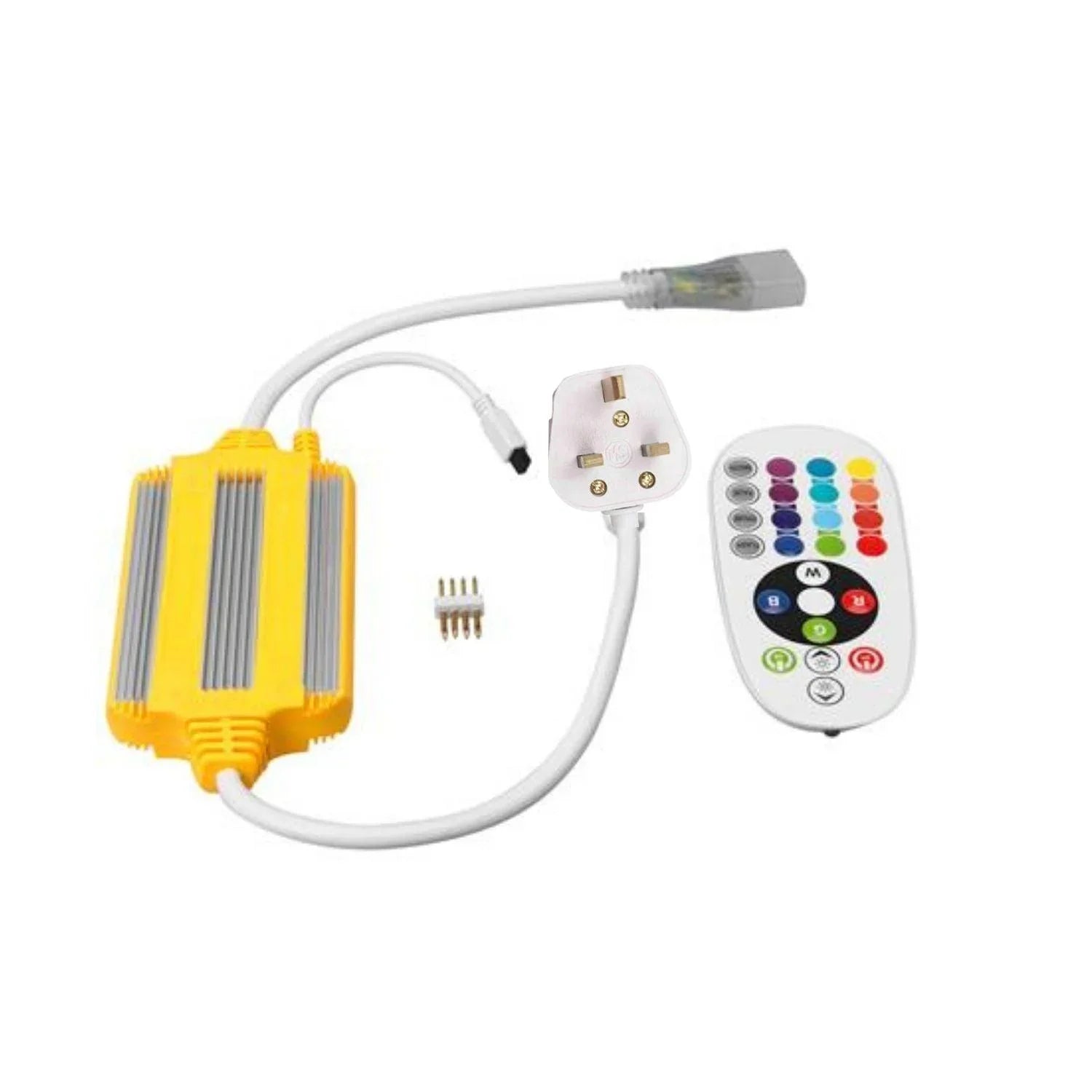
COB LED Strip 220V 240V Single Colour Connector

Regular price £12.45
Sale price £12.45 Regular price
RGB Neon Flex 220V 240V 10x18mm 1500W IR Controller - ATOM LED
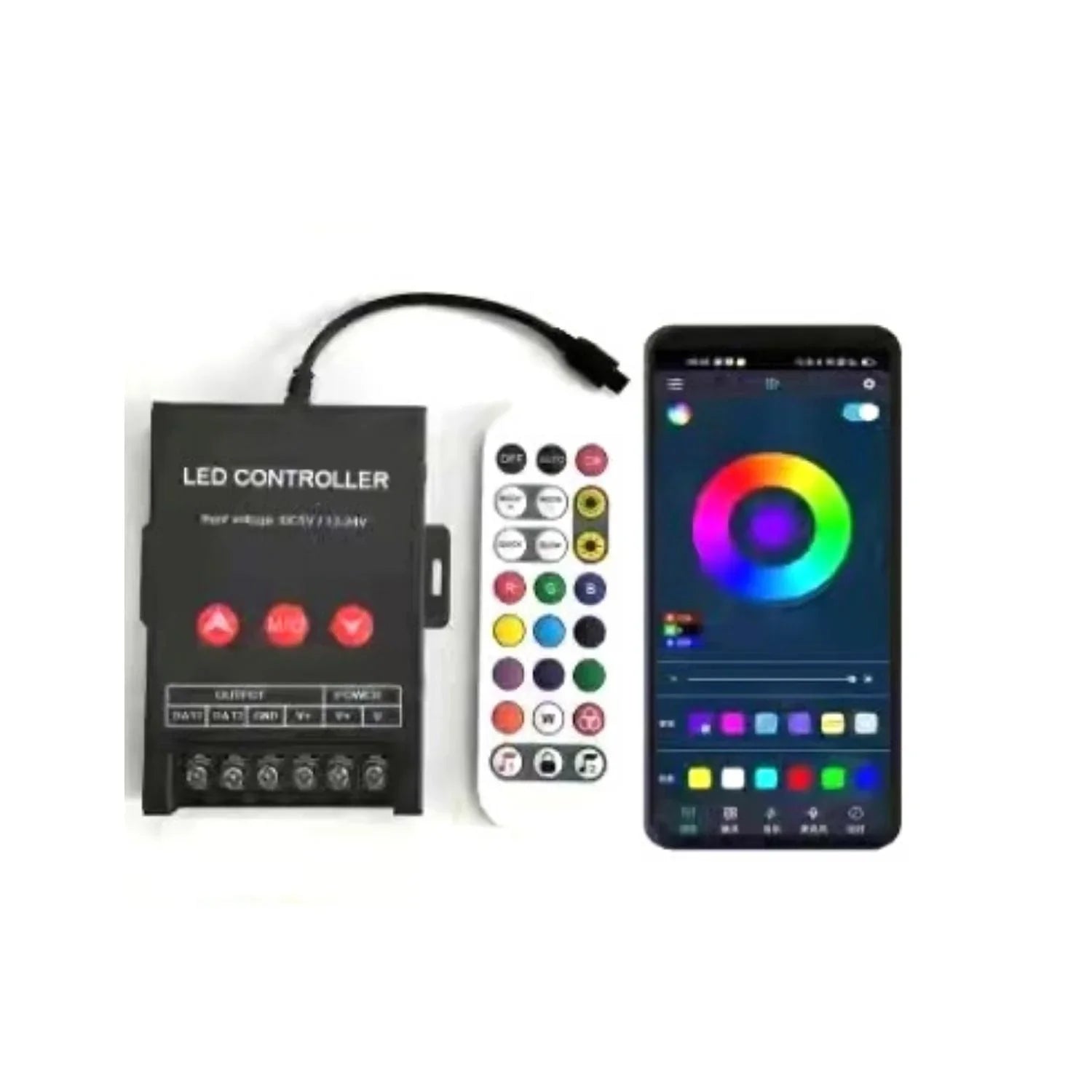
RGB Neon Flex 220V 240V 10x18mm 1500W IR Controller

Regular price £26.09
Sale price £26.09 Regular price
RGB Strip Light & Neon Flex WIFI Controller with Remote DC 5V-24V with Tuya App - ATOM LED

RGB Strip Light & Neon Flex WIFI Controller with Remote DC 5V-24V with Tuya App

Regular price £38.95
Sale price £38.95 Regular price