

Skip to content

Orders after 3rd April ship Tuesday, 7th April due to Easter courier delays.

IP68 Neon Flex

Continuous submersion demands more than a waterproof label — it demands IP68 neon flex built to stay sealed at depth, month after month, in chlorinated pools, garden ponds, and exposed fountain troughs. If your project involves water that stays rather than drains, this is the only rating that holds.

The ATOM LED IP68 neon flex range uses solid silicone extrusion with sealed end caps, rated for continuous immersion beyond 1 metre depth. Available in 24V DC, warm white through cool white, and RGB options, every roll ships from UK stock with free delivery.

IP68 rated · Continuous submersion · Solid silicone extrusion · 24V DC · UV-stable · Sealed end caps · CRI90+ · Free UK delivery · 01952 370028

  1. What does IP68 actually mean for neon flex?
  2. Where should you use IP68 neon flex instead of IP67?
  3. How does IP68 neon flex compare to IP67 and IP65?
  4. What makes silicone extrusion essential for submersible neon flex?
  5. How do you install IP68 neon flex in a pond or water feature?
  6. What driver and wiring setup does IP68 neon flex need?
  7. Can IP68 neon flex survive UK frost and freeze-thaw cycles?
  8. What are the most common IP68 installation mistakes?
  9. Which colour temperature works best underwater?
  10. Why choose ATOM LED for IP68 neon flex?
  11. Frequently asked questions about IP68 neon flex

Quick decision: If your neon flex will be permanently submerged in a pond, fountain, pool, or water feature — you need IP68. If it only needs to survive rain and occasional puddles above ground, IP67 neon flex costs less and handles those conditions well. If you are installing neon flex under a sheltered soffit or covered patio where direct water contact is rare, our full neon flex range includes more cost-effective options.

Who this is for: Landscape designers, garden lighting installers, pool contractors, architects specifying water features, and homeowners building ponds or fountains who need lighting that stays submerged 24/7 without failure.

Who this is NOT for: If your neon flex will be mounted on a wall, under a cabinet, along a fence line, or anywhere it will not be continuously sitting in standing water, you do not need to pay the IP68 premium. IP67 handles rain, temporary puddles, and exposed outdoor conditions. IP68 is specifically engineered for permanent water contact — and the higher cost reflects that engineering.

Common buying mistakes to avoid:

  • Buying IP65 for outdoor UK use: IP65 is surface-splash rated only and is not suitable for UK outdoor conditions, where driving rain, standing water, and frost are standard from October through April.
  • Assuming any IP68 strip is pool-safe: Cheap IP68 strips using epoxy potting rather than silicone extrusion yellow and crack within months of submersion, especially in chlorinated water.
  • Running the driver underwater: The neon flex is IP68 — the driver is not. Drivers, controllers, and all electrical connections must remain above the waterline in a ventilated, dry enclosure.
  • Using aluminium mounting channels in chlorinated water: Chlorine corrodes aluminium rapidly. Use stainless steel clips or UV-stable plastic mounting channels for any pool or treated-water application.

What does IP68 actually mean for neon flex?

IP68 is the highest practical waterproof rating applied to LED neon flex in 2026. The "6" confirms total dust-tightness — zero particle ingress. The "8" confirms protection against continuous submersion in water beyond 1 metre depth, for an indefinite period under manufacturer-specified conditions. This is the rating required for ponds, fountains, pools, and any installation where the strip remains permanently underwater.

The IP (Ingress Protection) classification system is defined by the international standard IEC 60529. Each digit is tested independently. A rating of IP68 means the product has passed both the maximum dust test and the most demanding standard water immersion test.

  • First digit — 6 (dust-tight): No dust ingress whatsoever after 8 hours in a dust chamber under vacuum conditions. This is the highest possible solid-particle protection rating.
  • Second digit — 8 (continuous submersion): The product withstands continuous immersion at a depth and duration agreed between manufacturer and tester — typically beyond 1 metre for extended periods. This goes well beyond the IP67 standard of 30 minutes at 1 metre.

What this means in practice: an IP68-rated neon flex strip can sit at the bottom of a garden pond, run along the inside wall of a fountain trough, or light the perimeter of a swimming pool — and continue operating reliably through years of continuous water exposure. The seal does not rely on occasional drying out. It is designed to stay wet permanently.

One critical distinction that most product listings skip entirely: IP68 certifies the strip body only. Cut points, solder joints, wire entry points, and end caps each represent a potential ingress path. A properly manufactured IP68 neon flex uses solid silicone extrusion with factory-sealed end caps to eliminate these weak points. Cheap alternatives using epoxy-filled sleeves or loose heat-shrink tubing at the ends will fail underwater within weeks.


Where should you use IP68 neon flex instead of IP67?

Use IP68 neon flex wherever the strip will be continuously submerged or in permanent contact with standing water. This includes garden ponds, koi ponds, fountain troughs, swimming pool edges, hot tub surrounds, water walls, and any feature where water sits against the strip surface without draining away. IP67 is sufficient for rain exposure, temporary puddles, and jet-wash scenarios where the strip dries between exposures.

The distinction is not about water volume — it is about water duration. A neon flex strip mounted on a fence that gets soaked in a rainstorm and dries within an hour faces a fundamentally different challenge to a strip sitting at the bottom of a pond that never dries at all. IP67 sealing handles the first scenario. IP68 handles the second.

Application Water Contact Type Minimum IP Rating Recommended
Garden pond perimeter (submerged) Continuous submersion IP68 IP68
Koi pond underwater accent Continuous submersion IP68 IP68
Fountain trough interior Continuous submersion IP68 IP68
Swimming pool wall or step Continuous submersion + chlorine IP68 IP68 silicone only
Water wall or cascade base Continuous flow + submersion IP68 IP68
Hot tub perimeter Continuous submersion + heat + chemicals IP68 IP68 silicone only
Outdoor fence or wall Rain, dries between events IP67 IP67 neon flex
Decking edge (no standing water) Splash, dries quickly IP67 Decking neon flex
Sheltered soffit or covered patio Minimal direct water IP65–IP67 Full neon flex range

One scenario that catches buyers out: water features with overflow trays or splash zones. If the neon flex sits in a tray that holds 10–20mm of standing water permanently, IP67 is borderline. The strip may survive for months, but long-term water sitting against end caps and cut points will eventually find a way in. For any application where water pools against the strip and does not drain away fully, IP68 is the correct specification.


How does IP68 neon flex compare to IP67 and IP65?

IP65 provides surface-splash protection only and is not suitable for UK outdoor conditions under BS7671. IP67 handles temporary immersion — up to 30 minutes at 1 metre — making it appropriate for rain, garden irrigation zones, and outdoor walls. IP68 is rated for continuous submersion beyond 1 metre for indefinite periods, making it the only choice for ponds, pools, and fountains where the strip never leaves the water.

Feature IP65 IP67 IP68
Dust protection Full (6) Full (6) Full (6)
Water protection level Low-pressure jets Temporary immersion (30 min at 1m) Continuous submersion (beyond 1m)
Construction method Silicone coating or nano-coating Silicone sleeve with end seals Solid silicone extrusion with sealed end caps
Suitable for UK outdoor rain? No — fails under sustained driving rain Yes Yes
Suitable for ponds/fountains? No No — temporary immersion only Yes — designed for continuous submersion
Suitable for swimming pools? No No Yes — silicone construction resists chlorine
Chlorine resistance None Limited High (silicone extrusion)
UV resistance Low Moderate High — UV-stable silicone
Typical price premium vs IP65 Baseline Approximately 20–30% more Approximately 40–60% more
Expected lifespan submerged Fails within weeks Fails within months 50,000+ hours (approximately 5–6 years continuous)

A common mistake in 2026 UK projects: specifying IP65 for garden walls and outdoor facades because it is labelled "waterproof" on the packaging. IP65 is tested against low-pressure water jets from a nozzle — not against the sustained, wind-driven horizontal rain that the UK receives from October through April. For any outdoor installation exposed to British weather, IP67 is the minimum. For anything submerged, IP68 is the only option that holds.

The price difference between IP67 and IP68 typically runs 30–50% at the component level. That premium pays for solid silicone extrusion rather than sleeve-and-seal construction, factory-potted end caps rather than field-applied heat shrink, and materials tested for chemical resistance to chlorine, salt, and UV degradation. For projects where the strip will be underwater for years, the IP68 premium is the cheapest part of the installation.


What makes silicone extrusion essential for submersible neon flex?

Solid silicone extrusion creates a continuous, clean waterproof barrier around the LED strip — no joints, no seams, no weak points along the strip body. Unlike epoxy potting or PVC sleeves, silicone resists UV degradation, chlorine attack, freeze-thaw cycling, and remains flexible across a temperature range of approximately -40C to +200C. For continuous submersion in 2026 applications, silicone extrusion is the only construction method that delivers reliable multi-year performance underwater.

Three construction methods exist for waterproof neon flex. Each has a fundamentally different failure profile underwater:

  • Epoxy potting (cheapest): The LED strip is placed inside a clear sleeve and the cavity is filled with liquid epoxy resin that hardens. This method is inexpensive but epoxy yellows under UV exposure within 6–12 months, becomes brittle in cold temperatures, and cracks under freeze-thaw cycling. In chlorinated water, epoxy degrades faster. Most cheap IP68 strips from overseas marketplaces use this method — and most fail within the first winter in UK pond installations.
  • PVC or TPU sleeve with end seals: The strip sits inside a flexible plastic tube with silicone-sealed end caps. This handles rain and temporary immersion well (IP67 level) but the seal between the tube and end cap is the weak point under sustained water pressure. Over months of continuous submersion, water finds the join.
  • Solid silicone extrusion (IP68 standard): The LED strip is encapsulated during manufacturing inside a continuous silicone profile — one piece, no joins along the length. End caps are factory-bonded and potted. The silicone itself is UV-stable, chemically inert to chlorine and mild acids, and remains flexible from approximately -40C through to +200C. This is the construction used in professional pool lighting, commercial fountain installations, and architectural water features across the UK and Europe.

The reason silicone costs more than epoxy or PVC comes down to materials and process: silicone raw material is approximately 4–5 times more expensive than epoxy resin, the extrusion process requires precision tooling, and quality control involves pressure-testing every metre of finished product. That cost difference is why budget IP68 strips can appear to offer the same rating at a fraction of the price — the rating may be printed on the box, but the construction behind it determines whether the strip actually survives submersion beyond the first few months.

For any ATOM LED IP68 neon flex installation in a pond, fountain, or pool, we recommend confirming the strip uses solid silicone extrusion before committing. Our technical team can confirm construction details for any product in this range — call 01952 370028 or email operations@atomled.co.uk.


How do you install IP68 neon flex in a pond or water feature?

IP68 neon flex installation in water features follows a specific sequence: plan the cable route with all connections above the waterline, mount using stainless steel or UV-stable plastic clips, route the sealed neon flex into the water, test before filling, and verify seal integrity under water. The driver, controller, and all wiring connections must remain in a dry, ventilated enclosure — never submerged.

  1. Step 1 — Plan the route and measure: Map the exact path the neon flex will follow along the pond edge, fountain trough, or pool wall. Measure accurately and add 300–500mm excess at each end to allow the cable exit point to reach above the waterline comfortably. Identify where the driver enclosure will sit — this must be a dry, ventilated location at least 500mm above the maximum water level. Mark all mounting points at 200–300mm intervals.
  2. Step 2 — Prepare mounting hardware: Use stainless steel clips or UV-stable plastic channels rated for submerged use. Never use aluminium profiles or channels in chlorinated or treated water — chlorine corrodes aluminium rapidly, causing both structural failure and water contamination. For pond installations, stainless steel A4 grade (marine grade) clips are the standard choice in 2026. Pre-drill and fix all mounting hardware before introducing the neon flex.
  3. Step 3 — Route the neon flex and seal any cut points: If the strip needs cutting to length, cut only at designated cut marks. Apply the manufacturer-supplied IP68 end cap kit to the cut end — this typically involves a potting compound and sealed silicone end cap. Allow the sealant to cure fully (typically 24 hours at 20C) before any water contact. A single unsealed cut point will destroy the entire strip within days of submersion.
  4. Step 4 — Connect wiring above the waterline: Route the neon flex cable upward from the water to the driver enclosure. All solder joints, push connectors, and wire-to-wire connections must be above the maximum waterline. Use IP68-rated cable glands where the cable exits the water zone into the enclosure. Connect to a 24V DC constant voltage LED driver rated for the total wattage of the strip plus a 20% overhead margin.
  5. Step 5 — Test before filling with water: Power the installation and verify the entire strip illuminates evenly with no flickering or dead sections. Check every connection point. It is far easier to diagnose a wiring fault before the pond or fountain is filled. Run the strip for at least 30 minutes to confirm stable operation.
  6. Step 6 — Fill and verify seal integrity: Fill the pond or fountain slowly. Observe the neon flex as water rises — any bubbling at end caps or cut points indicates a seal failure that must be addressed before full submersion. Once at operating water level, run the strip for a further 2–4 hours and visually inspect for any condensation inside the silicone body, which would indicate micro-ingress.
  7. Step 7 — Final check and ongoing maintenance: After 48 hours of continuous submerged operation, inspect again. For pool installations, check the strip monthly during the first season for any signs of discolouration, dimming, or seal degradation. Clean algae buildup with a soft cloth — never use abrasive pads or pressure washers directly on the neon flex surface.

For installations requiring RGB or colour-changing control, the controller must also remain above the waterline in the dry enclosure alongside the driver. Use a dedicated non-dimmable constant voltage driver for RGB and RGBW configurations — dimmable drivers cause flicker and colour shift on multi-channel strips.


What driver and wiring setup does IP68 neon flex need?

IP68 neon flex runs on 24V DC from a constant voltage LED driver. The driver must remain above the waterline in a dry, ventilated enclosure — it is not submersible. Size the driver at the total strip wattage plus 20% headroom. Use parallel wiring for runs over 5 metres to prevent voltage drop, and route all connections through IP68-rated cable glands at the enclosure entry point.

  • Voltage: 24V DC is the standard for IP68 neon flex in the UK market in 2026. 24V DC falls within the SELV voltage threshold under BS7671 (120V DC ripple-free maximum), provided it is supplied from a suitably isolated, safety-rated driver — this means significantly reduced shock risk, which is especially important for installations near or in water.
  • Driver sizing: Calculate total wattage of the neon flex (watts per metre multiplied by total length in metres), then add 20% headroom. A 10-metre run of 10W/m neon flex needs a minimum 120W driver. Undersized drivers overheat and fail prematurely.
  • Driver placement: Always above the waterline, in a ventilated enclosure protected from direct rain. A weatherproof IP65 junction box mounted to a wall or post at least 500mm above maximum water level is standard practice. Never bury the driver underground or place it inside an unventilated cavity — heat buildup reduces driver lifespan by up to 50%.
  • Wiring method: Parallel wiring is best practice for any run over 5 metres. Series wiring multiplies voltage drop along the length, causing the far end of the strip to appear dimmer. With parallel wiring, each section receives full voltage from the driver independently.
  • Cable glands: Use IP68-rated cable glands where wiring passes from the dry enclosure through a wall or conduit into the wet zone. Standard cable grommets are not waterproof and will allow moisture ingress over time.

For single-colour white neon flex, a TRIAC dimmable driver paired with a trailing-edge dimmer provides smooth brightness control. Leading-edge dimmers frequently cause flicker with LED drivers — the trailing-edge alternative costs approximately £15 and eliminates the problem entirely. For RGB or RGBW neon flex, use a non-dimmable constant voltage driver paired with a dedicated LED controller.

Need help sizing a driver for your installation? The ATOM LED technical team can calculate the correct specification for your project — call 01952 370028 Monday to Friday, 9am–5pm, or email operations@atomled.co.uk.


Can IP68 neon flex survive UK frost and freeze-thaw cycles?

Yes — silicone-extruded IP68 neon flex is rated to operate in temperatures as low as approximately -40C, well below the coldest UK winter conditions. Silicone remains flexible through freeze-thaw cycling, unlike epoxy or PVC encapsulation which becomes brittle and cracks when temperatures drop below -10C. Pond and fountain installations in the UK should remain in place year-round without seasonal removal.

The UK typically experiences overnight lows of -5C to -12C during the coldest winter weeks, with ground temperatures in water features sometimes dropping to -3C to -6C beneath ice cover. Silicone extrusion handles this comfortably. The material does not become rigid, does not crack, and does not lose its seal under thermal contraction.

  • Silicone extrusion: Remains flexible from approximately -40C to +200C. Does not crack or delaminate during freeze-thaw cycling. This is why professional-grade IP68 neon flex uses silicone exclusively for UK and Northern European installations.
  • Epoxy potting: Becomes brittle below approximately -10C. Repeated freeze-thaw cycles cause micro-cracking in the resin, which allows water ingress on the next thaw. A strip that tested IP68 in a factory at 20C may fail in a UK pond by February.
  • PVC sleeve: Stiffens significantly below 0C. The differential contraction between the PVC outer and the copper PCB core inside can break solder joints and open end-cap seals during hard frost.

For garden pond installations where the water freezes over in winter, leave the IP68 neon flex in place. Do not attempt to remove it from ice — pulling a strip from a frozen surface risks tearing the silicone body. Allow the ice to thaw naturally. If you run a pond heater or de-icer, position it away from the neon flex to avoid localised thermal stress.

If you are installing in a fountain that is drained for winter, the neon flex can remain in the empty trough. UV-stable silicone construction resists sun exposure during dry months, and the strip will perform normally when the fountain is refilled in spring 2026 and beyond.


What are the most common IP68 installation mistakes?

The most frequent IP68 neon flex failures in 2026 UK installations come from five sources: leaving unsealed cut points exposed to water, submerging the driver or electrical connections, using aluminium channels in chlorinated water, powering the strip while still coiled on the reel, and installing budget epoxy-potted strips marketed as IP68. Each of these mistakes leads to failure within weeks to months — and each is completely avoidable.

  • Unsealed cut points: Every cut mark on IP68 neon flex is a potential water entry point. If you cut the strip to length and do not apply the manufacturer-supplied end cap and potting compound, water will reach the LED circuit board within hours of submersion. Allow a full 24-hour cure before any water contact.
  • Submerging the driver: The neon flex strip is IP68. The driver is not. Drivers, controllers, dimmers, and all wire-to-wire connections must remain above the waterline in a dry enclosure. This is the single most common cause of complete system failure in pond and fountain installations.
  • Aluminium channels in treated water: Chlorine and bromine — standard treatments in pools and hot tubs — corrode aluminium aggressively. Within weeks, the channel surface pits, weakens, and can introduce aluminium particles into the water. Use stainless steel A4 (marine grade) clips or UV-stable plastic channels instead. For standard ponds without chemical treatment, aluminium is acceptable but stainless steel is still preferred for longevity.
  • Powering while coiled: Neon flex strips must never be powered while still coiled on the reel. The concentrated heat cannot dissipate, causing adhesive breakdown, accelerated LED degradation, and in extreme cases, fire risk. Always uncoil fully and mount before powering on.
  • Bare metal mounting without insulation: Mounting LED neon flex directly against bare metal surfaces without insulation can cause short circuits. Use the supplied mounting clips or an insulating channel to maintain separation between the strip contact points and any conductive surface.
  • Budget epoxy strips marketed as IP68: The cheapest IP68 strips on online marketplaces use epoxy resin potting rather than silicone extrusion. Epoxy yellows under UV, cracks in frost, and degrades in chlorinated water. The IP68 rating on the listing may reflect a factory test under controlled conditions — not real-world UK pond or pool conditions over 12 months.

Every one of these issues appears regularly in UK forum discussions and trade contractor feedback. Avoiding them costs nothing except awareness. If you are unsure about any aspect of your installation, the ATOM LED technical team is available Monday to Friday, 9am–5pm on 01952 370028.


Which colour temperature works best underwater?

Warm white (2700K–3000K) produces the most natural, inviting glow in garden ponds and residential water features. Cool white (5000K–6500K) delivers higher visual contrast and works well in modern architectural fountains and commercial pools. Natural white (3500K–4000K) provides a neutral middle ground. RGB offers colour-changing effects for feature lighting but cannot produce clean white — RGBW adds a dedicated white channel to solve this.

Water absorbs and scatters light differently to air. The depth, clarity, and colour of the water all affect how the neon flex output appears to viewers above the surface. These practical observations apply to most UK installations in 2026:

  • Warm white (2700K–3000K): Creates a golden, amber-tinted glow that complements natural stone, timber decking, and planted ponds. Most garden pond and residential fountain installations in the UK specify warm white because it matches the surrounding landscape and does not appear harsh or clinical at night.
  • Natural white (3500K–4000K): A balanced option for installations where the surrounding architecture uses mixed materials — concrete, steel, and natural stone together. Popular in contemporary garden designs and hotel water features.
  • Cool white (5000K–6500K): High-contrast, bright output that works well in commercial settings — hotel entrance fountains, retail water walls, and public swimming pools. Cool white shows the water clarity and any movement (bubbles, flow) more crisply than warm options.
  • RGB: Offers colour-changing effects controlled via a dedicated RGB controller. RGB strips cannot produce clean white light — the white they generate has a cold, violet-tinged appearance. If you need both colour effects and clean white, specify RGBW, which includes a separate dedicated white LED channel alongside the red, green, and blue.

One practical consideration: murky or green-tinted pond water absorbs warm tones more than cool tones. If your pond has natural algae growth or a dark liner, cool white may appear brighter and more visible from above. In clear, treated water, warm white retains its full colour character.


Why choose ATOM LED for IP68 neon flex?

ATOM LED supplies IP68 neon flex from UK warehouse stock in Telford, Shropshire — no dropshipping, no overseas lead times. Every product ships with free UK delivery, is backed by a warranty, and is supported by a technical team available Monday to Friday on 01952 370028. We specify silicone-extruded construction across our IP68 range for the chemical resistance, UV stability, and freeze-thaw durability that UK installations demand.

  • UK stock, fast dispatch: All IP68 neon flex ships from our Telford warehouse. Orders placed before 2pm on weekdays typically dispatch same day, with 1–3 day delivery across the UK.
  • Free UK delivery: No minimum order. No hidden shipping surcharges.
  • Silicone extrusion standard: Our IP68 neon flex range uses UV-stable silicone extrusion — not epoxy potting, not PVC sleeves. This is the construction that survives UK winters, chlorinated pools, and multi-year continuous submersion.
  • Technical support: Our team has hands-on experience with pond, fountain, and pool installations across the UK. We can advise on driver sizing, wiring layout, colour temperature selection, and controller compatibility for your specific project. Call 01952 370028 or email operations@atomled.co.uk.
  • Complete system supply: Beyond the neon flex itself, we stock the drivers, controllers, and accessories needed for a complete installation — one supplier, one delivery, one point of technical support.
  • Honest specification: We do not overstate IP ratings or claim suitability for applications the product cannot handle. If IP67 is sufficient for your project, we will tell you — and save you the IP68 premium.

Frequently asked questions about IP68 neon flex

Can IP68 neon flex be used in a swimming pool?

  • Yes, provided the neon flex uses silicone extrusion construction. Silicone resists chlorine, bromine, and salt-based sanitisers used in UK pools. Epoxy-potted strips degrade in chlorinated water within months. Use stainless steel mounting clips — not aluminium — and keep all electrical connections above the waterline.

How deep can IP68 neon flex be submerged?

  • IP68 neon flex is typically rated for continuous submersion at depths of 1–3 metres, depending on the manufacturer's specification. For standard UK garden ponds (typically 0.6–1.2 metres deep) and residential swimming pools (1.2–2.0 metres), IP68-rated silicone neon flex operates comfortably within its tested range. For depths beyond 3 metres, contact the ATOM LED technical team on 01952 370028 for specific product confirmation.

Does IP68 neon flex need a special driver?

  • IP68 neon flex uses a standard 24V DC constant voltage driver — the same type used for non-waterproof neon flex. The critical difference is placement: the driver must remain above the waterline in a dry, ventilated enclosure. Size the driver at the total strip wattage plus 20% headroom. Browse our 24V LED driver range for compatible options.

Can I cut IP68 neon flex to length?

  • Yes, but only at designated cut marks, and every cut end must be sealed with an IP68-rated end cap kit before any water contact. An unsealed cut point will allow water to reach the circuit board within hours of submersion. Apply the supplied potting compound and end cap, then allow a full 24-hour cure at approximately 20C before introducing the strip to water.

What is the difference between IP67 and IP68 neon flex?

  • IP67 is rated for temporary immersion — up to 30 minutes at 1 metre depth. IP68 is rated for continuous submersion beyond 1 metre for an indefinite period. If your neon flex will sit permanently in water (pond, fountain, pool), you need IP68. If it only needs to survive rain and temporary puddles, IP67 neon flex is sufficient and costs less.

Is IP65 neon flex waterproof enough for outdoor use in the UK?

  • No — IP65 is surface-splash rated only and is not suitable for UK outdoor conditions. UK weather delivers sustained driving rain, standing water, and frost for approximately six months of the year. IP65 fails under these conditions. IP67 is the minimum for any exposed outdoor installation in the UK. IP68 is required only for continuous submersion applications.

Will IP68 neon flex survive freezing temperatures?

  • Silicone-extruded IP68 neon flex operates from approximately -40C to +200C, well beyond UK winter extremes. The silicone body remains flexible and sealed through repeated freeze-thaw cycles. Epoxy-potted alternatives become brittle below approximately -10C and may crack during hard frost, leading to water ingress on the next thaw.

Can I use IP68 neon flex in a koi pond?

  • Yes — IP68 silicone neon flex is safe for koi ponds. The silicone encapsulation is chemically inert and does not leach harmful substances into the water. Use a low-wattage warm white option to avoid disturbing the fish with excessive brightness, and mount below the typical water level to prevent algae accumulation at the waterline.

Do I need an RCD or GFCI for underwater LED lighting?

  • Yes — BS7671 requires RCD (residual current device) protection on circuits supplying equipment in or near water. A 30mA RCD should protect the circuit supplying the 24V DC driver. While 24V DC falls within the SELV voltage threshold (120V DC ripple-free maximum) when supplied from a suitably isolated driver — meaning significantly reduced shock risk — RCD protection on the mains supply side remains a legal requirement and best practice for all water-adjacent installations in the UK in 2026.

How long does IP68 neon flex last underwater?

  • Quality silicone-extruded IP68 neon flex typically delivers 50,000+ hours of operation, which translates to approximately 5–6 years of continuous 24/7 use. Real-world lifespan depends on water chemistry, UV exposure, operating temperature, and driver quality. Chlorinated pool installations may see slightly shorter lifespans than freshwater ponds due to ongoing chemical exposure. Epoxy-potted alternatives typically fail within 6–18 months of continuous submersion.

Can IP68 neon flex be used in salt water?

  • Silicone-extruded IP68 neon flex resists salt water exposure, but long-term salt water submersion is more demanding than freshwater. Salt accelerates corrosion at any exposed metal point — including connector pins and cut-point solder pads. Ensure all cut ends are factory-sealed or potted with marine-grade sealant. For permanent salt water installations, stainless steel A4 (marine grade) mounting hardware is essential.

What wattage do I need for underwater neon flex?

  • For accent and decorative pond lighting, 5–8W per metre is typically sufficient. For swimming pool perimeter lighting where higher visibility is needed, 10–14W per metre provides stronger output. Water absorbs approximately 20–30% of visible light within the first metre of depth, so factor this attenuation into your brightness calculations. The ATOM LED technical team can help specify the correct wattage for your project depth and application — call 01952 370028.

Ready to order IP68 neon flex for your project? Browse the full IP68 submersible neon flex range, or call the ATOM LED technical team on 01952 370028 (Monday–Friday, 9am–5pm) for project-specific advice. Email us at operations@atomled.co.uk. Free UK delivery on every order, shipped from our Telford warehouse.

Related collections: LED neon flex full range · outdoor-rated neon flex · neon flex mounting profiles · silicone neon flex body and cover · outdoor COB LED strip


Related Collections

Last reviewed: March 2026 — ATOM LED technical team, Telford, Shropshire. Specifications current as of 2026.

üè≠ UK LED specialist, Telford, Shropshire  ·  ‚òéÔ∏è 01952 370028  ·  üöö Free UK delivery

21 products

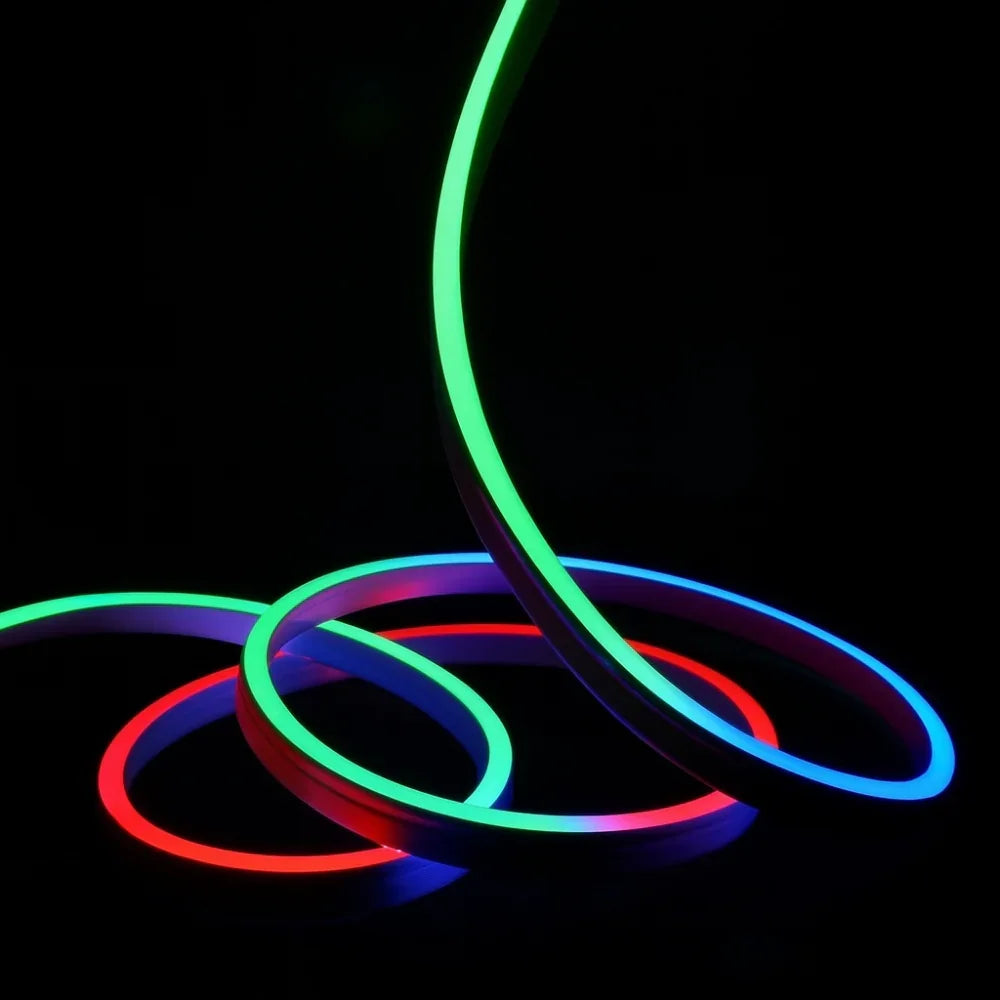
Ultra Long RGB Neon Flex 48V 10x20mm IP68 Waterproof 30 Metre
Ultra Long RGB Neon Flex 48V 10x20mm IP68 Waterproof 30 Metre

  • IP68 Waterproof
  • 30m Continuous Run
  • RGB Multicolour
  • 16.5cm (165mm) Cut
  • RGB Multicolour
Regular price From £38.72
Sale price From £38.72 Regular price
View Product
Ultra Long Cool White LED Neon Flex 48V 10x20mm IP68 Waterproof 30m - UK LED Lights

Ultra Long Cool White LED Neon Flex 48V 10x20mm IP68 Waterproof 50m
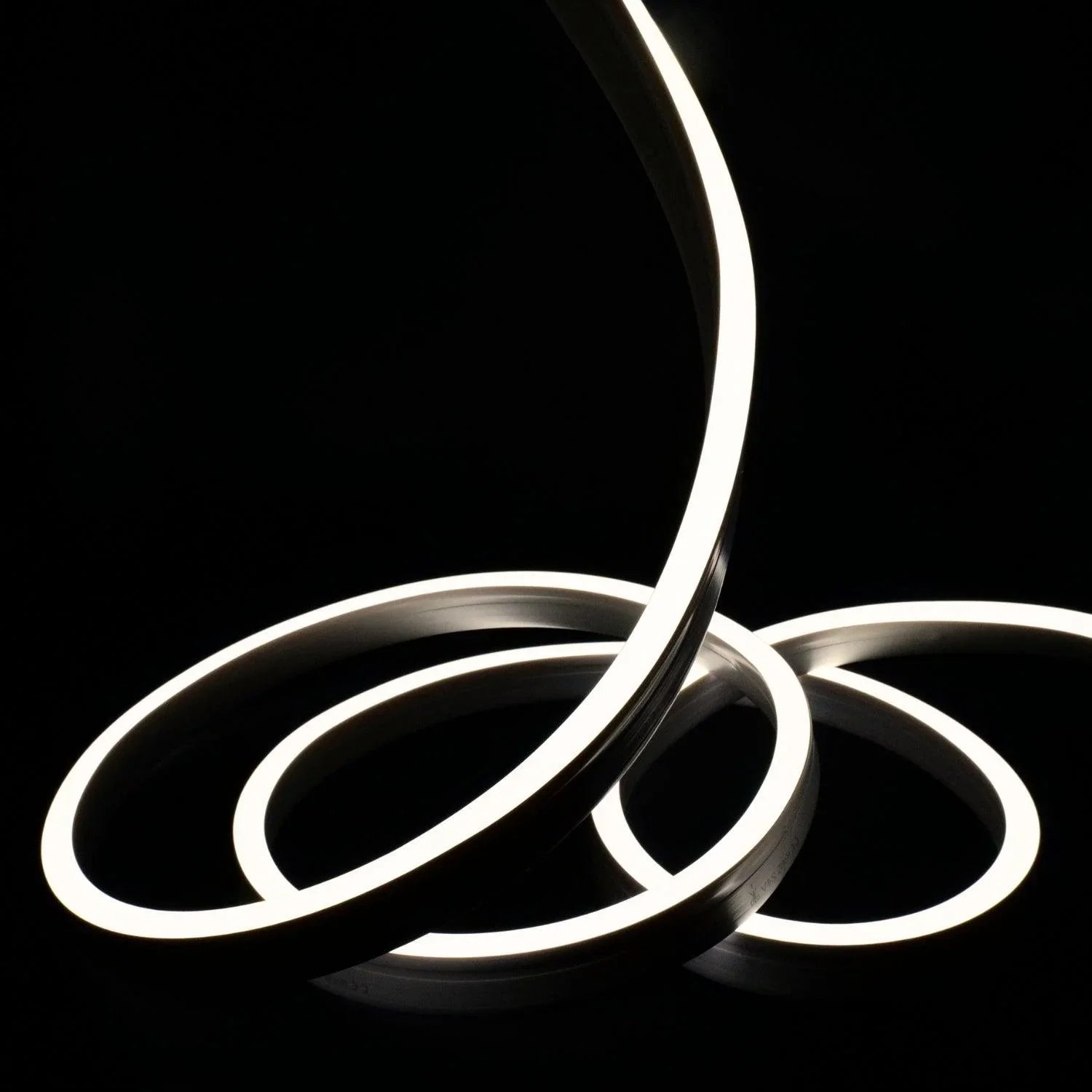
  • IP68 Waterproof
  • 50m Run (one-sided)
  • 3 Year Warranty
  • 10cm (100mm) Cut
  • Horizontal Bend
Regular price From £24.52
Sale price From £24.52 Regular price
View Product
Ultra Long Natural White Neon Flex 48V 10x20mm IP68 Waterproof 30m - UK LED Lights

Ultra Long Natural White Neon Flex 48V 10x20mm IP68 Waterproof 50m

  • IP68 Waterproof
  • 50m Run (one-sided)
  • 3 Year Warranty
  • 10cm (100mm) Cut
  • Horizontal Bend
Regular price From £24.52
Sale price From £24.52 Regular price
View Product
Extra Long Warm White Neon Flex 48V 10x20mm IP68 Waterproof 30m

Extra Long Warm White Neon Flex 48V 10x20mm IP68 Waterproof 50m
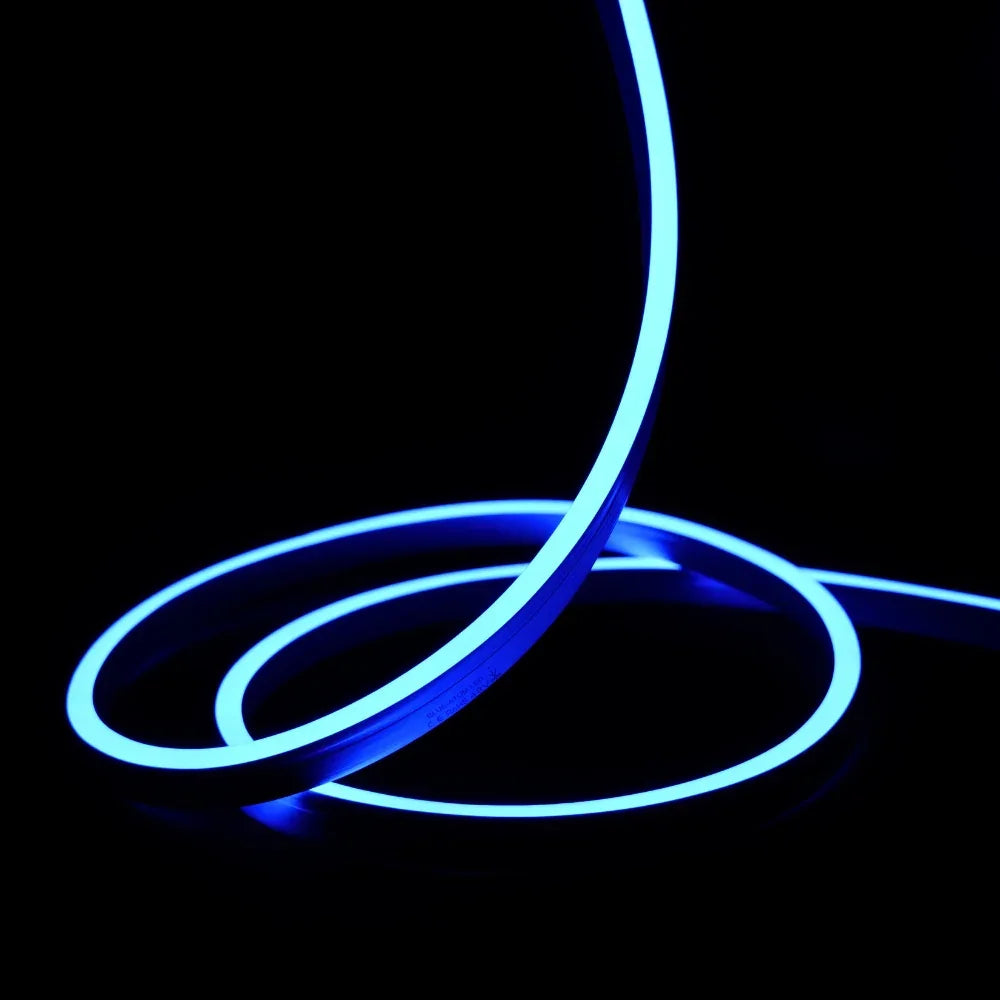
  • IP68 Waterproof
  • 50m Run (one-sided)
  • 3 Year Warranty
  • 10cm (100mm) Cut
  • Horizontal Bend
Regular price From £24.52
Sale price From £24.52 Regular price
View Product
Extra Long Blue Neon Flex 48V 10x20mm IP68 Waterproof 30m
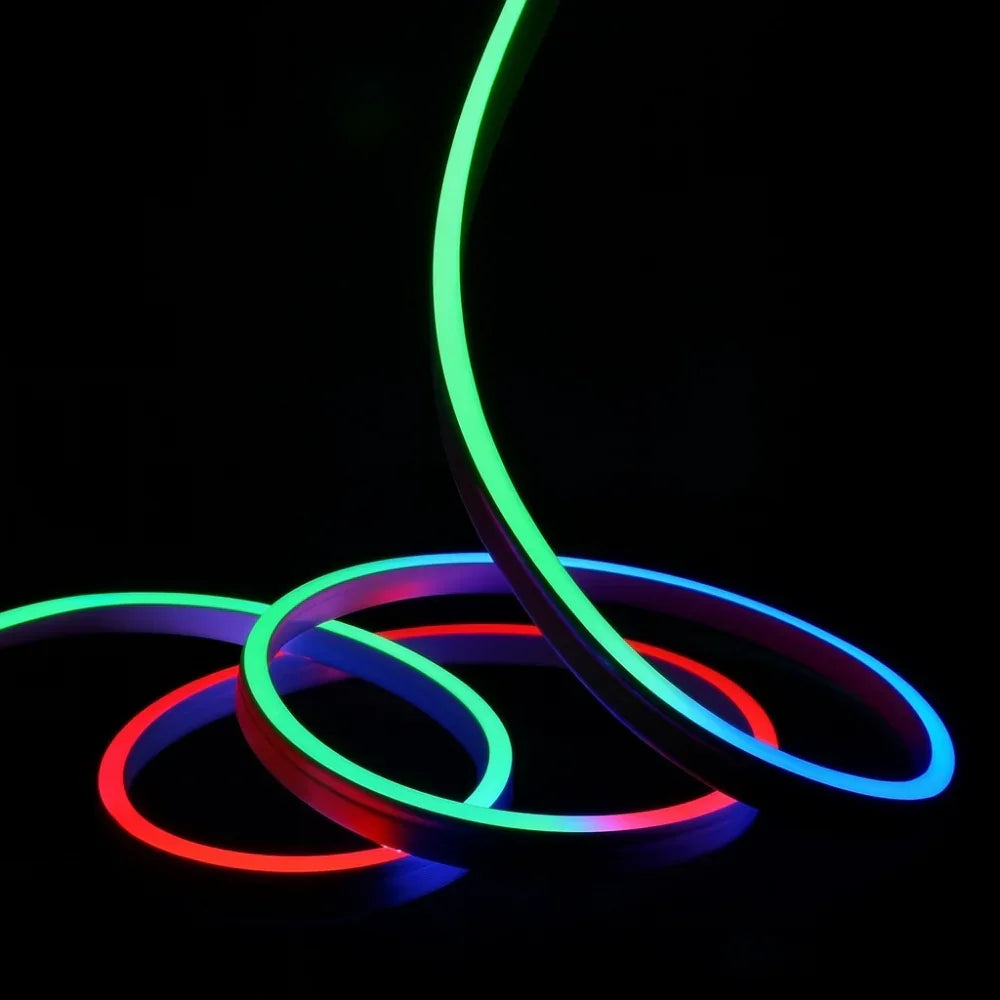
Extra Long Blue Neon Flex 48V 10x20mm IP68 Waterproof 30m

  • IP68 Waterproof
  • 30m Continuous Run
  • 3 Year Warranty
  • 10cm (100mm) Cut
  • Horizontal Bend
Regular price From £24.52
Sale price From £24.52 Regular price
View Product
Ultra Long RGB Neon Flex 15x25mm 48V IP68 Waterproof 30 Metre
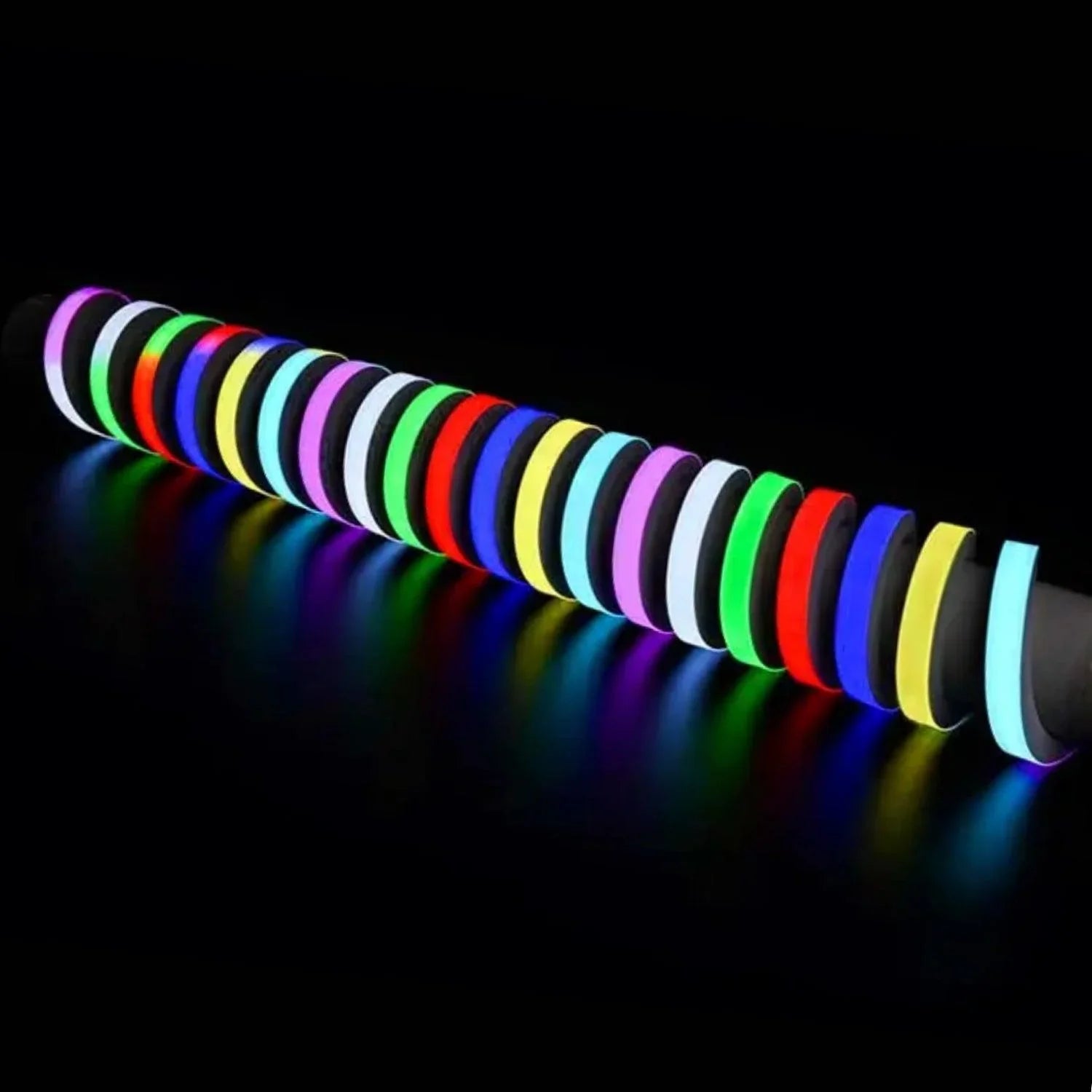
Ultra Long RGB Neon Flex 15x25mm 48V IP68 Waterproof 30 Metre

  • IP68 Waterproof
  • 30m Continuous Run
  • RGB Multicolour
  • 16.5cm (165mm) Cut
  • RGB Multicolour
  • (W)15mm x (D)25mm
Regular price From £39.85
Sale price From £39.85 Regular price
View Product
Ultra Long 18x16mm RGB Neon Flex 48V IP68 Top Bend Waterproof 30m
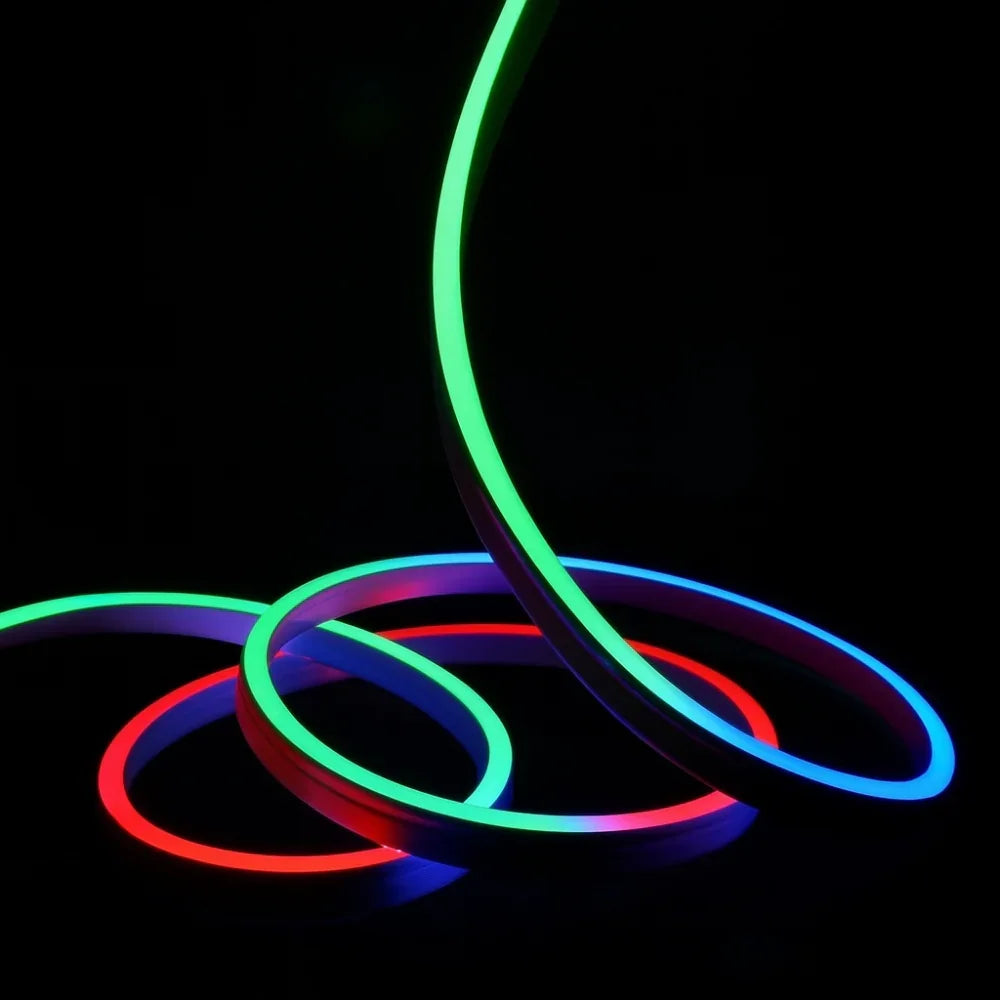
Ultra Long 18x16mm RGB Neon Flex 48V IP68 Top Bend Waterproof 30m

  • RGB Neon Flex
  • (W)18 x (D)16mm
  • Top / Vertical Bend
  • 30m Continuous Run
  • IP68 Waterproof
  • 120 LEDs/m
Regular price From £44.50
Sale price From £44.50 Regular price
View Product
RGB Neon Flex 10x20mm 24V 10x20mm IP68 Waterproof 20 Metre

RGB Neon Flex 10x20mm 24V 10x20mm IP68 Waterproof 20m
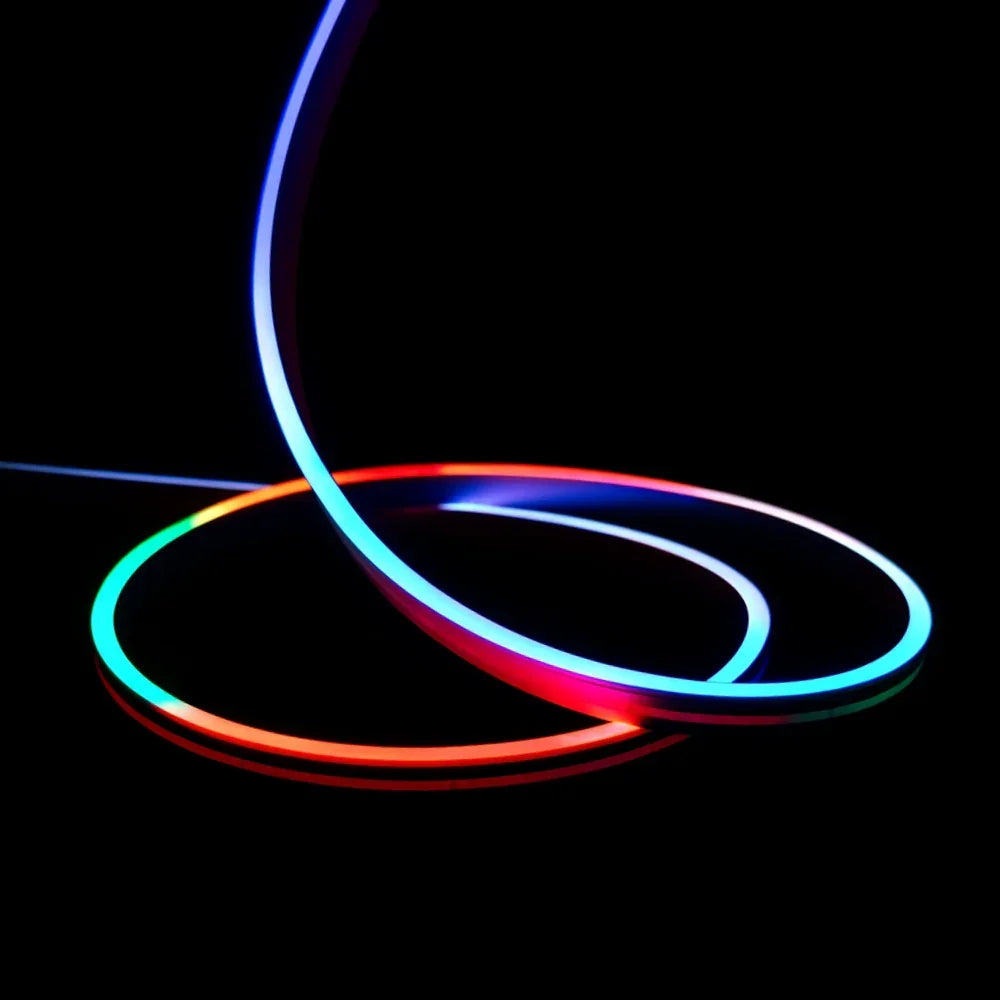
  • IP68 Waterproof
  • 20m Continuous Run
  • RGB Multicolour
  • 8.33cm Cut
  • RGB Multicolour
  • Indoor & Outdoor Use
Regular price From £38.72
Sale price From £38.72 Regular price £35.85
View Product
Addressable Digital Pixel RGB Neon Flex 24V 10x20mm IP68 Waterproof WS2811

Addressable Digital Pixel RGB Neon Flex 24V 10x20mm IP68 Waterproof WS2811

  • Digital Pixel RGB
  • IP68 Waterproof
  • 12.5cm Cut
  • 20m Run (one-side)
  • Indoor & Outdoor Use
  • 3 years warranty
Regular price From £39.95
Sale price From £39.95 Regular price
View Product
Warm White LED Neon Flex 24V 10x20mm IP68 Waterproof

Warm White LED Neon Flex 24V 10x20mm IP68 Waterproof 20m
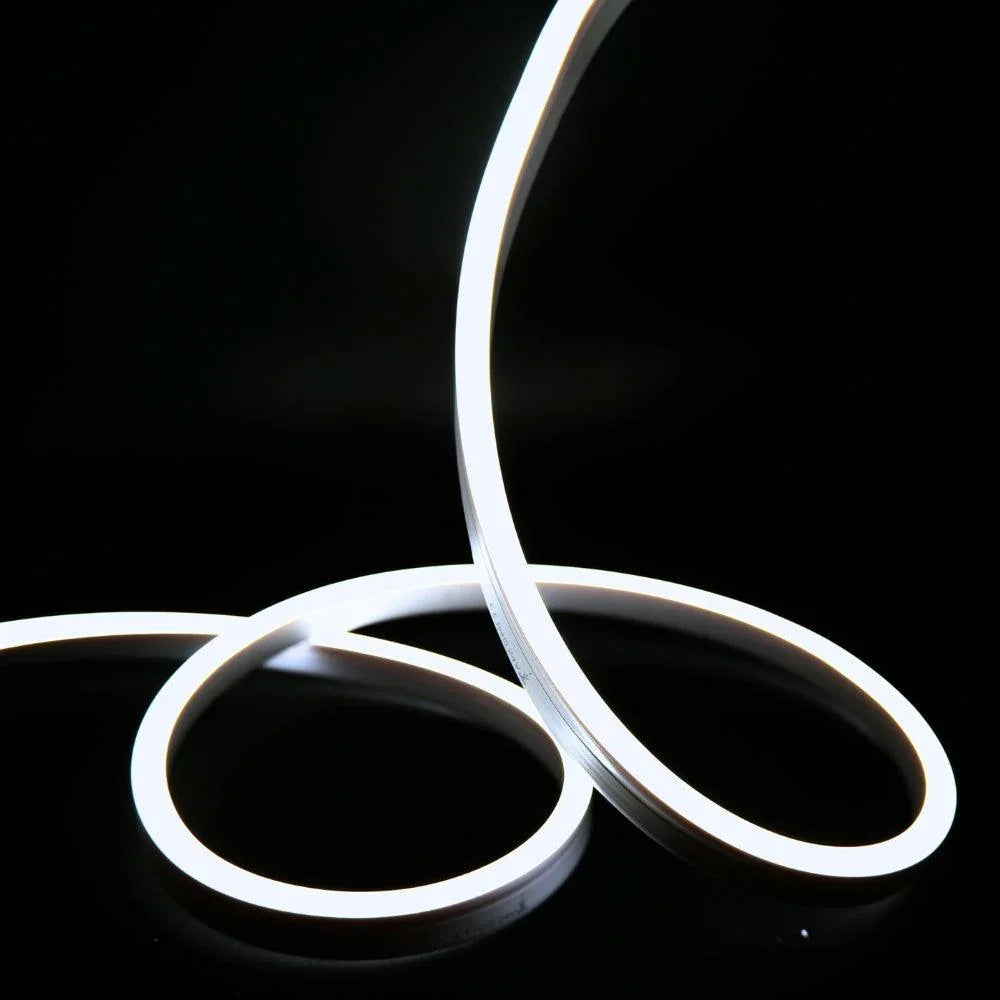
  • IP68 Waterproof
  • 20m Run (one-side)
  • 3 Year Warranty
  • 12.5cm Cut
  • Horizontal Bend
  • Indoor & Outdoor Use
Regular price From £24.52
Sale price From £24.52 Regular price £23.81
View Product
Cool White LED Neon Flex 6000K 24V 10x20mm IP68 Waterproof 10cm Cut

Cool White LED Neon Flex 6000K 24V 10x20mm IP68 Waterproof 20m
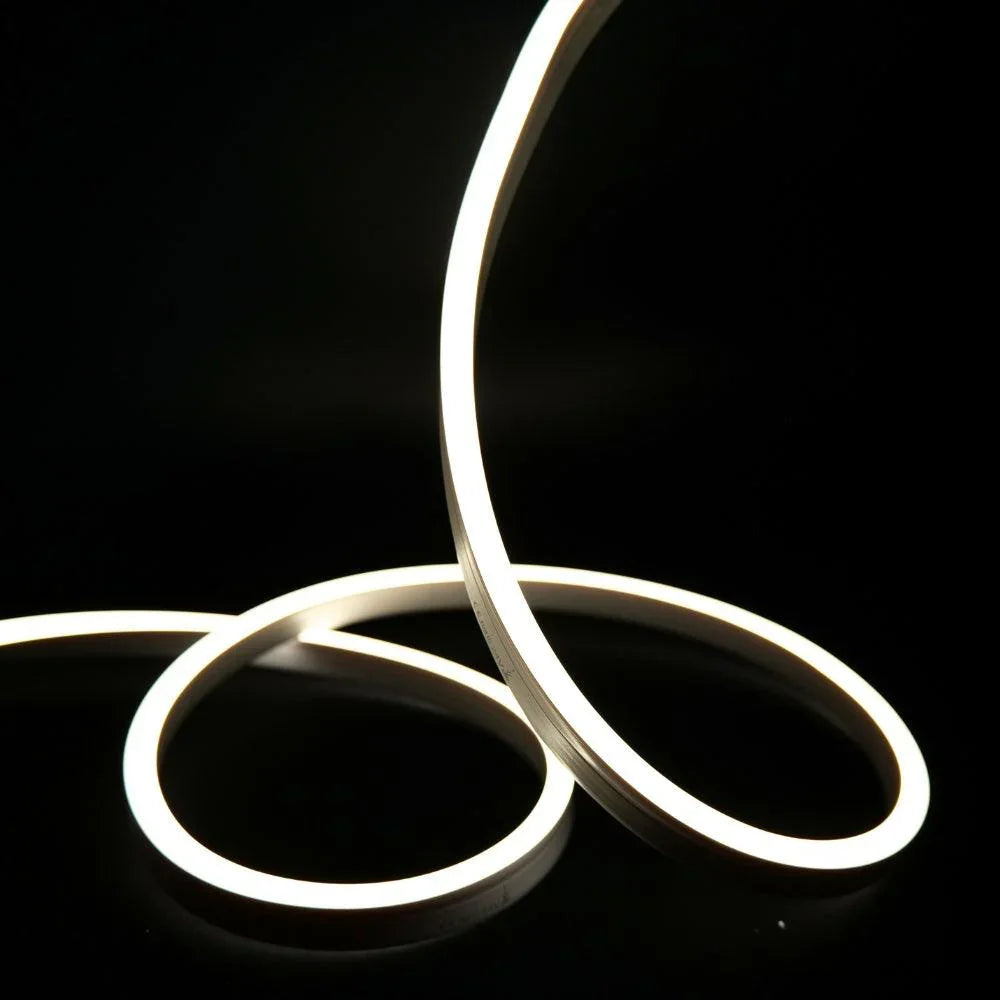
  • IP68 Waterproof
  • 20m Run (one-side)
  • 3 Year Warranty
  • 12.5cm Cut
  • Horizontal Bend
  • Indoor & Outdoor Use
Regular price From £24.52
Sale price From £24.52 Regular price £23.81
View Product
Natural White LED Neon Flex 4000K 24V 10x20mm IP68 Waterproof 20m

Natural White LED Neon Flex 4000K 24V 10x20mm IP68 Waterproof 20m
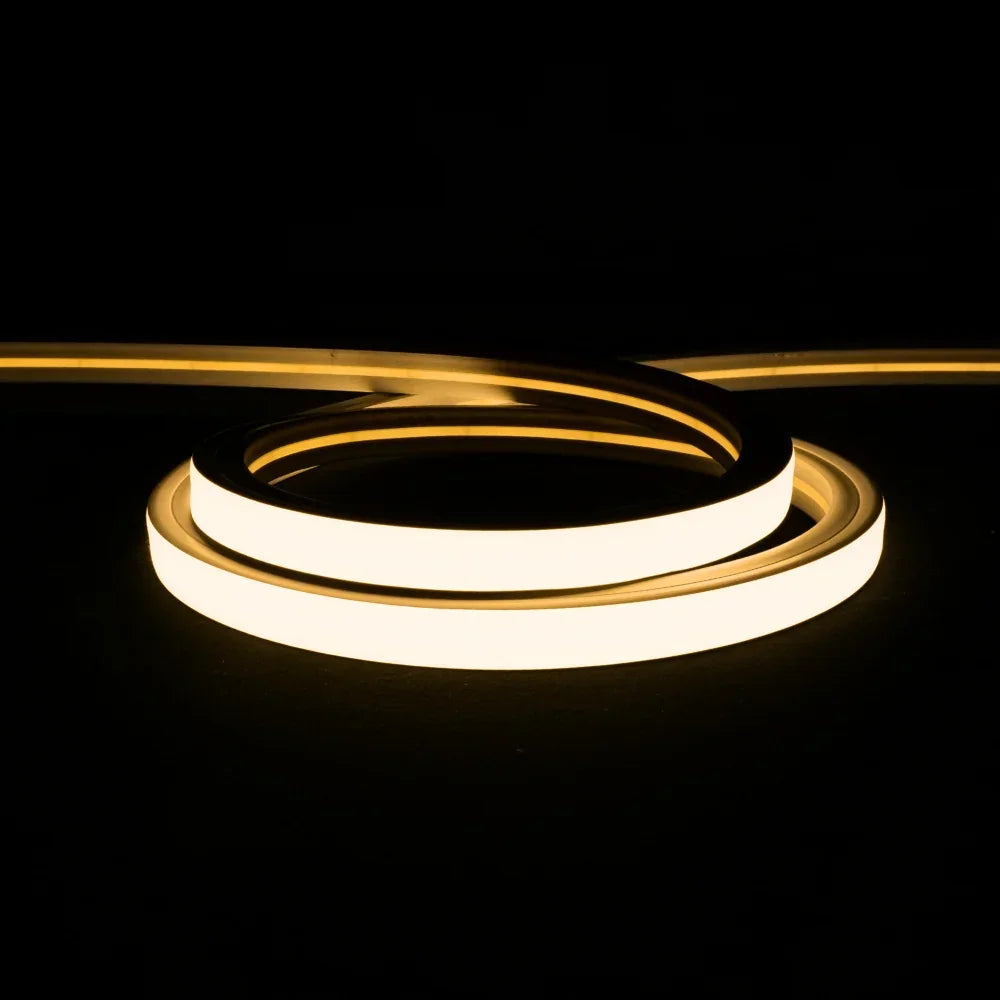
  • IP68 Waterproof
  • 20m Run (one-side)
  • 3 Year Warranty
  • 12.5cm Cut
  • Horizontal Bend
  • Indoor & Outdoor Use
Regular price From £24.52
Sale price From £24.52 Regular price £23.81
View Product
Extra Long 18x16mm Warm White 48V IP68 Top Bend Waterproof 30 Metre
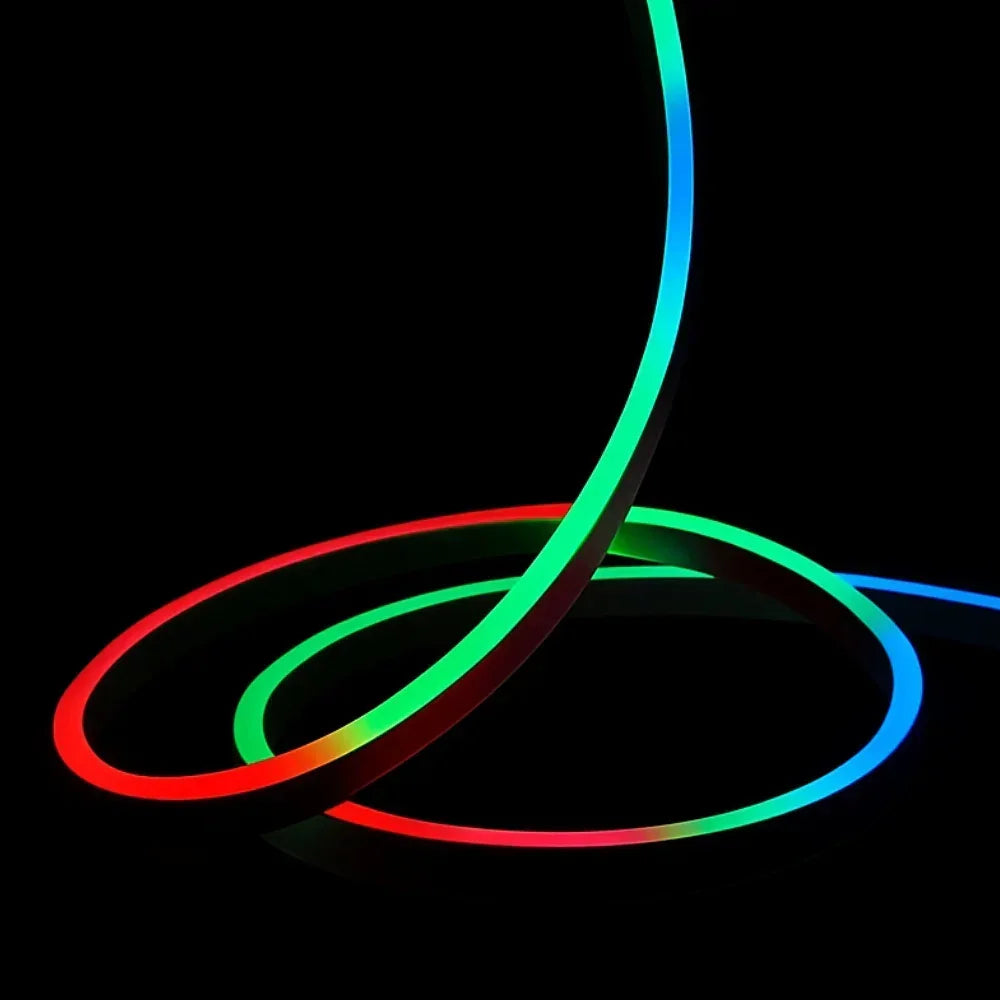
Extra Long 18x16mm Warm White 48V IP68 Top Bend Waterproof 30 Metre

  • IP68 Waterproof
  • 30m Run (one-sided)
  • 3 Year Warranty
  • 10cm (100mm) Cut
  • Top Vertical Bend
Regular price From £25.81
Sale price From £25.81 Regular price £25.81
View Product
RGB Neon Flex 10x20mm 48V 10x20mm IP68 Waterproof 30m Run

RGB Neon Flex 10x20mm 48V 10x20mm IP68 Waterproof 30m Run

  • IP68 Waterproof
  • 30m Continuous Run
  • RGB Multicolour
  • 16.5cm (165mm) Cut
  • RGB Multicolour
Regular price From £39.49
Sale price From £39.49 Regular price £38.72
View Product
End Cap for for Addressable RGB LED Neon Flex 10x20mm IP68 - ATOM LED

End Cap for for 12V/24V Addressable RGB LED Neon Flex 10x20mm IP68

Regular price £9.85
Sale price £9.85 Regular price
End Cap with Wire For Single Colour LED Neon Flex 24V 10x20mm IP68

End Cap with Wire For Single Colour LED Neon Flex 24V 10x20mm IP68

Regular price £12.85
Sale price £12.85 Regular price
Front Cap for Addressable RGB LED Neon Flex 10x20mm IP68 - ATOM LED

Front Cap for 12V/24V Addressable RGB LED Neon Flex 10x20mm IP68

Regular price £14.85
Sale price £14.85 Regular price
Front Cap & End Cap for for Addressable RGB LED Neon Flex 10x20mm IP68 - ATOM LED

Front Cap & End Cap for for 12V/24V Addressable RGB LED Neon Flex 10x20mm IP68

Regular price £21.85
Sale price £21.85 Regular price
Front Cap with Wire For Single Colour LED Neon Flex 24V 10x20mm IP68

Front Cap with Wire For Single Colour LED Neon Flex 24V 10x20mm IP68

Regular price £12.85
Sale price £12.85 Regular price
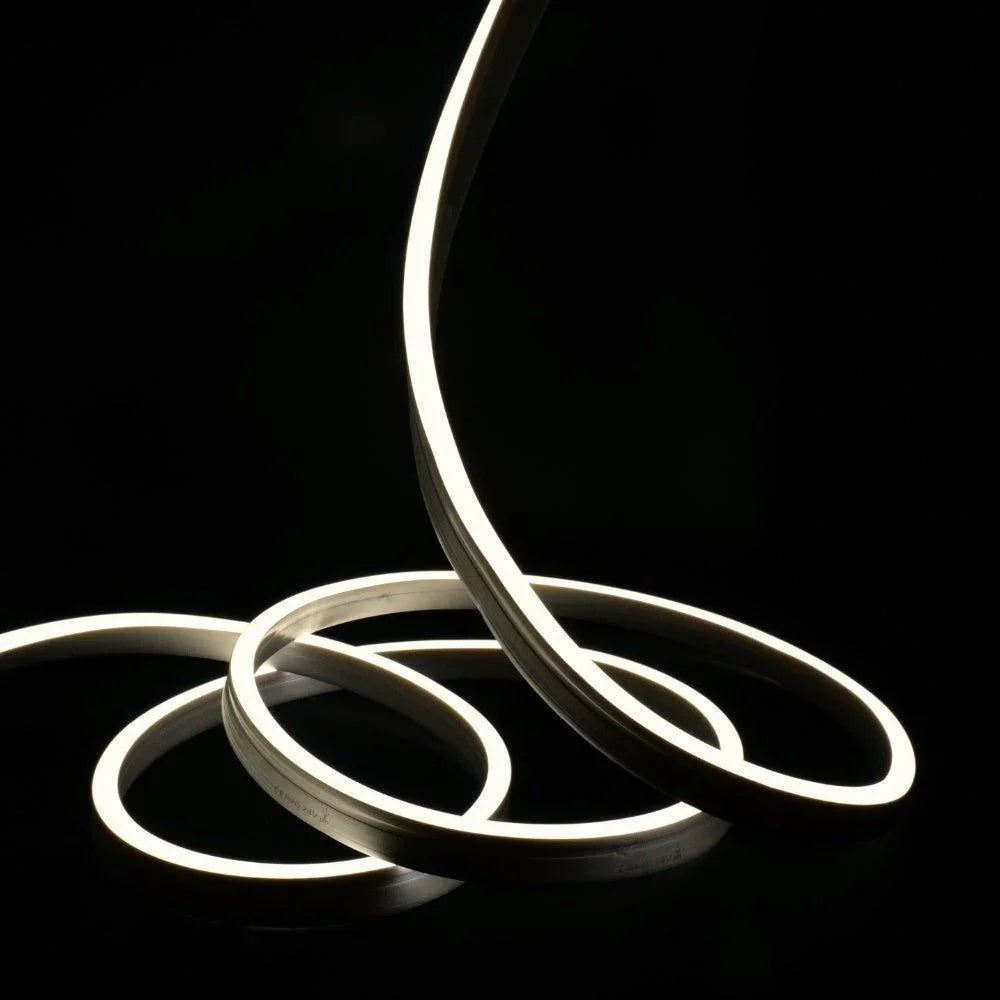
Front Cap & End Cap for for Addressable RGB LED Neon Flex 10x20mm IP68 - ATOM LED

Single Colour Front Cap & End Cap 12V/24V LED Neon Flex 10x20mm IP68
Regular price £19.85
Sale price £19.85 Regular price
Natural White Neon Flex 4000K 48V 10x20mm IP67 Waterproof 30m - UK LED Lights

Natural White Neon Flex 4000K 48V 10x20mm IP68 Waterproof 50m

  • IP68 Waterproof
  • 50m Run (one-sided)
  • 3 Year Warranty
  • 10cm (100mm) Cut
  • Horizontal Bend
Regular price From £24.55
Sale price From £24.55 Regular price
View Product